
Providing High Quality Flooring Installation
SINCE 2011!
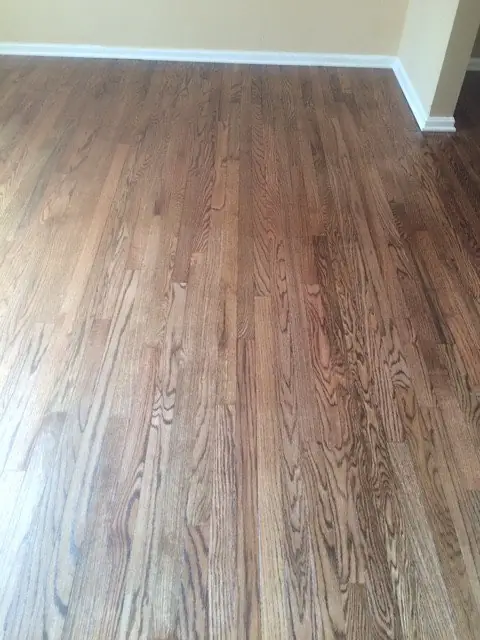
What To Expect From AG Construction MD's Hardwood Flooring Services
Discover The Difference
Locally Owned And Operated
We've proudly served Frederick, Baltimore, and the surrounding Maryland and Northern Virginia areas since 2011.
Fair And Affordable Pricing
We strive to deliver superior service at affordable prices, without compromising quality or satisfaction.
Skilled Professionals
Our team has years of experience, so you can be confident when we're on the job.
Free Estimates
If you're ready to take the first steps in your flooring project, contact our team for a free estimate.
Prompt And Reliable Scheduling
When you're ready to upgrade your flooring, we'll schedule your appointment without delay.
Custom Installation And Wood Finishing Specialists
We specialize in custom installation and wood finishing, ensuring the final result matches your vision.
What Our Customers Are Saying
I recently had the pleasure of working with AG Flooring, and I can't recommend them highly enough! When reaching out for a quote, Aaron Goodman was friendly, knowledgeable, and responsive. We chose to buy the flooring ourselves, as we found something we really liked on sale. This project was for our 700 sq ft finished basement. We went with waterproof luxury...
First time to say wonderful about a contractor. Cost was competitive and excellent. Aaron was professional and personable. Amilicar did excellent work. He was efficient, with exemplary carpenter skills. Thank you all for my beautiful hardwood floor!
AG Construction/Flooring technicians are fast, neat and very skilful. They did an amazing job with our old and ugly wood floors to make them look like new, and, also, match them with the color of our new vinyl floors!
Aaron and his crew did an amazing job on our floors! I honestly wasn’t sure that the floors were going to be able to be refinished in the condition that they were in but these guys worked miracles! Aaron answered all our questions, responded quickly to calls or texts and made sure that we got what we wanted out of the project. I would highly recommend Aaron ...
Aaron and his crew exceeded all expectations. I had to reschedule twice, to which Aaron was very accommodating. The team showed up on time, did a phenomenal job with the floors, and thoroughly cleaned the area before leaving. I look forward to working with AG construction again!
AG Construction did a great job repairing and refinishing my hardwood floors. Aaron is professional and responsive and was helpful in guiding me to the right stain choice based on the existing condition of my floors. I never felt pressure and he was flexible with his schedule to accommodate mine. His crew worked hard and kept the mess to a minimum. I highly ...
Original parquet flooring from 1962. AG was on time, got done early, did a fantastic job with some rough spots, and was very reasonable price. Aaron was extremely knowledgeable and knew exactly what should be done.
I just recently used Aaron from AG Construction to refinish my original wood floors in preparation to sell my 1920's home in Bethesda. They did a standup job. Their attention to detail was fantastic and his price was reasonable. Highly recommended.
AG Construction and Flooring stands out as a hidden gem for homeowners seeking stylish, high-quality flooring and renovation work. Neighbors highlight Aaron and his team for being professional, responsive, and fantastic in their workmanship.
Google: 5.0 stars · Facebook: 100% recommend (38 reviews)
View MoreSee Our Work
View Our Project Gallery
Custom Flooring Specialists
Superior Customer Service, Craftsmanship & Prices
Since 2011, AG Construction has provided full-service flooring services in Maryland and Northern Virginia. Our team of flooring specialists has years of experience installing a variety of flooring, from hardwood and luxury vinyl plank to carpet and tile.
As an MHIC-licensed hardwood floor installation and refinishing company, we are dedicated to providing customers with the highest quality craftsmanship. When you choose us as your local flooring contractor, you'll always receive quality products and materials from top manufacturers.
Looking for soft flooring? We also handle carpet installation and carpet replacement, from one bedroom to the whole house.
Read More About Our ServicesCalls answered or returned the same day, Saturdays included.




Our Service Area
Proudly serving Frederick, Baltimore, and the surrounding Maryland and Northern Virginia areas since 2011.
View Service AreasSuperior Customer Service, Craftsmanship & Prices
Since 2011, AG Construction has provided full-service flooring services in Maryland and Northern Virginia. Our team of flooring specialists has years of experience installing a variety of flooring, from hardwood and luxury vinyl plank to carpet and tile.
As an MHIC-licensed hardwood floor installation and refinishing company, we are dedicated to providing customers with the highest quality craftsmanship. When you choose us as your local flooring contractor, you’ll always receive quality products and materials from top manufacturers.
Our Flooring Products & Options
AG Construction offers installation, refinishing, and restoration services for:
- Hardwood flooring
- Carpeting
- Luxury vinyl plank
- Luxury vinyl tile
If you’re ready to breathe life into your floors, look no further than AG Construction. Our vast selection of flooring options is unmatched and ensures you’ll find the perfect flooring for your home. The AG Construction team is proud to service Anne Arundel, Carroll, Frederick, Howard, and Montgomery Counties in Maryland and the surrounding Maryland and Northern Virginia communities.
Start your flooring project today with a free estimate! Call us at 240-246-4561 or contact us online.
Why Choose AG Construction?
Since 2011, our loyal customers have chosen us for our:
- Outstanding customer service
- Free estimates
- Full-service approach to flooring projects
- High-quality craftsmanship
- Fair and affordable pricing
- Personalized customer service
- And more!
If you’re searching for flooring services in Maryland or Northern Virginia, call AG Construction! Schedule now by calling 240-246-4561 or contacting us online.
Expert Hardwood Flooring & Construction Services in Maryland & Northern Virginia
Looking for top-rated hardwood flooring contractors in Maryland or Northern Virginia? AG Construction is your trusted partner for all your flooring needs. With 15 years of experience, we specialize in hardwood flooring installation, refinishing, restoration, and more. Whether you’re a homeowner, business owner, or property manager, our team of skilled professionals ensures your floors are restored to their original beauty or upgraded to match your vision.
At AG Construction, we pride ourselves on delivering exceptional craftsmanship, fair pricing, and unmatched customer service. Whether you’re in Frederick, Baltimore, Montgomery County, or anywhere in our Maryland and Northern Virginia service area, we’re here to provide the highest-quality flooring solutions tailored to your needs.
Why Choose AG Construction for Your Flooring Needs?
- Locally Owned and Operated: We’ve proudly served the Maryland and Northern Virginia area since 2011, providing personalized service and local expertise.
- Fully Licensed and Insured: As an MHIC-licensed contractor, we guarantee professional and reliable service for all flooring projects.
- Free Estimates: Get a no-obligation quote for your flooring project and discover why we’re the most trusted contractors in the region.
- Custom Flooring Solutions: From hardwood installation to luxury vinyl plank, we offer a wide range of flooring options to suit every style and budget.
- A+ Customer Service: Our team is dedicated to ensuring your complete satisfaction, from the initial consultation to the final walkthrough.
Our Flooring Services
AG Construction offers comprehensive flooring services to meet all your needs. Whether you’re looking to install new floors, restore old ones, or add a touch of elegance to your home, we’ve got you covered.
1. Hardwood Flooring Services
Hardwood floors are a timeless choice for any home or business. Not only do they add a touch of elegance, but they also increase your property’s value. Our hardwood flooring services include:
- Installation: Choose from a variety of hardwood types, including oak, maple, cherry, and more, and let our experts bring your vision to life.
- Refinishing: Breathe new life into your existing hardwood floors with our expert refinishing services. We remove old finishes, repair damaged wood, and apply a beautiful new coat that will make your floors look like new.
- Restoration: For floors that have seen years of wear and tear, our restoration services can completely transform their appearance.
- Sanding: Proper sanding is essential for achieving a smooth finish. Trust our team to handle all your sanding needs.
- Staining: Customize your floors with our staining services, offering a wide range of colors to match your home’s aesthetic.
2. Luxury Vinyl Plank (LVP) Installation
Luxury vinyl plank flooring is a popular choice for homeowners who want the look of hardwood without the maintenance. It’s durable, water-resistant, and versatile, making it perfect for high-traffic areas. Our LVP installation services include:
- Coretec Installation: Coretec is a leading brand in luxury vinyl flooring, offering a wide range of styles and finishes.
- Luxury Vinyl Tile Installation: Add a touch of elegance to your home with our expert luxury vinyl tile installation.
- Luxury Plank Installation: Achieve the look of natural wood with our high-quality luxury plank flooring.
3. Carpet Installation and Replacement
If you’re looking for a soft, cozy option for your floors, carpet is an excellent choice. Our carpet services include:
- Carpet Installation: Choose from a variety of materials and styles to find the perfect carpet for your home.
- Carpet Replacement: Is your old carpet showing signs of wear? Let us handle the removal and replacement process seamlessly.
4. Commercial Flooring Services
We don’t just work with homeowners! AG Construction also offers commercial flooring services, including:
- Hardwood Refinishing: Keep your business looking professional with beautifully maintained hardwood floors.
- Vinyl Flooring Installation: Durable and low-maintenance, vinyl flooring is a great option for commercial spaces.
Benefits of Hardwood Flooring
Hardwood flooring is a classic choice for homeowners, and for good reason. Here are just a few benefits of installing hardwood floors in your home:
1. Durability
Hardwood floors are incredibly durable and can last for decades with proper maintenance. They’re also resistant to scratches and spills, making them a great choice for families with pets or young children.
2. Aesthetic Appeal
Hardwood floors add a touch of elegance to any room. They come in a wide range of styles, from modern to traditional, and can be stained to match your home’s decor.
3. Low Maintenance
While carpet requires frequent vacuuming and deep cleaning, hardwood floors are easy to maintain. Simply sweep and mop regularly to keep them looking their best.
4. Health Benefits
Hardwood floors are hypoallergenic, reducing the presence of dust mites, mold, and other allergens that can thrive in carpeted areas.
5. Increased Property Value
Hardwood floors are a sought-after feature for homebuyers. Installing them can significantly increase your property’s value and make your home more attractive to potential buyers.
How to Choose the Right Flooring for Your Home
With so many flooring options available, choosing the right one can feel overwhelming. Here are a few factors to consider when selecting flooring for your home:
1. Lifestyle Needs
- Do you have young children or pets? Hardwood or luxury vinyl flooring may be a better choice due to their durability.
- Are you looking for a low-maintenance option? Luxury vinyl plank flooring is a great choice.
2. Budget
- Hardwood flooring can be more expensive upfront, but it’s a long-term investment that will last for decades.
- Carpet and vinyl flooring are more budget-friendly options.
3. Aesthetic Preferences
- Hardwood floors offer a timeless, elegant look.
- Carpet provides warmth and comfort underfoot.
4. Moisture Levels
- If you’re installing flooring in a high-moisture area, such as a kitchen or bathroom, luxury vinyl tile or luxury plank flooring may be the best option.
Flooring Maintenance Tips
To ensure your floors continue to look their best, follow these maintenance tips:
1. Hardwood Floors
- Sweep or vacuum regularly to remove dirt and debris.
- Mop with a hardwood-specific cleaner to avoid damaging the finish.
- Use felt pads on furniture legs to prevent scratches.
2. Luxury Vinyl Plank (LVP) Floors
- Mop with a mild detergent and water.
- Avoid using abrasive cleaners or scrubbers, as they can damage the finish.
3. Carpet
- Vacuum at least once a week, especially in high-traffic areas.
- Spot clean spills immediately to prevent stains.
- Deep clean your carpets professionally every 6-12 months.
Why AG Construction?
At AG Construction, we’re more than just a flooring company, we’re your partners in transforming your home or business. Here’s why we’re the go-to choice for homeowners and businesses across Maryland and Northern Virginia:
1. Professional and Skilled Team
Our team of flooring experts has years of experience in installing, refinishing, and restoring floors. We’re equipped with the latest tools and techniques to deliver outstanding results.
2. Affordable Pricing
We believe in delivering high-quality services at fair and affordable prices. Whether you’re on a tight budget or planning a luxury renovation, we’ll work with you to find a solution that fits your needs.
3. Free Estimates
Not sure where to start with your flooring project? Schedule a free estimate with our team, and we’ll provide you with a detailed plan and cost breakdown.
4. Personalized Service
Every home or business is unique, which is why we offer fully customized flooring solutions tailored to your style, budget, and needs.
Service Areas
AG Construction proudly serves the following areas in Maryland and Northern Virginia:
- Anne Arundel County
- Baltimore County
- Carroll County
- Frederick County
- Howard County
- Montgomery County
No matter where you’re located, we’re just a call away. Contact us today to schedule your free estimate and take the first step toward transforming your floors.
Frequently Asked Questions
1. Do you offer free estimates?
Yes! We provide free estimates for all flooring projects. Simply fill out our online form or call us at 240-246-4561 to schedule your appointment.
2. How long does a typical flooring project take?
The length of your project will depend on the scope of work. Hardwood refinishing can take 3-5 days, while installation projects may take longer. We’ll provide a detailed timeline during your consultation.
3. Do you offer financing options?
We work with our clients to ensure their flooring project fits their budget. Contact us to discuss financing options and see how we can help you achieve your flooring goals.
Get a Free Quote Today
Ready to transform your floors? AG Construction is here to help. Whether you’re looking to install new hardwood floors, refinish your existing ones, or explore luxury vinyl plank options, we’re your one-stop solution for all flooring needs.
Maryland’s Premier Flooring Company
full-service flooring contractor
Whether you own a home or business, we’re your single source for complete flooring installation services! Our comprehensive services include:
- Hardwood staining, sanding, refinishing, restoration, and more!
- Carpet removal and installation
- Vinyl luxury plank replacement and installation
- Vinyl tile and COREtec installation
Proudly Serving
The DMV AREA
Frederick County | Howard County | Anne Arundel County | Baltimore County | Montgomery County
Areas We Serve
Hardwood flooring installation, refinishing and repair from Woodbine, MD, across Maryland, northern Baltimore County and Northern Virginia. See hardwood floor refinishing across Montgomery County, MD for county-wide service details. In Rockville, start with wood floor refinishing in Rockville, MD; in Frederick, with our flooring contractor in Frederick County, MD page. We also handle carpet installation across Maryland and Northern Virginia.