

back to blog

Hardwood Staircase Flooring: Design Tips & Installation Best Practices
Hardwood Staircase Flooring: Expert Design Tips for a Stunning Home Upgrade
Hardwood stairs MD often come with a mix of charm and challenge when it’s time for an upgrade. You want your staircase to stand out without becoming a hassle during stair tread installation. This stair flooring guide will walk you through smart design choices and practical tips that make your hardwood staircase look stunning and last longer. Let’s get your home’s focal point right the first time.
Why Hardwood Staircases Make a Lasting Impression
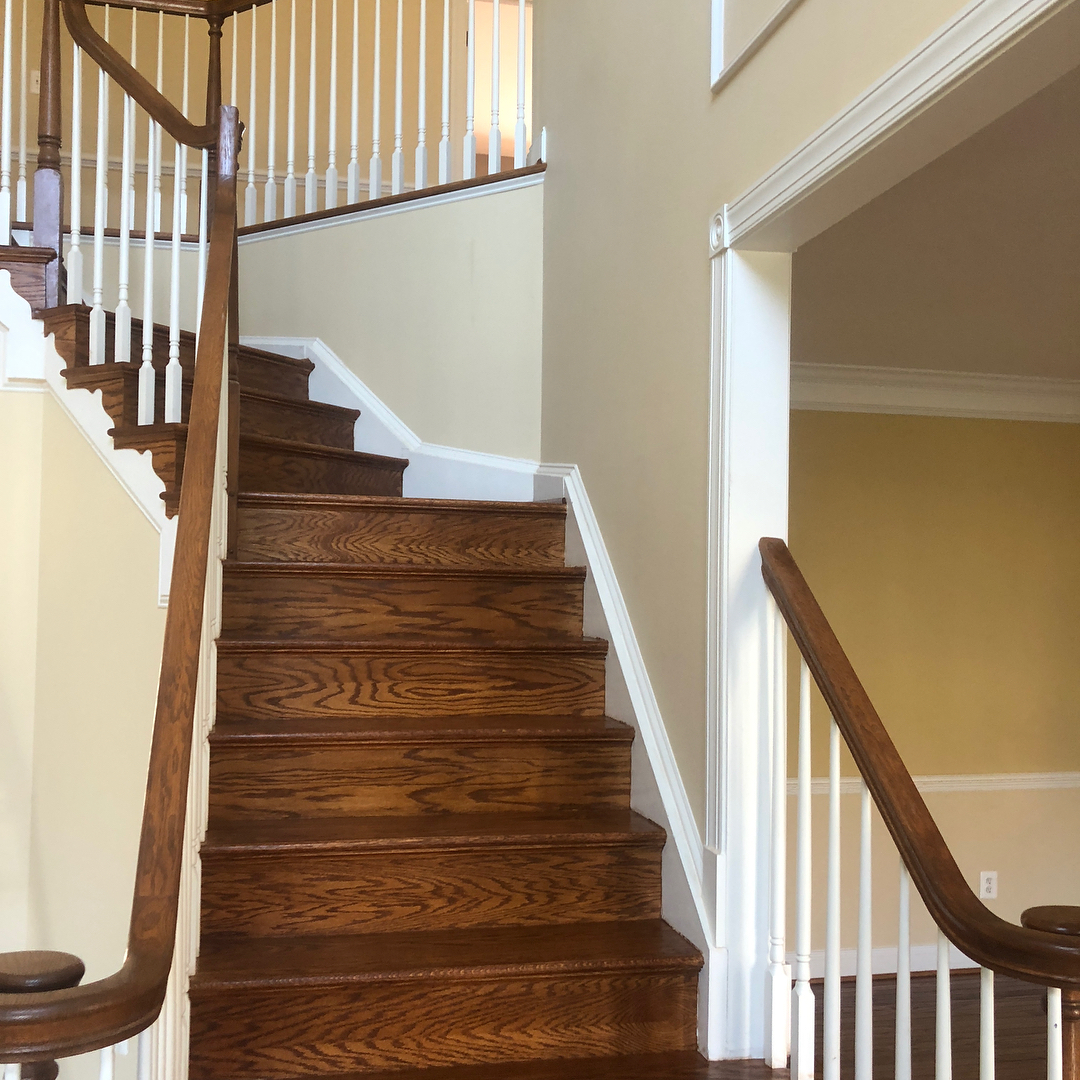
Staircases occupy a central position in many homes, creating an immediate visual impact for anyone entering your space. Quality hardwood stairs do more than connect floors – they serve as architectural statements that can define your home’s character.
The Value Proposition of Hardwood Stairs
Hardwood stairs offer excellent return on investment compared to other flooring materials. Real estate professionals often point to hardwood staircases as features that catch buyers’ attention and can increase property values. Beyond the financial benefits, they provide:
Durability that withstands decades of foot traffic
Timeless appeal that complements various design styles
Natural warmth that synthetic materials can’t match
Improved indoor air quality compared to carpet options
Selecting the Right Wood Species for Your Stairs
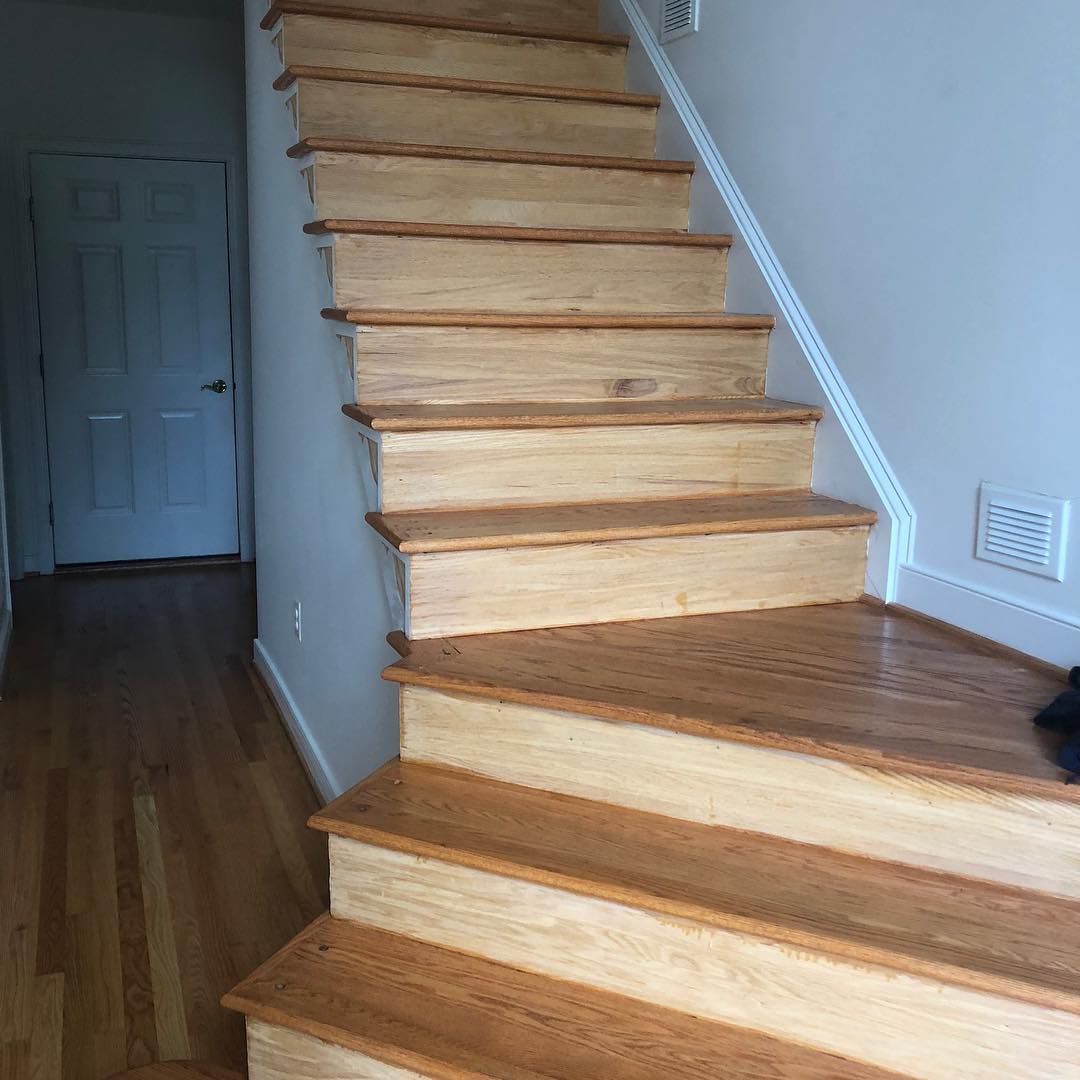
Not all hardwoods perform equally on staircases. The right choice depends on your home’s traffic patterns, design preferences, and maintenance expectations.
Popular Hardwood Options for Staircases
Oak remains the top choice for hardwood stairs MD homeowners prefer, thanks to its exceptional durability and pronounced grain that helps hide minor scratches. Other excellent options include:
Maple – Extremely hard with a clean, contemporary look
Cherry – Rich color that deepens beautifully with age
Walnut – Luxurious dark tones that create dramatic visual impact
Hickory – Outstanding hardness with distinctive grain patterns
Each species offers different hardness ratings on the Janka scale, which measures wood’s resistance to denting and wear. For high-traffic staircases, woods with higher Janka ratings (oak, maple, hickory) typically perform better over time.
Design Considerations for Hardwood Staircases
Before starting your stair tread installation project, several design decisions will impact both aesthetics and functionality.
Matching vs. Contrasting Stair Components
You’ll need to decide whether your stairs should match your existing flooring or stand as a contrasting feature. Both approaches offer advantages:
Matching approach: Creates visual flow and makes spaces feel larger
Contrasting approach: Turns the staircase into a focal point and architectural feature
Many homeowners choose a middle path by matching treads to their flooring while painting risers white or using a complementary wood tone.
Open vs. Closed Risers
Open-riser staircases (where the vertical spaces between treads remain open) create a modern, airy feel but may not meet building codes in all areas. Closed risers provide a traditional look and often feel more secure, especially in homes with children or older adults.
Nosing Profiles and Edge Details
The nosing (the edge of the tread that extends beyond the riser) comes in various profiles that affect both appearance and safety:
Square edge (minimal overhang)
Bullnose (rounded edge)
Eased edge (slightly rounded)
Your stair flooring guide should include careful consideration of nosing style, as it impacts both safety and the overall aesthetic of your staircase.
Practical Considerations for Hardwood Stair Installation
Installing hardwood on stairs requires specialized knowledge and techniques beyond standard flooring installation.
Professional vs. DIY Installation
While ambitious homeowners might tackle flat flooring projects, stair tread installation presents unique challenges:
Precise cutting requirements for tight fits
Complex angles and transitions
Structural considerations for safety
Finishing techniques for durable results
Most stair flooring guide experts recommend professional installation for staircases due to these complexities and the high visibility of any mistakes.
Stair Tread Installation Methods
Your contractor may use one of several methods for installing hardwood on stairs:
Floating treads: Installed over existing treads without nails or glue
Retro treads: Pre-made caps that fit over existing stairs
Full replacement: Complete removal and rebuild with new materials
The condition of your existing staircase and your budget will help determine the best approach.
Finishing Options for Hardwood Stairs
The finish you select impacts both appearance and maintenance requirements.
Stains and Color Considerations
Stain colors should complement your overall design scheme while considering practical factors:
Darker stains hide dirt but show scratches more readily
Lighter stains show less wear but may reveal dirt more easily
Medium tones often provide the best balance for high-traffic stairs
Many hardwood stairs MD specialists recommend testing several stain options on sample boards before making a final decision.
Protective Coatings for Longevity
Your stairs will need robust protection against daily wear. Common finish options include:
Polyurethane – Offers excellent durability but can yellow over time
Water-based polyurethane – Lower odor with clear finish that resists yellowing
Hard wax oils – Natural look with easy spot repairs but requires more frequent maintenance
Most professionals apply more coats to treads than they would to standard flooring to account for increased wear.
Safety Features for Hardwood Staircases
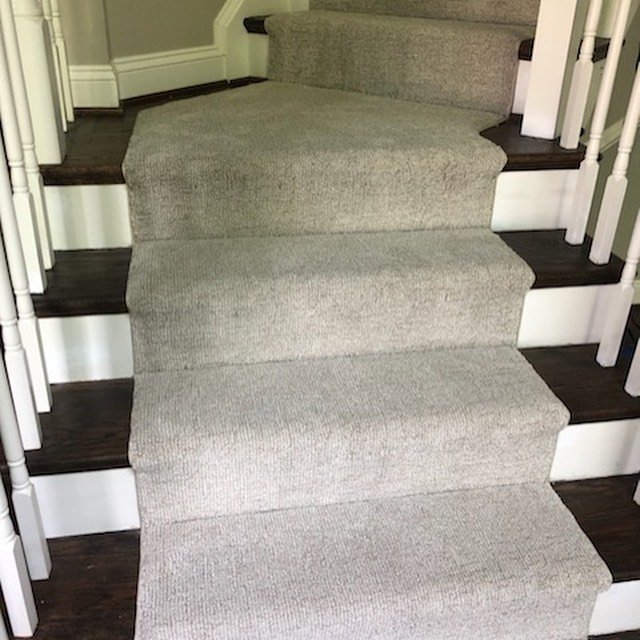
Beautiful stairs must also be safe stairs. Consider these important safety features during your planning.
Non-Slip Treatments and Solutions
Hardwood stairs can become slippery, particularly when wearing socks. Consider these safety enhancements:
Clear anti-slip treatments that don’t affect appearance
Strategic runner carpets secured with proper hardware
Textured finish techniques that improve traction
Building Code Compliance
Your stair flooring guide should include checking local building codes, which typically regulate:
Tread depth (usually minimum 10 inches)
Riser height (typically 7-7.75 inches)
Consistency requirements (all steps must be uniform)
Handrail specifications and heights
Professional installers will ensure your beautiful new stairs also meet all safety requirements.
Maintaining Your Hardwood Staircase
Proper care extends the life of your investment and keeps your stairs looking their best.
Daily and Weekly Maintenance
Regular maintenance is simple but important:
Sweep or vacuum stairs regularly to remove grit that can scratch surfaces
Wipe spills immediately to prevent water damage
Use only cleaners specifically designed for hardwood floors
Long-Term Care and Refinishing
Even the most durable hardwood stairs MD homes feature will eventually show wear, particularly on the leading edge of treads. Plan for:
Touch-up of minor scratches every 1-2 years
Complete refinishing every 7-10 years depending on traffic
Possible tread replacement for severely damaged areas
Cost Considerations and Budgeting
Hardwood staircases represent a significant investment but offer excellent long-term value.
Price Factors for Hardwood Stairs
Several factors impact the final cost of your staircase project:
Wood species (exotic woods cost significantly more)
Staircase size and complexity
Removal of existing materials
Custom details like decorative balusters
Finishing requirements
A basic hardwood stair renovation might start around $2,000-$3,000, while complex projects with premium materials can exceed $10,000.
Value-Engineering Options
If your budget is tight, consider these cost-saving approaches:
Use premium hardwood only on treads, with painted risers
Select domestic rather than exotic wood species
Maintain existing structural elements where possible
Phase the project if necessary (treads first, balusters later)
Making Your Final Decision
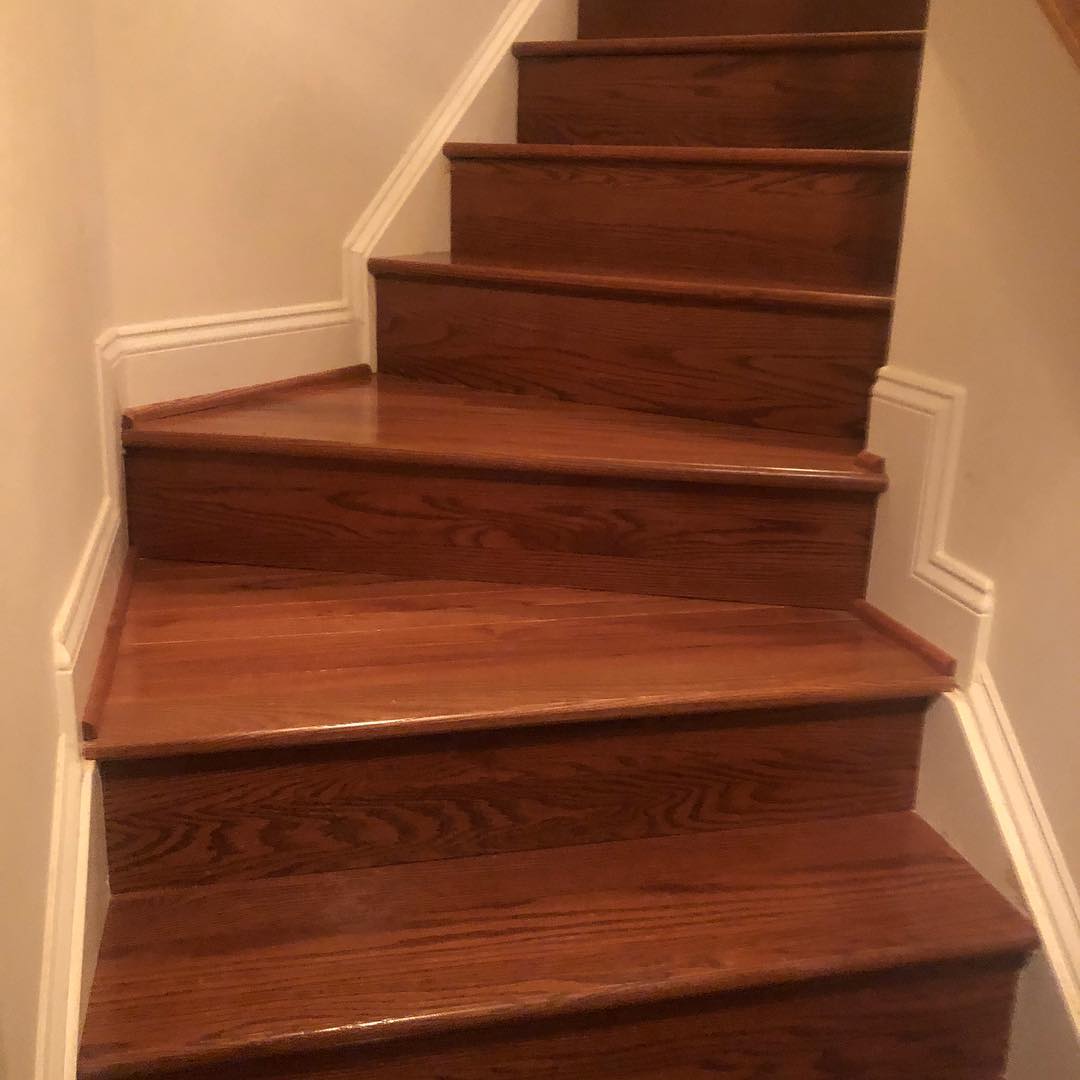
With so many options available, finalizing your hardwood staircase plans requires careful thought.
Creating a Cohesive Look
Your stairs should work with your overall home design rather than fighting against it. Consider:
The architectural style of your home
Existing wood elements throughout the space
The transition between different flooring materials
How the staircase relates to surrounding wall colors and textures
Working With Design Professionals
Many homeowners benefit from professional guidance when planning complex staircase projects. Consider consulting:
Interior designers for aesthetic guidance
Stair specialists for technical expertise
Hardwood flooring contractors experienced in stair tread installation
These professionals can help you navigate options and avoid costly mistakes.
Contact Us
Fill out the form below and an AG Construction representative will contact you soon.
Contact Us Today


Maryland’s Premier Flooring Company
full-service flooring contractor
Whether you own a home or business, we’re your single source for complete flooring installation services! Our comprehensive services include:
- Hardwood staining, sanding, refinishing, restoration, and more!
- Carpet removal and installation
- Vinyl luxury plank replacement and installation
- Vinyl tile and COREtec installation
- And more!