

back to blog
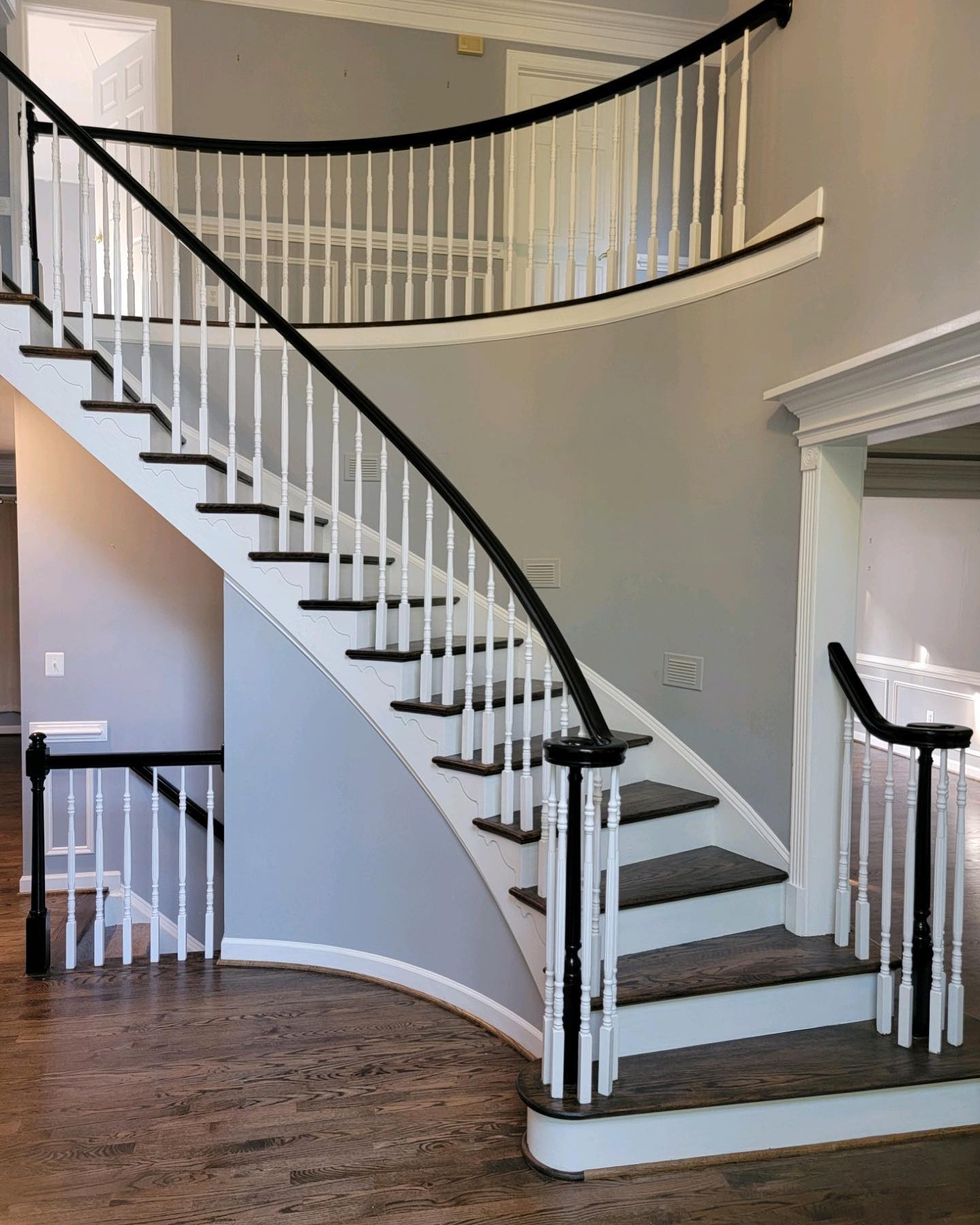
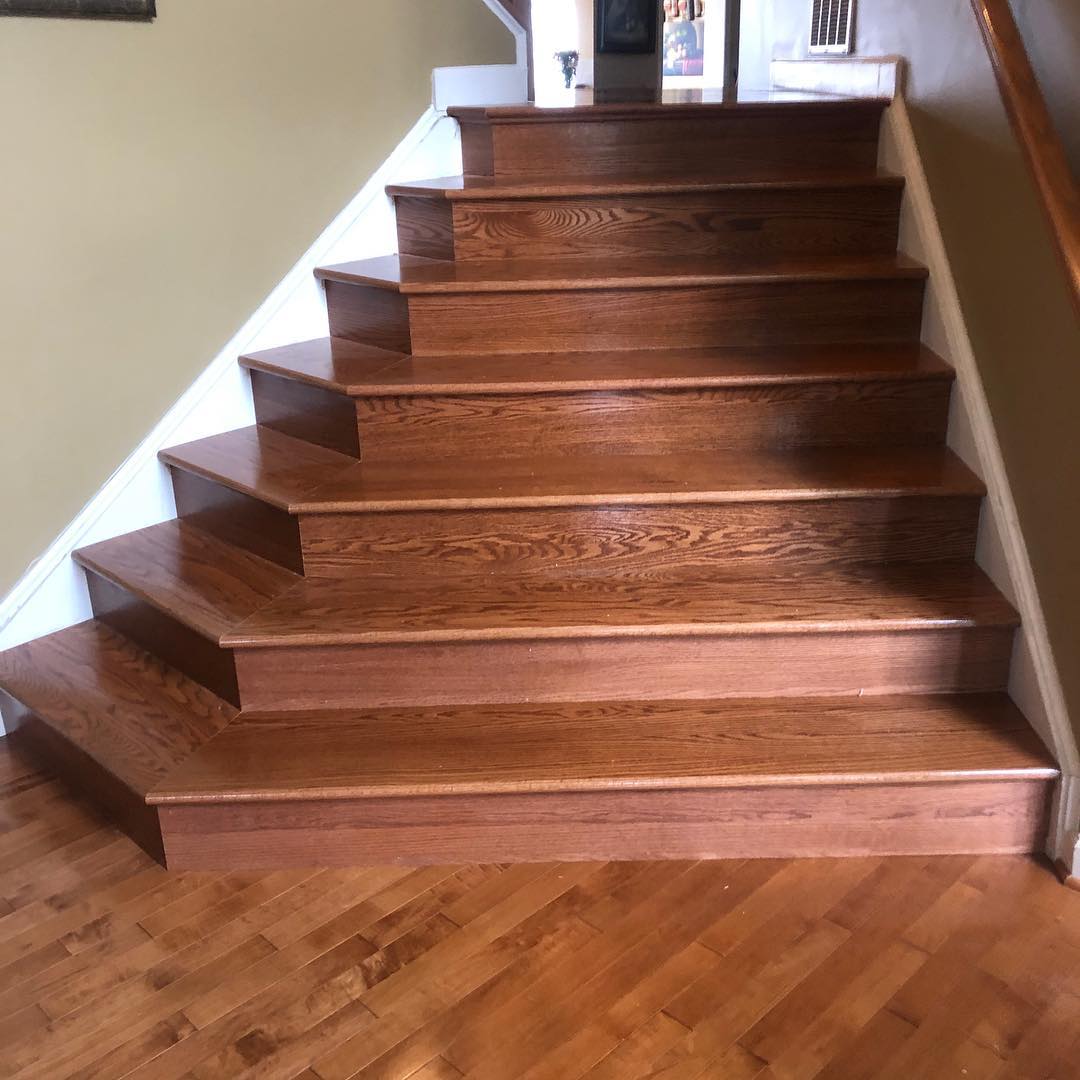

How to Match Your Staircase with the Rest of Your Home’s Flooring
Mastering Stain Coordination: Achieve Harmony Between Your Stairs and Flooring
Matching stairs to flooring can make or break your whole home’s look. If your staircase sticks out like a sore thumb, the rest of your hard work feels off. Getting the right stain coordination, wood species match, and smooth staircase and floor transition creates a cohesive flooring design MD that ties every room together. Let’s break down what you need to know to pull it off without guesswork.
Understanding the Basics of Stair and Floor Coordination
Why Coordination Matters
When you walk through a home where the stairs and floors work together, you might not immediately notice what makes the space feel so put together. But enter a house where the staircase looks completely different from the surrounding floors, and something just feels wrong. Good design isn’t always about what stands out – sometimes it’s about creating such perfect harmony that nothing seems out of place.
The Three Elements of Perfect Matching
Creating that seamless look between your stairs and floors comes down to three main factors: wood species selection, stain color coordination, and transition details. Getting these right means your stairs will look like they’ve always belonged with your floors.
Selecting Compatible Wood Species
Common Woods for Flooring and Stairs
Oak remains the most popular choice for both flooring and staircases because of its durability and versatile grain pattern. Maple offers a smoother, more consistent look, while walnut brings rich, dark tones naturally. Pine is budget-friendly but softer, and exotic woods like Brazilian cherry make bold statements but can be harder to match.
When to Match and When to Contrast
Matching the exact wood species creates the most cohesive look, especially in open-concept homes. However, intentional contrasts can work beautifully too. For example, a walnut staircase with oak floors can look stunning if the stain colors relate well to each other. The key is making sure any difference looks purposeful rather than accidental.
Working with Existing Materials
If you’re keeping your current stairs but replacing floors (or vice versa), you’ll need to work with what you have. Take a sample of your existing material to flooring showrooms to find the closest match, or consider if refinishing both elements might bring them into better alignment.
Mastering Stain Coordination
Color Theory Basics for Wood Stains
Understanding undertones is crucial for matching stairs to flooring. Woods naturally have warm (red/yellow) or cool (gray/blue) undertones. When selecting stains, stay within the same temperature family for the most natural coordination. Remember that the same stain can look completely different on various wood species due to their natural color variations.
Testing Before Committing
Never skip the sample testing phase. Apply potential stains to scrap pieces of both your stair and floor materials. View these samples in different lighting conditions throughout the day, as natural and artificial light dramatically affect how stains appear. This simple step prevents expensive mistakes.
Professional Color Matching Services
Many flooring companies offer color matching services where they can custom-mix stains to coordinate perfectly with existing elements. This service is particularly valuable when working with older stairs or floors that have developed a patina over time that standard stains can’t replicate.
Design Approaches for Cohesive Looks
The Monochromatic Approach
Using the identical wood species and stain for both stairs and floors creates the most seamless look. This approach works particularly well in smaller homes where visual continuity makes spaces feel larger. The monochromatic approach also stands the test of time, rarely looking dated as trends change.
The Complementary Approach
This strategy uses different woods or stains that still work harmoniously together. For example, you might choose a slightly darker stain for stair treads than for your floors, creating subtle definition while maintaining cohesion. This approach adds visual interest while still feeling planned and cohesive.
The Statement Staircase
In some homes, the staircase serves as a focal point. In these cases, a more dramatic contrast can work beautifully. Consider a painted staircase with wood treads that match your flooring, or a completely different wood species that picks up accent colors from elsewhere in your home.
Handling Transitions Between Stairs and Floors
Threshold Techniques
The physical transition where stairs meet flooring requires careful planning. Flush transitions where the flooring material meets the bottom stair without any height difference create the cleanest look. When height differences are unavoidable, custom-milled transition pieces in matching wood help maintain visual flow.
Nosing and Trim Details
Stair nosing (the front edge of each tread) should coordinate with both the stairs and the connecting floor. When possible, use nosing made from the same material as your flooring for the most cohesive staircase and floor transition. Trim details around the staircase, like baseboards and handrail styles, should also complement both elements.
Open vs. Closed Staircases
Open staircases that are visible from multiple angles require more careful coordination than closed staircases hidden behind walls. With open designs, consistency in materials becomes even more important as the stairs are a major visual element in your space.
Practical Considerations Beyond Aesthetics
Traffic Patterns and Durability
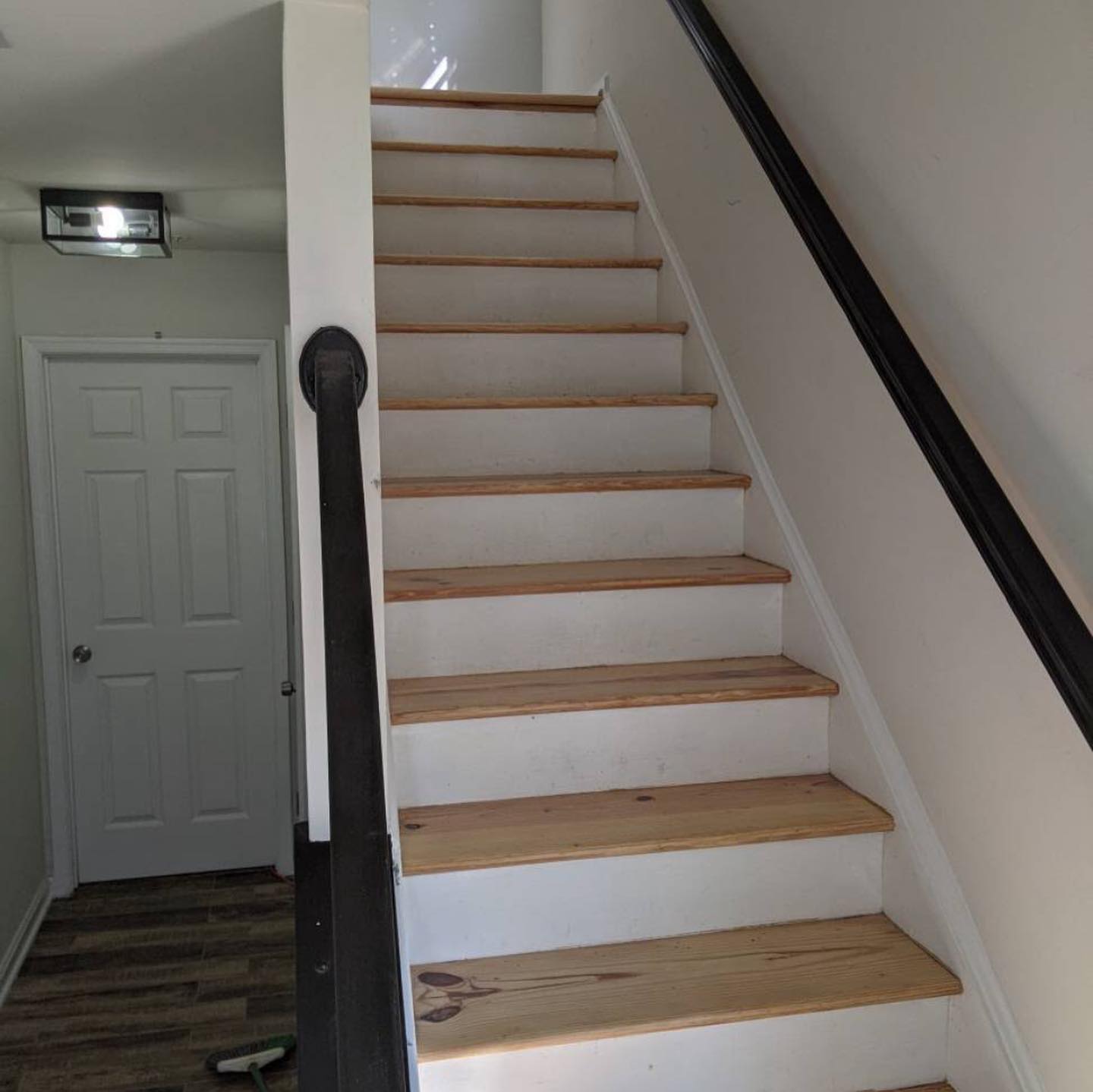
Stairs typically see more concentrated foot traffic than most floor areas. This means you might need more durable materials or finishes for stairs, even if it means slight variations from your flooring. A slightly higher gloss level or extra coats of polyurethane can provide needed protection without compromising the visual match.
Maintenance Realities
Consider how both elements will age and what maintenance they’ll require. Some woods darken naturally over time, while others may lighten with sun exposure. Choosing materials that age similarly helps maintain your cohesive flooring design MD over years of use.
Safety Factors
Stairs must prioritize safety alongside aesthetics. This might mean choosing slightly different finishes to ensure proper traction, adding non-slip treatments, or incorporating visual cues like contrasting risers to improve visibility. These safety elements can be incorporated while still maintaining overall design harmony.
Common Mistakes to Avoid
Overlooking Lighting Differences
Stairs often receive different lighting than surrounding floors due to shadows, window placement, or artificial lighting. What looks like a perfect match in the showroom might look completely different in your home. Always test samples in the actual installation location.
Ignoring the Rest of Your Home’s Design
Your stairs and floors don’t exist in isolation. They need to work with your overall interior design, including wall colors, cabinetry, and other wood elements. The most successful matching stairs to flooring projects consider the entire home’s palette.
DIY Pitfalls
While DIY staining can save money, it’s one of the trickiest skills to master. Professional floor finishers have the equipment and experience to ensure even application and proper drying, which is crucial for consistent color. If budget allows, this is an area where professional help often pays off.
Bringing It All Together: A Step-by-Step Process
Assessment Phase
Start by evaluating what you’re working with – existing stairs, floors, or both. Identify the wood species, current finishes, and any damage that needs repair. Take photos in different lighting conditions to help with planning.
Design Planning
Create a clear plan for how your stairs and floors will work together. Collect samples, create mood boards, and consider the overall flow of your home. This planning phase is crucial for achieving a cohesive flooring design MD.
Professional Consultation
Even if you plan to do some work yourself, a consultation with a flooring professional can help identify potential issues and confirm your design choices. Many flooring stores offer this service for free or at minimal cost.
Implementation with Patience
Rushing the process leads to mistakes. Allow proper time for staining, drying, and applying protective finishes. Remember that some products require specific temperature and humidity conditions to cure properly.
When to Call the Professionals
Complex Situations
If your project involves curved stairs, unusual wood species, or significant structural changes, professional help becomes even more valuable. The same applies if you’re trying to match new materials with antique or custom elements.
The Cost-Benefit Analysis
While professional installation costs more upfront, it often saves money in the long run by avoiding expensive mistakes. It also typically comes with warranties that DIY work doesn’t have.
Finding the Right Help
Look for specialists in staircase renovation rather than general contractors. Ask to see examples of previous stair and floor matching projects they’ve completed, and check reviews specifically mentioning how well they handled coordinating different wood elements.
Maintaining Your Coordinated Look
Regular Care Routines
Develop a maintenance schedule that treats both your stairs and floors with similar products. Using different cleaning systems can cause finishes to age differently over time.
Addressing Wear and Damage
Address any damage promptly to prevent it from becoming more noticeable. Keep extra stain on hand for touch-ups, and document the exact products used during installation for future reference.
Planning for Future Updates
As your home evolves, keep your stair and floor coordination in mind. New furniture, rugs, or wall colors can affect how your wood tones appear. The goal is maintaining that cohesive look even as other elements change.
Inspiration for Your Project
Classic Combinations That Always Work
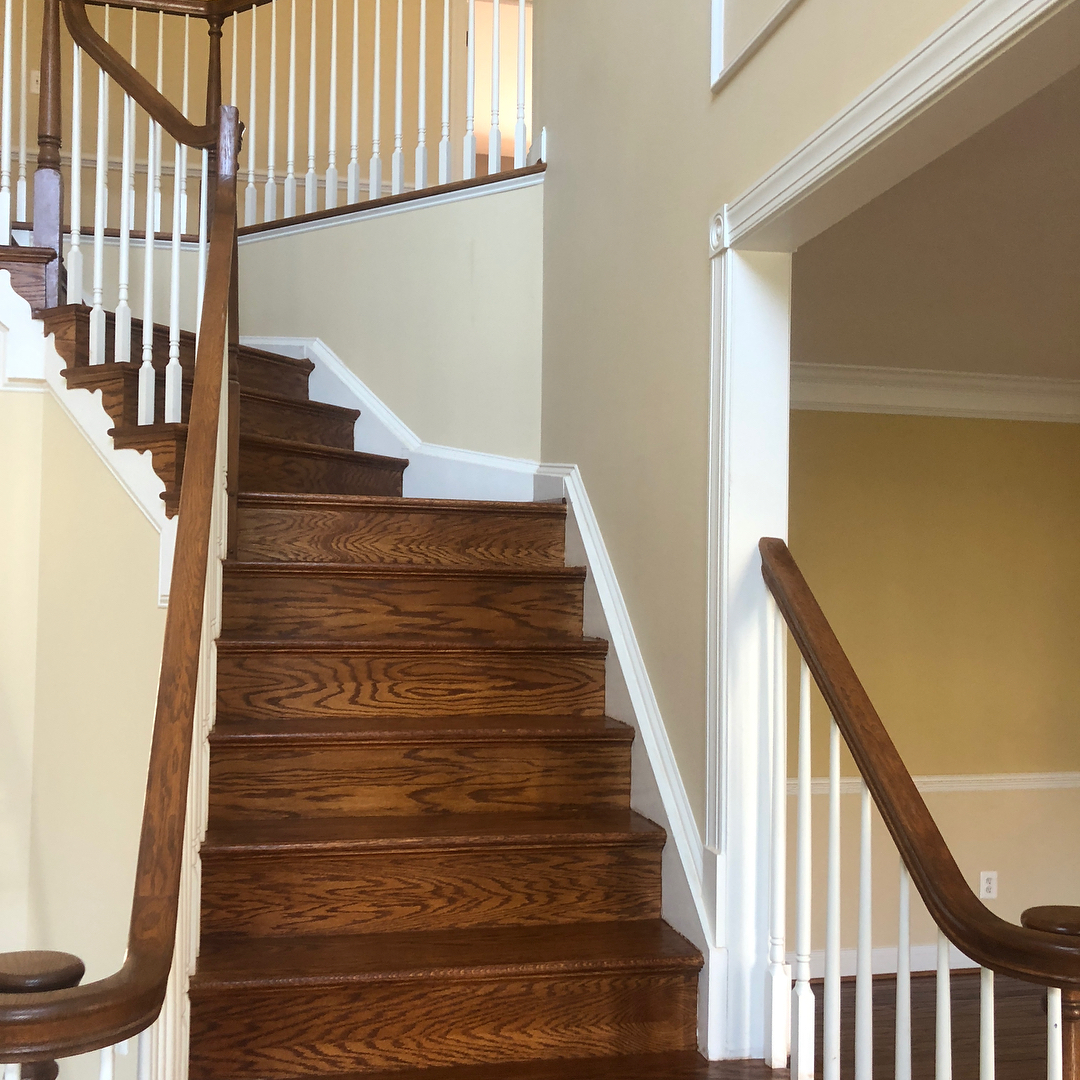
Some pairings have stood the test of time: white oak floors with slightly darker oak stairs, walnut floors with walnut stairs in the same finish, or maple floors with maple stair treads and white risers for a traditional look.
Modern Trends Worth Considering
Current trends include mixing wood with painted elements, using the same wood throughout but in different patterns (like herringbone floors with straight-grain stair treads), or incorporating metal or glass elements while maintaining wood coordination.
Regional Influences
Different regions have distinct preferences in wood species and finishes. Coastal areas often favor lighter tones, mountain regions tend toward rustic looks, and urban areas frequently embrace more contemporary contrasts. Consider what works in homes similar to yours in your area.
Creating perfect harmony between your stairs and floors isn’t just about aesthetics – it’s about making your home feel complete and thoughtfully designed. With careful planning and attention to detail, your staircase and floor transition can become a seamless element that enhances your entire home rather than calling attention to itself. The time invested in getting this coordination right pays dividends in the finished look and feel of your space.
Contact Us
Fill out the form below and an AG Construction representative will contact you soon.
Contact Us Today


Maryland’s Premier Flooring Company
full-service flooring contractor
Whether you own a home or business, we’re your single source for complete flooring installation services! Our comprehensive services include:
- Hardwood staining, sanding, refinishing, restoration, and more!
- Carpet removal and installation
- Vinyl luxury plank replacement and installation
- Vinyl tile and COREtec installation
- And more!