

back to blog

How to Save Your Historic Maryland Floors: Refinishing vs. Restoration
Preserving Your Historic Maryland Floors: Refinishing vs. Restoration
Most people think sanding and staining Maryland floors is a quick fix. But when your home’s character hangs on every plank, the wrong choice can cost you decades of history. This guide breaks down historic floor restoration MD, showing when hardwood refinishing Frederick MD works—and when restoring original parquet floors is the smarter move.
Understanding Your Historic Maryland Floors
The Value of Original Flooring
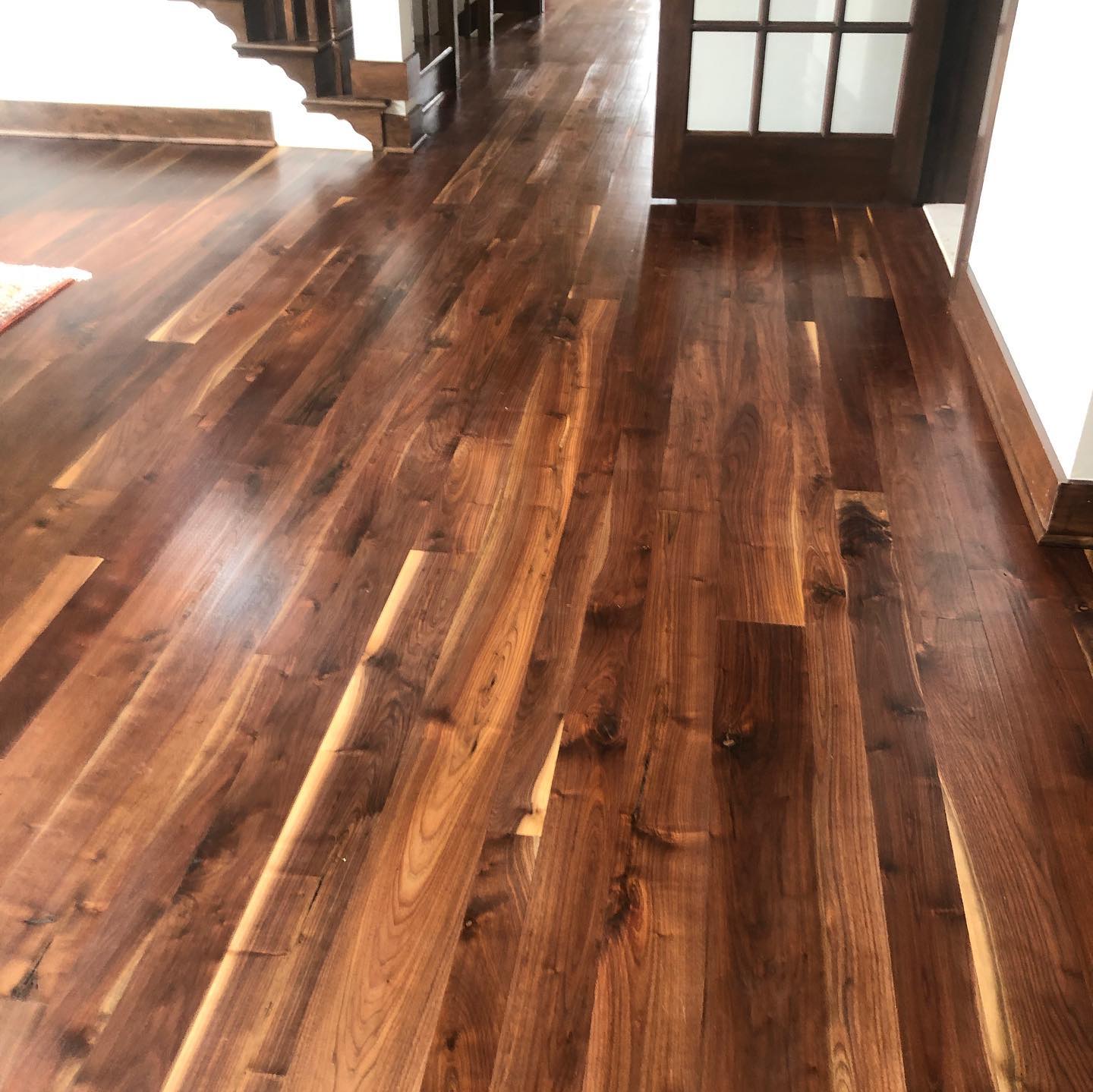
When you own a historic home in Maryland, those old wooden floors beneath your feet aren’t just building materials – they’re storytellers. Original flooring from the 18th, 19th, or early 20th century represents craftsmanship that simply doesn’t exist in modern construction. Each board was likely cut from old-growth timber, featuring tight grain patterns and natural durability that new wood can’t match.
Common Historic Flooring Types in Maryland
Maryland’s historic homes showcase several distinctive flooring styles:
Heart Pine: Common in Colonial and Federal-era homes, especially in Baltimore and Annapolis
Oak: Prevalent in Victorian and early 20th-century homes throughout Frederick and surrounding areas
Chestnut: Found in pre-1900s farmhouses before blight nearly wiped out American chestnut trees
Parquet and Inlay Floors: Featured in more ornate homes, with geometric patterns that require specialized restoration techniques
Signs Your Floor Needs Attention
Look for these warning signs that your historic floor needs professional care:
Widespread cupping or warping
Loose or squeaky boards
Excessive gaps between planks
Gray or black discoloration (potential water damage)
Brittle, splintering wood
Previous repairs that don’t match the original
Refinishing vs. Restoration: Understanding the Difference
What is Floor Refinishing?
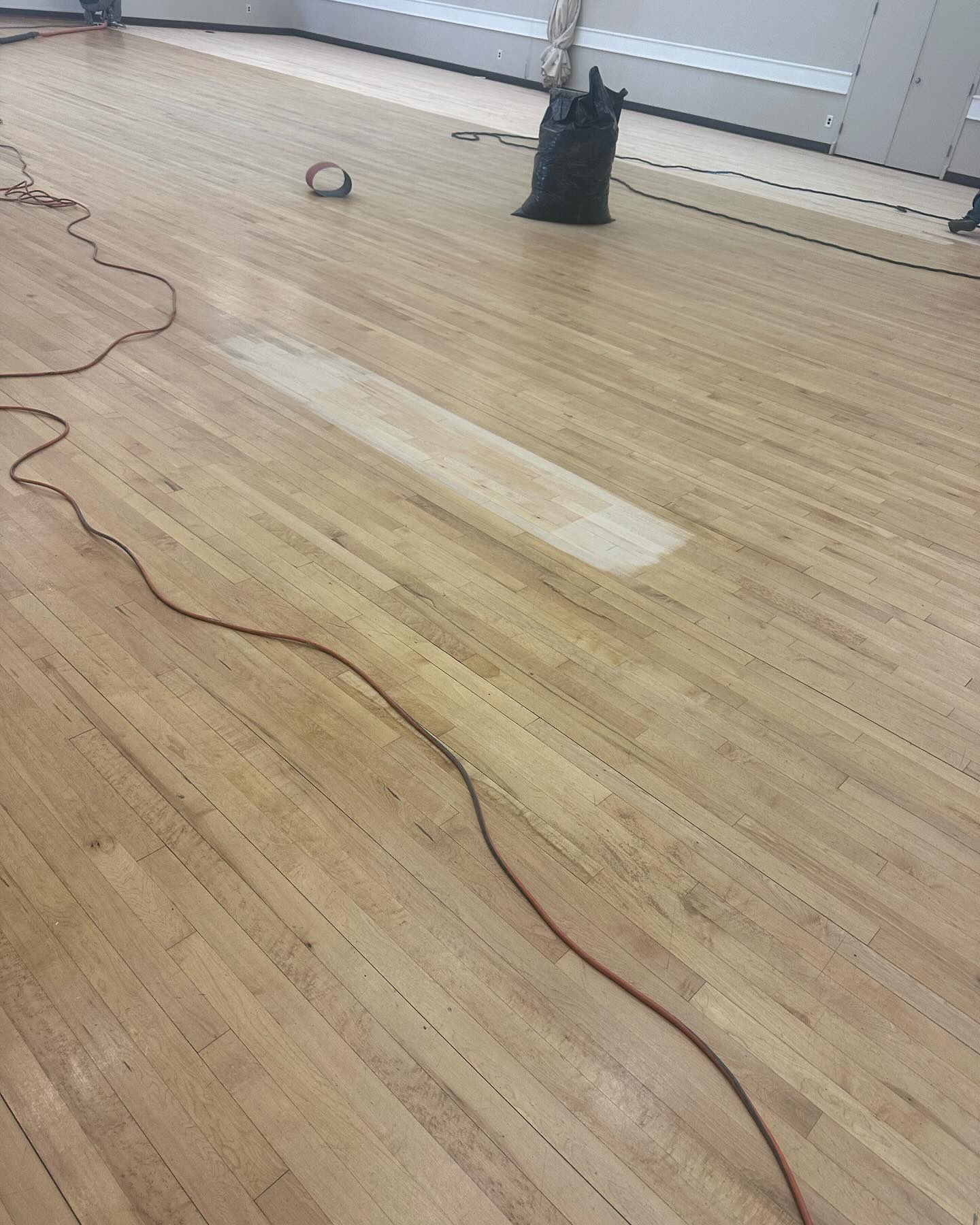
Floor refinishing typically involves sanding away the top layer of wood to remove damage, stains, and old finishes. The process continues with staining (if desired) and applying new protective coatings. For hardwood refinishing Frederick MD specialists often recommend this approach for floors that:
Are structurally sound
Have enough wood thickness to withstand sanding
Don’t have significant historical value
Have been previously refinished with modern methods
What is Floor Restoration?
Historic floor restoration MD takes a more conservative approach. Rather than removing significant wood material, restoration focuses on:
Repairing damaged sections with period-appropriate materials
Cleaning and gently removing built-up grime
Preserving original patina and character marks
Using traditional finishes like tung oil or shellac
Maintaining historical authenticity
This approach is particularly important when restoring original parquet floors, where pattern preservation is crucial.
When to Choose Refinishing
Modern Floors in Historic Homes
Not every floor in an old house needs museum-quality treatment. If your floors were installed after 1950 or have been aggressively refinished multiple times, standard refinishing might be appropriate.
Severely Damaged Floors
Sometimes damage is too extensive for pure restoration. If your floors have:
Extensive water or insect damage
Previously been covered with carpet and adhesives
Multiple layers of paint or other coatings
Been patched with obviously modern materials
Then floor sanding and staining Maryland services might be your best option to create a fresh, functional surface while still honoring your home’s character.
Budget Considerations
Full restoration typically costs more than basic refinishing because it requires specialized knowledge and often involves board replacement with reclaimed materials. If budget constraints are significant, a careful refinishing with period-appropriate finishes can be a reasonable compromise.
When to Choose Restoration
Truly Historic Floors
If your home dates back to the 19th century or earlier and still has its original flooring, restoration should be your first consideration. These floors have survived generations and deserve preservation rather than replacement.
Rare Wood Species
Many historic Maryland homes contain wood species that are now rare or protected. Heart pine from 200+ year-old trees, American chestnut, and old-growth oak are irreplaceable. Restoration preserves these materials rather than sanding away their history.
Decorative Patterns
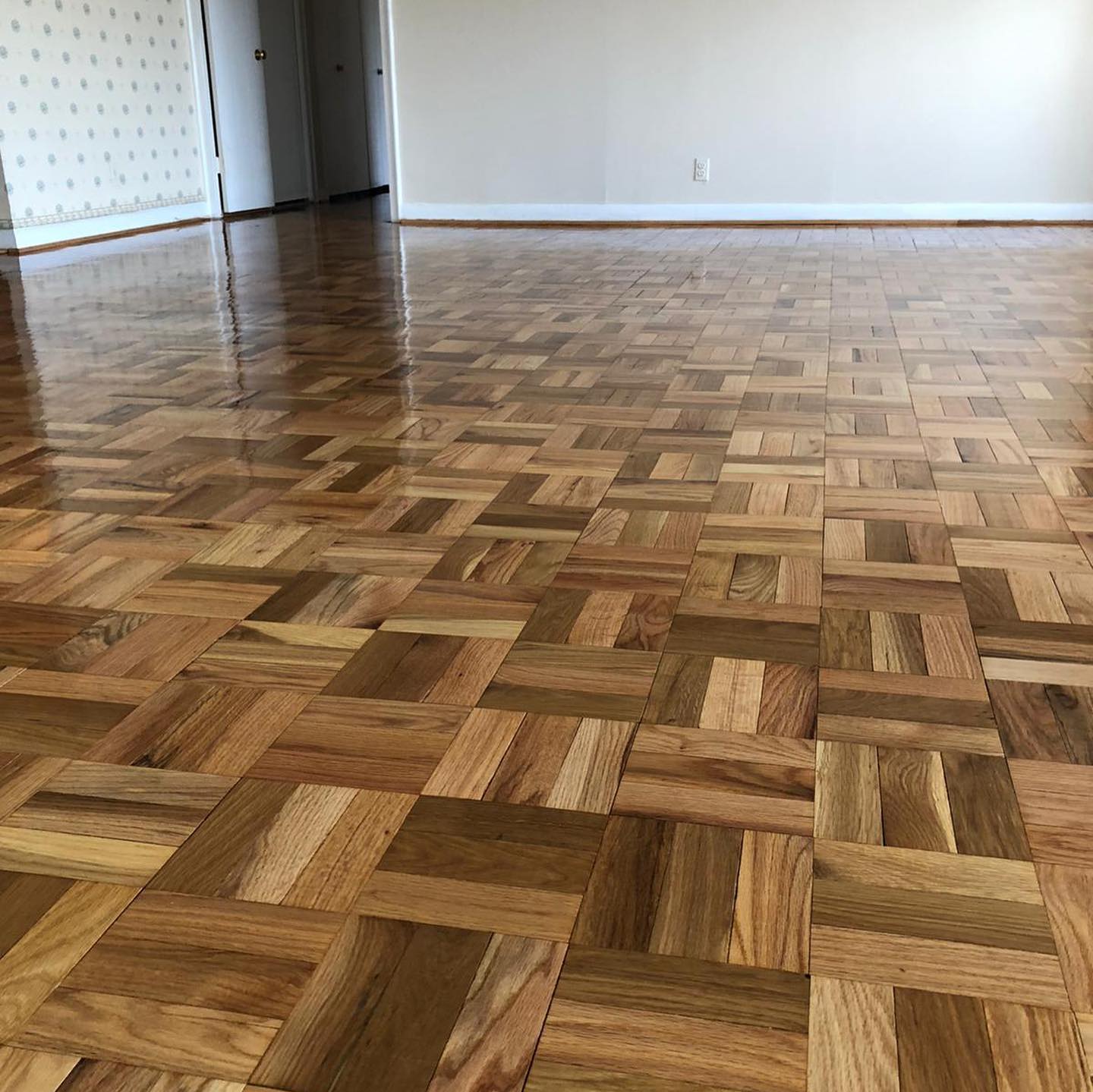
For homes with inlay borders, parquet patterns, or other decorative elements, restoration is almost always the right choice. Restoring original parquet floors requires specialized techniques that preserve the intricate designs that give your home its unique character.
The Historic Floor Restoration MD Process
Assessment and Documentation
A quality restoration begins with careful examination and documentation of your floor’s condition, materials, and historical significance. This includes:
Identifying original vs. replacement boards
Testing for structural integrity
Documenting existing finishes
Creating a detailed restoration plan
Cleaning and Repair
The next phase focuses on gentle cleaning and targeted repairs:
Removing built-up dirt and grime with appropriate cleaners
Fixing loose boards and stabilizing the subfloor
Replacing damaged sections with reclaimed wood of the same species and age
Addressing structural issues that might affect the floor’s longevity
Finish Selection and Application
The final stage involves selecting and applying finishes that protect while honoring historical authenticity:
Traditional oil finishes for pre-1900 floors
Shellac for Victorian-era homes
Early varnishes for early 20th century floors
Wax top coats for added protection and period-appropriate sheen
The Hardwood Refinishing Frederick MD Approach
Modern Refinishing with Historic Sensitivity
Even when full restoration isn’t possible, refinishing can be done with historical sensitivity. The process typically includes:
Careful Sanding Techniques
Professional floor sanding and staining Maryland services that specialize in older homes will:
Use the minimum necessary sanding to preserve wood thickness
Employ dust containment systems to protect your home
Take extra care around edges, corners, and decorative elements
Sand with progressively finer grits for optimal smoothness
Staining Considerations
When selecting stains for historic floors:
Consider colors that would have been available when your home was built
Test in inconspicuous areas first
Remember that many historic floors weren’t stained at all, just finished with clear coatings
Avoid trendy colors that will quickly date your renovation
Appropriate Finishes
Even with refinished floors, you can choose finishes that respect your home’s age:
Water-based polyurethanes with low sheen for a less plastic look
Oil-modified finishes that provide more depth
Hardwax oils that allow for spot repairs without full refinishing
Maintaining Your Historic Floors
Daily Care
Once your floors are restored or refinished:
Use soft-bristle brooms and microfiber mops for cleaning
Place felt pads under furniture
Use area rugs in high-traffic areas (with non-slip pads that won’t damage finishes)
Clean spills promptly but gently
Long-Term Preservation
To extend the life of your investment:
Maintain stable indoor humidity (30-50%)
Schedule regular professional maintenance
Address any water leaks or moisture issues immediately
Reapply wax or maintenance oils as recommended by your flooring professional
Finding the Right Professional
Questions to Ask
When interviewing companies for historic floor restoration MD or hardwood refinishing Frederick MD:
What experience do you have with homes from my property’s era?
Can you provide examples of similar projects?
Do you use period-appropriate materials and techniques?
How will you handle unexpected issues that arise?
What steps will you take to protect other historic elements in my home?
Red Flags
Be cautious of professionals who:
Immediately recommend complete sanding without examining the floors carefully
Don’t discuss the historical value of your floors
Can’t explain the differences between restoration and refinishing
Suggest trendy treatments that don’t match your home’s period
Don’t have references from other historic property owners
Case Studies: Maryland Historic Floor Projects
Federal-Era Townhouse in Baltimore
A 1790s townhouse in Fells Point featured original wide-plank pine floors covered by multiple layers of paint and linoleum. Rather than aggressive sanding, the restoration team:
Carefully removed later coverings
Cleaned the original wood with appropriate solvents
Replaced only severely damaged boards with reclaimed pine of the same era
Finished with traditional linseed oil and wax
The result maintained the floors’ gentle undulations and centuries of patina while making them functional for modern living.
Victorian Home in Frederick
A Queen Anne Victorian built in 1888 required a combined approach. The main parlor featured intricate parquet borders that needed true restoration, while secondary bedrooms had simpler oak flooring that could withstand careful refinishing.
For the parquet areas, restoring original parquet floors involved:
Stabilizing loose pieces
Recreating missing elements with salvaged materials
Gentle cleaning rather than sanding
Applying shellac and wax finishes
The bedroom floors received hardwood refinishing Frederick MD specialists recommended:
Light sanding to remove damage
Staining to match the original color
Finishing with oil-modified polyurethane in a satin sheen
Farmhouse in Rural Maryland
A 1850s farmhouse near Hagerstown featured wide chestnut planks that had been covered by carpet for decades. The floor sanding and staining Maryland approach included:
Removing carpet and adhesives
Repairing damaged sections with reclaimed chestnut
Light sanding to even the surface while preserving character marks
Finishing with tung oil to enhance the wood’s natural beauty.
Contact Us
Fill out the form below and an AG Construction representative will contact you soon.
Contact Us Today


Maryland’s Premier Flooring Company
full-service flooring contractor
Whether you own a home or business, we’re your single source for complete flooring installation services! Our comprehensive services include:
- Hardwood staining, sanding, refinishing, restoration, and more!
- Carpet removal and installation
- Vinyl luxury plank replacement and installation
- Vinyl tile and COREtec installation
- And more!