

back to blog
Laminate vs. Luxury Vinyl Plank (LVP): Which is Better for Maryland’s Climate?
When it comes to upgrading your home’s interior, selecting the right flooring is one of the most significant investments you can make. For budget-conscious homeowners who desire the timeless, elegant look of natural hardwood without the premium price tag or extensive maintenance, the market generally offers two leading alternatives: Laminate and Luxury Vinyl Plank (LVP).
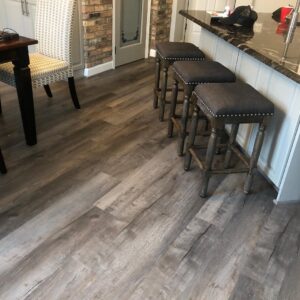
While both options have evolved dramatically over the last decade, featuring ultra-realistic high-definition wood imagery and textured surfaces, they are fundamentally different materials. The debate of laminate vs LVP is common, but for residents in the Mid-Atlantic region, the decision goes beyond mere aesthetics. Maryland’s unique geographical location brings a volatile climate, characterized by freezing, dry winters and notoriously hot, humid summers.
In this comprehensive guide, we will break down the structural differences between these two popular flooring materials, analyze how they perform in humid environments, and help you determine which option provides the best long-term return on investment for your Maryland home.
Understanding the Anatomy of Laminate Flooring
To make an informed decision, it is essential to understand how these floors are constructed. Laminate flooring has been a staple in American homes since the late 1990s. It is a synthetic, multi-layer flooring product fused together through a lamination process.
A standard laminate plank consists of four primary layers:
-
The Backing Layer: A bottom layer designed to resist moisture from the subfloor and provide structural balance.
-
The Core Layer: This is the most critical component. The core of a laminate plank is made from High-Density Fiberboard (HDF), which is essentially recycled wood fibers and byproducts compressed tightly with resins.
-
The Design Layer: A high-resolution photographic appliqué that mimics the exact look of wood species like oak, hickory, or maple.
-
The Wear Layer: A clear, tough topcoat made of aluminum oxide that protects the design from scratches, fading, and everyday wear and tear.
The Pros of Laminate: Laminate is highly resistant to surface scratches, making it an excellent choice for homes with large dogs. It is also incredibly cost-effective. The Cons of Laminate: Because the core is composed of wood byproducts, it is inherently susceptible to moisture damage and environmental fluctuations.
Understanding the Anatomy of Luxury Vinyl Plank (LVP)
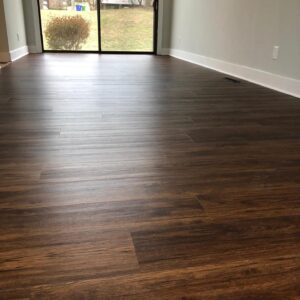
Luxury Vinyl Plank (LVP) is a newer, highly advanced flooring category that has rapidly taken over the home improvement industry. Like laminate, it is constructed in layers and designed to replicate the appearance of natural hardwood. However, the materials used are completely different.
A standard LVP plank includes:
-
The Backing Layer: Often a pre-attached underlayment made of cork or foam, providing sound insulation and underfoot comfort.
-
The Core Layer: Unlike laminate’s wood-based core, LVP features a solid core made of polyvinyl chloride (PVC) or a rigid stone-plastic composite (SPC/WPC). This core is 100% synthetic.
-
The Design Layer: A photorealistic print film of natural wood or stone.
-
The Wear Layer: A clear urethane coating that dictates the floor’s durability.
The Pros of LVP: The synthetic construction makes high-quality LVP entirely waterproof, structurally stable, and highly versatile. The Cons of LVP: Premium LVP can carry a slightly higher upfront cost than entry-level laminate, and lower-quality vinyl can be susceptible to gouging from heavy, sharp objects.
The Maryland Climate Factor: Why Humidity Matters
The primary reason the laminate vs LVP debate is so crucial for local homeowners is the local weather. Maryland experiences extreme swings in humidity. During the summer months, indoor humidity levels can skyrocket, while the winter months bring dry air fueled by central heating systems.
Wood is a hygroscopic material, meaning it absorbs and releases moisture from the air, causing it to expand and contract. Because laminate flooring features a High-Density Fiberboard core made from wood pulp, it reacts to Maryland’s climate much like solid hardwood does. If the humidity is too high, laminate planks can swell, leading to buckling or “cupping” at the seams. If the air is too dry, the planks can shrink, creating unsightly gaps.
Luxury Vinyl Plank, on the other hand, possesses a synthetic rigid core that is practically inert. It does not absorb moisture from the air, meaning it maintains its dimensional stability regardless of the season. For homeowners looking for the best flooring for humidity, LVP stands out as the structurally superior choice, ensuring your floors remain flat, seamless, and beautiful year-round.
Water Resistance vs. Waterproof: The Ultimate Test
Beyond atmospheric humidity, homes are subjected to spills, plumbing leaks, and wet shoes. When shopping for flooring, it is vital to understand the industry distinction between “water-resistant” and “waterproof.”
Most modern laminate floors are marketed as water-resistant. This means the top wear layer can repel a spilled glass of water for a short period. However, if water seeps into the seams between the planks and reaches the HDF core, the wood fibers will act like a sponge. The plank will permanently swell, bubble, and degrade. Laminate should never be installed in full bathrooms, laundry rooms, or damp basements.
Conversely, the synthetic core of Luxury Vinyl Plank is inherently waterproof. If your dishwasher overflows or your basement experiences minor seepage, the LVP planks themselves will not be damaged, warped, or structurally compromised by the water. You can literally submerge a high-quality LVP plank in a bucket of water for days, and it will retain its exact shape and integrity.
For homeowners searching for reliable waterproof floors MD, LVP is the definitive answer, offering peace of mind in every room of the house, including kitchens, bathrooms, and subterranean basements.
COREtec vs Laminate Flooring: A Premium Comparison
When discussing high-end vinyl flooring, the brand COREtec is frequently mentioned as the industry gold standard. Manufactured by USFloors, COREtec pioneered the waterproof rigid core technology. If you are specifically weighing COREtec vs laminate flooring, the distinctions become even more pronounced.
While high-end laminate might offer a highly durable aluminum oxide scratch barrier, COREtec provides an entirely waterproof core combined with an attached cork underlayment. This attached cork backing serves multiple purposes: it naturally resists mold and mildew (a common issue in Maryland basements), provides superior acoustic insulation to eliminate the “hollow” clicking sound often associated with laminate, and adds a layer of warmth underfoot during the cold mid-Atlantic winters.
Furthermore, COREtec and similar premium LVP products are significantly more forgiving of minor subfloor imperfections than rigid laminate planks, streamlining the installation process and reducing labor costs.
Durability and Maintenance for Active Households
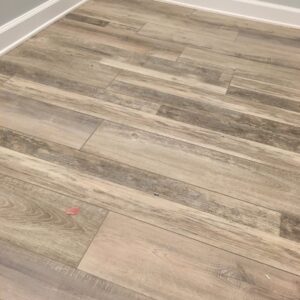
Both laminate and LVP are incredibly durable, but they excel in slightly different areas.
-
Scratch Resistance: Laminate’s aluminum oxide wear layer is incredibly hard, making it exceptionally resistant to surface scratches from pet claws or dragging furniture. LVP is also highly scratch-resistant, though its vinyl composition makes it slightly softer and more susceptible to deep gouges if heavy appliances are dragged across it without protection.
-
Cleaning and Maintenance: LVP is the clear winner regarding maintenance. Because it is waterproof, you can confidently use a damp mop or a steam mop (on specific rigid core lines) to sanitize your floors. Laminate requires strictly dry or slightly damp cleaning methods; excessive moisture from a wet mop can easily damage the seams over time.
Cost Comparison and Return on Investment (ROI)
For the budget-conscious homeowner, initial pricing is a primary driving factor. Generally, basic laminate flooring is less expensive per square foot than premium Luxury Vinyl Plank. If you are simply looking to update a dry, second-story bedroom or a formal dining room on a strict budget, laminate remains a highly attractive, cost-effective option.
However, flooring is a long-term investment. When calculating ROI, one must factor in the lifespan of the material and its versatility. Because LVP is waterproof, it can be installed seamlessly throughout the entire footprint of a home—from the entryway to the kitchen, and down into the basement. This unified, continuous flooring aesthetic is highly sought after by modern homebuyers and can significantly increase your property’s resale value. Furthermore, LVP’s immunity to moisture damage means you are far less likely to face premature replacement costs due to accidental spills or seasonal humidity fluctuations.
Contact Us
Fill out the form below and an AG Construction representative will contact you soon.
Contact Us Today


Maryland’s Premier Flooring Company
full-service flooring contractor
Whether you own a home or business, we’re your single source for complete flooring installation services! Our comprehensive services include:
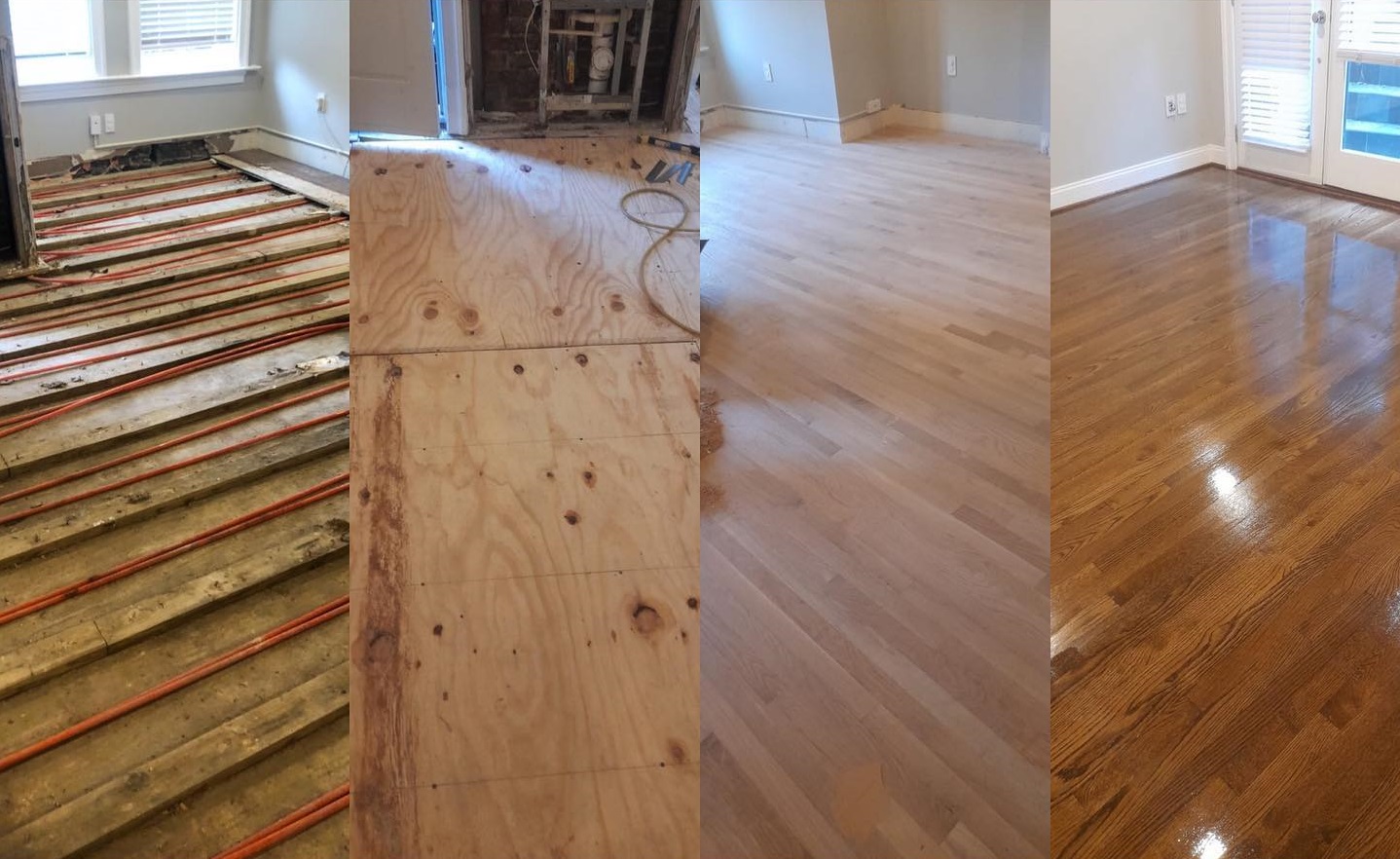
- Hardwood staining, sanding, refinishing, restoration, and more!
- Carpet removal and installation
- Vinyl luxury plank replacement and installation
- Vinyl tile and COREtec installation
- And more!