

back to blog

LVP vs. LVT: What’s the Difference and Which is Right for You?
Luxury Vinyl Plank vs Tile: A Shopper’s Guide to Making the Right Decision
Picking between luxury vinyl plank and tile can feel like decoding a secret language. You’re staring at endless options, unsure what sets LVP apart from LVT or which fits your space best. This guide breaks down the difference between vinyl plank and vinyl tile, helping you choose smartly without second-guessing.
Understanding the Basics: LVP vs LVT
Let’s start simple. When you see LVP vs LVT in flooring stores or online, you’re looking at two members of the same family. Both are luxury vinyl products, but they come in different shapes.
LVP stands for Luxury Vinyl Plank. These are long, narrow pieces that look like hardwood floors. Think of those beautiful wood-look floors you see in model homes.
LVT stands for Luxury Vinyl Tile. These come in square or rectangular shapes, often mimicking ceramic tile, stone, or even unique patterns.
The difference between vinyl plank and vinyl tile really comes down to shape and the look you want to achieve. Both offer the same great benefits like durability and water resistance. The choice depends on your style preferences and room needs.
What Makes Luxury Vinyl Plank Special?
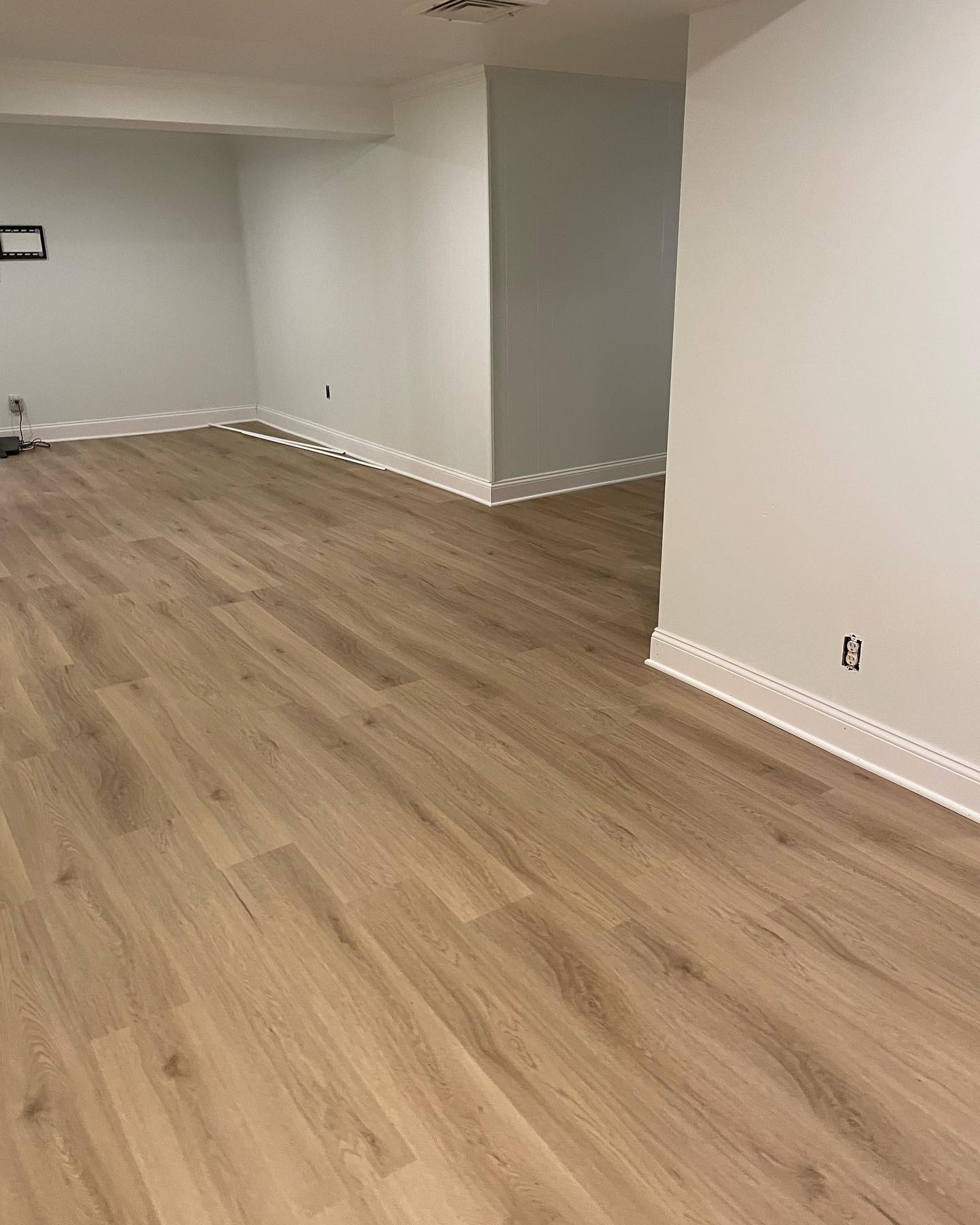
The Wood-Look Appeal
Luxury vinyl plank gives you that warm, natural wood appearance without the high maintenance. You get rich grain patterns, realistic textures, and color variations that make each plank unique.
Sarah, a homeowner from Baltimore, shares: “I wanted hardwood floors but worried about my two dogs and their water bowls. LVP gave me the look I loved with zero stress about spills.”
Installation Flexibility
Most LVP products feature click-lock systems that snap together like puzzle pieces. You can install them over most existing floors, saving time and money on demolition.
Size and Layout Options
Standard planks typically measure 6 to 9 inches wide and 36 to 48 inches long. This size creates natural flow in hallways, living rooms, and bedrooms. The length helps make smaller rooms feel more spacious.
Why Choose Luxury Vinyl Tile?
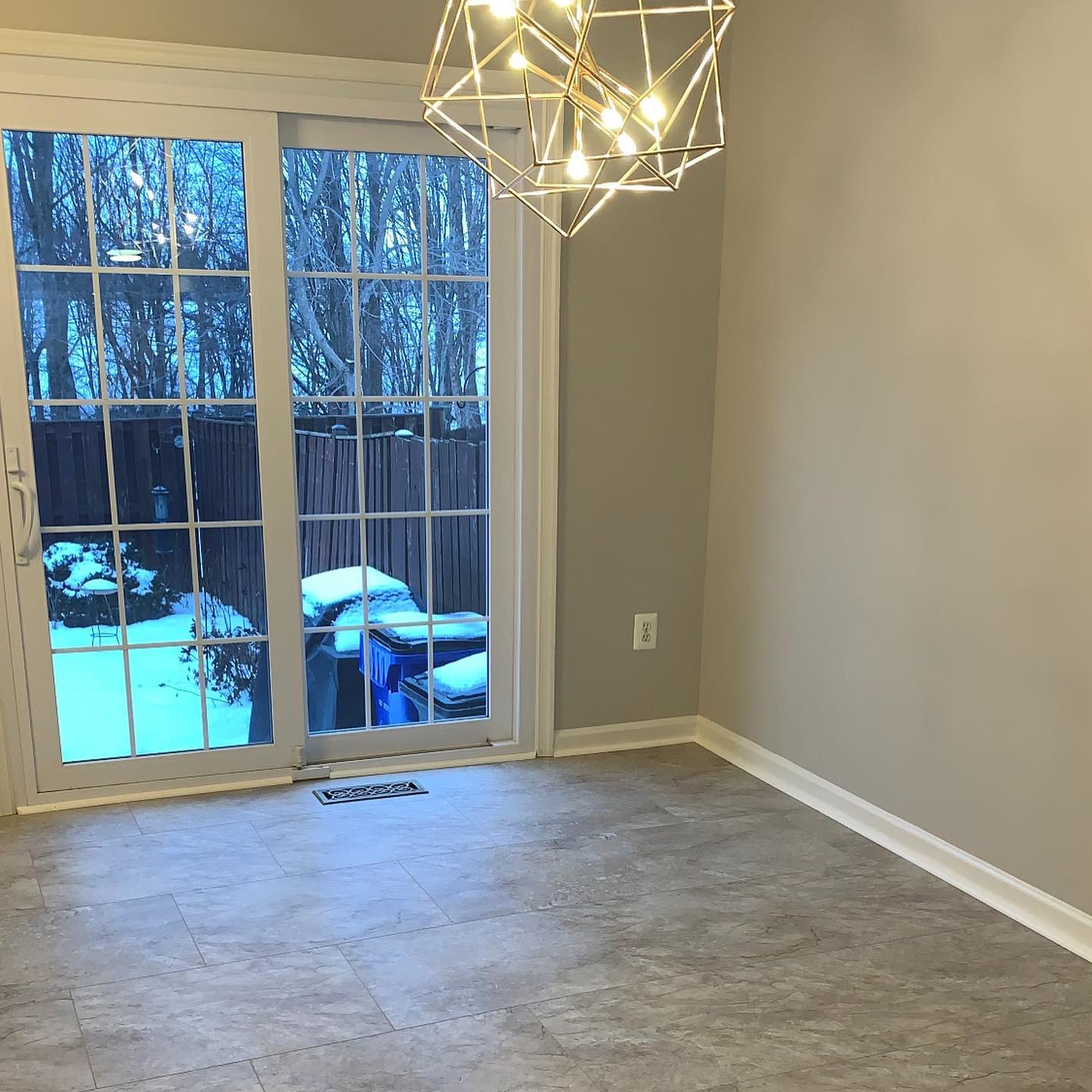
Design Versatility
Luxury vinyl tile opens up a world of patterns and layouts. You can create herringbone designs, checkerboard patterns, or classic grid layouts. Want to mix colors? LVT makes it easy.
Perfect for Specific Spaces
Tile shapes work beautifully in entryways, bathrooms, and kitchens where you want that classic tile aesthetic. Many people choose LVT for mudrooms and laundry areas too.
Smaller Pieces, Easier Repairs
If one tile gets damaged, you can replace just that piece without disturbing large sections of your floor. This makes repairs straightforward and cost-effective.
The Real Difference Between Vinyl Plank and Vinyl Tile
When comparing luxury vinyl plank vs tile, remember that the core construction is often identical. Both typically have these layers:
Wear layer (protects against scratches and stains)
Design layer (the printed image)
Core layer (provides stability and strength)
Backing layer (adds support and sound dampening)
The main distinctions are:
Shape and Size: Planks are long and narrow. Tiles are square or rectangular.
Visual Style: Planks mimic wood. Tiles replicate stone, ceramic, or creative patterns.
Installation Patterns: Planks usually run in one direction. Tiles offer multiple layout options.
Room Suitability: Planks excel in bedrooms and living areas. Tiles shine in bathrooms and kitchens.
Spotlight on Coretec LVT Flooring
Coretec LVT flooring has earned a strong reputation in the vinyl flooring market. This brand offers both plank and tile options with enhanced features.
What sets Coretec apart:
Attached cork backing for better sound absorption
Extra-thick wear layers for high-traffic areas
100% waterproof construction
Wide range of realistic designs
Many contractors recommend Coretec for commercial spaces and busy households because it holds up well over time. The brand offers various collections at different price points, so you can find options that fit your budget.
Waterproof Bathroom Flooring Options MD: Why Vinyl Wins
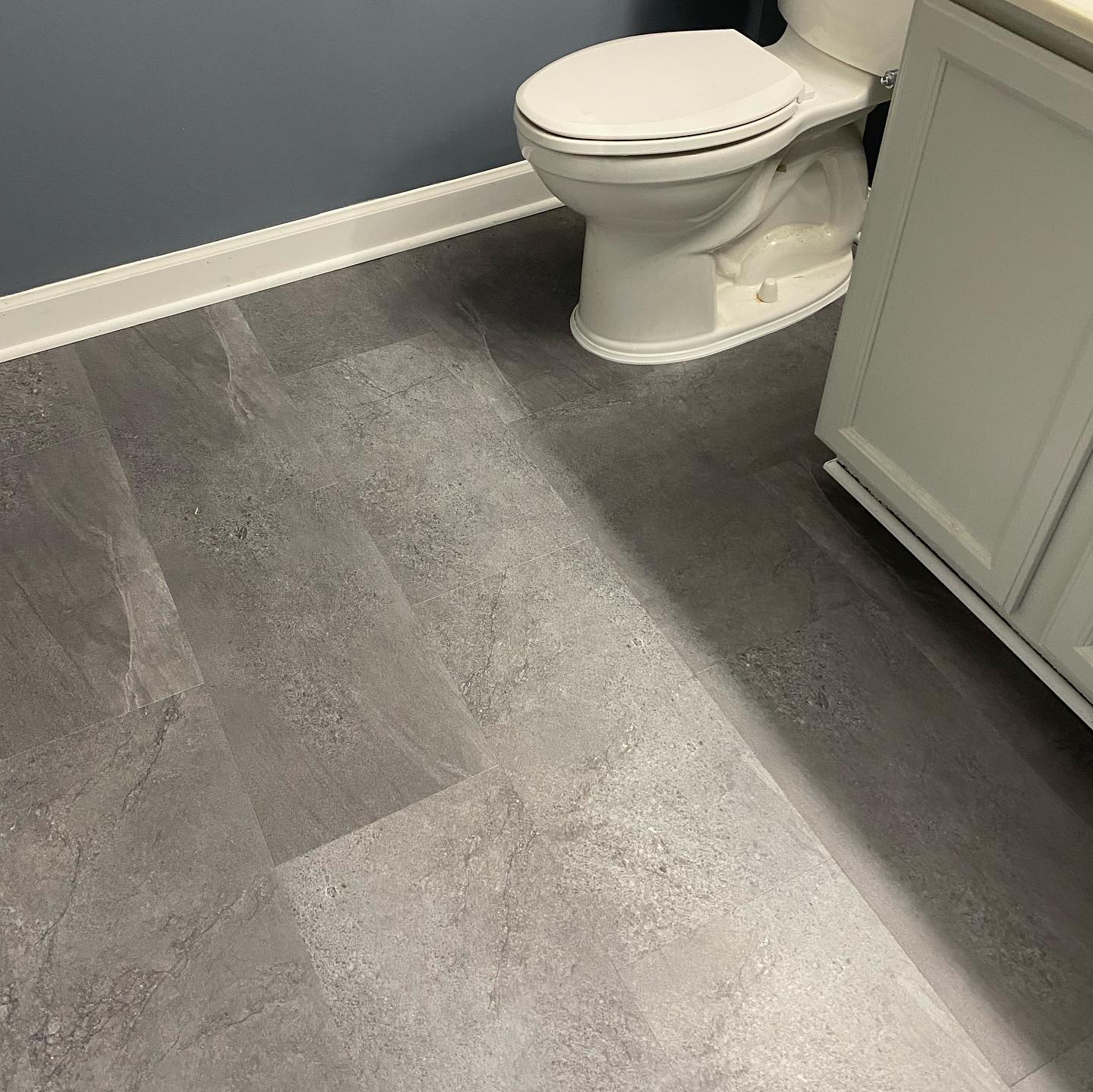
If you’re searching for waterproof bathroom flooring options MD residents trust, vinyl flooring tops the list. Maryland’s humidity and temperature changes can wreak havoc on traditional materials, but vinyl handles it all.
Why Vinyl Works in Bathrooms
Water sits on the surface instead of seeping through. You can mop up spills without worry. Steam from showers won’t cause warping or damage.
Both LVP and LVT work great in bathrooms, but many homeowners prefer the tile look (LVT) for these spaces. It feels more traditional and pairs well with existing bathroom fixtures.
Maryland-Specific Considerations
Maryland homes deal with:
Humid summers that cause materials to expand
Cold winters that make floors contract
Occasional flooding in coastal and low-lying areas
Quality vinyl flooring handles these challenges better than laminate, hardwood, or carpet. The waterproof core stays stable through temperature swings.
Tom, a property manager in Annapolis, notes: “I’ve replaced bathroom floors in 15 rental units with LVT. Zero callbacks about water damage in three years. Tenants love how it looks, and I love that it just works.”
Comparing Costs: LVP vs LVT
Price-wise, luxury vinyl plank vs tile options sit in similar ranges. You’ll find both starting around $2 to $3 per square foot for basic options and climbing to $7 or more for premium products.
Factors affecting cost:
Thickness of the wear layer
Brand reputation
Design complexity
Installation method (glue-down vs. click-lock)
Special features (attached padding, antimicrobial coating)
Installation costs run similar for both types. Professional installation typically adds $1.50 to $4 per square foot depending on your location and project complexity.
Installation: What to Expect
DIY or Professional?
Both LVP and LVT offer DIY-friendly options if you’re handy. Click-lock systems require basic tools and patience. Watch a few tutorial videos, and you’ll get the hang of it.
That said, professional installation guarantees proper subfloor prep, accurate cuts around obstacles, and a finished look that lasts.
Preparation Steps
Before installing either type:
Clean and level your subfloor
Check for moisture issues
Let the flooring acclimate to room temperature (usually 48 hours)
Plan your layout to minimize waste
Time Investment
A 200-square-foot room typically takes a DIYer a full weekend. Professionals can finish the same space in a day or less.
Durability and Maintenance
How Long Will It Last?
Quality vinyl flooring lasts 15 to 25 years with proper care. The wear layer thickness matters most for longevity. Look for products with at least a 12-mil wear layer for residential use, or 20-mil for high-traffic areas.
Daily Care
Maintaining your floor is simple:
Sweep or vacuum regularly
Mop with vinyl-safe cleaner
Wipe up spills promptly
Use furniture pads under heavy items
Place mats at entryways
Avoiding Damage
Vinyl resists most damage, but sharp objects can still scratch it. Dragging furniture or dropping heavy items may leave marks. The good news? Small scratches often blend into the textured surface and become nearly invisible.
Style and Design Choices
Wood-Look Trends
LVP offers stunning wood reproductions in:
Light oak for modern, airy spaces
Rich walnut for traditional elegance
Gray-washed finishes for contemporary style
Reclaimed wood looks for rustic charm
Stone and Tile Looks
LVT brings you:
Marble patterns for luxury bathrooms
Slate textures for earthy kitchens
Geometric designs for bold statements
Terrazzo styles for retro vibes
Mixing and Matching
Some homeowners use LVP in main living areas and switch to LVT in bathrooms and entryways. This creates visual interest while keeping everything waterproof and easy to maintain.
Room-by-Room Recommendations
Living Rooms and Bedrooms
Go with LVP for a warm, inviting feel. The wood-look planks create flow and make spaces feel larger. Choose medium to wide planks for a modern aesthetic.
Kitchens
Either works well here. LVP gives you that farmhouse or contemporary wood vibe. LVT offers classic tile appeal with easier maintenance than real ceramic.
Bathrooms
LVT wins for traditional style, but LVP works if you want continuity with adjacent rooms. Just make sure whatever you choose is 100% waterproof, not just water-resistant.
Basements
Both LVP and LVT handle basement conditions beautifully. They won’t mold, warp, or get damaged by minor moisture. Skip the padding in basements prone to dampness.
Mudrooms and Entryways
LVT’s smaller pieces handle heavy traffic and make repairs easier. Plus, you can create fun patterns that hide dirt between cleanings.
Common Questions Answered
Can I Install Vinyl Over Existing Floors?
Usually, yes. Vinyl can go over:
Concrete
Existing vinyl
Ceramic tile (if level)
Plywood
You’ll need to remove carpet and ensure the surface is smooth and clean.
Does Vinyl Feel Cold?
Vinyl feels warmer than ceramic tile but cooler than carpet. Adding underlayment helps with warmth and sound. Some products come with attached padding for extra comfort.
Will My Pets Damage It?
Vinyl stands up to pets better than hardwood. Nails may leave light scratches over time, but they won’t gouge or dent the surface. Clean up accidents easily without staining or odor absorption.
Is Vinyl Eco-Friendly?
Modern vinyl flooring has come a long way. Look for products with:
Low VOC emissions
Recycled content
FloorScore or GreenGuard certification
Phthalate-free formulations
Some brands offer recycling programs for old flooring.
Making Your Final Decision
When weighing LVP vs LVT for your home, ask yourself:
What look do I want? Wood-look or tile-look?
Where am I installing it? Different rooms have different needs.
What’s my budget? Both offer options at various price points.
Who’s installing it? Some products are easier for DIY than others.
How long do I plan to stay? Investment-grade flooring adds resale value.
Getting Started with Your Project
Ready to move forward? Here’s your action plan:
Measure your space accurately
Order samples of products you like
Live with samples for a few days in different lighting
Get quotes from at least three suppliers or installers
Check reviews and ask for references
Verify warranty coverage
Schedule installation during mild weather if possible
Why Work with Flooring Professionals
Sure, you can tackle this project yourself. But professionals bring value that goes beyond just laying floors:
They spot subfloor issues before they become problems
They have tools that make cuts cleaner and faster
They know local building codes and moisture requirements
They warranty their work
They finish projects on schedule
Jennifer, who renovated her Columbia home last year, shares: “I planned to DIY my kitchen floor but called in pros after seeing the uneven subfloor. Best decision ever. They fixed issues I didn’t know existed and finished in one day. My click-lock tiles look perfect.”
The Bottom Line on Luxury Vinyl Plank vs Tile
Both LVP and LVT offer outstanding value for homeowners and property managers. You get beautiful floors that resist water, wear, and everyday life. The difference between vinyl plank and vinyl tile comes down to aesthetics and application more than performance.
Choose luxury vinyl plank when you want:
Wood-look floors
Long, flowing lines
Modern or traditional wood aesthetics
Choose luxury vinyl tile when you want:
Stone or ceramic looks
Pattern flexibility
Classic tile appeal
For waterproof bathroom flooring options MD homeowners need, both deliver. For kitchens, basements, and living spaces, both perform beautifully.
Products like Coretec LVT flooring prove that vinyl has evolved into a premium flooring category. You’re not settling when you choose vinyl. You’re making a smart choice that balances style, durability, and practicality.
Still not sure which direction to go? That’s completely normal. Flooring is a big decision that affects how your home looks and feels every single day.
Start by ordering samples. See how they look in your space. Feel the texture. Imagine living with each option. The right choice will become clear.
And remember, whether you pick LVP or LVT, you’re choosing a flooring solution that will serve you well for years to come. Both options give you the beauty you want with the performance you need.
Ready to take the next step? Reach out to local flooring experts who can show you options in person, answer your specific questions, and help you create the home you love.
Your perfect floor is waiting. Let’s find it together.
Contact Us
Fill out the form below and an AG Construction representative will contact you soon.
Contact Us Today


Maryland’s Premier Flooring Company
full-service flooring contractor
Whether you own a home or business, we’re your single source for complete flooring installation services! Our comprehensive services include:
- Hardwood staining, sanding, refinishing, restoration, and more!
- Carpet removal and installation
- Vinyl luxury plank replacement and installation
- Vinyl tile and COREtec installation
- And more!