Pet-Friendly Flooring: The Best Options for Active Maryland Families
Top Flooring Options for Pet-Friendly Maryland Homes: A Comprehensive Guide
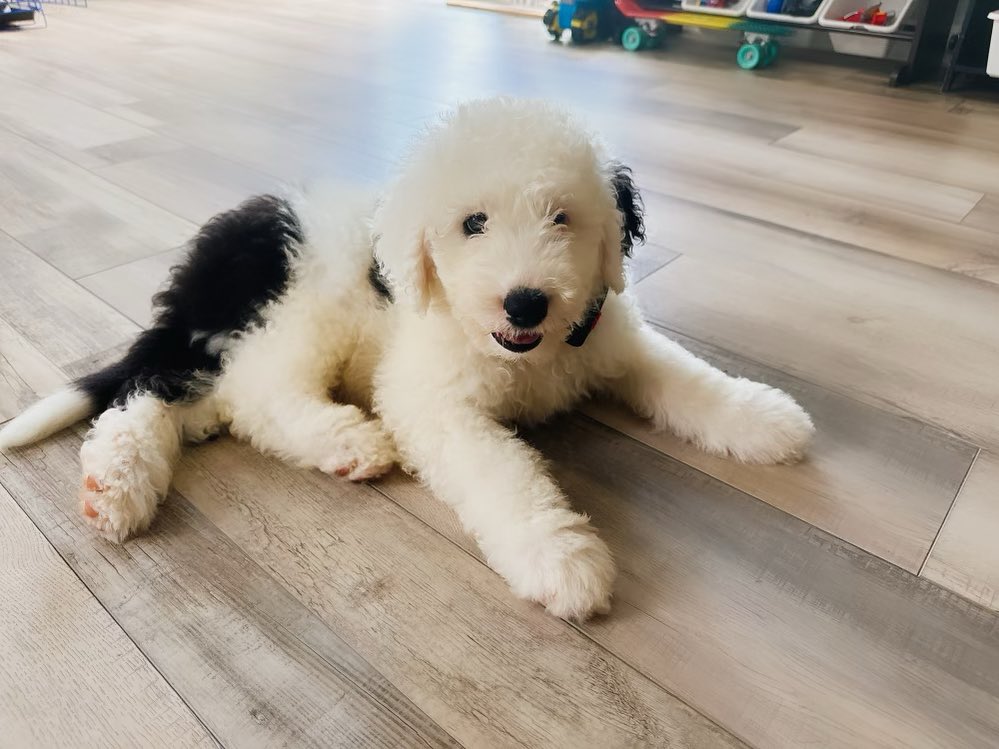
Most floors wear out fast with pets running around. If you’ve tried to find the best flooring for dogs Maryland, you know how tricky it can be to balance durability with easy cleaning. This guide breaks down the top options—from scratch resistant hardwood to waterproof LVP for pets—so your floors stay tough and your family stays happy.
Best Flooring for Dogs in Maryland
Pet owners across Maryland face unique flooring challenges. Between wet paws from rainy walks, nail scratches, and the occasional accident, your floors take a beating. Let’s explore your best options.
Scratch Resistant Hardwood Choices
Hickory and oak top the list for dog-friendly hardwood floors in Maryland homes. These woods rank high on the Janka hardness scale—with hickory scoring 1820 and oak around 1360—making them tough against dog nail traffic.
Pre-finished hardwood with aluminum oxide coating gives you extra protection. This factory-applied finish is 5 times stronger than standard site-finished options, creating a barrier against even the most active dogs. Many Maryland homeowners choose these pre-finished options for high-traffic areas.
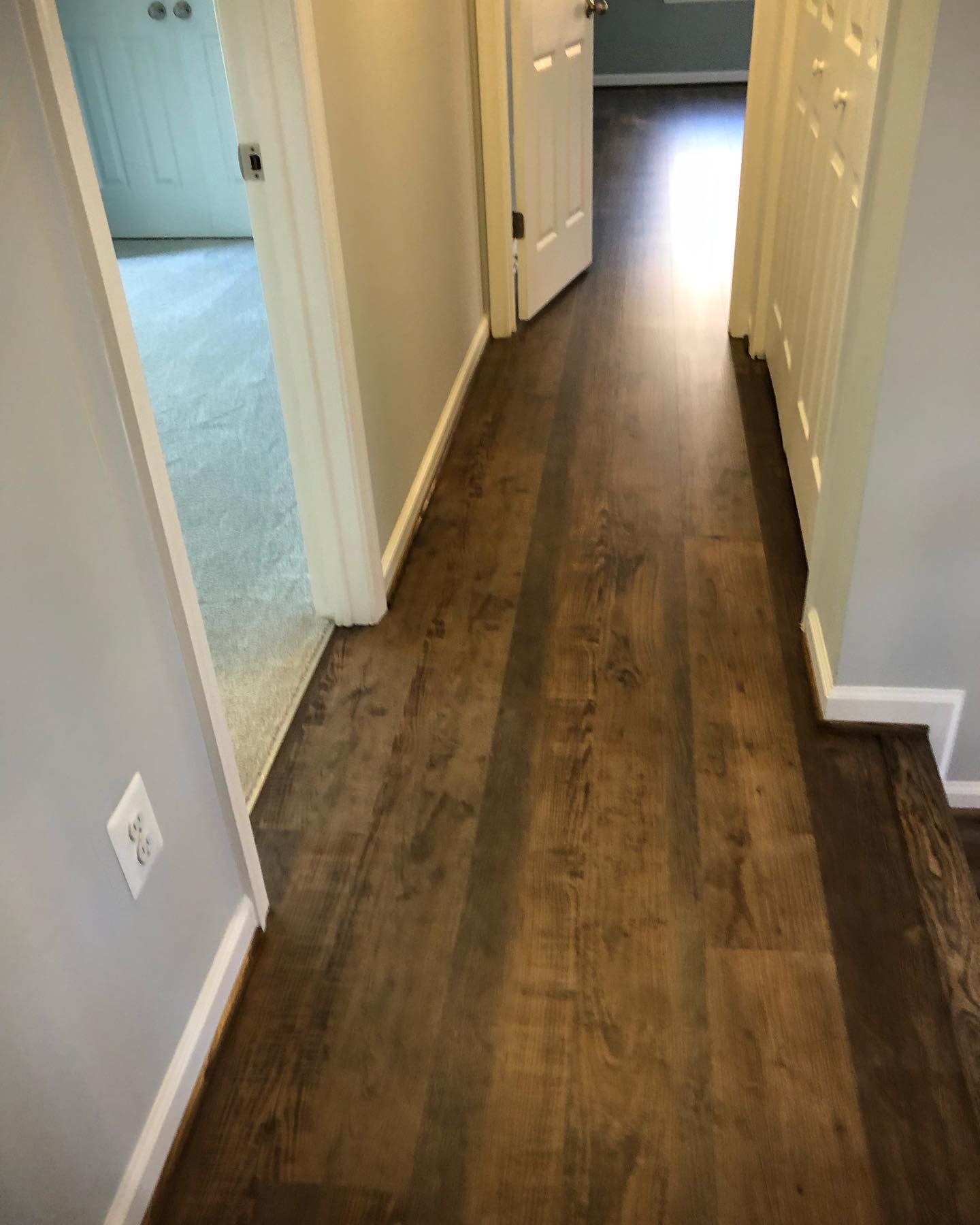
When shopping for scratch resistant hardwood, look for “distressed” or “hand-scraped” styles. These textures hide minor scratches better than smooth finishes, keeping your floors looking fresh longer. Plus, they add character to your Maryland home while serving a practical purpose.
Waterproof LVP for Pets
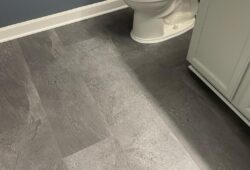
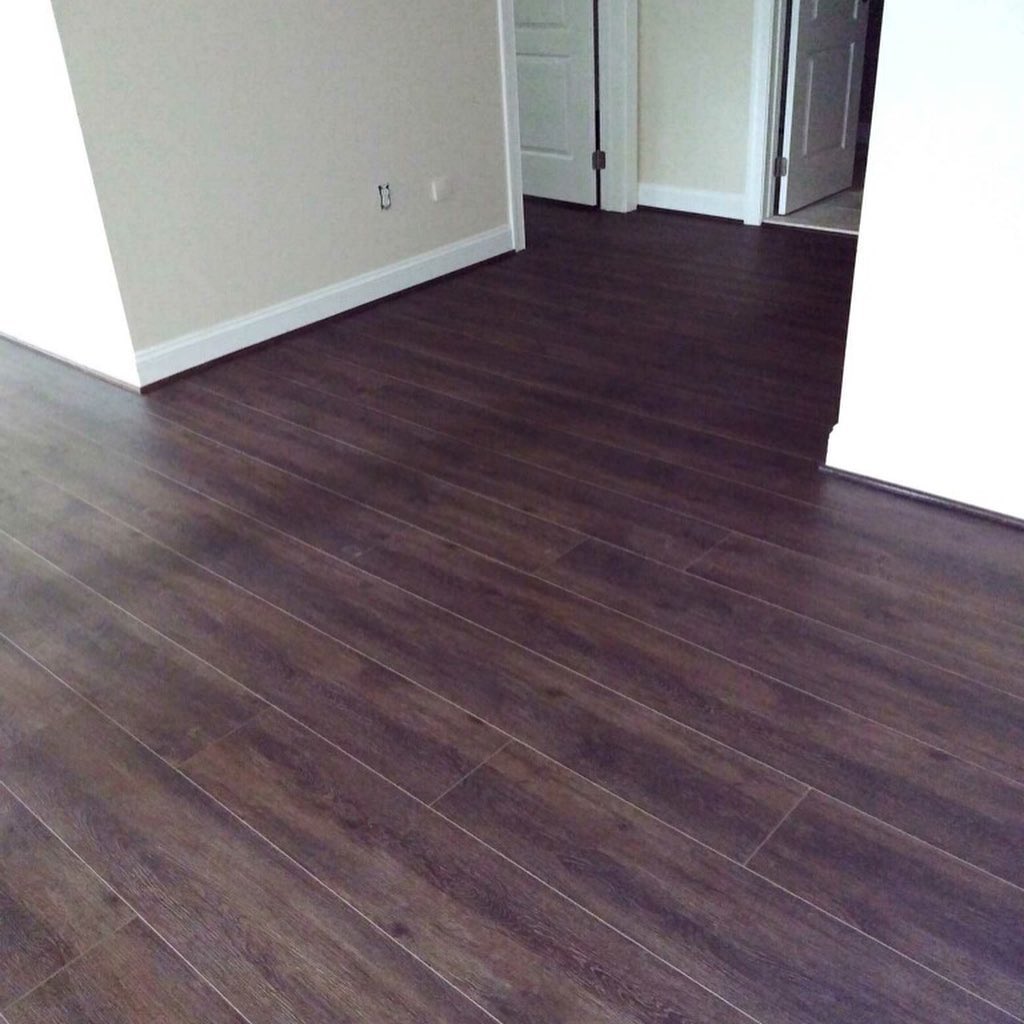
Luxury Vinyl Plank (LVP) has become the go-to choice for Maryland pet owners who need truly waterproof flooring. Modern LVP features a 100% waterproof core that won’t swell or warp when exposed to moisture—perfect for those muddy paw prints after walks around Lake Montebello or Patapsco Valley State Park.
The wear layer is what makes LVP stand out for dog owners. Look for options with a 20-mil wear layer or thicker for maximum protection. This clear top coat shields against scratches, stains, and daily wear from your four-legged friends.
LVP also offers practical benefits beyond durability. It feels warmer underfoot than tile, which matters during Maryland’s cold winters. Many pet owners appreciate how it dampens the sound of clicking dog nails compared to hardwood—a small but meaningful feature when your pup paces at night.
Durable Carpet for Busy Families MD
Not all carpet is a pet disaster waiting to happen. New pet-proof carpet technologies give Maryland families soft options that stand up to furry friends. Look for solution-dyed nylon carpet with built-in stain resistance—the color goes all the way through each fiber, making it highly resistant to fading and stains.
Pet-specific carpet brands now offer waterproof backing systems that prevent accidents from soaking into padding and subfloors. This game-changing feature stops odors from becoming permanent and protects your subfloor from damage. Many Maryland carpet stores now showcase these options prominently.
For homes with multiple pets, consider carpet tiles instead of wall-to-wall installation. If a section becomes damaged beyond cleaning, you can replace just that tile rather than the entire room. This practical approach saves money and hassle for busy Maryland families with active pets.
Evaluating Flooring Durability
Finding truly durable flooring means looking beyond surface appearances. The right choice saves you money and frustration over many years with your pets.
Assessing Longevity Factors
Traffic patterns matter more than overall foot traffic when choosing pet-friendly flooring. Map out where your dogs run most frequently—typically hallways, entries, and paths to windows or doors. These areas need the toughest flooring you can afford.
Sunlight exposure affects flooring lifespan significantly in Maryland homes. South-facing rooms with large windows can cause color fading up to 40% faster than north-facing spaces. Choose UV-resistant options like ceramic tile or high-quality vinyl in these sunny spots.
Consider your dog’s specific habits when evaluating durability. Large breeds with untrimmed nails create different wear patterns than smaller dogs. Active puppies might cause more water spills than senior pets. Match your flooring to your actual pet’s behavior rather than generic recommendations.
The humidity swings in Maryland also impact flooring performance. Our summer humidity can reach 75% while winter indoor air gets dry. This fluctuation causes wood and laminate to expand and contract. Engineered products with multi-directional cores handle these changes better than solid hardwood.
Comparing Maintenance Requirements
Daily cleaning needs vary dramatically between flooring types. Hard surfaces require quick spot cleaning but less deep maintenance. Carpet demands regular vacuuming but hides dust between cleanings. Be honest about your cleaning habits before choosing.
Pet accident response time makes a big difference in floor longevity. Ceramic tile gives you a 24-hour window before staining occurs. Hardwood needs attention within 1-2 hours. Carpet requires immediate action. Pick a floor that matches your lifestyle and availability.
Protection products work differently across flooring types. Polyurethane refresher coats can extend hardwood life by years. Carpet requires professional cleaning every 12-18 months. Vinyl needs no special treatments. Factor these ongoing costs into your total budget when comparing options.
Maryland’s seasonal dirt patterns also affect maintenance needs. Spring pollen, summer mud, fall leaves, and winter salt all threaten your floors in different ways. The best flooring for your home handles your region’s specific seasonal challenges without extra work from you.
Balancing Aesthetics and Functionality
Color choice impacts both style and practicality for pet owners. Medium tones hide dirt and fur better than very light or dark extremes. Wood-look porcelain tile gives you the warm appearance of hardwood with superior durability against pets.
Texture plays a key role in disguising pet wear. Smooth, glossy surfaces show every scratch. Textured finishes like wire-brushed hardwood or low-pile berber carpet mask minor damage while still looking stylish in Maryland homes.
Pattern and grain variations help hide pet traffic patterns. Wide-plank flooring with varied coloration conceals scratches better than narrow, uniform boards. For carpet, choose tweed or flecked patterns rather than solid colors to camouflage shed fur and paw prints.
Think about your whole-home flow when selecting pet-friendly floors. Mixed materials can work well if you plan transitions thoughtfully. Many Maryland homeowners use waterproof LVP in high-traffic pet areas while keeping hardwood in formal spaces—creating both beauty and function.
Top Pet-Friendly Flooring Materials
Each flooring material brings different strengths to pet-friendly homes. Understanding the true pros and cons helps you make choices you won’t regret.
Hardwood vs. Laminate
Hardwood offers long-term value despite its higher upfront cost. While quality hardwood floors cost $8-$15 per square foot installed in Maryland, they can be refinished 3-5 times over their lifespan. This gives you 30+ years of use even with pets.
Site-finished hardwood gives you control over the protective coating. Water-based polyurethane with a satin finish provides the best scratch resistance for homes with dogs. Many Maryland flooring contractors recommend three coats for maximum pet protection.
Laminate costs less initially—typically $3-$7 per square foot installed—but can’t be refinished when damaged. Most laminate lasts 10-15 years in homes with pets before needing replacement. For budget-conscious pet owners, it’s a reasonable mid-term solution.
The core construction makes a critical difference in moisture resistance. High-density fiberboard (HDF) cores perform better than medium-density (MDF) when exposed to pet water bowl spills. Look for laminate with AC4 or AC5 ratings for the best performance with dogs.
Pros and Cons of Vinyl
Luxury vinyl’s main strength is its complete waterproofing. Unlike laminate or hardwood, vinyl planks won’t swell or warp even after standing water from tipped water bowls or accidents. This makes it ideal for Maryland pet owners who want worry-free floors.
The comfort factor matters for both pets and people. Vinyl has more “give” underfoot than ceramic tile, making it easier on your dog’s joints—especially important for older pets. This same quality makes it more comfortable for you during long cooking sessions or household chores.
Installation methods affect vinyl’s performance with pets. Floating click-lock systems allow for easier plank replacement if damage occurs. Glue-down methods provide better stability in very large rooms where pets run and play. Both work well, but match the method to your specific needs.
The downside to vinyl is its environmental impact. Most vinyl flooring isn’t biodegradable and can be difficult to recycle. If eco-friendly options matter to your family, look for brands with recycled content or take-back programs when replacement time comes.
Carpet Considerations for Pet Owners
Face weight and density determine how well carpet stands up to pets. Look for carpet with at least 40-ounce face weight and high density rating. These denser carpets resist crushing from pet traffic and maintain their appearance longer in busy Maryland households.
Fiber type makes a significant difference in pet-friendliness. Nylon offers the best combination of softness and resilience. Polyester costs less but wears faster under dog traffic. Wool provides natural stain resistance but costs significantly more than synthetic options.
Cut pile versus loop pile affects both cleaning ease and snag resistance. Cut pile carpets don’t snag on dog nails but can trap more hair. Loop piles clean easier but may catch and pull if your dog has long nails. Cut and loop patterns offer a middle ground many pet owners appreciate.
Stain protection technology has improved dramatically for pet owners. Look for carpets with built-in protection rather than topical treatments that wear off. Names like Stainmaster PetProtect and Shaw LifeGuard back their pet-friendly claims with solid warranties that cover common pet issues.
Installation and Maintenance Tips
Even the best flooring materials fail without proper installation and care. These practical tips help your floors last through years of pet love.
Choosing Professional Installers
Experience with pet-friendly installations makes a big difference in performance. Ask potential installers about specific techniques they use for homes with pets. Quality contractors will mention details like extra seam sealing for carpet or tighter vinyl plank connections.
Check installer reviews specifically from other pet owners. Look for comments about how floors have held up over time, not just how they looked on installation day. Maryland community Facebook groups often provide honest feedback about local flooring contractors.
Warranty protection varies widely among installers. Some offer labor warranties as short as 90 days, while others guarantee their work for years. Given how pets test flooring limits, longer labor warranties provide valuable protection for Maryland homeowners.
Proper subfloor preparation becomes even more important in pet households. Professional installers should check for and fix any subfloor issues before installation. This prevents future squeaks, movement, and moisture problems that pets can make worse through their activities.
Routine Care for Longevity
Create a simple cleaning schedule based on your flooring type. Hardwood needs dry cleaning daily and wet cleaning weekly. Vinyl can handle wet mopping twice weekly. Carpet requires vacuuming every other day in pet areas. Consistency matters more than intensive occasional cleaning.
Choose pet-safe cleaning products for all flooring types. Harsh chemicals can damage protective finishes while being unsafe for pets who walk (and sometimes lick) your floors. Brands like Bona and Bissell make effective cleaners specifically tested for safety around animals.
Protective strategies extend floor life significantly. Place water-resistant mats under food and water bowls. Use washable runners in high-traffic dog paths. Trim your pet’s nails regularly to minimize scratch potential. These simple habits prevent most common pet-related floor damage.
Seasonal deep cleaning helps address Maryland’s changing conditions. Spring cleaning should focus on removing winter salt residue. Fall maintenance should address mud from rainy weather. Professional services every 12-18 months keep your warranty valid while extending floor life.
Stain and Scratch Solutions
Quick response makes most pet accidents manageable. Keep a stain kit ready with clean white cloths, enzyme cleaner, and appropriate spot treatments for your specific flooring. The first five minutes after an accident often determine whether permanent damage occurs.
Different stains require different approaches. Urine needs enzyme cleaners that break down proteins. Mud responds best to letting it dry completely before vacuuming. Food stains need surfactant-based cleaners. Having the right solution for each common pet mess saves your floors.
Minor scratches can often be repaired without professional help. Hardwood touch-up markers blend away small marks. Vinyl repair kits fill deeper gouges. Carpet fibers can be trimmed to remove snags. Learning these simple fixes saves you money on service calls.
Know when to call professionals. Deep scratches that penetrate hardwood finish, torn vinyl, or carpet damage larger than a quarter typically need expert attention. Most Maryland flooring stores offer repair services or can recommend qualified technicians who specialize in pet damage.
Budget-Friendly Flooring Solutions
Pet-friendly flooring doesn’t have to break the bank. Smart shopping strategies help you protect your home and your wallet.
Cost-Effective Options
Mid-range vinyl plank delivers the best value for most pet owners. Products priced between $3-$5 per square foot offer good wear layers (12-20 mil) and realistic looks without premium pricing. These middle-tier options typically last 15-20 years in homes with pets.
Engineered hardwood costs less than solid hardwood while offering similar benefits. At $6-$9 per square foot installed, quality engineered products with thick wear layers (3mm+) provide the real wood look with better stability in Maryland’s changing humidity levels.
Carpet tiles present a practical alternative to wall-to-wall carpet. At $2-$4 per square foot, they cost slightly more initially but save money long-term since you replace only damaged sections. This targeted approach works especially well in homes with older pets prone to accidents.
Clearance and discontinued flooring can offer exceptional value. The style may be last year’s trend, but the performance remains the same. Many Maryland flooring retailers maintain clearance sections with discounts of 40-60% on quality pet-friendly options.
Finding Deals in Maryland
Local Maryland flooring stores often beat big box pricing on installation packages. While their product prices might be similar, local stores typically include better padding, more thorough prep work, and higher quality transitions in their quotes.
Seasonal sales follow predictable patterns in Maryland. January clearance events offer previous year’s inventory at steep discounts. Summer promotions target homeowners planning renovations. Holiday sales in November feature aggressive pricing to finish yearly sales targets.
Manufacturer rebates add hidden savings opportunities. Major brands like Shaw, Mohawk, and Armstrong regularly offer rebate programs that can return $200-$500 on average-sized flooring purchases. Ask retailers about current rebate programs when shopping.
Floor sample sales provide dramatic discounts on small quantities. These display boards and sample flooring sections work perfectly for small pet areas like mudrooms, laundry rooms, or pet sleeping areas. Maryland flooring showrooms typically clear samples quarterly at 70-90% off retail pricing.
Balancing Quality with Affordability
Focus your budget on high-traffic pet zones rather than treating all rooms equally. Investing in premium flooring for entries, hallways, and main living areas while choosing more budget-friendly options for less-used spaces maximizes your protection where it matters most.
Extended warranties sometimes justify higher upfront costs. Pet-specific warranty coverage that explicitly covers claw marks, accidents, and water damage provides valuable protection. Calculate the per-year cost of the warranty to determine if the premium price delivers true value.
DIY installation can save 20-40% on total project costs for some flooring types. Click-lock vinyl plank and laminate are particularly DIY-friendly. However, carpet and hardwood typically require professional installation for proper performance in pet households.
Phased replacement helps manage costs while protecting your home. Start with the areas most vulnerable to pet damage, then expand to other rooms as budget allows. This strategic approach ensures your most critical spaces get immediate protection without financial strain.