

back to blog

Carpet vs. Hardwood Upstairs: Which is Better for Bedrooms and Hallways?
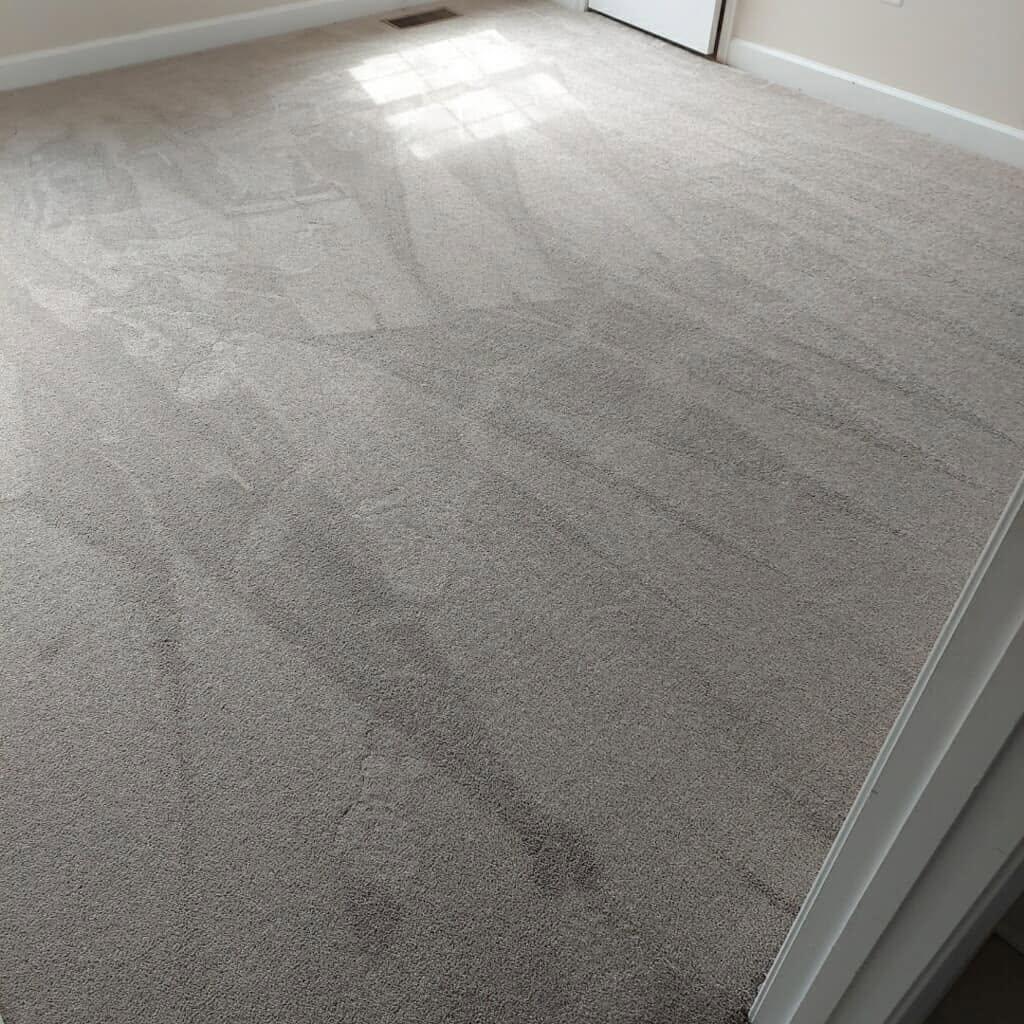
Choosing between carpet and hardwood upstairs isn’t just about looks—it affects your comfort, noise levels, and budget. You’ve probably weighed the pros and cons, but the real question remains: which offers the best flooring for bedrooms and hallways? This guide breaks down carpet vs hardwood upstairs, including bedroom carpet installation tips and the hardwood vs carpet cost Maryland homeowners face, so you can make the right call for your family’s needs.
Understanding Your Upstairs Flooring Needs
When you’re deciding on flooring for your second story, you’re not just picking materials. You’re choosing how your home will feel, sound, and function for years to come. Let’s walk through what matters most when comparing carpet vs hardwood upstairs.
The Comfort Factor in Bedrooms
Your bedroom should be your sanctuary. When your feet hit the floor in the morning, what do you want to feel? Carpet provides that soft, warm cushion that many homeowners love. It’s especially nice during those cold Maryland winters when hardwood can feel like ice under your toes.
Hardwood, on the other hand, offers a clean, open feeling. You can always add area rugs for warmth where you need them. This gives you flexibility to change your room’s look without replacing entire floors.
Sound Control: A Critical Consideration
Here’s something many people don’t think about until it’s too late. If you have kids running around upstairs, or if your bedroom is above your living room, noise matters. Carpet acts as a natural sound barrier. It absorbs footsteps, dropped toys, and everyday movement.
Hardwood amplifies sound. Every step echoes through the floor. While you can add underlayment to help with this, it won’t match carpet’s sound-dampening qualities. For families looking for quiet flooring options, carpet typically wins this category.
Breaking Down the Costs
Let’s talk money. The hardwood vs carpet cost Maryland homeowners see can vary quite a bit based on your choices.
Initial Investment
Carpet generally costs less upfront. You’re looking at $3 to $12 per square foot for materials and installation. That includes padding, which is part of what makes carpet comfortable and quiet.
Hardwood runs higher, typically $8 to $25 per square foot installed. The price jumps based on wood type, finish quality, and installation complexity. Stairs add extra cost for both options, but especially for hardwood.
Long-Term Value Considerations
Here’s where things get interesting. Hardwood can last 50 years or more with proper care. Carpet typically needs replacing every 10 to 15 years, even with good maintenance.
If you’re planning to sell your home, hardwood often appeals to buyers and can boost resale value. That said, many buyers with young children actually prefer carpet in bedrooms for safety and comfort.
The Best Flooring for Bedrooms: What Works for Your Family
Every family is different. What works perfectly for your neighbor might not fit your lifestyle at all.
Families with Young Children
Parents of toddlers and young kids often lean toward carpet. It’s softer when kids fall, quieter when they play, and warmer for sitting on the floor during playtime. One Maryland mom told us, “We switched from hardwood to carpet in the kids’ rooms, and it cut the noise in half. Plus, I don’t worry as much about bumps and bruises.”
Pet Owners
This one’s tricky. Pets can be tough on both surfaces. Hardwood shows scratches from nails, but you can refinish it. Carpet hides scratches but holds odors and stains if accidents happen.
If you have pets, consider your specific situation. Older, well-trained pets? Either works. Puppies or cats who scratch? You might want to wait on new floors or choose the option you’re less attached to.
Allergy Sufferers
Hardwood wins for people with allergies. It doesn’t trap dust, pollen, or pet dander the way carpet fibers do. You can sweep or vacuum and actually remove allergens instead of just stirring them up.
Modern carpets have come a long way with low-VOC options and better materials. If you love carpet but have allergies, look for products certified by the Carpet and Rug Institute’s Green Label Plus program.
Bedroom Carpet Installation: What to Expect
If you’re leaning toward carpet, understanding the installation process helps you plan better.
Choosing the Right Carpet Type
Not all carpet is created equal. For bedrooms, you want something soft but durable enough to handle daily traffic. Plush or textured styles work well. Frieze (twisted) carpet hides footprints and vacuum marks nicely.
The padding matters just as much as the carpet itself. Quality padding extends your carpet’s life and adds to that comfortable feel. Don’t skimp here.
The Installation Timeline
Professional bedroom carpet installation typically takes one day per room for experienced installers. They’ll remove old flooring if needed, prepare the subfloor, install padding, then lay and stretch the carpet.
Plan to stay off the new carpet for a few hours after installation. The whole process is relatively quick and clean compared to hardwood installation.
Finding Quality Installers
Search for “carpet replacement near me” and you’ll find plenty of options. Don’t just go with the cheapest bid. Look for:
Licensed and insured contractors
Clear warranties on materials and labor
Recent reviews from local homeowners
Willingness to answer your questions
A good installer will measure carefully, explain your options, and complete the job without cutting corners.
Hardwood Upstairs: Installation and Maintenance
Hardwood installation is more involved than carpet, but the results can be stunning.
Installation Considerations
Hardwood needs a stable, level subfloor. Your installer will check for squeaks and fix them before laying flooring. This prep work is important and adds to the timeline.
Installation takes longer than carpet, usually several days for multiple bedrooms. The finish needs time to cure, so you might need to stay out of rooms for 24 to 48 hours.
Acclimation Matters
Wood needs to adjust to your home’s temperature and humidity before installation. Your installer will bring materials a few days early and let them sit. This prevents warping or gapping later.
Ongoing Care
Hardwood requires regular sweeping and occasional refinishing. Spills need quick cleanup to prevent water damage. You’ll want to use felt pads under furniture legs and avoid walking in high heels or cleats on the surface.
The good news? Maintenance is straightforward. No shampooing or deep cleaning like carpet needs.
Hallways: Special Considerations
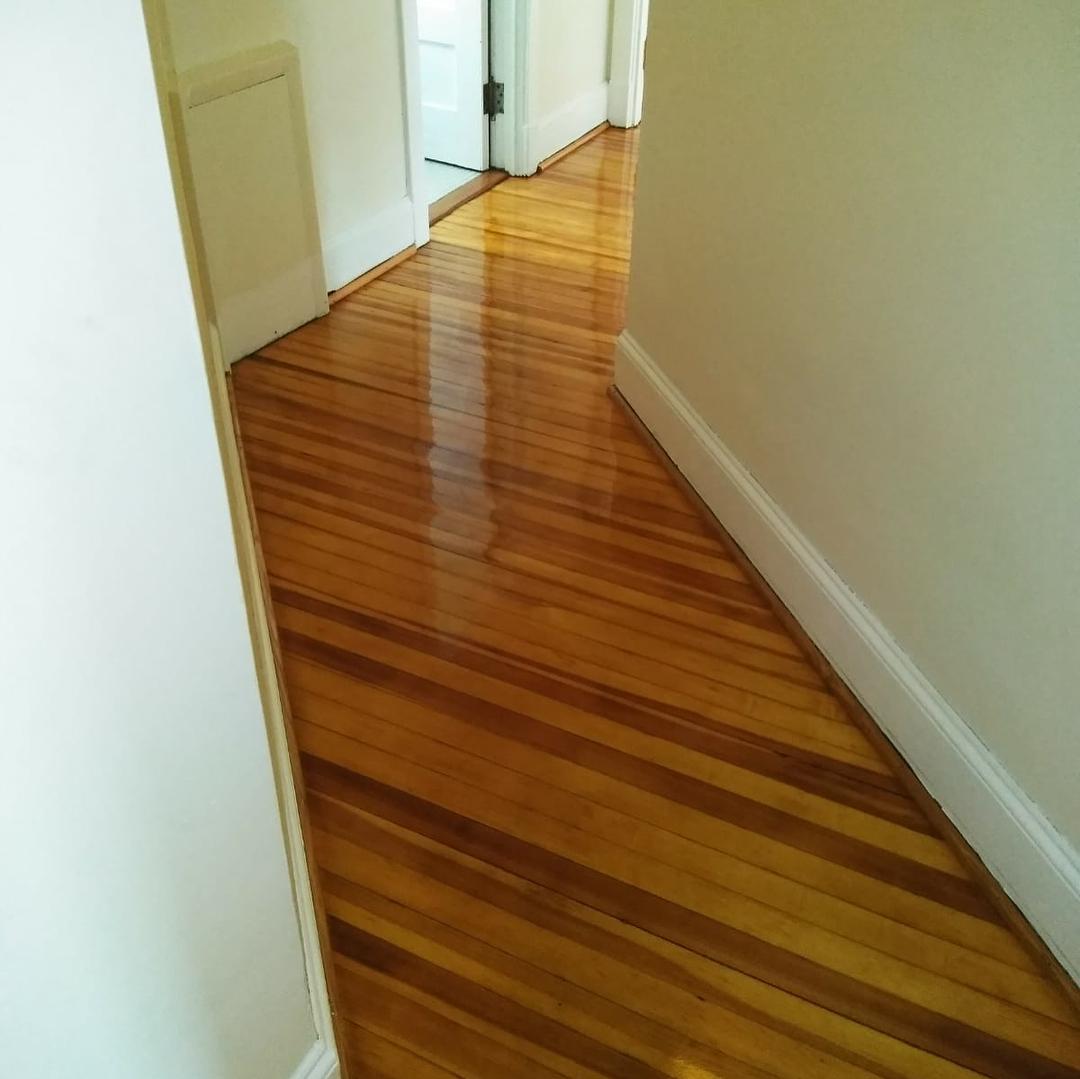
Hallways see more traffic than bedrooms, which affects your flooring choice.
Durability in High-Traffic Areas
Hallways take a beating. People walk through multiple times daily, often carrying things or rushing. This constant use wears on flooring faster than bedroom floors.
Hardwood stands up well to hallway traffic. It won’t show wear patterns the way carpet does. Carpet in hallways often develops traffic lanes where the pile gets crushed down over time.
Visual Flow
Many homeowners like consistency between rooms. If you choose hardwood for hallways, you might feel it looks odd to switch to carpet in bedrooms. Others love the transition and appreciate having different surfaces for different purposes.
There’s no wrong answer here. Think about what feels right when you walk through your home.
Combining Both: The Hybrid Approach
Who says you have to pick just one? Many Maryland homeowners use both carpet and hardwood upstairs.
Strategic Placement
A popular approach puts hardwood in hallways for durability and carpet in bedrooms for comfort. This gives you the best of both worlds where each material shines.
You could also do hardwood throughout with area rugs in bedrooms. This offers flexibility to change your look without major renovations.
Transition Strips
When you mix flooring types, you need transition strips where they meet. These metal or wood strips bridge the height difference and create a clean edge. Good installers make these transitions look intentional and polished.
Making Your Decision: A Practical Framework
Let’s bring this all together. Here’s how to think through carpet vs hardwood upstairs for your specific situation.
Ask Yourself These Questions
What’s your budget for both initial cost and long-term replacement?
How long do you plan to stay in your home?
Do you have young children or pets?
Is noise control between floors a concern?
Does anyone in your home have allergies?
What’s your tolerance for maintenance and cleaning?
Your answers will point you toward the right choice.
Sample Scenarios
Scenario 1: You have three kids under 10, plan to stay in your home for at least a decade, and your master bedroom sits above the living room. Best choice: Carpet throughout upstairs. You’ll appreciate the noise reduction and safety cushion while kids are young. You can always switch to hardwood later when they’re grown.
Scenario 2: You’re empty nesters planning to sell in 3 to 5 years, and you want to maximize resale value. Best choice: Hardwood in hallways and main bedroom, with the option for carpet in guest rooms if budget allows.
Scenario 3: You have moderate allergies and two calm adult cats. Best choice: Hardwood throughout with washable area rugs in bedrooms for warmth and comfort.
Working with Local Maryland Professionals
When you’re ready to move forward, partnering with experienced local flooring experts makes all the difference.
What to Look For
Find professionals who:
Offer free in-home consultations
Provide detailed written estimates
Show you actual samples in your home’s lighting
Explain pros and cons honestly without pushing you toward pricier options
Stand behind their work with solid warranties
Questions to Ask
Before hiring anyone for bedroom carpet installation or hardwood work, ask:
How long have you been installing floors in Maryland?
Can you provide references from recent projects similar to mine?
What’s included in your estimate?
How do you handle unexpected issues like subfloor damage?
What’s your timeline from order to completion?
Good contractors welcome these questions. They want you to feel confident in your choice.
Regional Considerations for Maryland Homes
Maryland’s climate and housing styles create specific flooring considerations.
Humidity and Temperature
Maryland sees hot, humid summers and cold winters. This variation affects wood flooring more than carpet. Hardwood can expand in summer humidity and contract in dry winter air. Quality installation with proper acclimation helps prevent problems.
Carpet isn’t affected by humidity the same way. It’s a more forgiving option if your home’s climate control isn’t perfect.
Home Styles
Many Maryland homes feature colonial or traditional architecture. Both carpet and hardwood can work beautifully in these settings. Consider your home’s overall style and what feels authentic to the period and design.
Final Thoughts on Quiet Flooring Options
If noise control ranks high on your priority list, you have options beyond just choosing carpet.
Carpet Alternatives for Sound Control
If you prefer hardwood but need quiet flooring options, consider:
High-quality acoustic underlayment beneath hardwood
Cork flooring, which offers hardwood’s look with better sound absorption
Luxury vinyl plank with attached padding
These won’t match carpet’s sound-dampening ability, but they help significantly compared to hardwood alone.
Combination Strategies
You can also use area rugs strategically on hardwood to absorb sound in key areas. Place them where people walk most often or where furniture sits.
Taking the Next Step
You’ve got the information. Now it’s time to take action.
Start with Assessment
Walk through your upstairs rooms. Notice where noise bothers you most. Think about how you use each space. Take notes on what matters to you.
Get Multiple Quotes
Search “carpet replacement near me” or look for hardwood installers in your area. Get at least three quotes. Compare not just price but also what’s included and how comfortable you feel with each company.
Don’t Rush
This is a significant investment. Take time to view samples, ask questions, and think through your options. The right choice for your home will still be the right choice next week.
Your Home, Your Choice
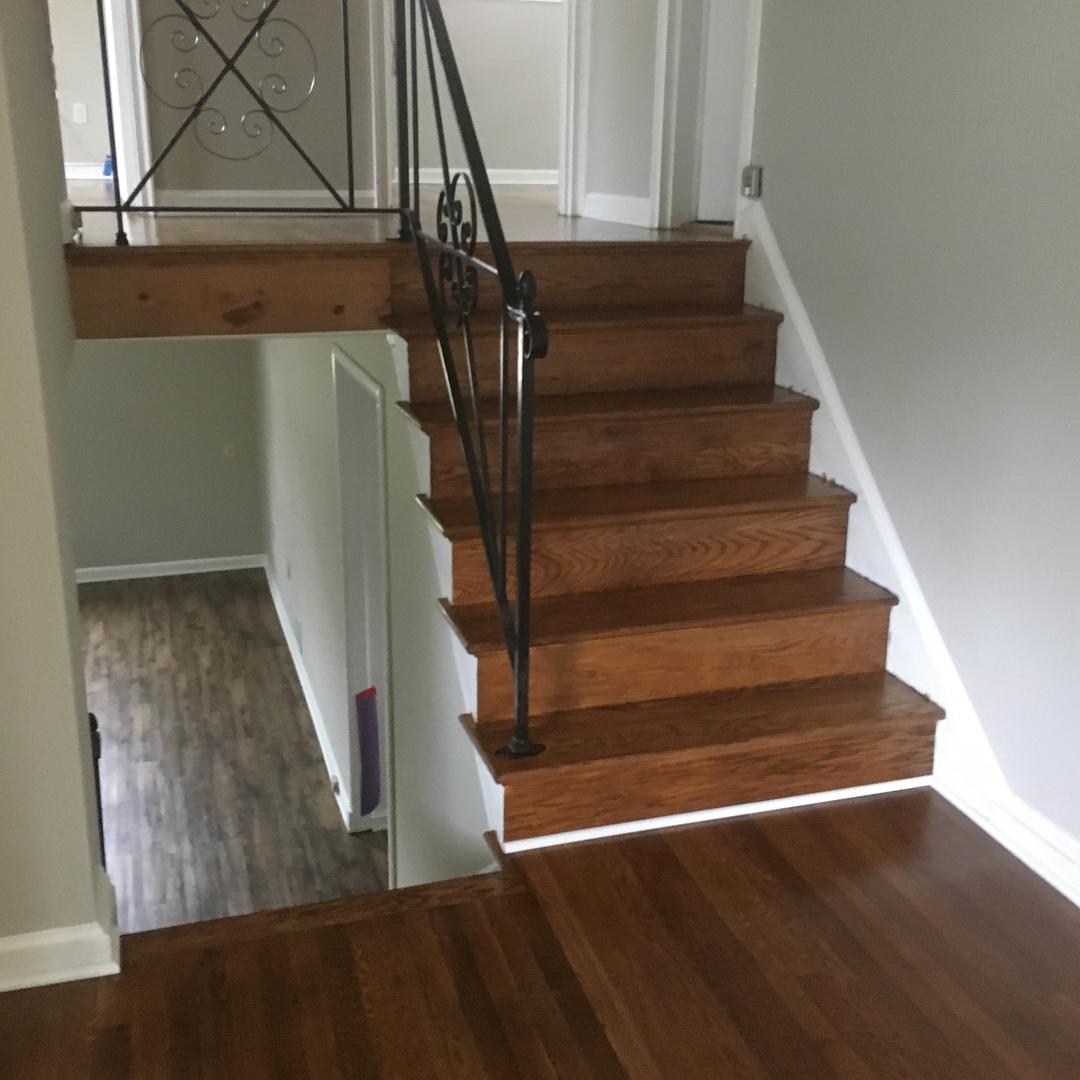
Whether you choose carpet vs hardwood upstairs comes down to your unique situation. There’s no universally “best flooring for bedrooms” because every family has different needs.
Carpet offers comfort, warmth, and noise control. Hardwood provides durability, easy cleaning, and potential resale value. Some homes benefit from both.
Trust your instincts. You know your family’s lifestyle better than anyone. Pick the option that will make your home more comfortable and functional for the years ahead.
When you’re ready to move forward, local Maryland flooring professionals can help you turn your decision into reality. They’ll guide you through selection, answer your questions, and install your new floors with care.
Your upstairs should be a place of rest and comfort. The right flooring choice helps create that environment. Take what you’ve learned here, apply it to your situation, and make the choice that’s right for you.
Frequently Asked Questions
Is carpet or hardwood better for upstairs bedrooms?
Carpet typically works better for bedrooms if you prioritize warmth, comfort, and sound control. Hardwood is the better choice if you value easy cleaning, longevity, and allergy control. Many homeowners choose based on whether they have young children (carpet) or prefer low-maintenance options (hardwood).
How much does it cost to install carpet vs. hardwood upstairs in Maryland?
Carpet installation in Maryland typically costs $3 to $12 per square foot including materials and labor. Hardwood runs higher at $8 to $25 per square foot installed. Your final hardwood vs carpet cost Maryland total depends on room size, material quality, and whether you need subfloor repairs or stair work.
Does carpet really reduce noise between floors?
Yes, carpet significantly reduces noise transmission between floors. It absorbs footsteps, dropped items, and general movement much better than hardwood. If your bedrooms sit above living spaces or you have active children, carpet provides much better sound dampening than hard surfaces, even with acoustic underlayment.
How long does bedroom carpet last compared to hardwood?
Bedroom carpet typically lasts 10 to 15 years with proper care and maintenance. Hardwood flooring can last 50 years or more and can be refinished multiple times to look new again. While hardwood costs more upfront, its longevity often makes it more cost-effective over several decades.
Can I mix carpet and hardwood on the same floor?
Absolutely. Many homeowners install hardwood in high-traffic hallways for durability and carpet in bedrooms for comfort. Professional installers use transition strips where the two materials meet to create a clean, finished look. This hybrid approach lets you enjoy the benefits of both flooring types where each works best.
Ready to get this done in your home?
5.0-star Google rating · 500+ reviews · MHIC #104041 · Licensed & Insured
Get My Free Estimate Call 240-246-4561
Related services: Hardwood Floor RefinishingHardwood Floor RestorationHardwood Floor Staining
Contact Us
Fill out the form below and an AG Construction representative will contact you soon.


Maryland’s Premier Flooring Company
full-service flooring contractor
Whether you own a home or business, we’re your single source for complete flooring installation services! Our comprehensive services include:
- Hardwood staining, sanding, refinishing, restoration, and more!
- Carpet removal and installation
- Vinyl luxury plank replacement and installation
- Vinyl tile and COREtec installation
- And more!