

back to blog

Best Hardwood Species for Maryland’s Climate: Oak, Maple, Hickory, or Walnut?
MHIC #104041 · 5.0 from 552 Google reviews · Free written estimates · Since 2011
Maryland’s humidity swings can wreck hardwood floors that aren’t built for the challenge. Choosing the best wood floor species Maryland humidity can handle means thinking beyond looks—your floors must stand up to pets, daily traffic, and seasonal changes. Red oak vs white oak floors isn’t just a style debate; it’s a durability test. Let’s break down which hardwood flooring species DMV homeowners trust to keep their homes looking sharp through it all.
Thinking about your own floors?
Free written estimate. Aaron calls you back, usually the same business day. Text us photos of your floor for a fast quote.
Understanding Maryland’s Humidity Challenge
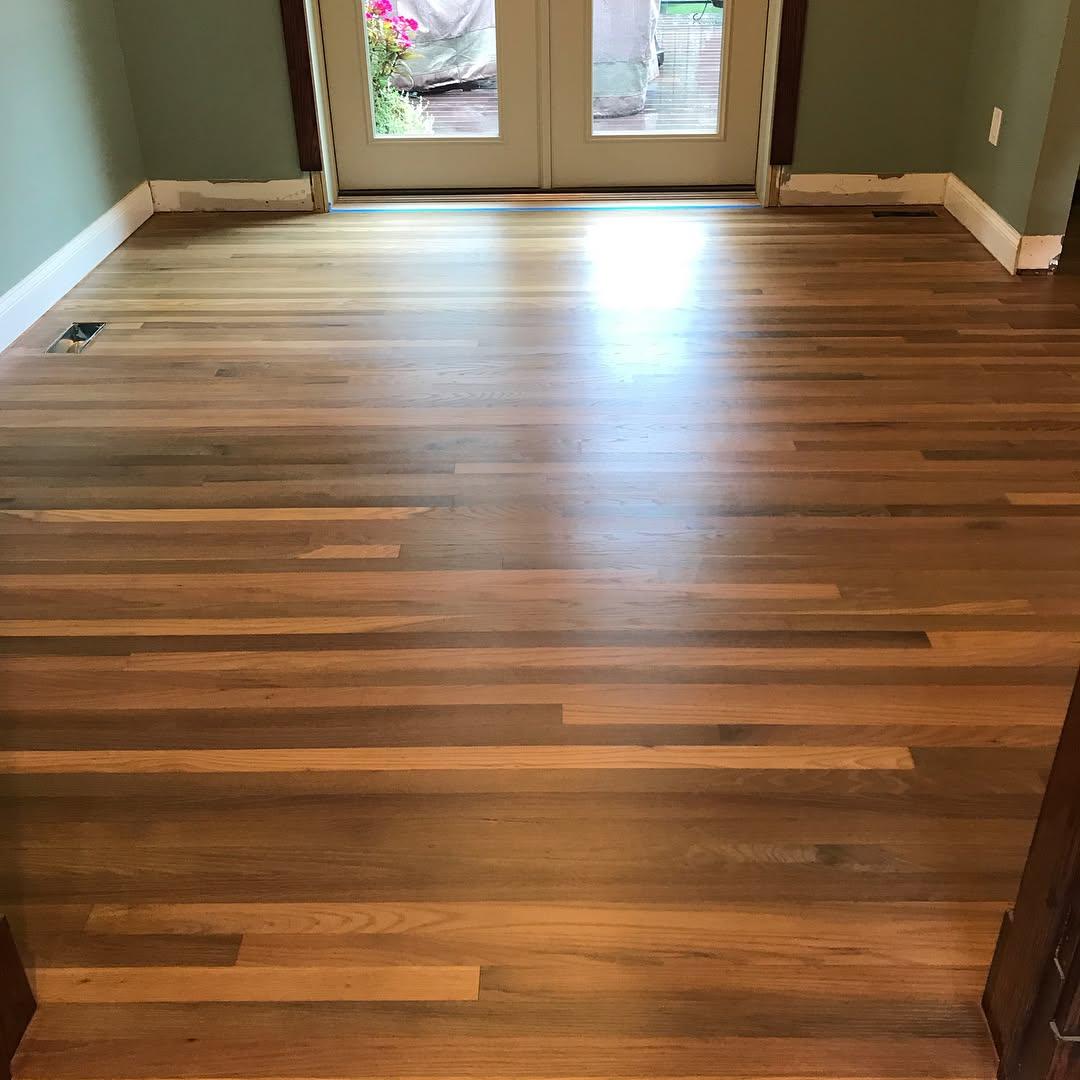
Living in Maryland means dealing with sticky summers and dry winters. Your hardwood floors expand when humidity rises and contract when the air gets dry. This constant movement can lead to gaps, cupping, and warping if you pick the wrong species.
The best wood floor species Maryland humidity demands needs a tight grain structure and natural stability. Some woods handle moisture better than others, and that’s where your choice really matters.
What Happens When Humidity Strikes
When summer humidity climbs above 60%, hardwood absorbs moisture from the air. Your planks swell, sometimes pushing against each other and creating a cupped appearance. Come winter, when indoor heating drops humidity below 30%, those same planks shrink and leave gaps between boards.
You want flooring that moves minimally with these changes. The right species saves you from constant repairs and keeps your investment looking great year after year.
Red Oak vs White Oak Floors: The Maryland Showdown
Here’s where things get interesting. Both oaks dominate Maryland homes, but they’re not twins. Understanding red oak vs white oak floors helps you make a smarter choice for your specific needs.
Red Oak Characteristics
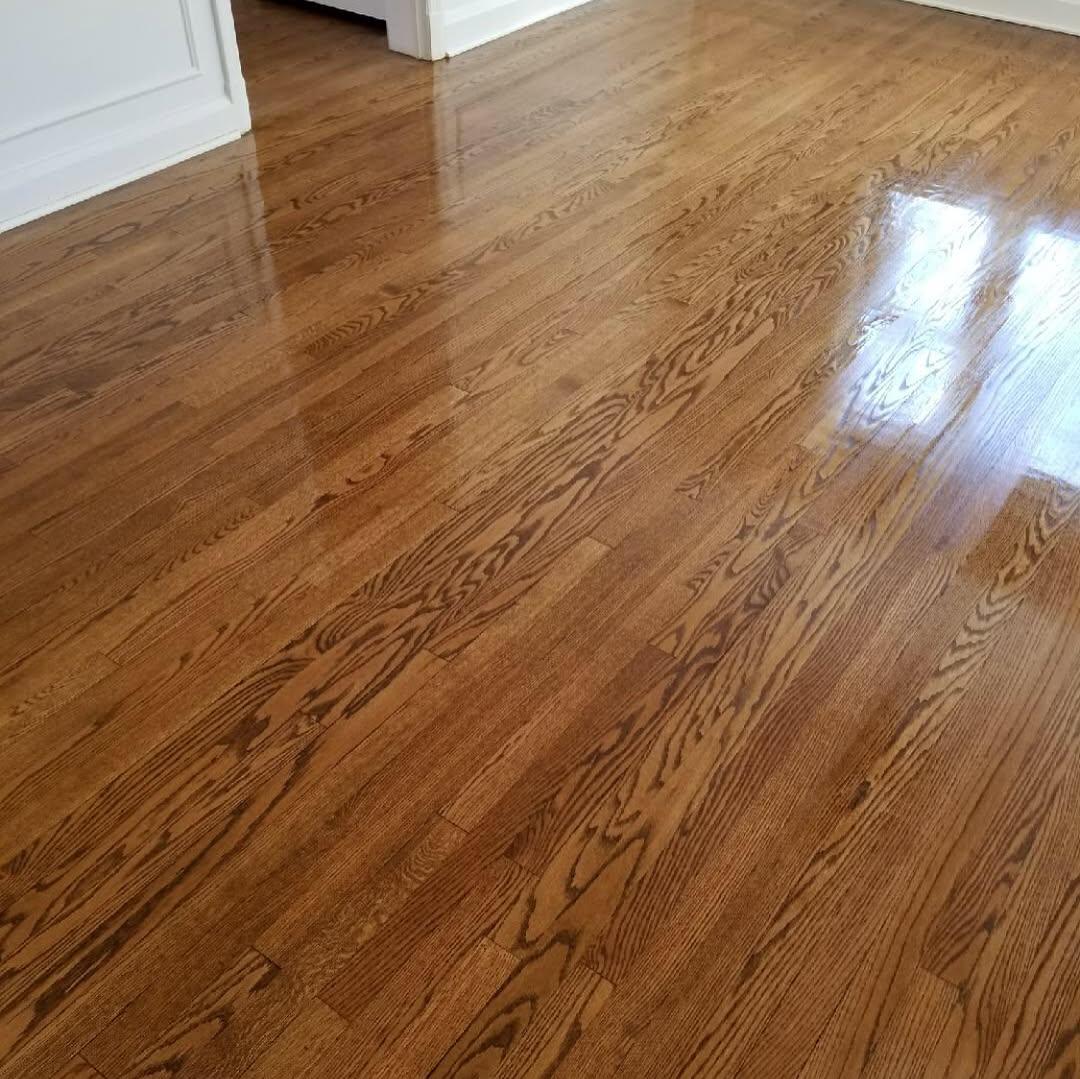
Red oak has a Janka hardness rating of 1,290, making it plenty tough for most homes. The grain pattern shows more variation and character, with wider, more pronounced lines. Some homeowners love this look because it adds visual interest to any room.
The downside? Red oak is slightly more porous than white oak. It absorbs moisture a bit faster, which means more movement during humidity swings. For Maryland’s climate, this matters.
Red oak costs less upfront, which appeals to budget-conscious homeowners. You’ll find it in many older Maryland homes, and it can be refinished multiple times over its lifespan.
White Oak: The Superior Choice for DMV Homes
White oak brings a Janka rating of 1,360, making it harder and more scratch-resistant than its red cousin. But the real win for Maryland homeowners is its closed grain structure.
Those tighter pores mean white oak resists moisture absorption better than red oak. Your floors stay more stable through our humid summers and dry winters. Less movement equals fewer gaps and less cupping.
White oak also resists water damage better. If your dog’s water bowl spills or you track in rain, white oak gives you more time to clean it up before damage sets in.
The grain pattern runs subtler than red oak, with a more uniform appearance. This clean look fits perfectly in modern and traditional homes alike. Many custom-home builders in the DMV area specify white oak for exactly these reasons.
Maple: The Smooth Operator
Maple flooring brings a completely different aesthetic to your home. With a Janka rating around 1,450, it’s harder than both oak varieties.
Strength Meets Style
The tight, consistent grain gives maple a smooth, almost creamy appearance. Light color variations create a bright, airy feel that opens up smaller spaces. If you’re going for a Scandinavian or contemporary look, maple delivers.
Maple’s density makes it durable hardwood for pets. Those claws that scratch softer woods barely leave a mark on maple. Active families with dogs running through the house appreciate this toughness.
The Humidity Trade-Off
Here’s the catch: maple’s density also makes it less stable in humidity swings. The wood can move more noticeably than oak when moisture levels change. You’ll need to maintain consistent indoor humidity levels, ideally between 35% and 55%.
A whole-home humidifier in winter and a dehumidifier in summer become more important with maple floors. The investment pays off if you love the look and can manage the environment.
Hickory: The Heavyweight Champion
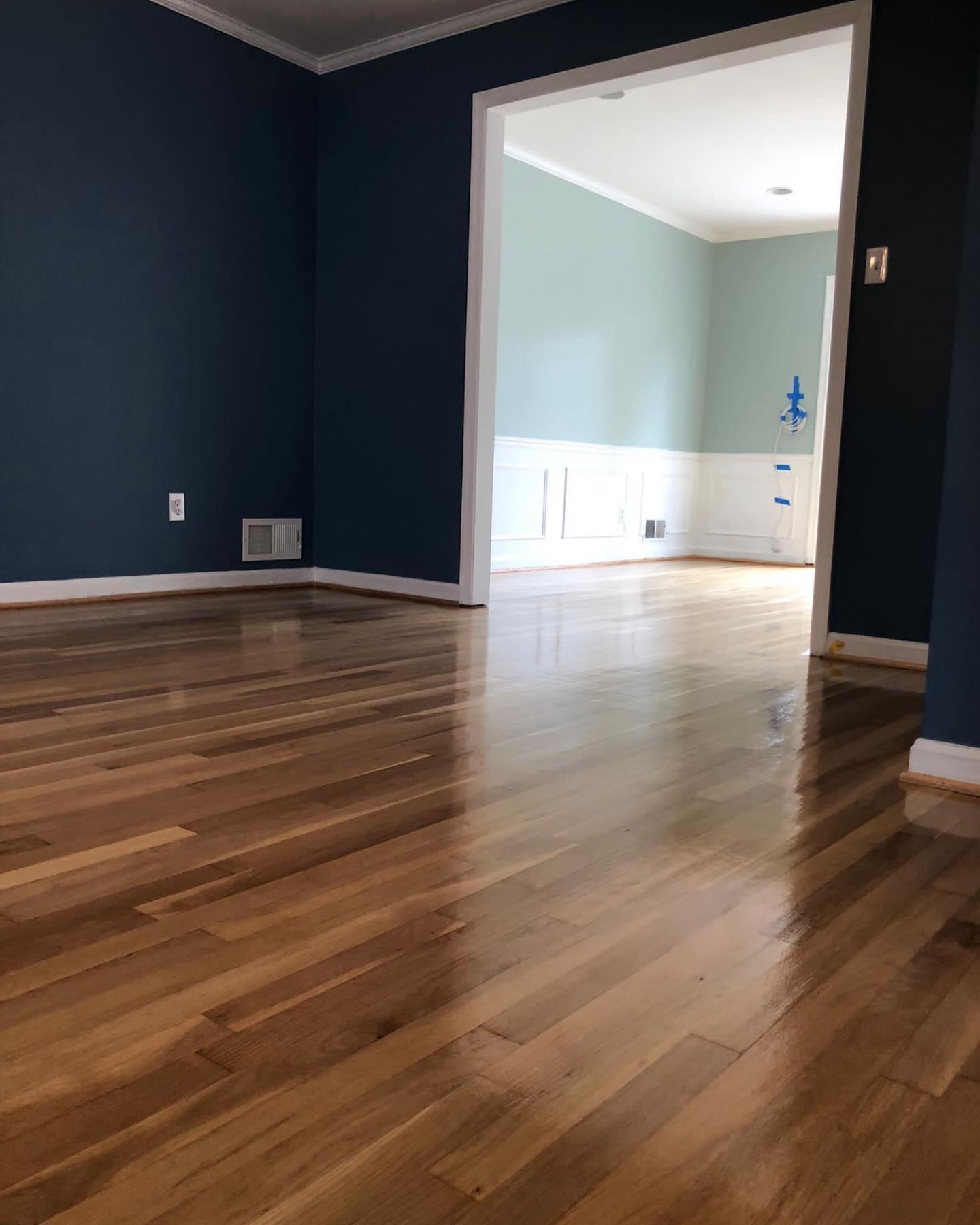
If durability tops your priority list, hickory deserves serious consideration. With a Janka rating of 1,820, it’s the hardest common flooring species available.
Built for Punishment
Hickory handles everything Maryland life throws at it. Heavy furniture, dropped items, pet claws, kids’ toys dragged across the floor—hickory takes the abuse and keeps looking good. It’s truly durable hardwood for pets and active households.
The dramatic grain variation and color differences from plank to plank create a rustic, natural appearance. Some boards run pale cream while others show rich brown streaks. This character appeals to homeowners who want floors with personality.
Stability Considerations
Hickory’s hardness comes with moderate dimensional stability. It moves somewhat with humidity changes, landing between oak and maple in terms of seasonal expansion and contraction.
The wild grain pattern actually helps hide small gaps that might appear during dry winter months. You won’t notice minor movement as much as you would with maple’s uniform appearance.
Installation requires experience because hickory’s density makes it tougher to nail down properly. Make sure your flooring contractor has worked with hickory before.
Walnut: The Luxury Option
Black walnut brings sophistication that other species can’t match. The rich chocolate brown color with occasional lighter sapwood streaks creates floors that make a statement.
Beauty and Performance
Walnut’s Janka rating sits around 1,010, making it the softest option on this list. That doesn’t mean it’s fragile, just that you’ll see dents and scratches more readily than with harder woods.
The payoff is stunning visual appeal. Walnut floors age beautifully, developing a warm patina over time. The natural color means you can skip staining entirely, saving time and money during installation.
For Maryland’s humidity, walnut performs reasonably well. Its moderate density allows some movement, but not excessively. The dark color helps hide any minor gaps that appear seasonally.
When Walnut Makes Sense
Choose walnut when aesthetics drive your decision and you’re willing to baby your floors a bit more. It works beautifully in formal dining rooms, master bedrooms, and low-traffic areas where its beauty can shine without constant abuse.
Walnut costs more than oak or maple, sometimes significantly more. You’re paying for that distinctive color and the relative rarity of the wood. For custom-home builders creating high-end properties, walnut delivers the luxury feel clients expect.
The Best Wood Floor Species Maryland Humidity Can’t Beat
After looking at all four options, white oak emerges as the smartest choice for most Maryland homes. It balances hardness, stability, cost, and appearance better than the alternatives.
White oak’s closed grain structure handles our humidity swings with minimal drama. You’ll see less seasonal gapping and fewer cupping issues. The hardness protects against scratches from pets and daily wear. And the clean grain pattern fits virtually any design style.
Real Maryland Homeowners Weigh In
Sarah from Bethesda refinished her entire first floor with white oak three years ago. “We have two large dogs and the floors still look amazing. I was worried about scratches, but white oak has held up better than I imagined. Even through last summer’s crazy humidity, we didn’t see any cupping.”
Tom, a custom-home builder in Annapolis, installs white oak in 80% of his projects. “My clients want floors that last and look great. White oak delivers both. I’ve tried maple and hickory in some homes, but clients always come back to white oak for the next project. It just works in our climate.”
Hardwood Flooring Species DMV Professionals Recommend
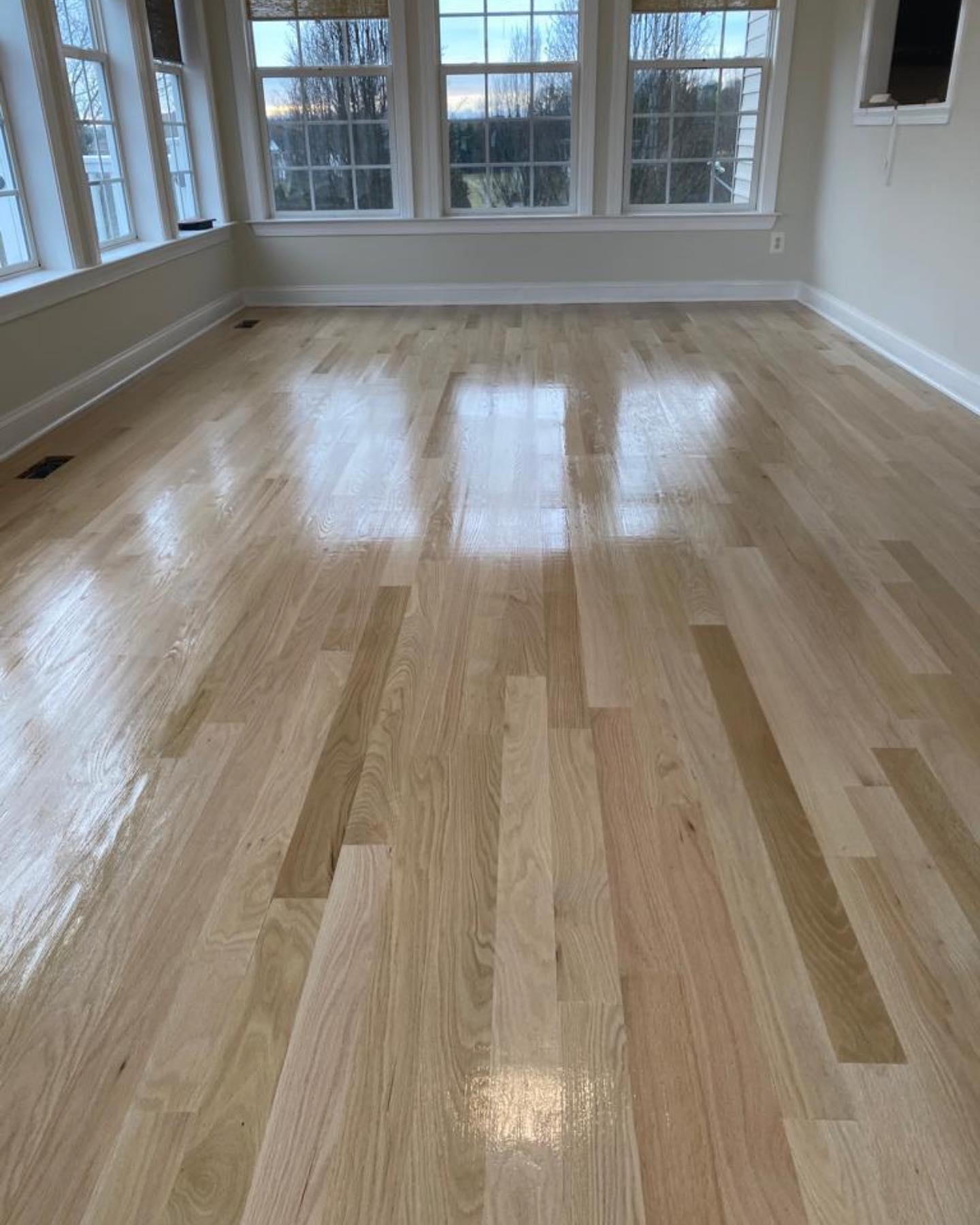
Talk to any experienced flooring contractor in the DMV area and you’ll hear similar advice. The hardwood flooring species DMV pros install most often is white oak, followed by red oak for budget projects and hickory for high-traffic commercial applications.
Maple gets specified for specific aesthetic goals, usually in modern homes where the light color and smooth grain fit the design vision. Walnut appears in luxury custom builds where cost takes a back seat to appearance.
Installation Best Practices for Maryland
No matter which species you choose, proper installation matters enormously in our climate. Your contractor should:
Let the wood acclimate in your home for at least 72 hours before installation. This allows the planks to adjust to your home’s specific humidity levels.
Check subfloor moisture levels before laying any wood. Concrete subfloors especially need testing to prevent future problems.
Leave appropriate expansion gaps around the room’s perimeter. Wood needs space to move, and proper gaps prevent buckling when humidity rises.
Use a moisture barrier over concrete subfloors. This simple step prevents ground moisture from reaching your hardwood.
Protecting Your Investment Year-Round
Installing the best wood floor species Maryland humidity can handle is just the start. Maintaining stable indoor conditions protects your investment.
Humidity Control Strategies
Install a whole-home humidifier connected to your HVAC system. Set it to maintain 40% relative humidity during winter months. This prevents excessive shrinkage and gapping.
Run a dehumidifier in your basement during summer. Humid air rises, and controlling basement moisture helps your main floor stay stable.
Use your air conditioning during humid summer months. AC doesn’t just cool air, it removes moisture too.
Monitor humidity with an inexpensive hygrometer. You can pick one up for under $20, and it gives you real data about your home’s conditions.
Daily Care Tips
Clean spills immediately, especially water. Even white oak’s superior moisture resistance has limits.
Use rugs in high-traffic areas and near exterior doors. They catch dirt and moisture before it reaches your hardwood.
Trim your pet’s nails regularly. Even durable hardwood for pets performs better when claws stay short.
Avoid wet mopping. Damp mop instead, using minimal water and a hardwood-specific cleaner.
Place felt pads under furniture legs. This simple step prevents scratches when you move chairs and tables.
Making Your Final Decision
Start by honestly assessing your lifestyle. Do you have pets? How much traffic do your floors see? What’s your budget? How important is appearance versus durability?
For most Maryland homeowners, white oak checks all the boxes. It handles our climate beautifully, stands up to pets and kids, looks great in any home style, and costs less than exotic species.
If you’re building a custom home with a bigger budget and want something special, consider hickory for rustic charm or walnut for sophisticated elegance.
Maple works when you love the look and commit to controlling your home’s humidity year-round.
Red oak remains a solid choice for budget-conscious projects, especially if you’re refinishing existing floors in an older home.
Working with Professional Installers
Don’t cut corners on installation. The best wood floor species Maryland humidity can handle still fails if installed poorly.
Look for contractors with specific experience in your chosen species. Ask to see photos of completed projects and request references.
Get multiple quotes, but don’t automatically pick the lowest bid. Installation quality matters more than saving a few hundred dollars upfront.
Ask about their acclimation process, moisture testing procedures, and warranty coverage. Professional installers welcome these questions and provide detailed answers.
Verify they’re licensed and insured. This protects you if something goes wrong during or after installation.
Ready to Choose Your Perfect Hardwood?
You now know how different species perform in Maryland’s challenging climate. White oak’s stability and durability make it the top choice for most homes. Maple, hickory, and walnut each offer unique benefits for specific situations.
The next step is seeing these woods in person. Visit a showroom where you can compare samples side by side in different lighting conditions. Bring home samples and place them in the rooms where you’ll install flooring.
Talk with experienced flooring professionals who understand Maryland’s climate challenges. They can answer your specific questions and help you avoid costly mistakes.
Your hardwood floors represent a significant investment that should last decades. Choosing the right species from the start means enjoying beautiful, stable floors that handle whatever Maryland’s weather brings.
Take your time, do your research, and pick the wood that fits your home, lifestyle, and budget. Your floors will thank you for it every single day.
Frequently Asked Questions
Which hardwood species handles Maryland humidity best?
White oak performs best in Maryland’s humid climate because of its closed grain structure, which resists moisture absorption better than other common species. This tight grain means less seasonal movement, fewer gaps in winter, and reduced cupping in summer. Red oak, maple, hickory, and walnut all work in Maryland, but white oak delivers the best balance of stability and durability for our climate.
Is red oak or white oak better for homes with pets?
White oak is the better choice for pet owners because it’s harder (1,360 Janka rating versus 1,290 for red oak) and more moisture-resistant. The closed grain protects against water damage from spills, and the extra hardness resists scratches from claws. While both oaks can handle pets, white oak gives you more durability and easier cleanup when accidents happen.
How hard is hickory compared to oak flooring?
Hickory rates 1,820 on the Janka hardness scale, making it significantly harder than both white oak (1,360) and red oak (1,290). This makes hickory extremely durable hardwood for pets, high-traffic areas, and active families. The trade-off is that hickory costs more and requires experienced installers because its density makes it tougher to work with during installation.
Does maple flooring work well in humid climates like Maryland?
Maple can work in Maryland, but it requires more attention to humidity control than oak species. With a Janka rating of 1,450, maple is plenty hard and durable, but its density makes it less dimensionally stable during humidity swings. You’ll need to maintain consistent indoor humidity between 35% and 55% year-round using humidifiers in winter and dehumidifiers in summer to prevent excessive movement.
What’s the most affordable hardwood species for Maryland homes?
Red oak typically costs less than white oak, maple, hickory, or walnut, making it the most budget-friendly option among common hardwood flooring species in the DMV area. While it’s slightly less stable in humidity than white oak, red oak still performs well in Maryland when properly installed and maintained. Many older Maryland homes feature red oak flooring that has lasted decades with appropriate care.
Ready to get this done in your home?
5.0-star Google rating · 500+ reviews · MHIC #104041 · Licensed & Insured
Get My Free Estimate Call 240-246-4561
Related services: Hardwood Floor RefinishingHardwood Floor RestorationHardwood Floor Staining
Contact Us
Fill out the form below and an AG Construction representative will contact you soon.


Maryland’s Premier Flooring Company
full-service flooring contractor
Whether you own a home or business, we’re your single source for complete flooring installation services! Our comprehensive services include:
- Hardwood staining, sanding, refinishing, restoration, and more!
- Carpet removal and installation
- Vinyl luxury plank replacement and installation
- Vinyl tile and COREtec installation
- And more!