

back to blog

Luxury Vinyl Plank (LVP) vs. Luxury Vinyl Tile (LVT): What’s the Difference?
Choosing between vinyl plank and vinyl tile feels simple until you realize the details matter. You want the best vinyl flooring DC homes trust, but the difference between LVP vs LVT isn’t just about looks. Getting this choice right means picking a style that fits your space and lifestyle perfectly. Let’s break down what sets these two apart so you can make the call with confidence.
Understanding LVP vs LVT: The Basics
You’ve probably heard these terms thrown around, but what do they actually mean? LVP stands for Luxury Vinyl Plank, while LVT means Luxury Vinyl Tile. Both belong to the luxury vinyl family, but they serve different design purposes.
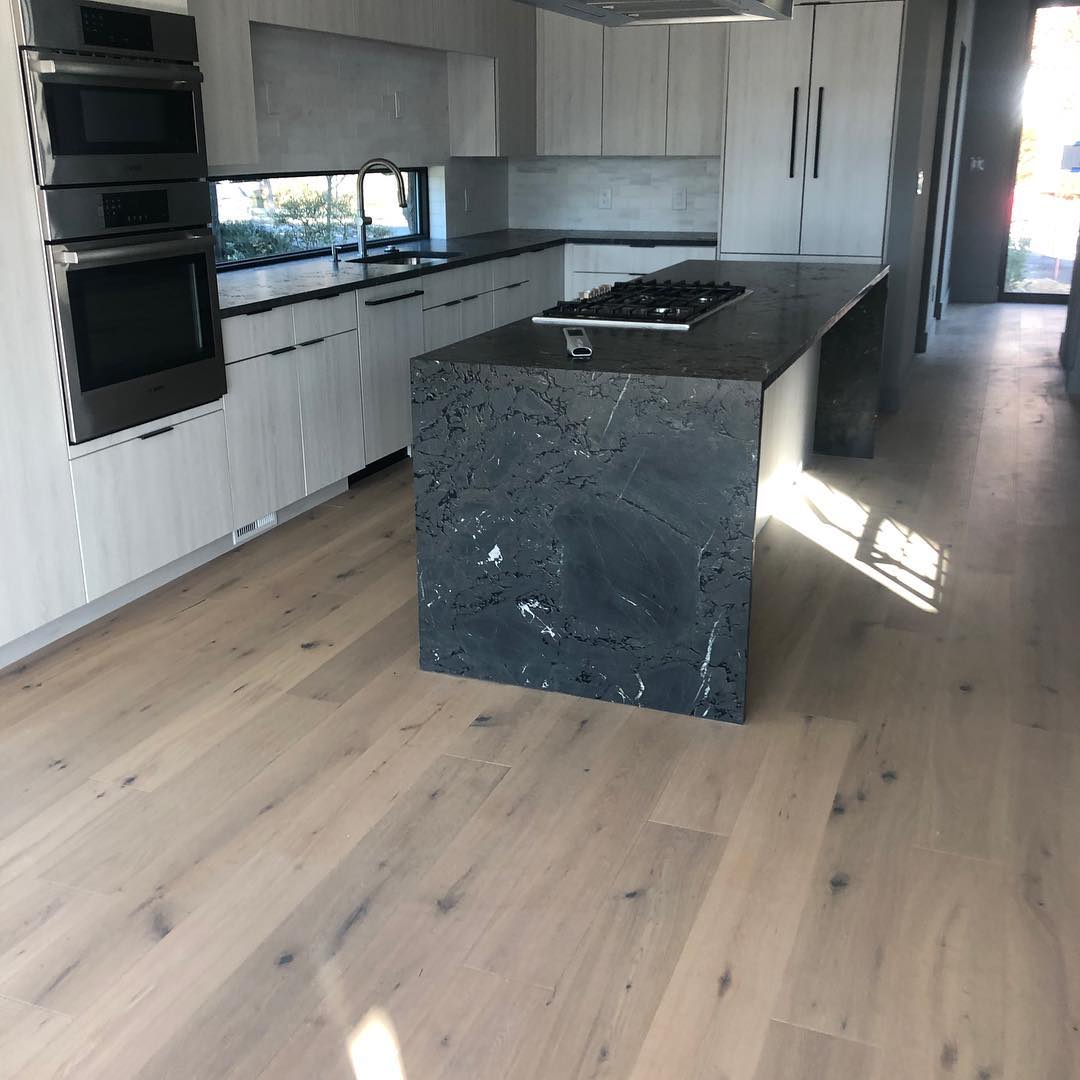
Luxury Vinyl Plank mimics the look of hardwood flooring. Think long, narrow pieces that recreate the appearance of oak, maple, or walnut boards. When installed, LVP gives you that classic wood floor aesthetic without the maintenance headaches that come with real hardwood.
Luxury Vinyl Tile, on the other hand, replicates stone, ceramic, or porcelain tile. These come in square or rectangular shapes that look like natural stone, marble, or traditional ceramic tiles. LVT brings the elegance of tile flooring to your home with added comfort and warmth underfoot.
The vinyl plank vs vinyl tile decision really comes down to the look you’re after. Do you want the warmth of wood or the sophistication of stone?
Design Flexibility: Which Look Fits Your Space?
When Vinyl Plank Makes Sense
LVP shines in spaces where you want that cozy, natural wood feeling. Living rooms, bedrooms, and hallways are perfect candidates. The longer planks create visual lines that can make smaller rooms feel more spacious. If you run the planks lengthwise down a narrow hallway, you’ll create the illusion of more space.
Many of our DC area clients choose LVP for open-concept living areas. The wood-look aesthetic flows beautifully from room to room, creating a cohesive feel throughout the main floor. One Georgetown homeowner told us, “We wanted the elegance of hardwood but needed something that could handle our two dogs and three kids. The LVP was perfect.”
When Vinyl Tile Works Better
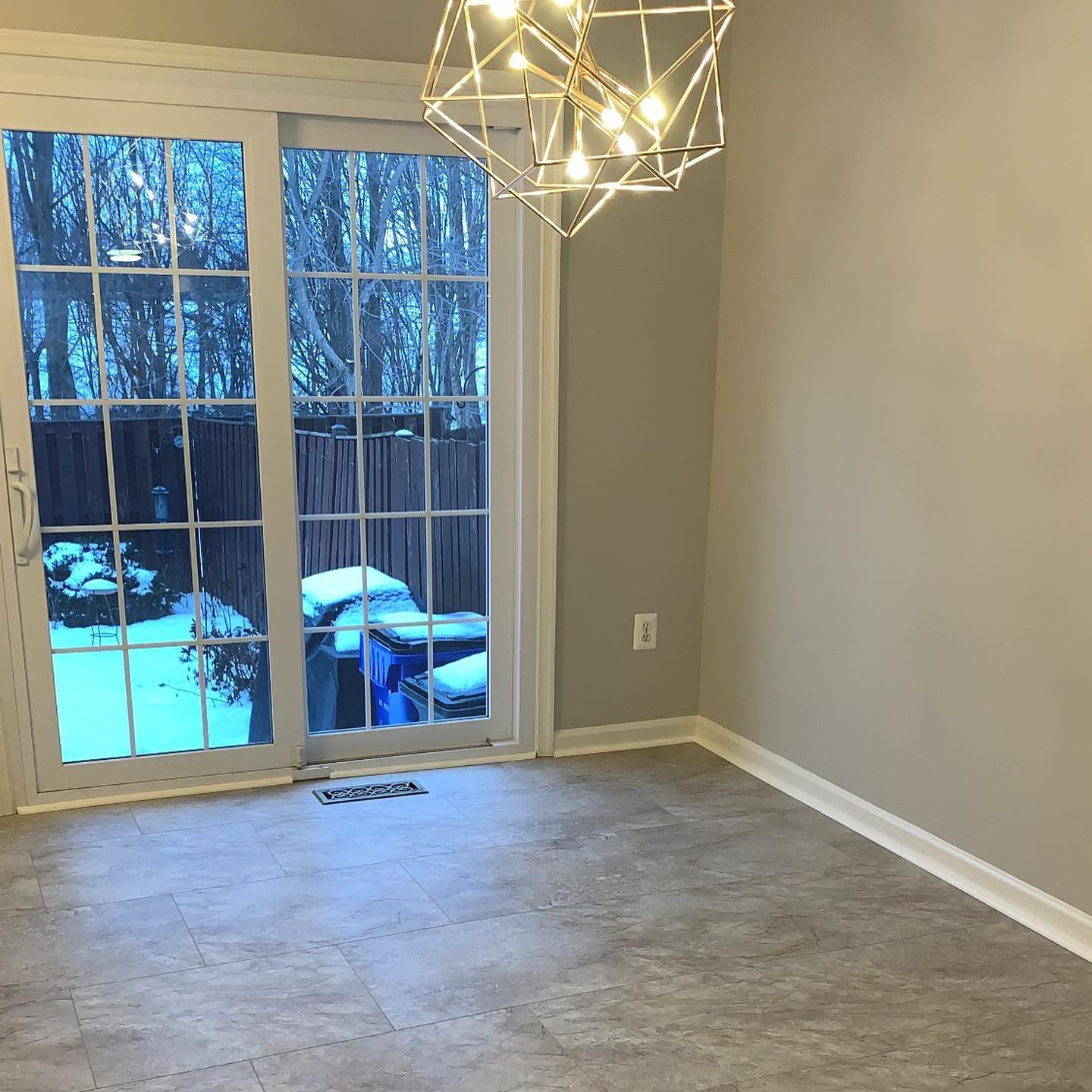
LVT excels in bathrooms, kitchens, and entryways. The tile look feels natural in these spaces, and the material performs beautifully where moisture is a concern. If you’re searching for waterproof kitchen floors DMV residents can rely on, LVT checks all the boxes.
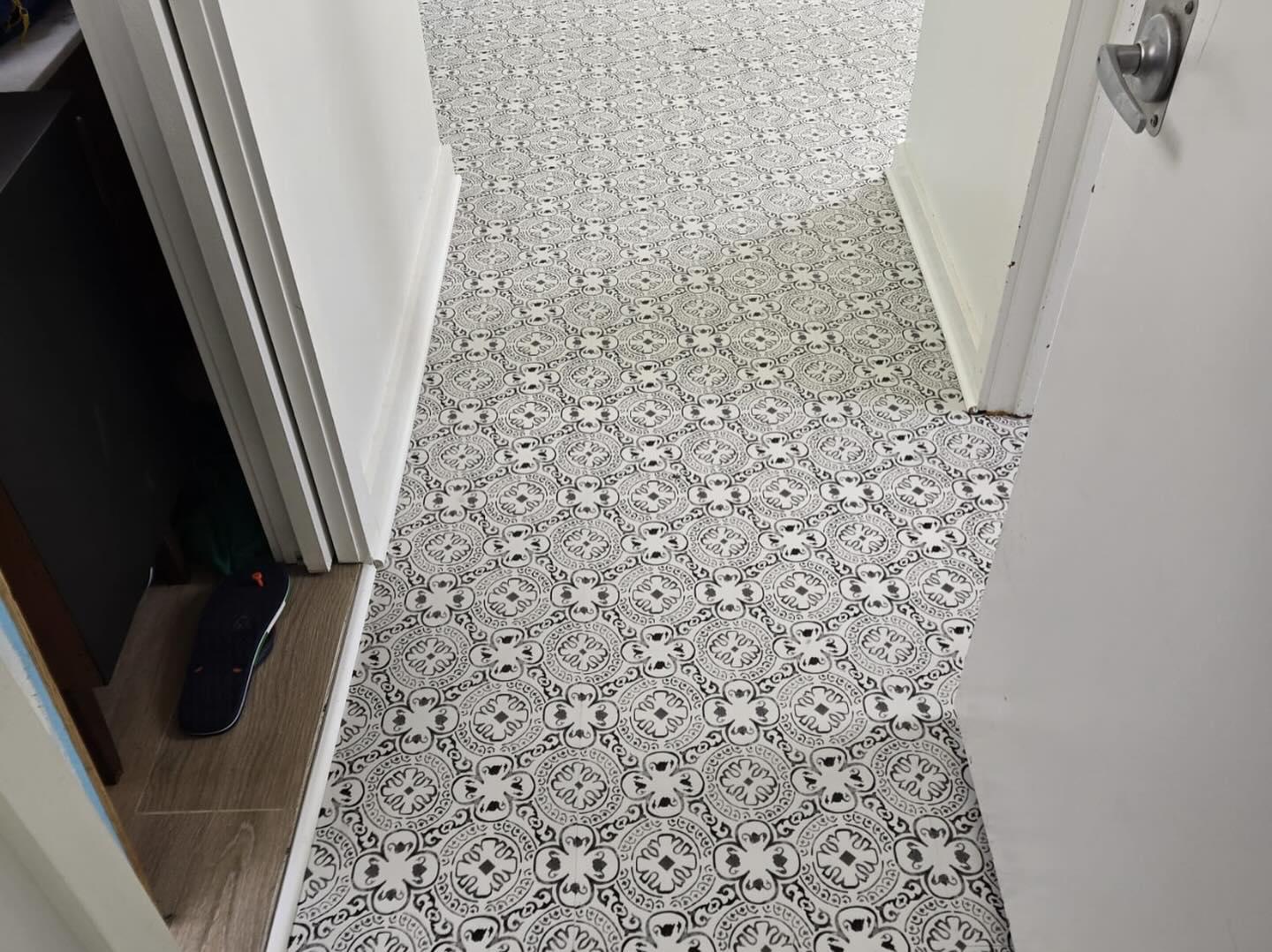
The square or rectangular format of LVT also allows for creative patterns. You can install it in classic grid layouts, herringbone, diagonal, or even create custom designs with different colors. A property manager we work with in Silver Spring used LVT in a building’s lobby, creating a stunning medallion pattern that became a conversation starter.
Installation Differences You Should Know
How LVP Goes Down
Luxury vinyl plank installation typically moves faster than tile. The longer pieces cover more square footage with each plank, which can reduce labor time. Most LVP products use click-lock systems that snap together without glue or nails. This floating floor method works great over existing subfloors.
Some LVP options come with attached underlayment, which adds cushioning and sound dampening right out of the box. If you live in a condo or townhouse where noise transfer matters, this feature is worth considering.
LVT Installation Considerations
Luxury vinyl tile installation Maryland and DC professionals handle requires similar techniques but with different pattern considerations. Because the pieces are smaller, installation can take a bit longer. You’ll need to think about layout patterns before the first piece goes down.
Starting from the center of the room and working outward ensures balanced borders on all sides. This matters more with tile patterns than with plank layouts. If you’re going for a specific design like herringbone or basketweave, professional installation really pays off. The precision required to keep patterns straight and consistent is tough to achieve without experience.
Performance: How They Handle Real Life
Durability and Wear
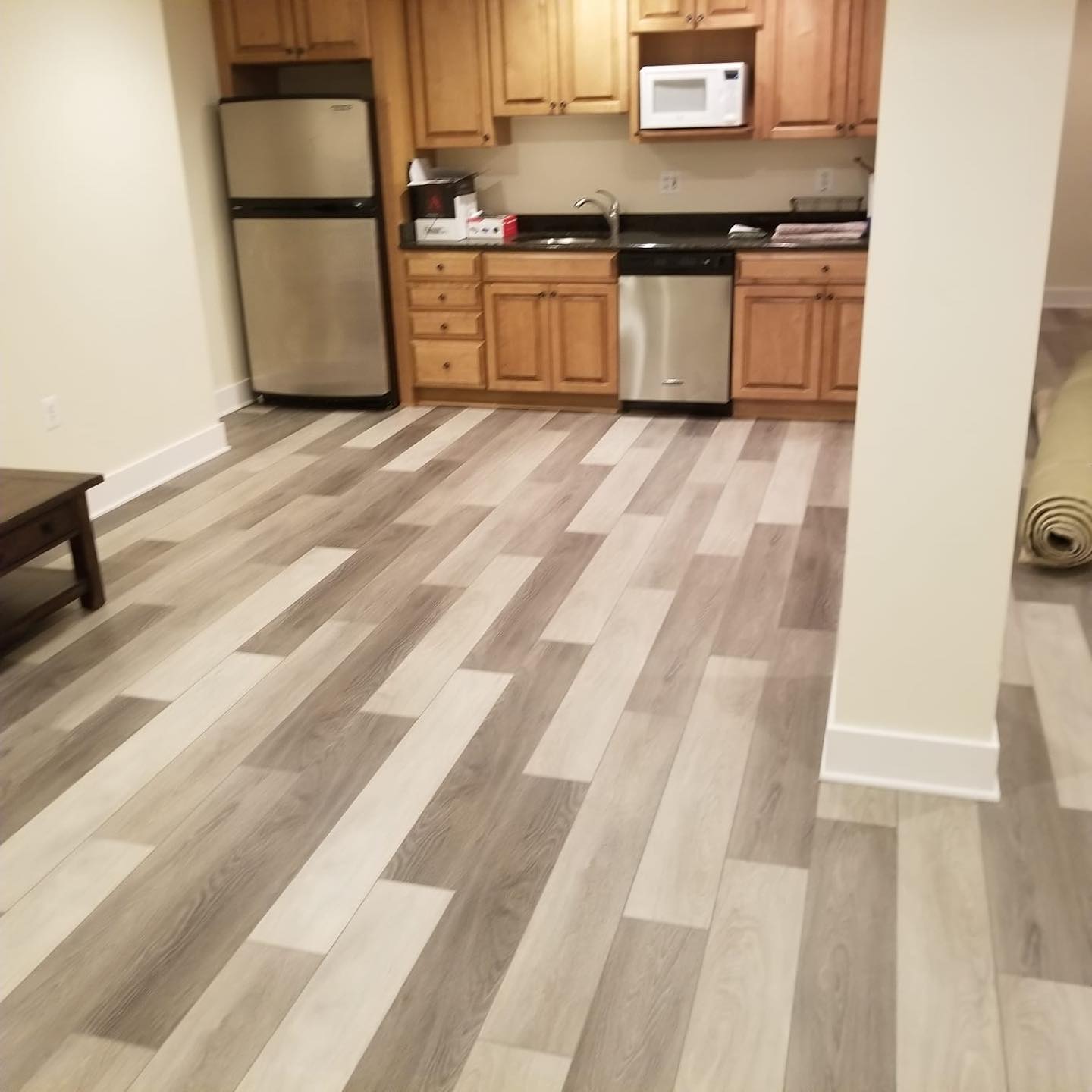
Both LVP and LVT stand up to daily wear remarkably well. The wear layer on top protects against scratches, scuffs, and stains. Look for products with at least a 12-mil wear layer for residential use, or 20-mil if you have pets or high traffic.
The core construction matters just as much. Rigid core products (sometimes called SPC or WPC) offer superior dent resistance. These work great under heavy furniture or in areas where you might drop kitchen tools or bathroom items.
Water Resistance Matters
Here’s where both options really shine. Quality LVP and LVT are 100% waterproof, making them ideal for any room in your home. That’s why waterproof kitchen floors DMV homeowners choose often include these materials.
Unlike laminate flooring, which can swell and warp when wet, luxury vinyl handles spills, splashes, and even standing water without damage. We’ve installed it in basements prone to moisture, bathrooms with kids who splash, and kitchens where cooking gets messy. The material just works.
One Alexandria client shared, “We had a dishwasher leak that we didn’t catch for a few hours. Our old laminate would have been ruined. The LVP? We wiped it up, and you’d never know anything happened.”
Comfort and Sound
Underfoot Feel
Both vinyl plank and vinyl tile feel softer and warmer than real hardwood or ceramic tile. The vinyl material has natural give, which means less fatigue when you’re standing for long periods. If you spend time cooking or doing dishes, this comfort factor matters more than you might think.
The thickness of the product affects comfort too. Thicker luxury vinyl (6mm or more) with attached underlayment provides the best cushioning. Thinner products still beat hard surfaces but won’t feel quite as plush.
Noise Levels
Sound absorption is another area where luxury vinyl outperforms hard surfaces. Ceramic tile and hardwood can be noisy, especially in multi-story homes. Footsteps echo, dropped items clatter, and chairs scraping across the floor create quite a racket.
LVP and LVT dampen these sounds naturally. Add an underlayment pad, and you’ll reduce noise transmission even further. This makes a real difference in townhouses and condos where neighbors share walls or floors.
Maintenance: Keeping Your Floors Looking Great
Daily Care
Both options are incredibly low maintenance. Regular sweeping or vacuuming keeps dirt and grit from building up. For deeper cleaning, damp mopping with a vinyl-safe cleaner does the trick.
Skip the harsh chemicals, steam mops, and abrasive scrubbers. These can damage the wear layer over time. Stick with pH-neutral cleaners designed for luxury vinyl, and your floors will look great for years.
Long-Term Care
Unlike hardwood that needs refinishing or tile that requires grout maintenance, luxury vinyl stays looking good without special treatments. No waxing, no sealing, no refinishing. The wear layer does all the protective work from day one.
If a plank or tile gets damaged, replacement is straightforward with click-lock systems. You can pop out the damaged piece and click in a new one without tearing up the entire floor. Keep a few extra pieces from your original installation for repairs down the road.
Cost Considerations
Material Costs
When comparing LVP vs LVT, material costs are usually similar. You’ll find both options ranging from budget-friendly to premium, depending on thickness, wear layer, and design quality.
Budget products start around $2-3 per square foot. Mid-range options run $4-6 per square foot. Premium luxury vinyl can reach $7-10 per square foot or more. The best vinyl flooring DC homes feature often falls in that mid to upper range, where quality and appearance both meet high standards.
Installation Costs
Professional installation typically costs $2-5 per square foot for either product. The final price depends on room size, layout complexity, and any prep work needed.
Luxury vinyl tile installation Maryland and DC area professionals provide might cost slightly more than plank installation if you’re choosing complex patterns. Simple layouts keep labor costs down, while custom designs require more time and skill.
Value Over Time
Think beyond the upfront cost. Luxury vinyl’s durability and low maintenance mean you’ll spend less over the floor’s lifetime compared to materials that need regular upkeep. No refinishing costs like hardwood, no grout cleaning or resealing like ceramic tile.
The water resistance also protects your investment. Water damage repairs can cost thousands. A waterproof floor prevents those expenses before they happen.
Making Your Choice: Questions to Ask Yourself
What’s Your Design Vision?
Start with aesthetics. Walk through your space and imagine both options. Does wood feel right, or does stone suit the room better? Look at photos of finished projects. Save images that speak to you and notice whether they feature plank or tile formats.
How Will You Use the Space?
Think about the room’s purpose. High-moisture areas like bathrooms and laundry rooms work with both options, but tile patterns often feel more appropriate. Living spaces and bedrooms typically look best with plank formats that mimic hardwood.
What’s Your Budget?
Be realistic about what you can spend on both materials and installation. Get quotes for your specific project. Sometimes the price difference between plank and tile is minimal, making the decision purely about design preference.
DIY or Professional Installation?
If you’re handy and want to install the floor yourself, click-lock LVP is generally more forgiving for beginners. The longer pieces and simpler layout make it easier to achieve professional-looking results.
For complex tile patterns or if you want guaranteed results, professional installation is worth the investment. Skilled installers work faster and handle tricky cuts and transitions with ease.
Regional Considerations for DC, Maryland, and Virginia Homes
Climate Factors
Our DMV area sees hot, humid summers and cold winters. Temperature swings can affect some flooring materials, but quality luxury vinyl handles these changes well. The material expands and contracts minimally, so you won’t see gaps or buckling like you might with other products.
Historic Homes
Many DC area homes have historic charm with uneven subfloors or unique architectural features. Luxury vinyl’s flexibility works beautifully in these situations. The material can handle slight subfloor imperfections better than rigid materials like ceramic tile.
Resale Value
When considering the best vinyl flooring DC homebuyers want to see, both LVP and LVT add value. Today’s buyers appreciate low-maintenance, water-resistant flooring that looks high-end. Quality luxury vinyl checks these boxes without the premium price tag of hardwood or natural stone.
Common Mistakes to Avoid
Skipping Acclimation
Let your flooring acclimate to your home’s temperature and humidity for 48 hours before installation. This prevents expansion or contraction issues after the floor goes down.
Ignoring Subfloor Prep
A level, clean, dry subfloor is essential. Skipping this step leads to problems down the road. Fill low spots, sand high spots, and make sure everything is smooth before installation begins.
Choosing Style Over Quality
That budget product might look good in the store, but thin wear layers and cheap construction won’t hold up. Invest in quality materials with good warranties. Your floors take a beating every day, so durability matters.
Forgetting About Transitions
Plan for transitions between rooms and different flooring types. Quality transition strips create clean, professional-looking boundaries and prevent tripping hazards.
Real Stories from Real Homes
The Bethesda Kitchen Renovation
Sarah and Tom wanted waterproof kitchen floors DMV weather wouldn’t damage. They chose LVT in a stone pattern that complemented their white cabinets and granite counters. “We love how it looks like real slate but feels warmer on our feet,” Sarah told us. “And when our son spilled an entire gallon of milk, cleanup was a breeze.”
The Capitol Hill Condo Update
Marcus needed flooring that would work throughout his open-concept condo. He selected LVP in a medium oak tone. The wood-look aesthetic flowed from the living room through the dining area and into the hallway. “It made my 900-square-foot space feel larger and more cohesive,” he said. “Plus, my downstairs neighbors haven’t complained about noise since we installed it.”
The Rockville Rental Property
Property manager Jennifer oversees several rental units. She switched to luxury vinyl after dealing with water damage and wear issues with laminate and carpet. “We use LVP in bedrooms and living areas, LVT in bathrooms and kitchens,” she explained. “Tenants love how it looks, and it holds up between turnovers. The return on investment has been fantastic.”
Working with Professionals
Why Expert Installation Matters
Professional installers bring experience that prevents costly mistakes. They know how to handle tricky cuts around cabinets, doorways, and odd angles. They understand which adhesives work best for glue-down applications and how to ensure click-lock systems stay locked.
For luxury vinyl tile installation Maryland and DC homeowners can trust, working with experienced pros means your floor will look great and perform well for years to come.
What to Look for in a Flooring Company
Choose a company with solid local references and a portfolio of completed projects. Ask about warranties on both materials and labor. A reputable installer stands behind their work.
Get multiple quotes, but don’t automatically pick the lowest bid. Extremely low prices often mean cut corners or inexperienced workers. Fair pricing reflects quality materials and skilled labor.
Questions to Ask Before Hiring
How long have you been installing luxury vinyl? Can I see examples of similar projects? What’s included in your quote? How do you handle subfloor prep? What happens if there’s an issue after installation? These questions help you find the right fit for your project.
Taking the Next Step
You now understand the key differences in the vinyl plank vs vinyl tile debate. LVP gives you the warmth and beauty of hardwood, while LVT delivers the elegance of stone or ceramic. Both offer outstanding durability, water resistance, and low maintenance.
The best vinyl flooring DC homes deserve is the one that matches your style, fits your space, and works with your lifestyle. Whether you choose the wood-look of planks or the stone-look of tiles, you’re investing in flooring that will serve you well for years to come.
Ready to see samples in your own home’s lighting? Want to discuss which option works best for your specific situation? Reach out to a local flooring professional who can guide you through the selection process and provide a detailed quote for your project.
Your perfect floor is waiting. The choice between LVP and LVT doesn’t have to be complicated. With the right information and expert guidance, you’ll make a decision you’ll love living with every single day.
Ready to get this done in your home?
5.0-star Google rating · 500+ reviews · MHIC #104041 · Licensed & Insured
Get My Free Estimate Call 240-246-4561
Related services: Hardwood Floor RefinishingHardwood Floor RestorationHardwood Floor Staining
Contact Us
Fill out the form below and an AG Construction representative will contact you soon.


Maryland’s Premier Flooring Company
full-service flooring contractor
Whether you own a home or business, we’re your single source for complete flooring installation services! Our comprehensive services include:
- Hardwood staining, sanding, refinishing, restoration, and more!
- Carpet removal and installation
- Vinyl luxury plank replacement and installation
- Vinyl tile and COREtec installation
- And more!