

back to blog

LVP vs. LVT: Understanding the Difference in Luxury Vinyl Flooring
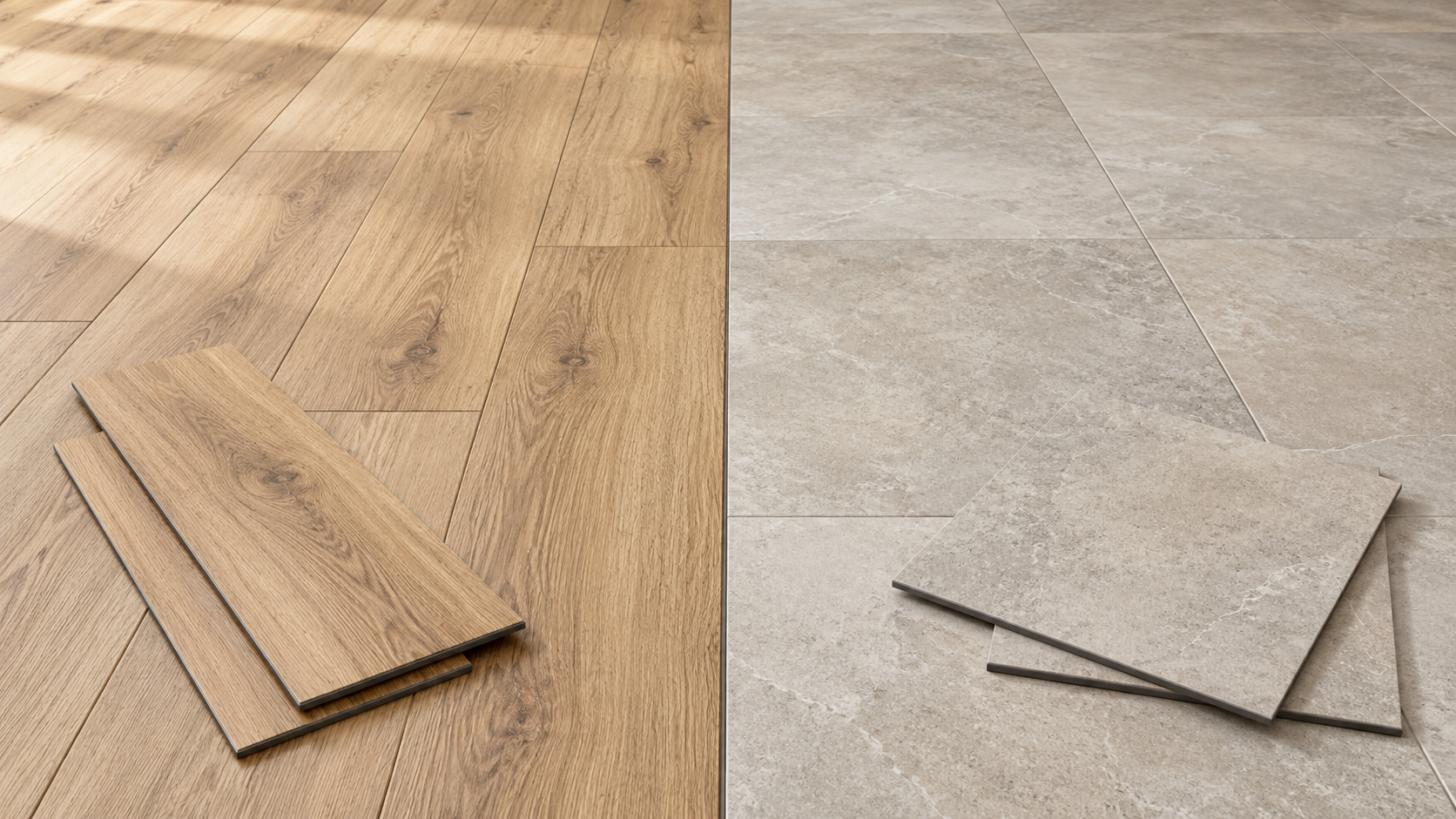
Choosing between luxury vinyl plank and tile can feel like decoding a secret language. If you’re staring at options labeled LVP vs LVT flooring and wondering which suits your kitchen or living area best, you’re not alone. This guide breaks down the differences clearly, helping you pick the right style and material for your space. Stick around to see why COREtec flooring options stand out when searching for the best vinyl flooring for kitchens.
What Do LVP and LVT Actually Mean?
Let’s clear up the confusion right away. LVP stands for Luxury Vinyl Plank, while LVT means Luxury Vinyl Tile. Both fall under the luxury vinyl flooring umbrella, but they differ in shape, appearance, and the aesthetic they bring to your home.
Think of it this way: LVP comes in long, narrow strips that mimic hardwood flooring. LVT, on the other hand, comes in square or rectangular pieces designed to look like ceramic or stone tile. The material composition is similar, but the format changes everything about how your floor looks and feels.
When you’re comparing LVP vs LVT flooring, you’re really deciding between a wood look and a tile look. That’s the core difference, and it matters more than you might think.
Breaking Down Luxury Vinyl Plank (LVP)
What Makes LVP Special?
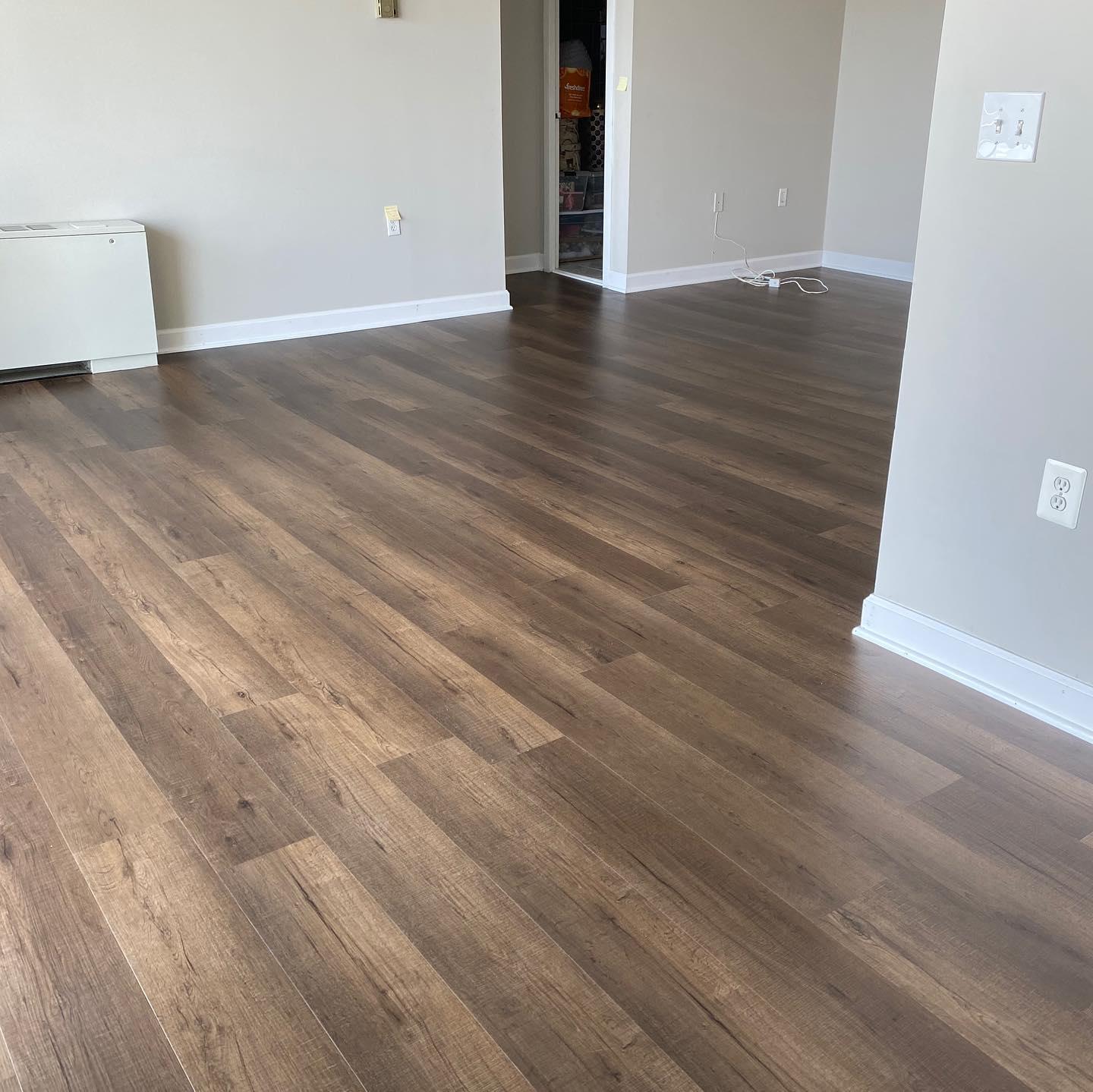
Luxury vinyl plank gives you the warm, classic appearance of hardwood without the high maintenance or price tag. These planks typically measure 36 to 48 inches long and 6 to 9 inches wide, creating that familiar wood floor pattern.
Modern printing technology makes LVP look remarkably realistic. You’ll find options that replicate oak, maple, walnut, and even exotic woods. The texture often includes embossing that matches the grain pattern, so it feels authentic underfoot.
Where LVP Works Best
LVP shines in spaces where you want that cozy, residential feel. Bedrooms, living rooms, dining areas, and hallways are natural fits. The wood aesthetic creates warmth and makes spaces feel inviting.
Many homeowners also choose LVP for basements. Unlike real hardwood, luxury vinyl plank handles moisture well and stays comfortable even over concrete subfloors. One homeowner from Ohio told us, “We installed LVP in our finished basement three years ago, and it still looks brand new despite our kids using it as a play space.”
LVP Installation Styles
Most luxury vinyl plank products feature click-lock installation systems. The planks snap together without glue or nails, floating over your existing subfloor. This makes installation faster and more forgiving for DIY enthusiasts.
Some premium options, including many COREtec flooring options, use rigid core construction. This adds stability and makes the floor feel more solid, especially over uneven subfloors.
Understanding Luxury Vinyl Tile (LVT)
The LVT Advantage
Luxury vinyl tile replicates the look of ceramic, porcelain, or natural stone. The tiles come in various sizes, from small mosaics to large format squares that can measure 18 inches or more per side.
The beauty of LVT is getting the high-end tile aesthetic without the cold, hard surface or difficult installation. You can create intricate patterns, mix colors, or keep things simple with a uniform look.
Best Spaces for LVT
LVT excels in moisture-prone areas. Bathrooms, laundry rooms, mudrooms, and entryways benefit from the water resistance and easy cleaning. The tile look also feels appropriate in these functional spaces.
Kitchens are another perfect match for LVT. When searching for the best vinyl flooring for kitchens, many homeowners land on luxury vinyl tile because it handles spills, stands up to foot traffic, and looks sophisticated. The tile aesthetic pairs well with modern and traditional kitchen designs alike.
A property manager in Florida shared, “We use LVT in all our rental kitchens and bathrooms. Tenants love the look, and it holds up better than anything else we’ve tried in that price range.”
Installation Considerations for LVT
Like LVP, most LVT products install with click-lock systems or adhesive backing. The square format gives you more flexibility for creative patterns. You can run tiles straight, diagonally, or create custom designs with different colors.
The smaller format means more seams than plank flooring, but quality products make these joints nearly invisible once installed.
Comparing Performance: LVP vs LVT
Durability and Wear Layer
Both formats use the same basic construction: a wear layer on top, a printed design layer, a core layer, and a backing. The wear layer thickness determines how well your floor resists scratches and dents.
Look for wear layers between 12 mil and 30 mil. Thicker is better for high-traffic areas. Both luxury vinyl plank vs tile options come in various wear layer thicknesses, so this isn’t a deciding factor between formats.
Water Resistance
Here’s good news: both LVP and LVT are 100% waterproof in their core construction. The vinyl material doesn’t absorb water like laminate or hardwood. This makes both excellent choices for any room in your home, including basements, kitchens, and bathrooms.
The seams between planks or tiles need proper installation to prevent water from reaching your subfloor, but the flooring itself won’t warp or buckle from spills or humidity.
Comfort Underfoot
Luxury vinyl flooring feels warmer and softer than ceramic tile. Both LVP and LVT provide this benefit equally. If you’re replacing cold tile floors, you’ll notice the difference immediately.
Some products include attached underlayment for extra cushioning. COREtec flooring options often feature cork backing that adds comfort and sound dampening. This matters if you have rooms above the installation area or want a quieter floor.
Maintenance Requirements
Both formats are easy to maintain. Regular sweeping or vacuuming plus occasional damp mopping keeps them looking great. Neither requires waxing, sealing, or special treatments.
Spills wipe up easily from both surfaces. The textured surface on many luxury vinyl products hides minor dirt better than glossy ceramic tile, meaning your floor looks cleaner longer between cleanings.
Design Flexibility: Choosing Your Aesthetic
Creating the Right Look
Your choice between LVP vs LVT flooring often comes down to the style you want to create. Wood-look planks make spaces feel warm and traditional. They work beautifully in homes with wood trim, craftsman details, or rustic elements.
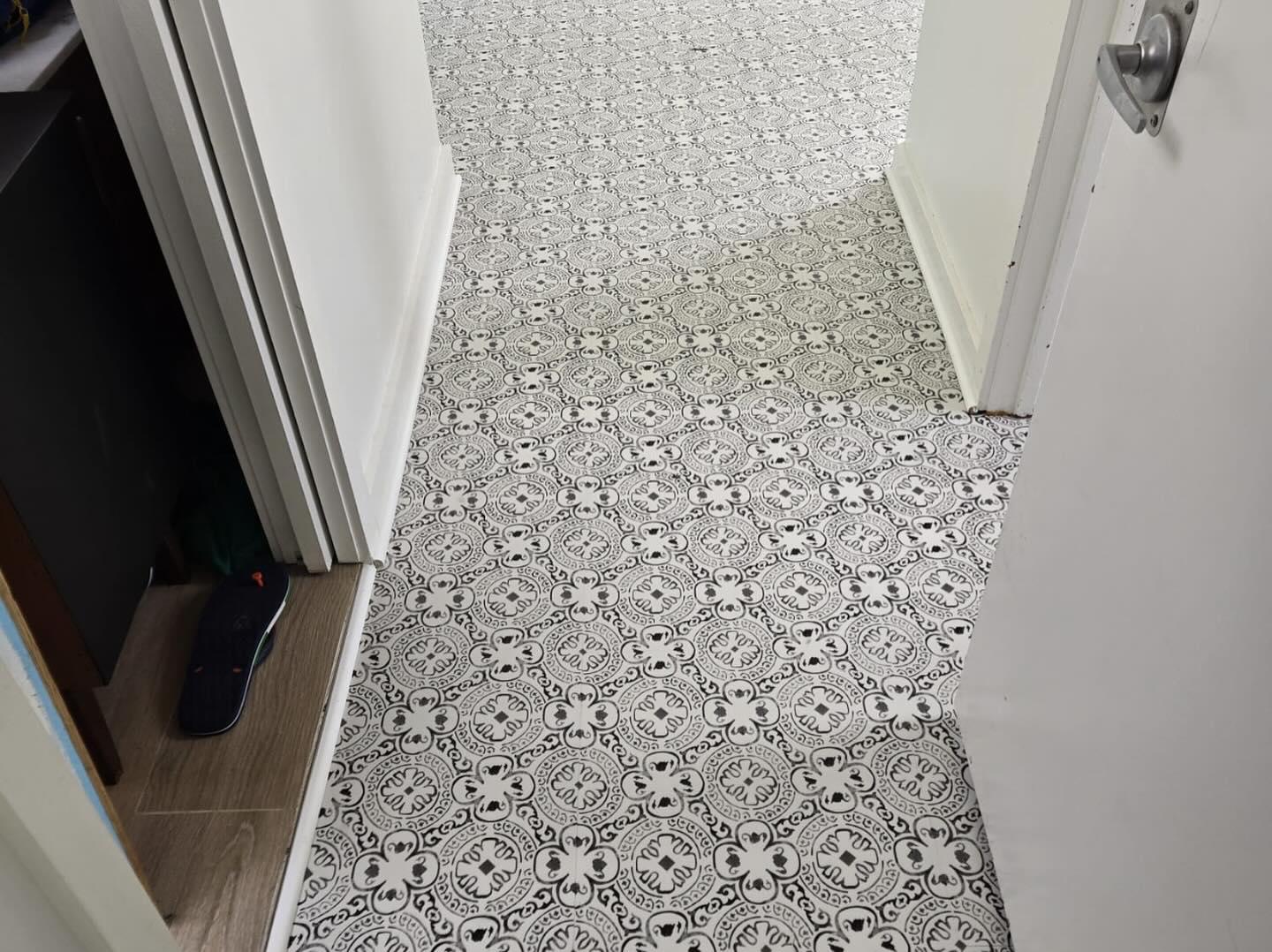
Tile-look LVT brings a cleaner, more contemporary feel. It pairs well with modern cabinetry, stainless appliances, and minimalist design. You can also achieve a classic look with patterns that mimic vintage tile or natural stone.
Mixing Formats
Some homeowners use both formats in different areas. LVP in living spaces and bedrooms creates continuity and warmth. LVT in kitchens and bathrooms provides the practical tile aesthetic where it makes sense.
Just make sure to use transition strips where different flooring types meet. This protects the edges and creates a clean visual break between spaces.
Color and Pattern Selection
Both formats offer extensive color options. LVP ranges from light blonde woods to dark espresso tones, with everything in between. You’ll find options with natural variation or more uniform coloring.
LVT includes neutral stones, bold patterns, and everything from subway tile looks to intricate mosaics. The variety lets you match any design scheme.
Cost Comparison and Value
Price Ranges
Both luxury vinyl plank and tile fall into similar price ranges. Basic options start around $2 to $3 per square foot. Mid-range products run $4 to $6 per square foot. Premium lines can reach $8 to $10 per square foot.
The format doesn’t significantly impact price. Instead, factors like wear layer thickness, core construction, and brand reputation determine cost. COREtec flooring options typically fall into the mid to premium range, reflecting their quality construction and performance features.
Installation Costs
Professional installation adds $2 to $5 per square foot for either format. LVT might cost slightly more if you choose a complex pattern or diagonal layout that requires more cutting and fitting.
Many homeowners successfully install both formats themselves, especially click-lock products. This can save hundreds or thousands of dollars on a whole-house project.
Long-Term Value
Quality luxury vinyl flooring lasts 15 to 25 years with proper care. This makes it a solid investment that competes well with more expensive options like hardwood or ceramic tile.
The waterproof nature means fewer worries about damage and replacement. Unlike laminate that can swell from water exposure or hardwood that can warp, luxury vinyl bounces back from moisture incidents.
Special Considerations for Kitchens
Why Kitchens Need Special Attention
Kitchens take more abuse than almost any other room. Spills happen daily. Dropped pots and utensils test durability. Temperature changes from cooking affect flooring materials.
When looking for the best vinyl flooring for kitchens, both LVP and LVT work well. The choice comes down to your preferred aesthetic and how the flooring integrates with your cabinets and countertops.
LVT Advantages in Kitchens
Many designers prefer the tile look in kitchens because it feels appropriate for a food preparation area. The visual breaks between tiles can hide small imperfections or debris better than long plank seams.
LVT also offers more flexibility for creating focal points. You can use a different pattern in an island area or create a bordered design that defines your kitchen space.
LVP in Kitchen Spaces
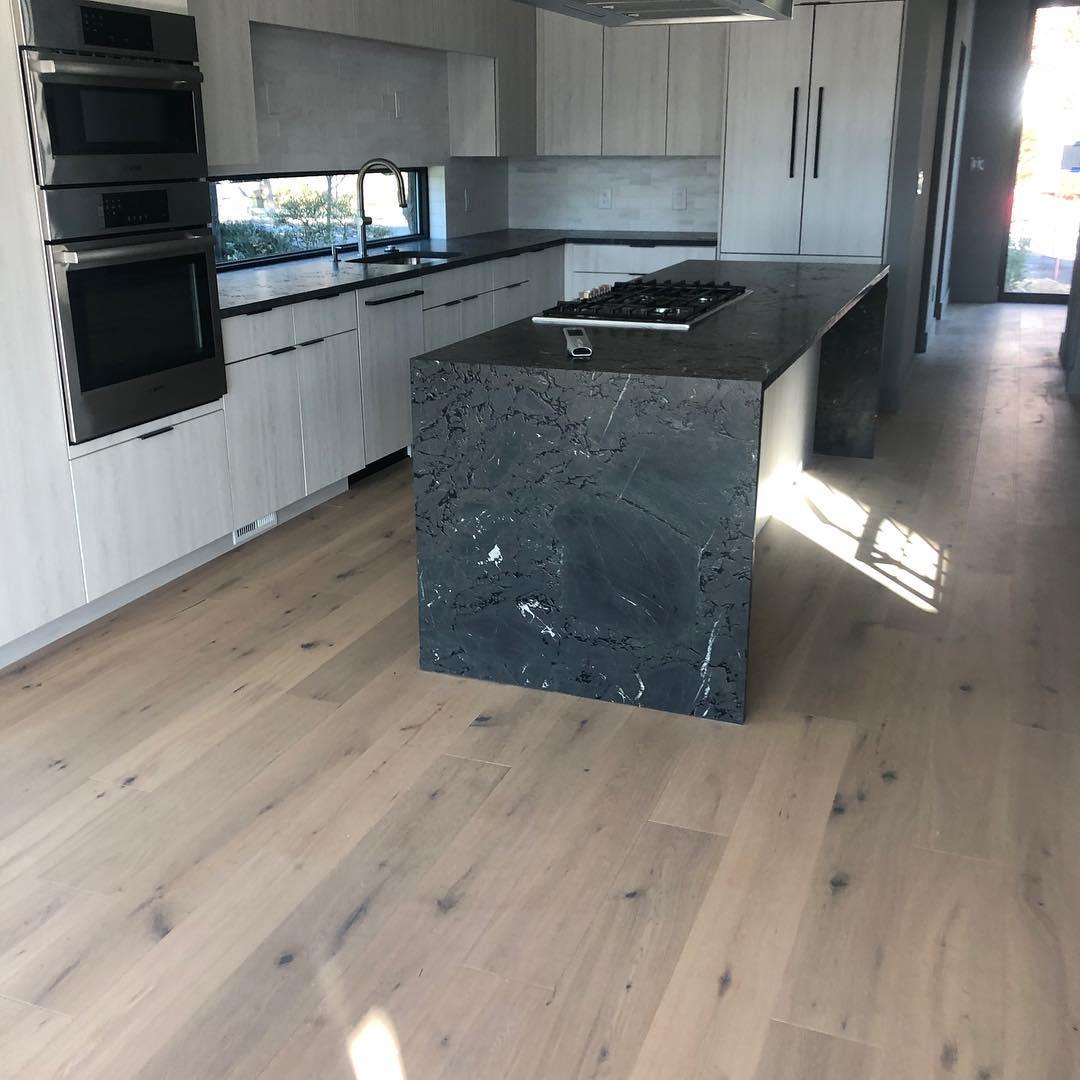
That said, wood-look LVP creates a warm, welcoming kitchen that flows naturally into adjacent living spaces. If you have an open floor plan, continuing the same plank flooring from your living room into the kitchen creates visual continuity.
The longer planks mean fewer seams overall, which some people prefer for cleaning. There are fewer grout lines (even though luxury vinyl doesn’t have actual grout) to worry about.
COREtec Flooring: A Closer Look
What Sets COREtec Apart
COREtec pioneered rigid core luxury vinyl flooring. Their products feature a dense core layer that resists denting and provides superior stability. This means the floor stays flat even over slightly uneven subfloors.
The cork backing on many COREtec flooring options adds comfort and warmth. It also provides natural sound absorption, making your home quieter. If you live in a multi-story home or have rooms above your installation area, this matters.
COREtec Format Options
COREtec offers both plank and tile formats, so you’re not limited in your design choices. Their wood-look planks include realistic textures and a wide range of colors. The tile options replicate natural stone beautifully.
The click-lock installation system makes COREtec products DIY-friendly. The rigid core construction is more forgiving during installation than cheaper flexible vinyl products.
Performance in Real Homes
Homeowners consistently praise COREtec for holding up to real-life use. One customer noted, “We have three dogs and two kids. Our COREtec floors have survived four years of chaos and still look great. No scratches, no dents, no regrets.”
The waterproof construction means true peace of mind in kitchens, bathrooms, and basements. Unlike some vinyl products that claim water resistance but have vulnerable cores, COREtec’s solid construction protects against moisture from top to bottom.
Making Your Final Decision
Ask Yourself These Questions
Which aesthetic appeals to you more: wood or tile? Walk through your home and picture both options. Consider your existing decor, trim color, and overall style.
What rooms are you flooring? If you’re doing a whole house, you might choose one format for continuity. If it’s a single room, think about what makes sense for that specific space.
What’s your budget? Both formats offer options at various price points, but knowing your budget helps narrow choices quickly.
Do you plan to install it yourself? Both formats are DIY-friendly, but make sure you’re comfortable with the project scope before committing.
Getting Samples
Never choose flooring without seeing and touching samples in your actual space. Lighting changes how colors appear. What looks perfect in a showroom might not work in your home.
Order samples of your top choices in both LVP and LVT if you’re torn. Live with them for a few days. Move them around to different rooms. See how they look in morning light versus evening light.
Professional Guidance
Talk to flooring specialists who can show you options and answer specific questions about your space. They can point out considerations you might not have thought about, like subfloor requirements or transition needs.
Many retailers offer free design consultations. Take advantage of this expertise. Bring photos of your space, measurements, and any inspiration images you’ve collected.
Installation Tips for Success
Preparing Your Space
Proper subfloor preparation makes or breaks your installation. The surface must be clean, dry, and level. Remove old flooring and repair any damage to the subfloor.
Check for moisture issues, especially in basements and over concrete. Even though luxury vinyl is waterproof, excessive moisture coming up through concrete can cause problems over time.
Acclimation Matters
Let your flooring acclimate to your home’s temperature and humidity for at least 48 hours before installation. Store the boxes in the room where you’ll install them. This prevents expansion or contraction issues after installation.
Tools You’ll Need
For click-lock installations, you need basic tools: a tape measure, utility knife, straight edge, tapping block, and pull bar. A miter saw or vinyl cutter makes cutting easier but isn’t absolutely necessary.
Take your time with cuts around doorways and obstacles. Measure twice, cut once. The beauty of luxury vinyl is that mistakes aren’t as costly as with hardwood or tile, but careful work still produces better results.
Working with Patterns
If you’re installing LVT in a pattern, plan your layout before you start. Dry lay tiles to see how the pattern works. Start from the center of the room and work outward for balanced results.
With LVP, vary the plank lengths and stagger end joints by at least 6 inches. This creates a more natural wood floor appearance and adds structural stability.
Caring for Your New Floor
Daily Maintenance
Sweep or vacuum regularly to remove dirt and grit. These particles can scratch the wear layer over time if left to be ground in by foot traffic.
Use a dry or damp microfiber mop for routine cleaning. You don’t need special cleaners for most messes. Plain water or a mixture of water and a tiny bit of dish soap works fine.
Dealing with Spills and Stains
Wipe up spills promptly. Even though luxury vinyl is waterproof, standing water can seep into seams or edges if left for extended periods.
For stubborn stains, use a cleaner specifically designed for luxury vinyl flooring. Avoid abrasive scrubbers that might dull the wear layer.
Protecting Your Investment
Use felt pads under furniture legs to prevent scratches when moving pieces. Place mats at exterior doors to catch dirt and moisture before it reaches your floor.
Avoid rubber-backed rugs, which can discolor vinyl flooring over time. Use vinyl-safe rug pads instead.
Real Homeowner Stories
Sarah’s Kitchen Renovation
Sarah from Michigan chose LVT for her kitchen remodel. “I wanted the tile look but couldn’t afford real ceramic. The luxury vinyl tile I found looked identical to the $15 per square foot porcelain I loved. I saved thousands and got a warmer, more comfortable floor. Best decision I made during the renovation.”
Mike’s Basement Transformation
Mike finished his basement with LVP throughout. “I was worried about moisture and wanted something that looked nice but could handle a basement environment. The wood-look planks made the space feel like part of the main house, not like a basement. Three years in, with kids using it constantly, the floor looks perfect.”
The Johnson Family’s Whole-House Project
The Johnsons mixed both formats. “We put LVP in the bedrooms and living areas for that cozy wood feel. In the kitchen and bathrooms, we used LVT that looks like marble. The combination works perfectly. Each space has the right aesthetic, and everything is easy to maintain.”
Your Next Steps
Now that you understand the difference between luxury vinyl plank vs tile, you’re ready to make a confident choice. Remember, there’s no wrong answer. Both formats perform beautifully. Your decision comes down to the look you want and where you’re installing.
Start by visiting a flooring showroom to see options in person. Touch the surfaces, look at the textures, and imagine them in your home. Ask about COREtec flooring options if you want premium quality with proven performance.
Get samples of your favorites. Live with them for a few days before committing. This small step prevents expensive regrets later.
When you’re ready to buy, work with a retailer who offers good warranties and stands behind their products. Installation quality matters as much as product quality, so choose experienced installers if you’re not doing it yourself.
Your new floor will transform your space. Whether you choose the warm wood aesthetic of LVP or the clean tile look of LVT, you’re getting a practical, beautiful, long-lasting floor that fits your lifestyle and budget.
Ready to start your flooring project? Reach out to a local flooring specialist today. They can answer your specific questions, show you the latest options, and help you create the space you’ve been dreaming about. Your perfect floor is waiting.
Frequently Asked Questions
What is the main difference between LVP and LVT flooring?
LVP (Luxury Vinyl Plank) comes in long, narrow strips designed to look like hardwood flooring, while LVT (Luxury Vinyl Tile) comes in square or rectangular pieces that mimic ceramic or stone tile. Both use similar materials and construction but create completely different aesthetics in your home.
Is luxury vinyl plank or tile better for kitchens?
Both work exceptionally well in kitchens due to their waterproof construction and durability. LVT often feels more appropriate in kitchens because of its tile aesthetic, but LVP creates warmth and flows well into open-concept living spaces. The best vinyl flooring for kitchens depends on your design preference and how your kitchen connects to adjacent rooms.
How long does luxury vinyl flooring last?
Quality luxury vinyl flooring typically lasts 15 to 25 years with proper care and maintenance. The longevity depends on the wear layer thickness, the amount of foot traffic, and how well you maintain the floor. Thicker wear layers (20mil or higher) provide better durability in high-traffic areas.
Can I install LVP or LVT over existing flooring?
In many cases, yes. You can install luxury vinyl over existing vinyl, tile, or concrete as long as the surface is clean, dry, and level. You cannot install it over carpet or cushioned vinyl. Always check the manufacturer’s installation guidelines, as some products have specific subfloor requirements that affect warranty coverage.
What makes COREtec flooring different from other luxury vinyl brands?
COREtec flooring options feature rigid core construction that provides superior stability and resistance to denting. Many COREtec products include cork backing for added comfort, warmth, and sound absorption. The brand pioneered rigid core technology and maintains a reputation for quality construction that holds up well in real-world use.
Ready to get this done in your home?
5.0-star Google rating · 500+ reviews · MHIC #104041 · Licensed & Insured
Get My Free Estimate Call 240-246-4561
Related services: Hardwood Floor RestorationHardwood Floor StainingCOREtec Flooring
Contact Us
Fill out the form below and an AG Construction representative will contact you soon.


Maryland’s Premier Flooring Company
full-service flooring contractor
Whether you own a home or business, we’re your single source for complete flooring installation services! Our comprehensive services include:
- Hardwood staining, sanding, refinishing, restoration, and more!
- Carpet removal and installation
- Vinyl luxury plank replacement and installation
- Vinyl tile and COREtec installation
- And more!