

back to blog

How Often Can Hardwood Floors Be Refinished? Solid vs. Engineered Wood Thickness Explained
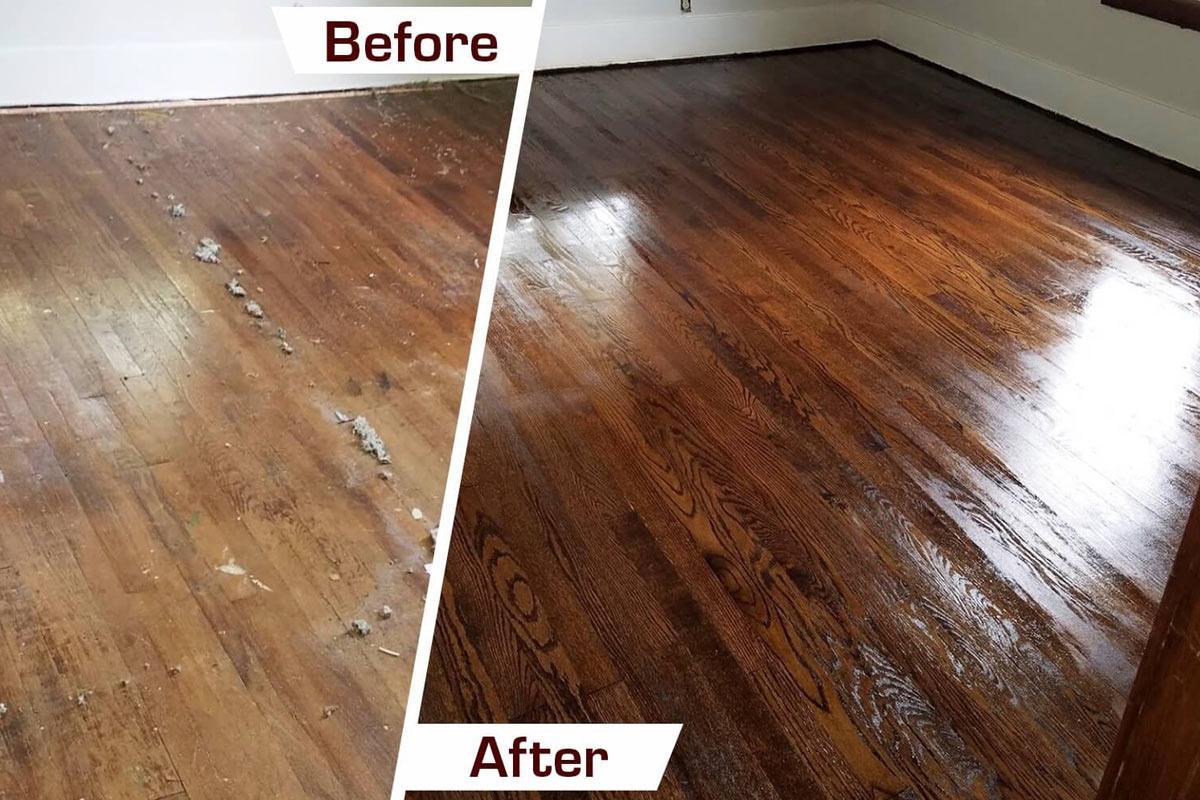
Most buyers don’t realize their hardwood floors can only handle so many refinishes before the wood runs thin. You’re probably wondering how many times can hardwood floors be sanded without causing damage. This guide breaks down wear layer thickness explained for solid vs engineered wood floors so you know when refinishing makes sense—and when replacement is the smarter choice.
Understanding Your Floor’s Refinishing Potential
When you’re looking at a home with worn hardwood floors, one of the biggest questions on your mind is whether those floors can be saved. The answer depends entirely on what type of flooring you have and how much wood is left to work with.
Think of it like this: every time you sand a floor, you’re removing a thin layer of wood. Do this too many times, and you’ll eventually hit the tongue-and-groove joints or, in the case of engineered wood, the plywood base underneath. Neither scenario is pretty, and both mean you’ve gone too far.
The Basics of Floor Thickness
Before we talk about how many times can hardwood floors be sanded, let’s get clear on what we’re working with. Your floor’s ability to handle refinishing comes down to one simple thing: thickness.
Solid hardwood floors are made from a single piece of wood, typically 3/4 inch thick. Engineered hardwood, on the other hand, is a layered product with a real wood veneer (called the wear layer) on top and plywood layers underneath.
Solid vs Engineered Wood Floors: What’s the Difference?
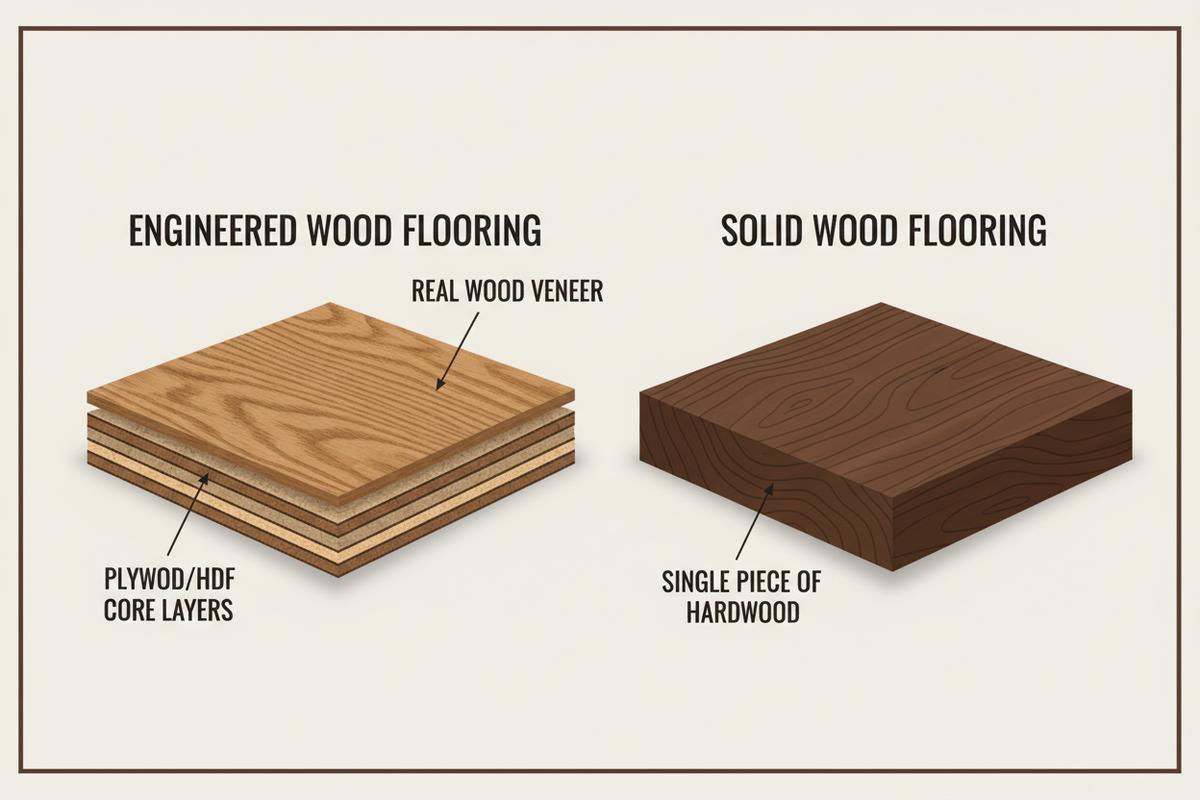
Solid Hardwood Floors
Solid hardwood is the traditional choice that’s been around for centuries. These floors are milled from a single piece of wood, usually oak, maple, or cherry. The entire thickness is real hardwood, which gives you plenty of material to work with over the years.
Most solid hardwood floors measure 3/4 inch thick. When you sand them, you’re typically removing about 1/32 to 1/16 of an inch of material per refinishing, depending on how damaged the floor is and how aggressive the sanding needs to be.
Here’s the good news: solid hardwood floors can usually be refinished 4 to 10 times during their lifetime. That’s a pretty wide range, and where your floors fall depends on several factors we’ll cover in a moment.
Engineered Hardwood Floors
Engineered hardwood is a different story. These floors have a thin layer of real hardwood on top (the wear layer) bonded to multiple layers of plywood. The wear layer is the only part you can sand.
Can engineered hardwood be refinished? Yes, but with limitations. The wear layer on engineered floors typically ranges from 1/16 inch to 1/4 inch thick. Cheaper products might have even thinner wear layers, sometimes as little as 1/32 inch.
This means engineered floors can usually be refinished 0 to 3 times, depending on the thickness of that top layer. Some budget engineered products can’t be refinished at all because the wear layer is just too thin.
How Many Times Can Hardwood Floors Be Sanded?
Let’s get specific about numbers. The answer to how many times can hardwood floors be sanded depends on what you’re starting with.
For Solid Hardwood
A typical 3/4-inch solid hardwood floor can be sanded 4 to 10 times. Here’s how that breaks down:
New or lightly used floors: If your floors have never been refinished or only done once, you’re in great shape. You likely have 6 to 9 more refinishes ahead of you.
Previously refinished floors: If the home seller mentions the floors were refinished once or twice before, you still have plenty of life left. Figure on 4 to 7 more refinishes.
Heavily refinished floors: If you can see the floor is noticeably thinner near the edges or the tongue-and-groove joints are becoming visible, the floor has been sanded many times. You might only have 1 to 3 refinishes left.
Each sanding removes approximately 1/32 to 1/16 inch of wood. Light refinishing for minor scratches might only take off 1/32 inch, while deep damage could require removing 1/16 inch or more.
For Engineered Hardwood
The refinishing potential of engineered floors depends entirely on the wear layer thickness. Here’s your wear layer thickness explained:
Thick wear layer (1/4 inch): These premium products can be refinished 2 to 3 times. You’re in good shape if you have this type.
Medium wear layer (1/8 inch): Expect 1 to 2 refinishes. This is common in mid-range engineered products.
Thin wear layer (1/16 inch or less): These can usually only be refinished once, if at all. Many flooring professionals won’t touch them because the risk of sanding through is too high.
How to Tell If Your Floors Can Be Refinished
When you’re touring a home, you can’t exactly pull out a measuring tape and check the floor thickness. But there are telltale signs that help you figure out whether refinishing is still an option.
Visual Inspection Tips
Look at the floor edges where they meet the walls. If you remove a floor vent or look under a doorway threshold, you can sometimes see the floor’s cross-section. This gives you a sense of how much wood is left.
Check for cupping or crowning. If the floor boards are noticeably curved, they’ve likely absorbed moisture over time. While this doesn’t directly tell you about thickness, it does mean the floor will need more aggressive sanding to flatten it out.
Look for visible nails or staples. If you can see fasteners poking through the surface, the floor has been sanded too many times already.
Professional Assessment
The smartest move is to bring in a flooring professional before you close on the house. Most contractors will do a quick assessment for free or a small fee. They can:
Measure the floor thickness at various points
Check for structural issues like loose boards or subfloor damage
Give you an honest opinion about whether refinishing is worth it
Provide a quote so you know what you’re getting into
One homeowner in Portland shared her story: “We fell in love with a 1920s bungalow with original oak floors. They looked pretty beat up, so we had a flooring guy come out during our inspection period. He measured the floors and told us they’d been refinished at least four times already but still had enough wood for two more refinishes. That information helped us negotiate $3,000 off the asking price to cover the refinishing work.”
Factors That Affect How Many Times You Can Refinish
Beyond just the starting thickness, several other factors determine how many times can hardwood floors be sanded.
Quality of Previous Work
If previous refinishing jobs were done poorly, more wood may have been removed than necessary. Amateur DIY jobs often involve uneven sanding or multiple passes with coarse-grit sandpaper, eating up precious thickness.
Professional refinishers use a systematic approach, starting with coarser grits and progressing to finer ones, removing only as much wood as needed. This preserves thickness for future refinishes.
Type of Damage
Surface scratches and light wear require minimal sanding. Deep gouges, pet stains that have penetrated the wood, or water damage might require aggressive sanding that removes more material.
If you’re looking at floors with significant damage, factor that into your calculations. What might normally be a light refinish could turn into a heavy sanding job.
Floor Installation Method
Nail-down floors are installed with the top of the boards sitting above the subfloor. This gives you the full thickness to work with.
Glue-down floors, common with engineered products, sit flush with or slightly below the surrounding surface. This can limit how much you can sand without creating an uneven transition to adjacent rooms.
The Cost Factor: Refinish or Replace?
Let’s talk money. Refinishing typically costs $3 to $8 per square foot, depending on your location and the floor’s condition. For a 1,000-square-foot home, that’s $3,000 to $8,000.
Replacement costs $8 to $15 per square foot for solid hardwood, or $8,000 to $15,000 for that same 1,000-square-foot space. Engineered hardwood replacement runs $6 to $12 per square foot.
If your floors can only be refinished one more time, you need to think long-term. Will you want to refinish again in 10 years? If so, replacement might make more financial sense now.
On the flip side, if the floors can handle 3 or more refinishes, you’re looking at decades of life. That makes refinishing a smart investment.
Making the Right Choice for Your Home
Here’s a simple decision tree to help you figure out the best path forward:
If you have solid hardwood that’s been refinished 0 to 3 times: Refinish with confidence. You have plenty of life left in those floors.
If you have solid hardwood that’s been refinished 4 to 6 times: Get a professional opinion. You likely have at least one or two more refinishes left, but you want to be sure.
If you have solid hardwood that’s been refinished 7 or more times: Consider replacement, especially if you plan to stay in the home long-term.
If you have engineered hardwood with a thick wear layer that’s never been refinished: You can probably refinish 2 to 3 times. Go for it.
If you have engineered hardwood with a medium wear layer: One refinish is likely your limit. Make it count.
If you have engineered hardwood with a thin wear layer: Skip refinishing. The risk of sanding through isn’t worth it. Plan for replacement instead.
Real Stories from Real Homeowners
Sarah and Mike bought a 1960s ranch house in Michigan with original oak floors. “The floors looked terrible, covered in old carpet padding residue and scratches from decades of use,” Sarah recalls. “Our contractor told us the floors had only been refinished once in 60 years. After sanding and refinishing, they looked brand new. Knowing we can refinish them at least five more times makes us feel great about our investment.”
Contrast that with Jennifer’s experience in Colorado: “We bought a flipped house with beautiful-looking engineered floors. Two years later, we had some water damage and needed to refinish a section. The flooring company told us the wear layer was too thin to sand. We ended up replacing the entire first floor for $12,000. I wish I’d known to check the wear layer thickness before buying.”
Questions to Ask Before You Buy
When you’re considering a home with hardwood floors, add these questions to your inspection checklist:
Are these solid or engineered hardwood floors?
How many times have the floors been refinished?
What’s the wear layer thickness on engineered floors?
Are there any areas of significant damage that would require heavy sanding?
Can I have a flooring contractor assess the floors during my inspection period?
Don’t rely on the seller’s word alone. Many homeowners genuinely don’t know the history of their floors. A professional assessment gives you facts to work with.
Getting Professional Help
Refinishing hardwood floors is not a DIY project for most people. The equipment is expensive to rent, the learning curve is steep, and mistakes are costly. One wrong move with a drum sander can gouge your floor beyond repair.
Professional refinishers have the experience to assess your floor’s condition, choose the right approach, and execute the work without damaging the wood. They also have insurance to cover any mishaps.
When you’re ready to move forward, get quotes from at least three contractors. Ask for references and look at photos of their previous work. A good contractor will:
Inspect your floors thoroughly before quoting
Explain what grit sequence they’ll use
Discuss finish options (oil-based vs water-based polyurethane)
Provide a realistic timeline
Stand behind their work with a warranty
Protecting Your Investment
Once you’ve refinished your floors, protect them to extend the time between refinishes:
Use felt pads under furniture legs
Place rugs in high-traffic areas
Keep pet nails trimmed
Clean up spills immediately
Avoid walking on floors with high heels or cleats
Use manufacturer-recommended cleaning products
These simple steps can add years to your floor’s life and reduce the frequency of refinishing.
Solid vs Engineered Wood Floors: Which Is Better?
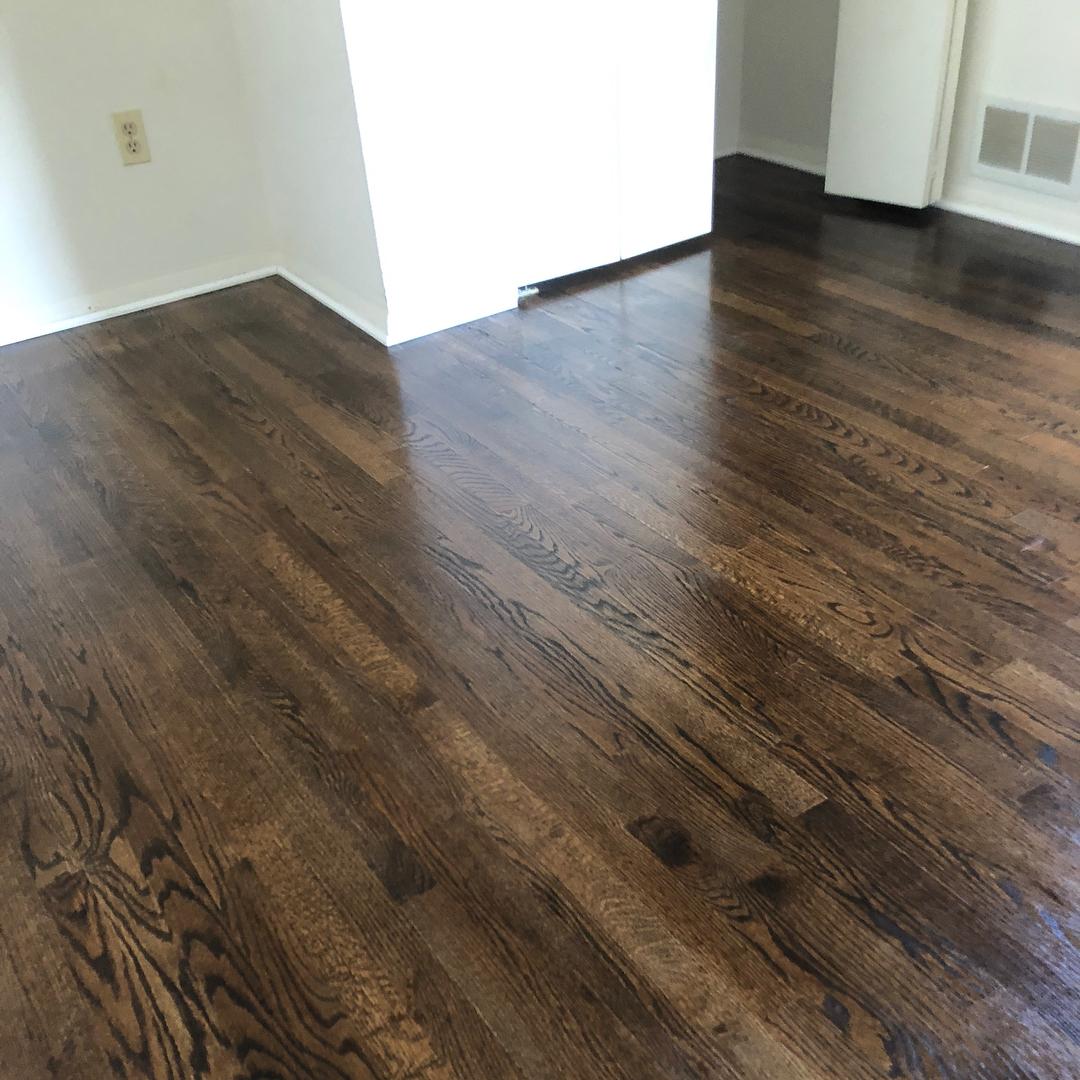
There’s no universal answer. Solid hardwood offers more refinishing potential and a longer lifespan, often lasting 100 years or more with proper care. It’s the best choice for areas above grade where moisture isn’t a concern.
Engineered hardwood is more stable in humid environments and can be installed in basements or over concrete slabs. It costs less upfront but has limited refinishing potential. It’s a solid choice if you plan to replace your floors every 20 to 30 years anyway.
For buyers of existing homes, the question isn’t which is better overall but which is better for your specific situation. If the home has solid hardwood with refinishing life left, that’s a valuable asset. If it has engineered hardwood with a thin wear layer, budget for replacement down the road.
Your Next Steps
Now you know the answer to how many times can hardwood floors be sanded. You understand the difference between solid vs engineered wood floors and why wear layer thickness explained matters so much.
Here’s what to do next:
Schedule a flooring inspection during your home-buying process. This small investment can save you thousands in unexpected costs.
Get written quotes for both refinishing and replacement. Having both numbers helps you make an informed decision.
Factor flooring costs into your offer. If the floors need immediate work, use that information during negotiations.
Plan ahead. Even if the floors look okay now, knowing how many refinishes they have left helps you budget for future maintenance.
Your floors are one of the most visible features in your home. They set the tone for every room and represent a significant investment. Taking the time to understand their condition and potential before you buy gives you peace of mind and helps you make smart financial decisions.
Whether you’re looking at a charming older home with original hardwood or a newer build with engineered floors, you now have the knowledge to assess what you’re getting. And if you need help, professional flooring contractors are ready to guide you through the process.
Can engineered hardwood be refinished? Sometimes, depending on the wear layer. Can solid hardwood be refinished multiple times? Almost always, if enough thickness remains. The key is knowing what you have and making informed choices based on facts, not guesswork.
Ready to move forward? Reach out to a trusted flooring professional in your area for an assessment. Your future floors will thank you.
Frequently Asked Questions
How many times can solid hardwood floors be sanded?
Solid hardwood floors can typically be sanded 4 to 10 times during their lifetime. Each sanding removes about 1/32 to 1/16 inch of wood, and since most solid hardwood is 3/4 inch thick, you have plenty of material to work with. The exact number depends on the floor’s current thickness and how aggressively it needs to be sanded.
Can all engineered hardwood floors be refinished?
No, not all engineered hardwood can be refinished. It depends on the wear layer thickness. Floors with a 1/4-inch wear layer can be refinished 2 to 3 times, while those with 1/8-inch layers can handle 1 to 2 refinishes. Engineered floors with wear layers of 1/16 inch or thinner often cannot be refinished at all because there’s too little wood to sand safely.
How can I tell if my hardwood floors have been refinished before?
Check the floor edges where they meet walls or under vents to see the cross-section. Look for visible nails or fasteners on the surface, which indicate excessive sanding. You can also bring in a flooring professional who can measure the remaining thickness and assess previous work quality. Many contractors offer free or low-cost inspections.
What’s the difference between solid and engineered wood floors?
Solid hardwood is made from a single piece of wood, typically 3/4 inch thick, and can be sanded multiple times. Engineered hardwood has a thin real wood veneer (wear layer) on top of plywood layers. Solid floors last longer and offer more refinishing options, while engineered floors are more stable in humid conditions and cost less upfront but have limited refinishing potential.
Should I refinish or replace my hardwood floors?
If your solid hardwood floors have been refinished fewer than 4 times, refinishing is usually the better choice at $3 to $8 per square foot versus $8 to $15 for replacement. If floors have been refinished 7 or more times, replacement may make more sense long-term. For engineered hardwood with thin wear layers, replacement is often the only option.
Ready to get this done in your home?
5.0-star Google rating · 500+ reviews · MHIC #104041 · Licensed & Insured
Get My Free Estimate Call 240-246-4561
Related services: Hardwood Floor RefinishingHardwood Floor RestorationHardwood Floor StainingSanding and Staining Cost Guide
Recent Posts
Recent Posts
Contact Us
Fill out the form below and an AG Construction representative will contact you soon.


Maryland’s Premier Flooring Company
full-service flooring contractor
Whether you own a home or business, we’re your single source for complete flooring installation services! Our comprehensive services include:
- Hardwood staining, sanding, refinishing, restoration, and more!
- Carpet removal and installation
- Vinyl luxury plank replacement and installation
- Vinyl tile and COREtec installation
- And more!