

back to blog

Water-Based vs. Oil-Based Finishes: Which Is Best for Maryland Hardwood Floors?
MHIC #104041 · 5.0 from 552 Google reviews · Free written estimates · Since 2011
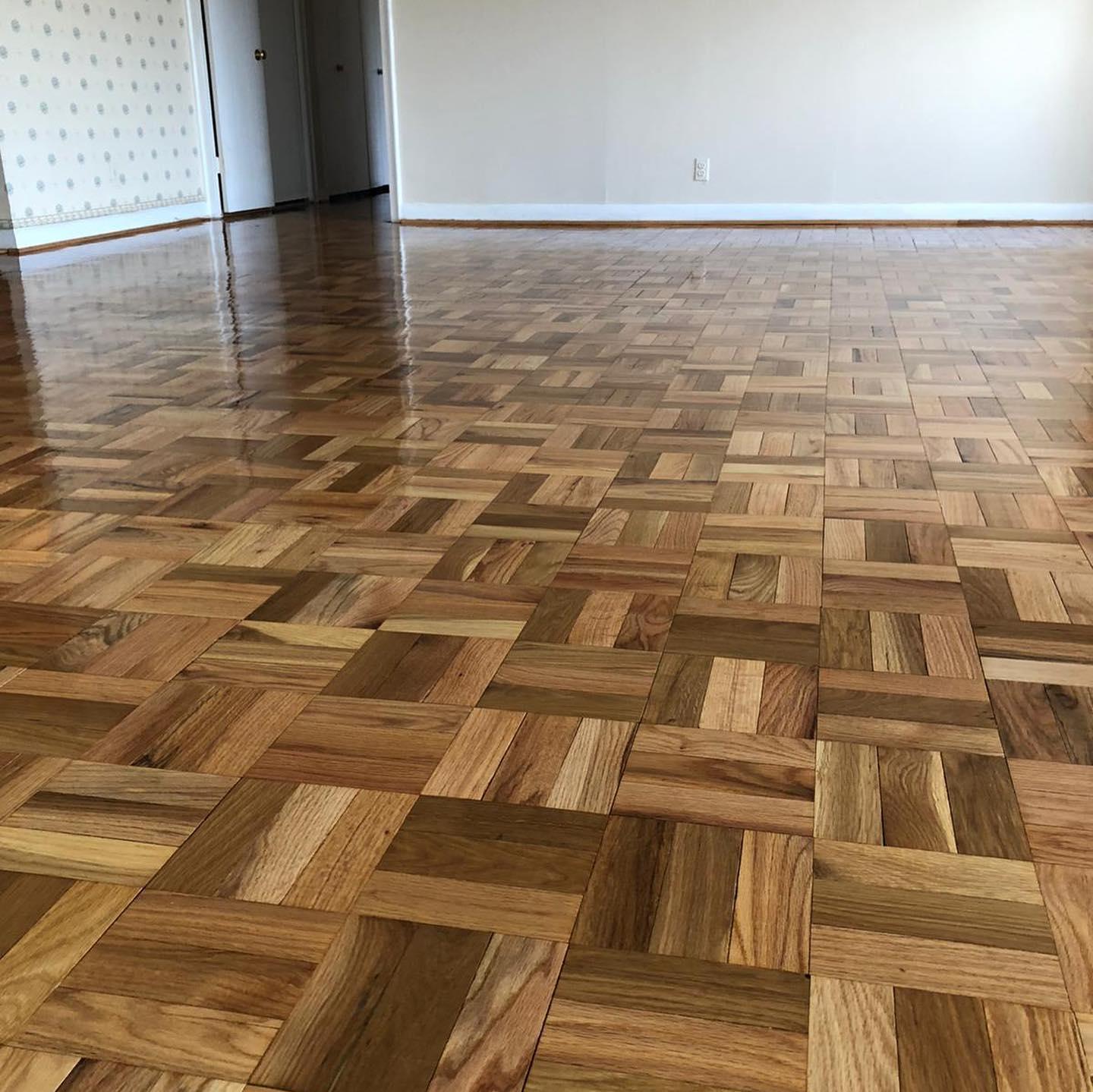
Most people don’t realize how much their floor finish affects indoor air quality and durability. If you’re in the middle of hardwood floor refinishing Rockville MD, choosing between water based vs oil based polyurethane can feel overwhelming. This guide breaks down what you need to know to pick the best finish for hardwood floors Maryland homeowners trust—without the strong odors or long wait times.
Thinking about your own floors?
Free written estimate. Aaron calls you back, usually the same business day. Text us photos of your floor for a fast quote.
Understanding Your Floor Finish Options
When you’re refinishing your hardwood floors, the finish you choose matters just as much as the sanding process itself. You’ve got two main options: water-based polyurethane and oil-based polyurethane. Each has its own set of benefits and drawbacks that can make or break your refinishing project.
Let’s be honest. You probably didn’t wake up this morning excited to learn about polyurethane. But if you’re living in your home during the refinishing process, or if you have kids and pets running around, this decision becomes pretty important. The finish you pick affects how long you need to stay out of your house, how your floors will look in five years, and whether your home smells like a chemical factory for weeks.
Water-Based Polyurethane: The Modern Choice
What Makes Water-Based Finishes Different
Water-based polyurethane has become the go-to choice for many Maryland homeowners, and for good reason. This finish uses water as its primary solvent instead of harsh chemicals. That means less smell, faster drying times, and easier cleanup for your flooring contractor.
The formula has come a long way in the past decade. Earlier versions were known for being less durable than oil-based options, but today’s water-based products can stand up to heavy foot traffic, pets, and daily wear just as well as their oil-based counterparts.
Benefits of Water-Based Finishes
If you’re looking for odor free floor sanding and finishing, water-based polyurethane is your best friend. The smell is minimal compared to oil-based products. You might notice a slight scent during application, but it fades within hours, not days or weeks.
You can usually walk on your floors within 24 hours of the final coat. That’s a huge advantage if you’re trying to minimize disruption to your daily routine. Some families can stay in their homes during the entire process, just avoiding the rooms being worked on.
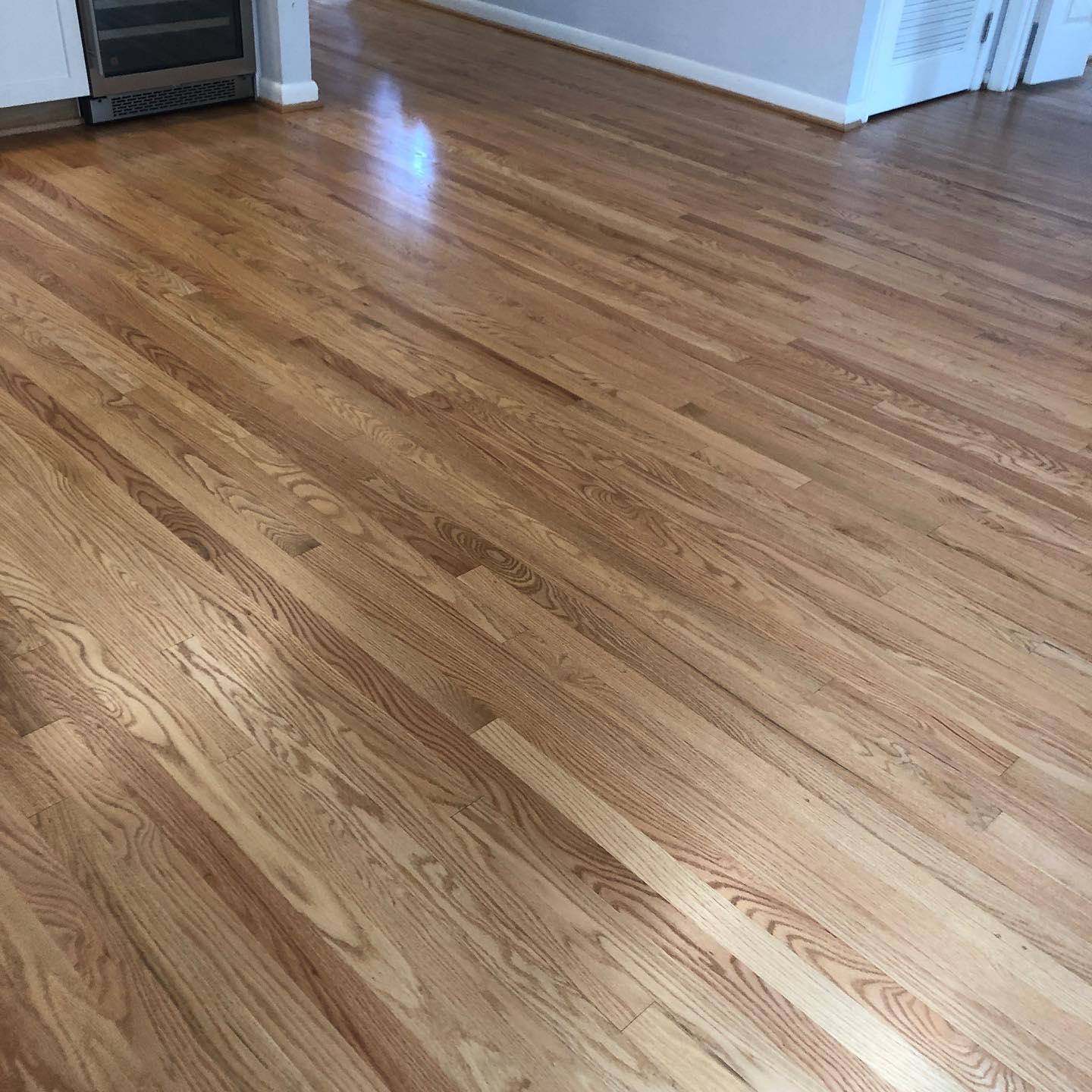
Water-based finishes also keep your floors looking natural. They don’t add that amber tint that oil-based products create. If you love the light, natural color of your hardwood, water-based polyurethane preserves that look beautifully.
These finishes are also better for your indoor air quality. They contain fewer volatile organic compounds (VOCs), which means less off-gassing. For families with young children, elderly relatives, or anyone with respiratory sensitivities, this is a big deal.
Potential Drawbacks to Consider
Water-based polyurethane typically costs more upfront. The product itself is pricier, and you might need more coats to achieve the same level of protection. Most contractors apply three to four coats of water-based finish compared to two to three coats of oil-based.
Some people feel that water-based finishes don’t bring out the grain of the wood quite as dramatically as oil-based options. If you have beautiful red oak floors and want that rich, deep color, you might miss the warmth that oil-based polyurethane provides.
Oil-Based Polyurethane: The Traditional Standard
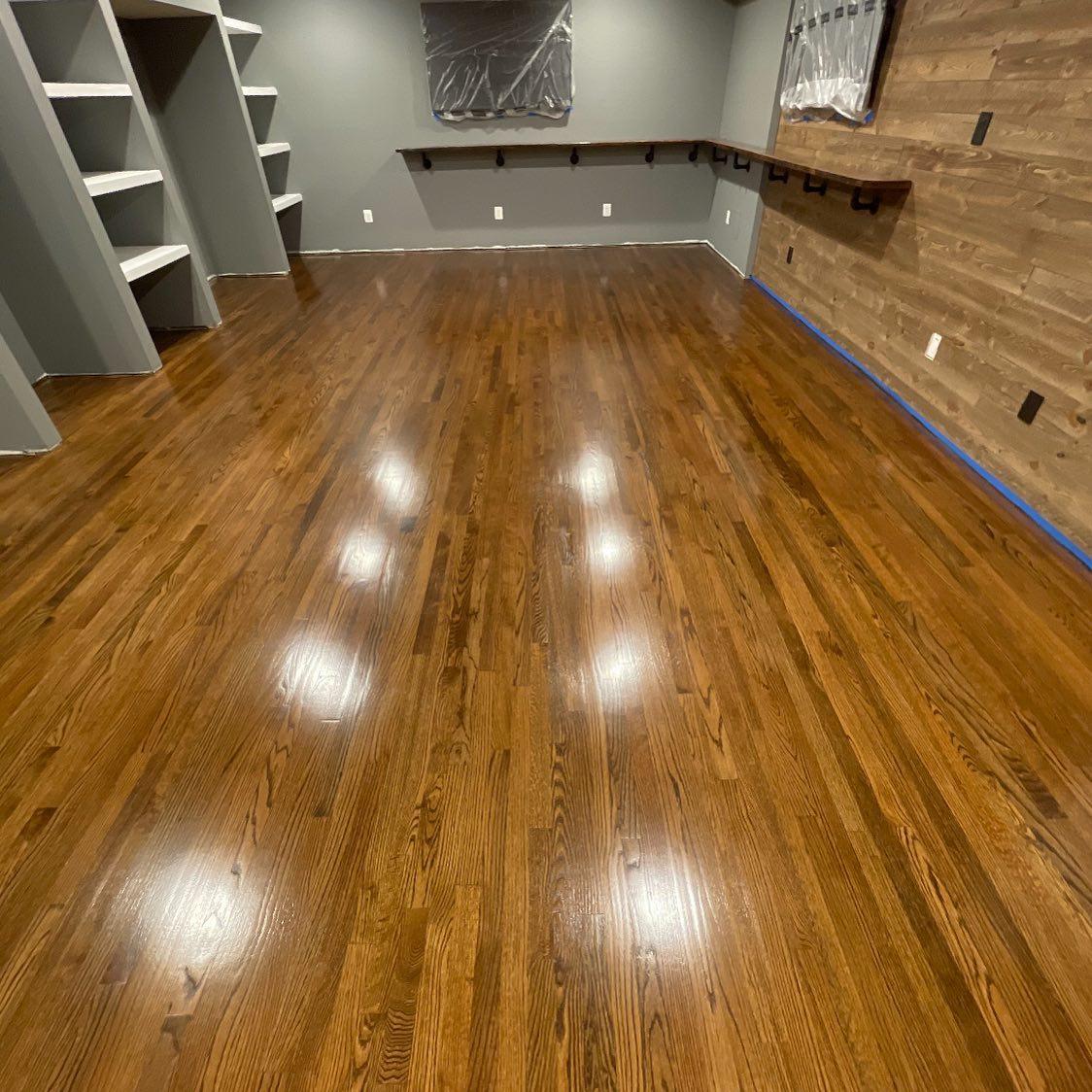
Why Oil-Based Finishes Have Staying Power
Oil-based polyurethane has been the standard for hardwood floor refinishing for decades. It creates a hard, protective layer that can take serious abuse. Many older homes in Maryland still have their original oil-based finish holding strong after 20 or 30 years.
This finish penetrates deeper into the wood, creating a bond that’s incredibly durable. It also brings out the natural warmth and character of hardwood, giving floors that classic, rich appearance that many homeowners love.
Benefits of Oil-Based Finishes
When it comes to durability, oil-based polyurethane is tough to beat. It creates a thicker coating with each application, which means better protection against scratches, dents, and general wear. For high-traffic areas or homes with large dogs, this extra toughness can extend the life of your finish by years.
Oil-based products are also more forgiving during application. They level out better, which can mean fewer visible brush marks or roller lines. For contractors, this can make the job easier and the results more consistent.
The cost per gallon is lower than water-based options. You’ll also need fewer coats, which can reduce labor costs. If budget is your primary concern, oil-based polyurethane offers excellent value for the protection it provides.
That amber glow that oil-based finishes create? Many people love it. It makes floors look warm and inviting, and it can hide slight color variations in your wood. Over time, this amber tone deepens, giving your floors a beautiful patina.
The Downsides You Need to Know
Here’s the big one: the smell. Oil-based polyurethane has a strong odor that can linger for days or even weeks. You’ll need to ventilate your home well during and after application. Most families need to stay elsewhere for at least a few days, sometimes longer if anyone has chemical sensitivities.
Drying time is also much longer. You might need to wait 24 to 48 hours between coats, and you shouldn’t put furniture back for at least a week. Full curing can take up to 30 days. During this time, you need to be careful about what you put on your floors.
The higher VOC content is another concern. These chemicals off-gas into your home’s air for weeks after application. While the finish is curing, your indoor air quality takes a hit. For eco-conscious families or anyone with asthma or allergies, this can be a deal-breaker.
Oil-based finishes also yellow over time, especially in areas that don’t get much sunlight. If you move a rug after a few years, you might see a color difference. Some people like this aging process, but others find it unappealing.
Making the Right Choice for Your Maryland Home
Consider Your Living Situation
Are you planning to stay in your home during the refinishing project? If yes, water-based polyurethane makes life much easier. You can often sleep in your home at night and just avoid the rooms being worked on during the day.
If you can easily stay with family or friends for a week, oil-based polyurethane becomes more feasible. The inconvenience might be worth it for the extra durability and lower cost.
Think About Your Health Priorities
For families with asthma, allergies, or chemical sensitivities, water-based finishes are usually the better choice. The reduced VOC content and minimal odor make a real difference in indoor air quality.
Pet owners also tend to prefer water-based options. You can bring your furry friends back home sooner, and there’s less risk of respiratory irritation from lingering fumes.
Factor in Your Floor’s Appearance Goals
Do you want your floors to look exactly like they do now, just shinier and protected? Water-based polyurethane maintains the natural color of your wood.
Looking for that classic, warm hardwood look with rich amber tones? Oil-based polyurethane delivers that traditional appearance beautifully.
Budget Considerations
If upfront cost is your main concern, oil-based polyurethane wins. But remember to factor in the total cost. If you need to pay for a hotel for a week, that can offset the savings on materials.
Water-based finishes cost more initially but offer value in convenience and health benefits. For many Maryland families, being able to stay home during the project is worth the extra expense.
What Makes the Best Finish for Hardwood Floors Maryland Homeowners Choose
Maryland’s climate plays a role in your finish choice. Our humid summers and dry winters cause wood to expand and contract. Both water-based and oil-based polyurethanes handle these changes well, but application timing matters.
Spring and fall are ideal for hardwood floor refinishing Rockville MD projects. The moderate temperatures and humidity levels help finishes cure properly. If you’re refinishing in summer, make sure your contractor controls indoor humidity during the curing process.
Local contractors in Maryland have seen a clear trend toward water-based finishes in recent years. The combination of low odor, quick drying times, and good durability makes sense for busy families who can’t afford long disruptions.
The Application Process Matters Too
No matter which finish you choose, proper application is critical. A skilled contractor knows how to prepare your floors correctly, apply even coats, and create a finish that will last.
For water based vs oil based polyurethane, the sanding process is actually the same. The difference comes in the finishing coats. Water-based products dry quickly, so contractors need to work efficiently to avoid lap marks. Oil-based finishes stay wet longer, allowing more time to achieve smooth, even coverage.
Ask your contractor about their experience with both types of finishes. Someone who primarily works with one type might not give you unbiased advice. Look for professionals who can confidently work with either option and will recommend what’s truly best for your situation.
Questions to Ask Your Contractor
Before starting your hardwood floor refinishing Rockville MD project, get clear answers to these questions:
How many coats will you apply? Water-based finishes typically need more coats than oil-based.
What’s the total drying and curing time? Know when you can walk on the floors, replace furniture, and consider the project complete.
What VOC levels are in the products you use? Some water-based finishes have higher VOC content than others.
Can I see examples of both finishes on similar wood? Photos help, but seeing actual floors in person is better.
What’s your warranty on the work? A confident contractor stands behind their application process.
Maintaining Your Floors After Refinishing
Once your floors are finished, proper care extends their life regardless of which product you chose.
For both types of finishes, wait the full curing time before placing rugs or heavy furniture. Use felt pads under furniture legs. Clean with products specifically designed for polyurethane-finished floors. Avoid water-based cleaners on oil-based finishes and vice versa.
Water-based finishes might need recoating slightly sooner than oil-based, but the process is easier and less disruptive. A light screening and recoat every 5 to 7 years keeps them looking fresh.
Oil-based finishes can often go 7 to 10 years between recoats. When it’s time, you’ll face that odor and disruption again, so plan accordingly.
Finding Odor Free Floor Sanding Solutions
The sanding process creates dust, not odors. Modern dust containment systems capture 99% of particles, keeping your home cleaner during the project.
The odor comes from the finish. If you want a truly odor free floor sanding and finishing experience, water-based polyurethane is your only real option. Some newer low-VOC oil-based products claim reduced odor, but they still smell significantly more than water-based alternatives.
Ask contractors about their dust containment equipment. Good systems protect your furniture, walls, and air ducts from fine dust particles. Combined with water-based polyurethane, you get a remarkably clean, odor-free process.
The Environmental Angle
Eco-conscious families appreciate that water-based finishes are better for the environment. Lower VOC emissions mean less air pollution. Water-based products are also easier to dispose of responsibly.
Oil-based polyurethane contains petroleum-based solvents. While effective, these products have a larger environmental footprint. The off-gassing contributes to indoor and outdoor air pollution.
If environmental impact matters to you, water-based polyurethane aligns better with green living principles. Look for products with Green Seal or Greenguard certification for the lowest environmental impact.
Making Your Final Decision
There’s no universally “best” choice between water based vs oil based polyurethane. The right answer depends on your specific situation, priorities, and home.
Choose water-based if you:
Need to stay in your home during refinishing
Have family members with respiratory sensitivities
Want minimal odor and quick drying times
Prefer your floors’ natural color
Prioritize environmental concerns
Don’t mind paying a bit more upfront
Choose oil-based if you:
Can stay elsewhere for a week or more
Want maximum durability and scratch resistance
Prefer the warm, amber glow of traditional hardwood
Are working with a tight budget
Don’t have concerns about VOCs and chemical exposure
Value long-term durability over short-term convenience
Ready to Start Your Flooring Project?
Choosing the best finish for hardwood floors Maryland homes need doesn’t have to be complicated. Now you understand the real differences between water-based and oil-based polyurethane. You know what to expect from each option and how to decide based on your family’s needs.
The next step is finding a qualified contractor who respects your preferences and can deliver quality results with either type of finish. Look for professionals with specific experience in hardwood floor refinishing Rockville MD who can show you examples of their work.
Don’t settle for a contractor who only offers one type of finish. You want someone who presents both options honestly and helps you make the choice that’s truly best for your home and family.
Your floors are a big investment. Taking the time to choose the right finish means you’ll enjoy beautiful, durable hardwood for years to come. Whether you go with the modern convenience of water-based polyurethane or the traditional toughness of oil-based, proper application and maintenance will keep your floors looking great.
Ready to get started? Reach out to local flooring professionals, ask the right questions, and move forward with confidence. Your beautiful hardwood floors are waiting.
Frequently Asked Questions
How long do I need to stay out of my house after applying polyurethane?
With water-based polyurethane, you can often stay in your home and just avoid the rooms being finished. You can walk on the floors in 24 hours and replace furniture within a few days. Oil-based polyurethane requires you to stay elsewhere for at least 3 to 5 days due to strong fumes, and you should wait at least a week before moving furniture back.
Does water-based polyurethane hold up as well as oil-based?
Modern water-based polyurethanes are nearly as durable as oil-based products. While oil-based finishes are slightly tougher against scratches and dents, quality water-based products perform well under normal household traffic. For extremely high-traffic areas or homes with large pets, oil-based may still have a slight edge in longevity.
Will polyurethane change the color of my hardwood floors?
Water-based polyurethane keeps your floors looking natural with minimal color change. Oil-based polyurethane adds a warm amber tone that deepens over time, which many people love but can yellow in areas without sunlight. If you want to preserve your wood’s current color, choose water-based.
How much does it cost to refinish hardwood floors in Maryland?
The cost varies based on square footage, wood condition, and finish type. Water-based polyurethane typically costs 10% to 20% more than oil-based due to higher material costs and the need for additional coats. Get quotes from multiple contractors and make sure they specify which finish type they’re pricing.
Can I use area rugs right after my floors are refinished?
No matter which finish you choose, wait for the full curing time before placing rugs. For water-based polyurethane, wait at least 2 weeks. For oil-based, wait a full 30 days. Placing rugs too soon can trap moisture and cause the finish to cure unevenly or develop cloudy spots.
Ready to get this done in your home?
5.0-star Google rating · 500+ reviews · MHIC #104041 · Licensed & Insured
Get My Free Estimate Call 240-246-4561
Related services: Hardwood Floor RefinishingHardwood Floor RestorationHardwood Floor Staining
Contact Us
Fill out the form below and an AG Construction representative will contact you soon.


Maryland’s Premier Flooring Company
full-service flooring contractor
Whether you own a home or business, we’re your single source for complete flooring installation services! Our comprehensive services include:
- Hardwood staining, sanding, refinishing, restoration, and more!
- Carpet removal and installation
- Vinyl luxury plank replacement and installation
- Vinyl tile and COREtec installation
- And more!