

back to blog

Why Maryland Landlords and Property Managers Are Switching to LVP
Tired of patching up worn-out carpet after every tenant? Maryland landlords and property managers are switching to LVP because it holds up where cheap floors fail. If you want the best flooring for rental properties that handles spills, foot traffic, and stays low maintenance, this is the solution you’ve been missing. Keep reading to find out why durable landlord flooring MD is becoming the top pick in the DMV area.
What Makes LVP the Smart Choice for Rental Properties
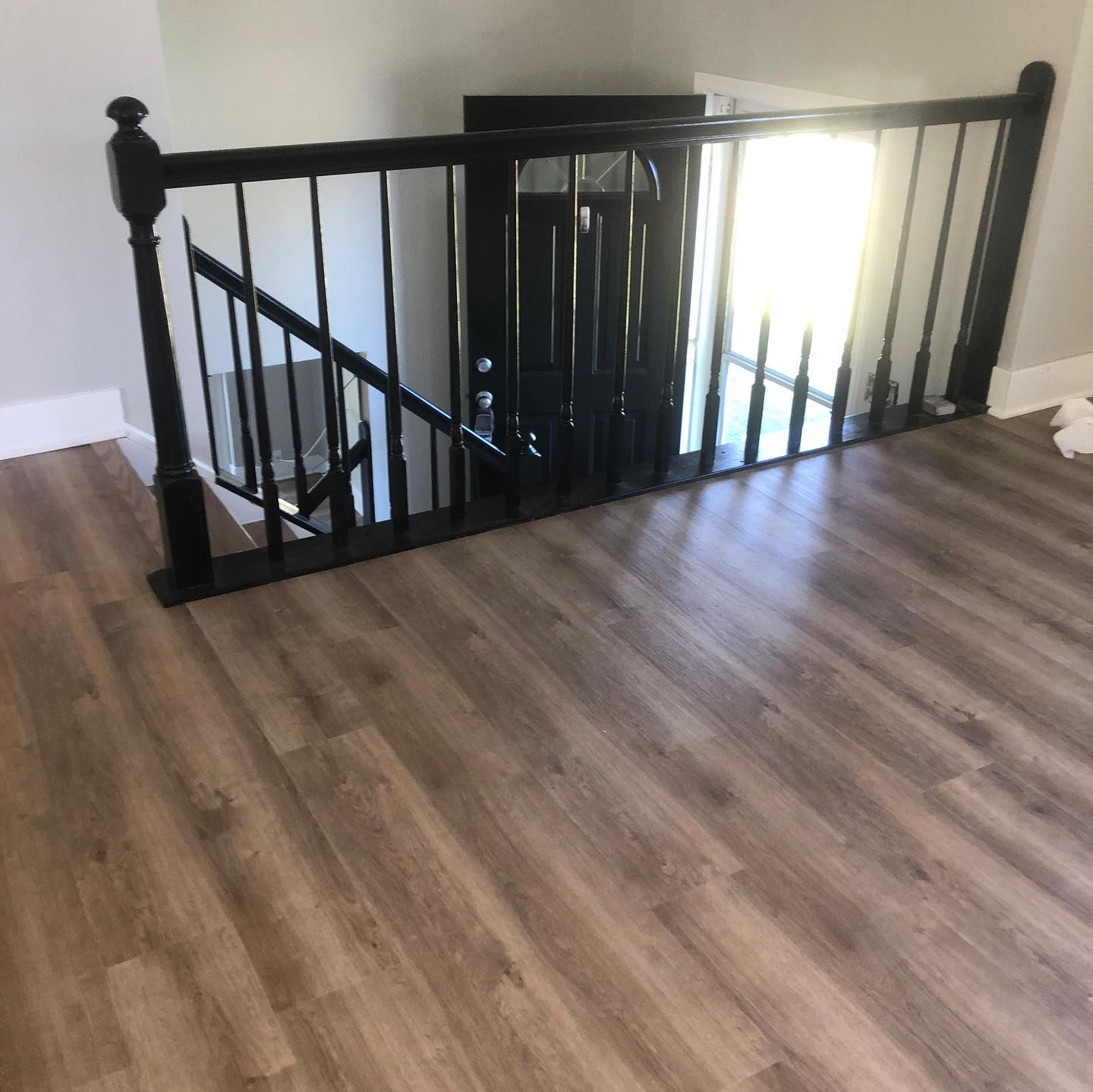
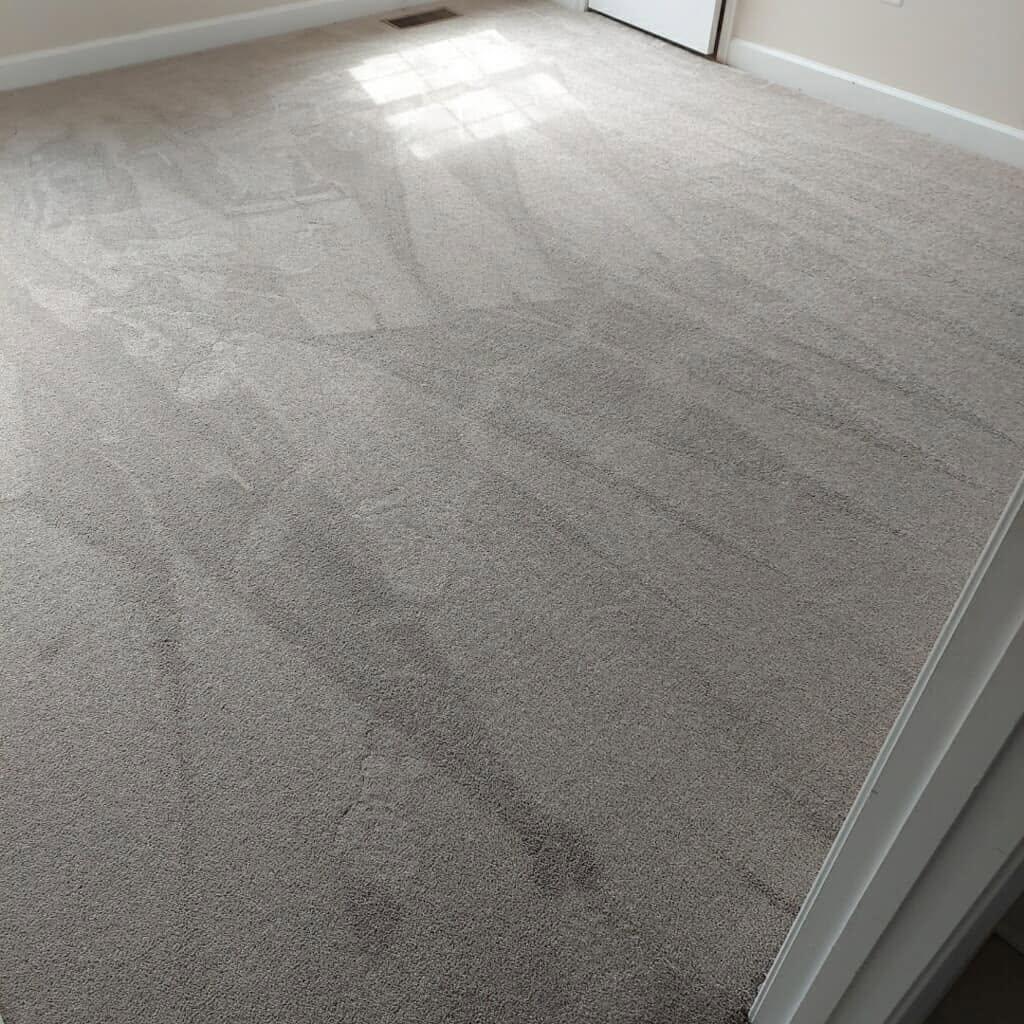
You know the drill. A tenant moves out, you walk through the property, and the floors look like they’ve been through a war zone. Stains on the carpet, scratches on the hardwood, and that mysterious smell you can’t quite identify. It happens every single time, and it costs you money.
Luxury Vinyl Plank (LVP) flooring changes this entire game. It’s specifically designed to take a beating and still look great. We’re talking about a flooring option that can handle pet accidents, dropped furniture, high heels, kids with markers, and whatever else your tenants throw at it.
The Real Cost of Cheap Flooring
Let’s talk numbers for a second. That builder-grade carpet might seem like a bargain at $2 per square foot installed. But when you’re replacing it every 3 to 5 years between tenants, those costs add up fast. A typical 1,200 square foot rental could cost you $2,400 to $3,000 just in materials and labor each time you replace that carpet.
Now compare that to LVP. Yes, the upfront cost is higher, usually between $4 to $8 per square foot installed. But here’s the kicker: it lasts 15 to 20 years with minimal maintenance. Do the math, and you’ll see why property managers across Maryland are making the switch.
Why Durable Landlord Flooring MD Properties Need LVP
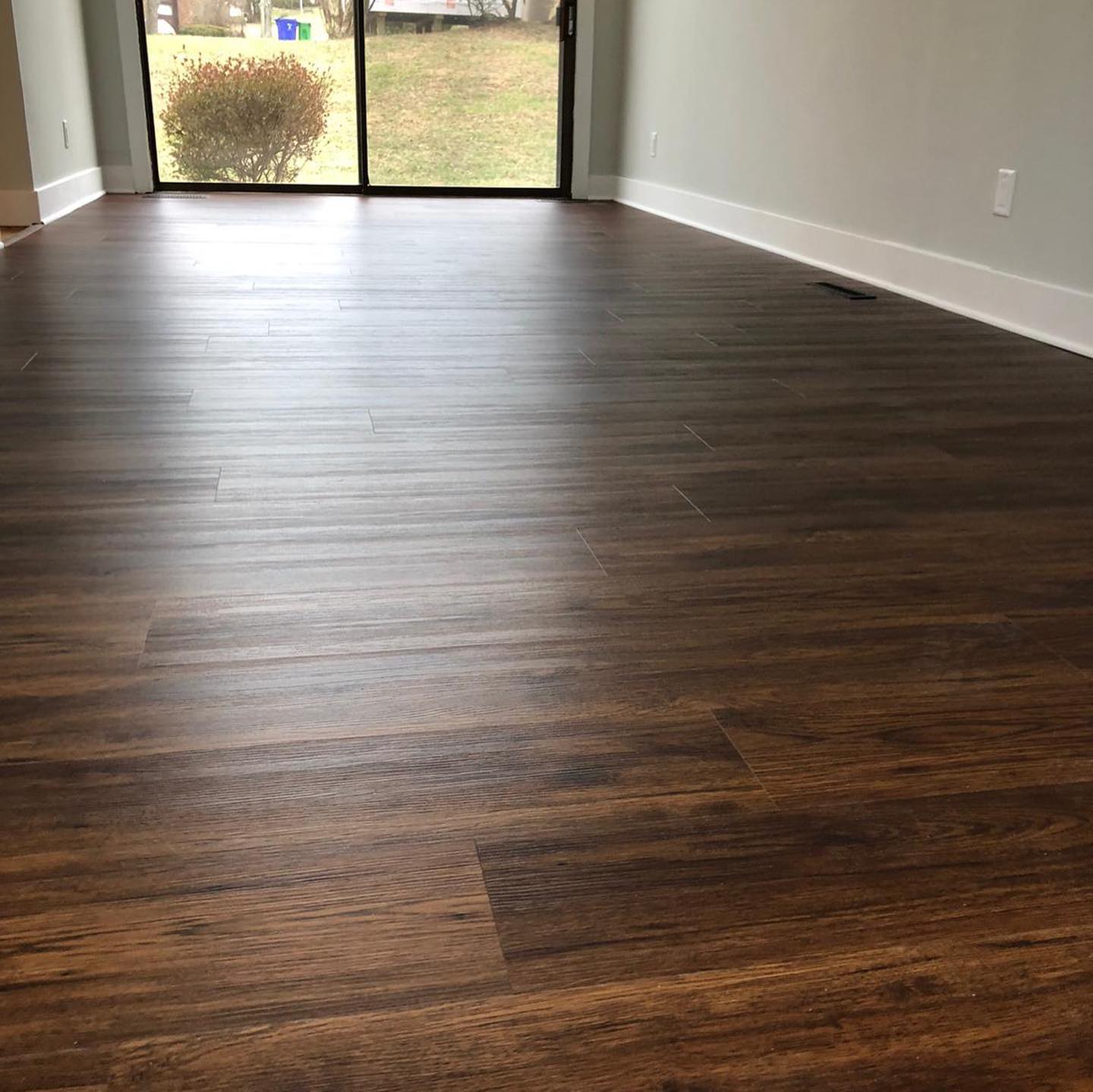
Maryland weather is no joke. We get humid summers, cold winters, and everything in between. Your floors need to handle these temperature swings without warping, cracking, or falling apart.
LVP is built for this. The material expands and contracts with temperature changes without causing damage. Unlike hardwood that can buckle in humid conditions or laminate that swells when it gets wet, LVP stays stable year-round.
Waterproof Flooring for Tenants Who Actually Live There
Here’s something every landlord knows: tenants live differently than homeowners. They’re not always quick to clean up spills. They might leave windows open during rainstorms. Their kids might overflow the bathtub.
Waterproof flooring for tenants isn’t just nice to have. It’s essential. LVP has a waterproof core that protects against moisture damage. Spill a glass of water? No problem. Dog has an accident? Clean it up and move on. Washing machine leaks? The floor will be fine.
One property manager in Baltimore told us: “I used to dread getting calls about water damage. Since installing LVP in my units, those emergency calls have dropped by 80%. It’s saved me thousands in repairs.”
Low Maintenance Rental Floors That Save You Time
Time is money, especially when you’re managing multiple properties. The best flooring for rental properties should be something you can install and basically forget about for years.
Simple Cleaning That Tenants Can Actually Handle
You can’t count on tenants to deep clean carpets or refinish hardwood floors. But you can count on them to sweep and mop occasionally. That’s all LVP needs.
Regular sweeping or vacuuming plus occasional mopping with a damp cloth keeps LVP looking great. No special cleaners required. No professional treatments. No expensive equipment.
Scratch and Dent Resistance
LVP has a wear layer on top that protects against scratches, scuffs, and dents. This wear layer is rated by its thickness, typically ranging from 6 mil to 20 mil for residential use. For rental properties, we recommend at least 12 mil to handle the extra wear and tear.
We installed 20 mil commercial-grade LVP in a high-turnover rental in Silver Spring three years ago. The property has had four different tenants since then, including one with three large dogs. The floors still look nearly new.
Commercial LVP Installation DC Area Standards
When you’re installing flooring in a rental property, you want it done right the first time. Poor installation can lead to gaps, lifting edges, and premature failure. That’s why commercial LVP installation DC area professionals follow strict guidelines.
Proper Subfloor Preparation
The secret to long-lasting LVP isn’t just the product itself. It’s proper preparation. The subfloor needs to be clean, level, and dry. Any bumps or dips will show through the LVP and can cause problems down the road.
Professional installers will check moisture levels, fill any cracks or holes, and make sure the surface is perfectly smooth. This prep work takes time but makes all the difference in how long your floors last.
Click-Lock vs. Glue-Down Installation
There are two main ways to install LVP: click-lock (floating) and glue-down. Each has its place in rental properties.
Click-lock installation is faster and easier. The planks snap together and float over the subfloor. This works great for most residential rentals and makes future repairs simpler. If one plank gets damaged, you can replace just that section.
Glue-down installation creates a more permanent bond and works better in high-traffic commercial spaces or areas prone to temperature extremes. For most Maryland rental properties, click-lock is the way to go.
Style Options That Attract Quality Tenants
Here’s something that surprises many landlords: LVP doesn’t look cheap. Modern LVP can mimic hardwood, stone, or tile so well that most people can’t tell the difference without getting down on their hands and knees.
Wood-Look LVP for Classic Appeal
Wood-look LVP is the most popular choice for rental properties. It gives you that warm, inviting feel of hardwood without the maintenance headaches. You can choose from oak, maple, hickory, and dozens of other wood species in various stains and finishes.
Lighter colors like gray or whitewashed oak make spaces feel larger and brighter. They’re perfect for smaller units or basement apartments. Darker colors like walnut or espresso add elegance and hide dirt better, making them great for high-traffic areas.
Tile-Look LVP for Bathrooms and Kitchens
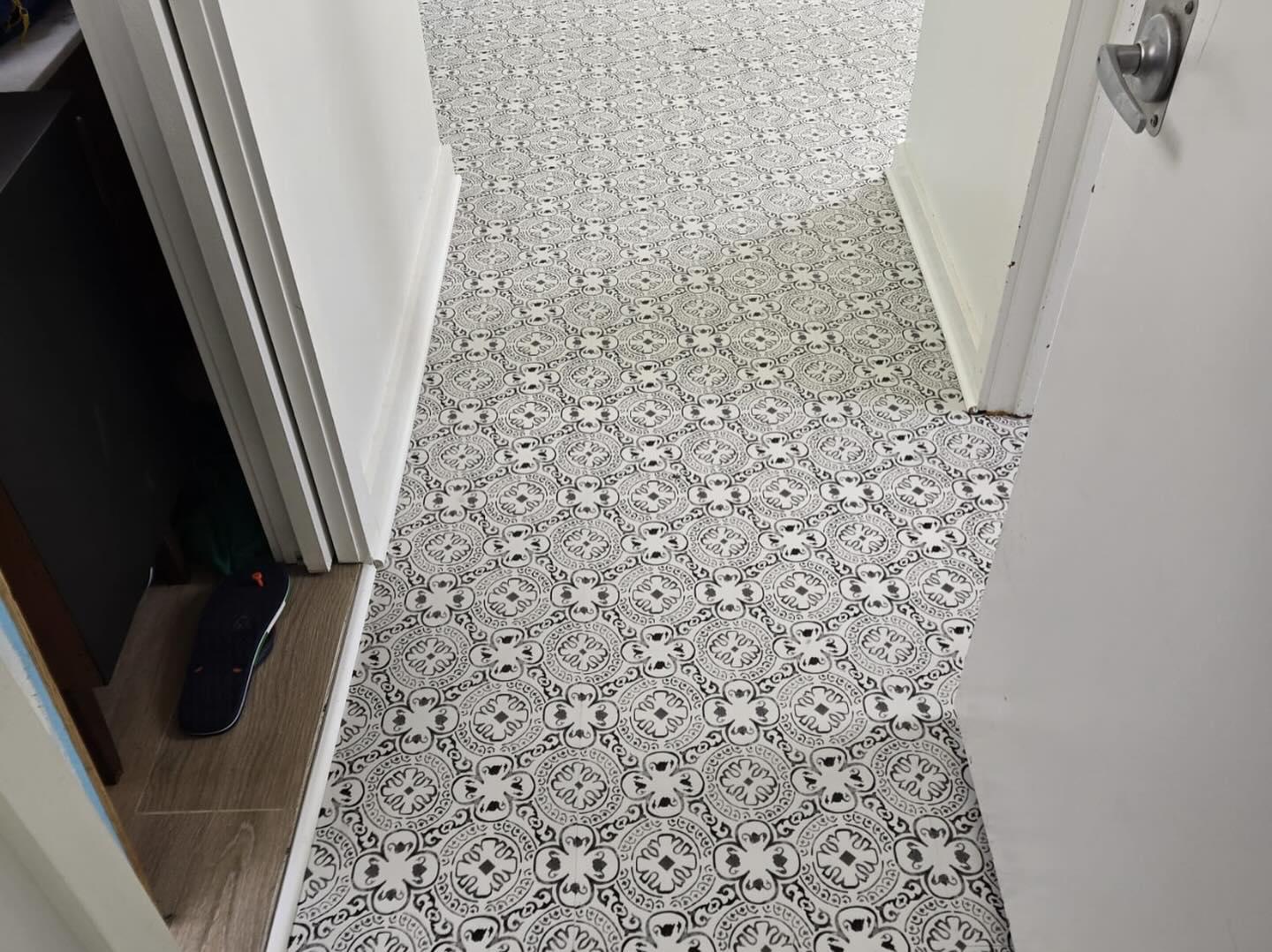
Tile-look LVP works beautifully in bathrooms and kitchens. It gives you the look of ceramic or porcelain tile but feels warmer underfoot and is more forgiving if someone drops something.
Plus, unlike real tile, there’s no grout to clean or seal. That alone saves you hours of maintenance over the life of the floor.
Real Numbers: The ROI of Quality Flooring
Let’s break down the actual return on investment for upgrading to durable landlord flooring MD properties need.
Take a typical 3-bedroom, 2-bath rental in Montgomery County. Total living space is about 1,400 square feet. Here’s how the numbers compare:
Cheap Carpet Option:
Initial cost: $2,800 (materials and installation)
Replacement frequency: Every 4 years
Total cost over 20 years: $14,000
Vacancy time for replacement: 5 days per replacement (25 days total)
Lost rent at $2,000/month: $1,667 per replacement ($8,335 total)
Grand total: $22,335
Quality LVP Option:
Initial cost: $8,400 (materials and installation)
Replacement frequency: Once in 20 years (if at all)
Total cost over 20 years: $8,400
Vacancy time: 3 days for initial installation
Lost rent: $200
Grand total: $8,600
The savings speak for themselves. You save nearly $14,000 over 20 years by choosing LVP. And that’s not even counting the reduced maintenance calls, easier cleaning between tenants, and higher rent you can charge for a nicer property.
What Property Managers Are Saying
Don’t just take our word for it. Here’s what real property managers in the DMV area have told us:
“I manage 47 units across Maryland, and we’ve been converting everything to LVP over the past two years. Our maintenance costs have dropped by 40%, and tenant satisfaction is way up. People love how these floors look.” – Sarah K., Property Manager in Rockville
“We tried the cheap laminate route first. Big mistake. It couldn’t handle moisture and started peeling up within a year. Switched to waterproof LVP and haven’t looked back. Best decision we made.” – Marcus T., Real Estate Investor in Baltimore
“My Airbnb properties take a beating with constant turnover. LVP has been a lifesaver. Guests comment on how nice the floors look, and I barely have to do anything to maintain them.” – Jennifer L., Airbnb Host in Annapolis
Installation Timeline and What to Expect
Planning is everything when you’re updating rental property flooring. You need to minimize vacancy time while ensuring quality work.
Typical Installation Schedule
For a standard 1,200 square foot apartment, professional installation usually takes 2 to 3 days:
Day 1: Remove old flooring, prep subfloor, address any moisture or leveling issues
Day 2: Install LVP, cut around obstacles, install transitions
Day 3: Final touches, cleanup, quality check
If you’re doing multiple units, many installers can work on a rolling schedule to keep things moving efficiently.
Best Times to Schedule Installation
In Maryland, spring and fall are ideal for flooring installation. The moderate temperatures and lower humidity make for better working conditions and proper acclimation of materials.
That said, quality LVP can be installed year-round with proper climate control. Just make sure the property is heated or cooled to normal living temperatures during and after installation.
Choosing the Right LVP for Your Property
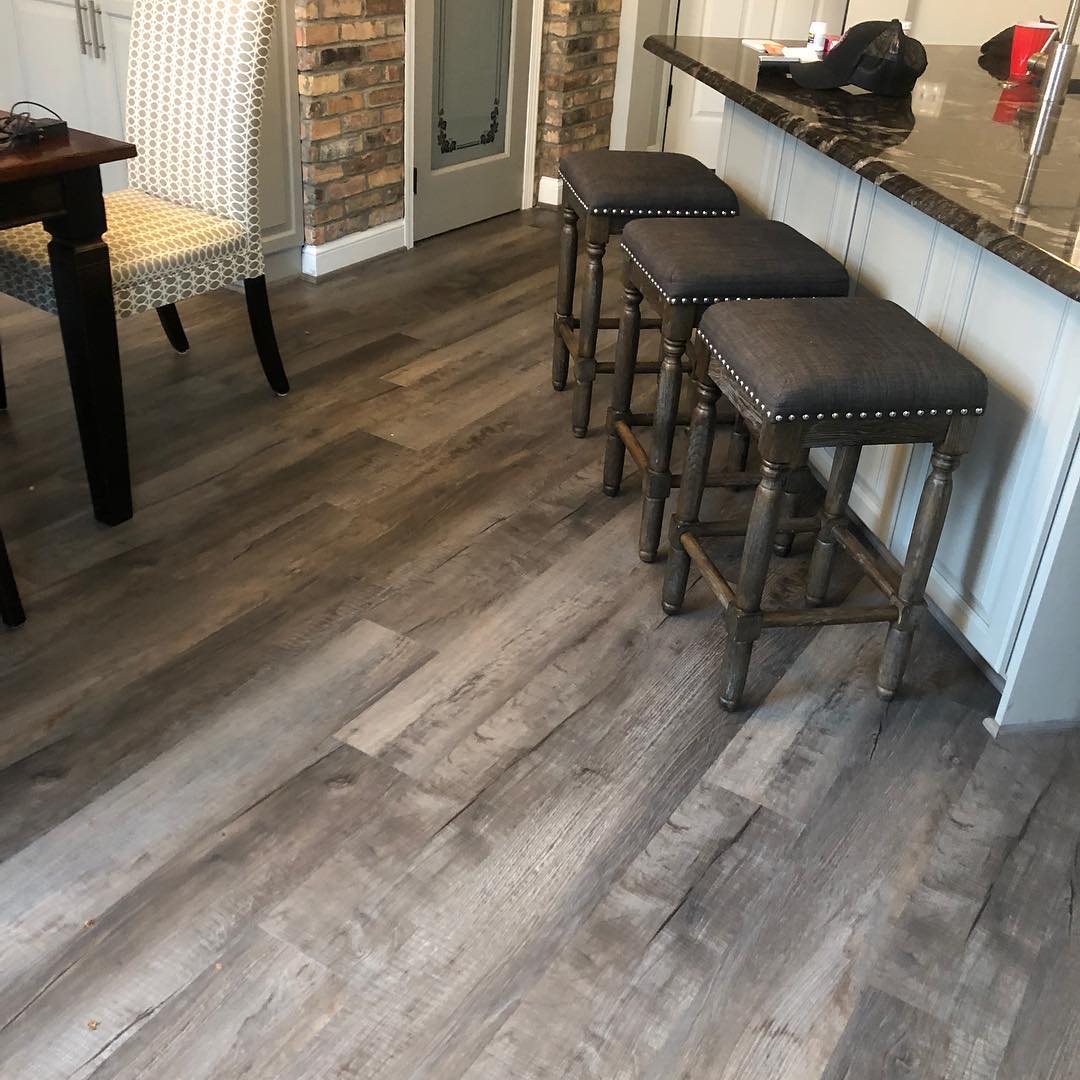
Not all LVP is created equal. Here’s what to look for when selecting low maintenance rental floors:
Wear Layer Thickness
For rental properties, never go below 12 mil wear layer. This protective coating determines how well the floor resists scratches and wear. For high-traffic rentals or commercial properties, consider 20 mil.
Core Type
LVP comes with different core materials:
WPC (Wood Plastic Composite): Softer, warmer underfoot, good sound absorption
SPC (Stone Plastic Composite): Harder, more durable, better for heavy furniture and commercial use
For most residential rentals, WPC works great. For ground-floor units or commercial spaces, SPC is worth the extra investment.
Warranty Coverage
Look for products with at least a 20-year residential warranty. Many manufacturers offer lifetime warranties for residential use. Read the fine print to understand what’s covered and what voids the warranty.
Common Mistakes to Avoid
We’ve seen landlords make these mistakes when installing flooring in rental properties. Learn from their experience:
Skipping the Moisture Barrier
Even though LVP is waterproof, you still need a moisture barrier between the subfloor and the planks in many installations. This prevents moisture from below causing problems. Don’t skip this step to save a few dollars.
Choosing Style Over Durability
That ultra-thin LVP might look great and cost less, but it won’t hold up in a rental. Always prioritize durability over aesthetics. You can find attractive options that are also tough enough for tenant life.
DIY Installation Without Experience
LVP installation looks easier than it is. Small mistakes in the first few rows can compound into big problems. Unless you have flooring experience, hire professionals. The cost difference is minimal compared to the headaches of a bad installation.
Maintaining Your Investment
Once you’ve installed the best flooring for rental properties, protect that investment with smart maintenance practices.
Move-In and Move-Out Inspections
Document the floor condition with photos at every tenant turnover. This protects both you and the tenant. Most LVP damage is preventable with proper care, so clear documentation helps with security deposit discussions.
Tenant Education
Include a simple care guide in your welcome packet. Let tenants know:
Use felt pads under furniture legs
Clean up spills promptly
Avoid dragging heavy items across the floor
Use doormats to reduce dirt and grit
Most tenants will follow basic guidelines if you provide them upfront.
Annual Inspections
Check your floors during annual property inspections. Look for any lifting edges, gaps, or damage. Catching small problems early prevents bigger issues later.
Making the Switch to LVP
Ready to upgrade your rental properties? Here’s how to get started:
Assess Your Properties
Walk through each unit and note current flooring conditions. Prioritize properties that need immediate attention or are coming up for turnover.
Get Multiple Quotes
Talk to at least three flooring contractors who specialize in commercial LVP installation DC area standards. Compare not just price, but also materials, warranties, and installation timelines.
Plan Around Tenant Schedules
Coordinate installations during natural vacancy periods when possible. If you need to install while a property is occupied, work with your tenants to minimize disruption.
Consider Phased Rollouts
You don’t have to convert all your properties at once. Start with one or two units, see the results, and then expand. This spreads out the cost and lets you refine your approach.
Your Next Steps
The best time to upgrade to durable landlord flooring MD properties deserve was yesterday. The second best time is today.
Stop throwing money away on carpet replacements and constant floor repairs. Waterproof flooring for tenants that actually lasts is available right now, and it costs less than you think when you factor in the long-term savings.
Whether you manage two properties or twenty, whether you’re in Baltimore, Bethesda, or anywhere in the DMV area, LVP offers the perfect combination of durability, style, and value for rental properties.
Ready to make the switch? Contact a local flooring professional who specializes in rental property installations. Ask about their experience with LVP, request references from other landlords, and get a detailed quote that includes all materials, labor, and warranties.
Your future self (and your bank account) will thank you when you’re not replacing floors every few years. Make the smart choice today and install flooring that’s built to last through tenant after tenant, year after year.
Ready to get this done in your home?
5.0-star Google rating · 500+ reviews · MHIC #104041 · Licensed & Insured
Get My Free Estimate Call 240-246-4561
Related services: Hardwood Floor RefinishingHardwood Floor RestorationHardwood Floor Staining
Contact Us
Fill out the form below and an AG Construction representative will contact you soon.


Maryland’s Premier Flooring Company
full-service flooring contractor
Whether you own a home or business, we’re your single source for complete flooring installation services! Our comprehensive services include:
- Hardwood staining, sanding, refinishing, restoration, and more!
- Carpet removal and installation
- Vinyl luxury plank replacement and installation
- Vinyl tile and COREtec installation
- And more!