

back to blog

Carpet vs. Luxury Vinyl Plank for Bedrooms: A Complete Guide
Carpet used to be the go-to choice for cozy bedrooms, but many homeowners now face tough decisions when replacing worn floors. You might be weighing the soft feel of carpet against the clean, modern look of luxury vinyl plank. This guide breaks down carpet vs luxury vinyl plank so you can make the best call for your bedroom renovation, whether you’re planning carpet installation Maryland or exploring new flooring for bedrooms.
Understanding Your Flooring Options
What Makes Carpet a Classic Bedroom Choice
Carpet has been a bedroom staple for decades, and for good reason. It provides warmth underfoot when you step out of bed on cold mornings. The soft texture creates a comfortable surface for kids playing on the floor or for those moments when you want to stretch before starting your day.
Traditional carpet comes in countless colors, patterns, and pile heights. You can choose plush, frieze, or berber styles depending on your comfort preferences and design goals. Many homeowners still prefer carpet installation services in Maryland because of the cozy atmosphere it brings to sleeping spaces.
The sound absorption qualities of carpet also make bedrooms quieter. If you have hardwood floors in your hallway or living areas, carpet in the bedroom creates a peaceful retreat where footsteps and noise stay muffled.
The Rise of Luxury Vinyl Plank in Bedrooms
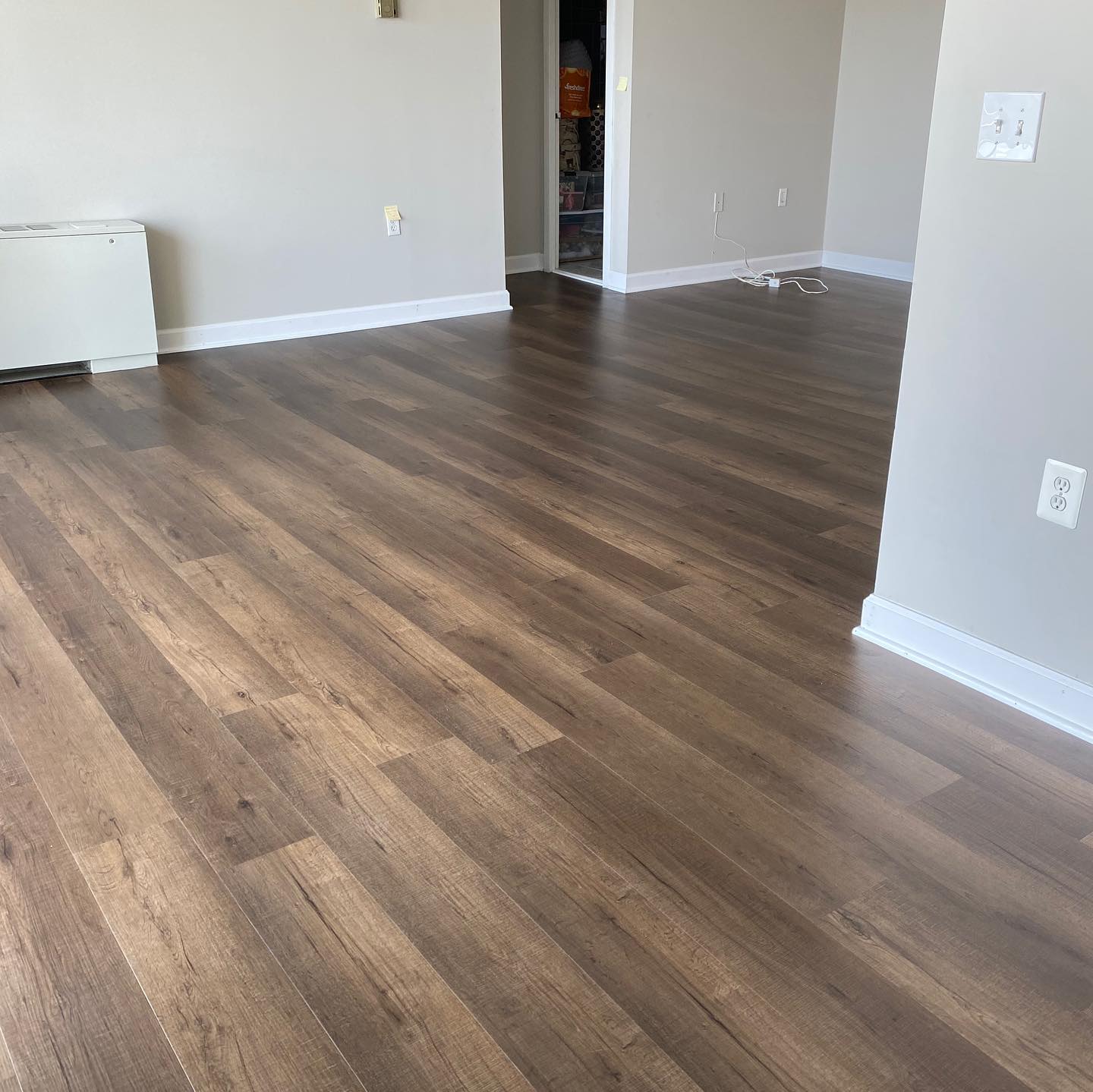
Luxury vinyl plank, or LVP, has become incredibly popular over the past few years. This flooring option mimics the look of hardwood or stone but comes with practical benefits that work well in bedrooms.
LVP consists of multiple layers that make it durable and water-resistant. The wear layer protects against scratches, the design layer provides realistic wood or stone visuals, and the core layer adds stability. Some products even include an attached underlayment for extra comfort and sound reduction.
Many homeowners are replacing bedroom carpet with LVP because it offers a modern aesthetic while staying easy to maintain. Unlike real hardwood, LVP won’t warp from humidity or temperature changes, making it suitable for all climates.
Comparing Comfort and Feel
Walking Barefoot: The Texture Test
When you walk across carpet, you sink slightly into the fibers. This cushioned feeling appeals to people who value softness in their private spaces. Carpet feels warmer to the touch, which matters if you live in colder regions or simply prefer not to wear slippers around the house.
LVP feels firmer underfoot, similar to hardwood or laminate. While it doesn’t provide the same plush sensation as carpet, quality LVP with good underlayment can still feel comfortable. Some products feature thicker wear layers and built-in padding that make them more forgiving than basic vinyl options.
If comfort is your top priority, carpet wins this category. But if you’re willing to add area rugs or wear slippers, LVP can work just fine in a bedroom setting.
Temperature Considerations
Carpet naturally insulates your bedroom floor, trapping air within its fibers. This quality helps keep rooms warmer in winter, potentially reducing heating costs. The thermal properties of carpet make it especially appealing for basement bedrooms or homes in northern climates.
LVP doesn’t provide the same insulation value. The surface can feel cool to the touch, particularly on concrete subfloors. You can address this by installing underlayment with thermal properties or by using radiant floor heating systems beneath the LVP.
Think about your local climate and how temperature affects your daily comfort when weighing carpet vs luxury vinyl plank for your bedroom.
Maintenance and Cleaning
Daily Upkeep Requirements
Carpet requires regular vacuuming to remove dirt, dust, and allergens that settle into the fibers. High-traffic areas may need vacuuming several times per week, while bedrooms typically need it once or twice weekly. Pet owners face extra challenges with fur and dander that cling to carpet.
Professional carpet cleaning every 12 to 18 months helps maintain appearance and hygiene. These deep cleanings remove embedded dirt that regular vacuuming misses. The cost and time commitment of professional cleaning adds to the overall maintenance burden of carpet.
LVP is much simpler to maintain. Sweeping or dust mopping picks up surface debris, and damp mopping with appropriate cleaners handles spills and stains. You don’t need special equipment or professional services for routine cleaning.
Dealing with Spills and Stains
When you spill something on carpet, quick action is critical. Liquids absorb into the fibers and padding, potentially causing permanent stains or odors. Even with immediate treatment, some substances like red wine or pet accidents leave lasting marks.
Replacing bedroom carpet with LVP eliminates most stain concerns. The waterproof surface prevents liquids from seeping through to the subfloor. You can wipe up spills without worry, making LVP ideal for bedrooms where you might enjoy breakfast in bed or have young children.
Sarah, a homeowner from Silver Spring, shared her story: “After our toddler spilled juice on our bedroom carpet for the third time, we decided to switch to LVP. The difference is amazing. Now cleanup takes seconds instead of the panic and scrubbing we used to deal with.”
Durability and Lifespan
How Long Each Option Lasts
Quality carpet in a bedroom typically lasts 10 to 15 years with proper care. Bedrooms experience less foot traffic than hallways or living rooms, so carpet holds up better in these spaces. Factors like padding quality, fiber type, and maintenance habits affect longevity.
LVP can last 15 to 25 years or more, depending on the product quality and wear layer thickness. The material resists scratches, dents, and fading better than many other flooring for bedrooms options. Since bedrooms don’t see heavy traffic, LVP installed in these rooms often reaches the upper end of its lifespan.
Resistance to Wear and Damage
Carpet shows wear patterns over time. High-traffic paths develop matted areas where fibers compress and lose their original texture. Furniture indentations can become permanent, and sun exposure may fade colors near windows.
LVP stands up to daily wear remarkably well. The protective wear layer guards against scratches from furniture, pet claws, and dropped objects. Most LVP products have UV protection that prevents fading, keeping your floor looking fresh for years.
If you move furniture frequently or have pets, LVP offers better long-term durability. Carpet works fine if you maintain consistent furniture placement and keep pets well-groomed.
Installation Process
What to Expect with Carpet Installation
Professional carpet installation Maryland services typically complete a bedroom in one day. The process involves removing old flooring, preparing the subfloor, installing padding, and stretching the carpet into place. Installers use tack strips around the perimeter to secure the carpet.
Carpet installation creates some disruption. The room needs to be completely empty, and you might notice a “new carpet smell” for a few days as adhesives and fibers off-gas. You can usually walk on new carpet immediately after installation.
The cost of carpet installation includes materials, padding, and labor. Padding quality matters because it affects comfort and extends carpet life. Don’t skimp on this component to save money upfront.
Installing Luxury Vinyl Plank
LVP installation methods vary by product. Some types click together as floating floors, while others require adhesive. Floating floors are easier for DIY projects, though professional installation ensures the best results.
Preparing the subfloor is critical for LVP success. The surface must be level, clean, and dry. Any imperfections will telegraph through the vinyl, creating visible bumps or low spots. Professional installers check and correct subfloor issues before laying planks.
Most LVP installations finish in one to two days for a standard bedroom. The room needs to be empty during installation, and you should wait 24 hours before moving furniture back onto the floor. This waiting period allows the planks to acclimate and settle properly.
Cost Comparison
Initial Investment
Carpet prices range widely based on fiber type and quality. Budget options start around $2 to $4 per square foot installed, while premium carpets can reach $8 to $12 per square foot or more. A typical 12×12 bedroom might cost $500 to $1,500 for complete carpet installation Maryland homeowners can expect.
LVP costs similarly vary. Basic products begin around $2 to $3 per square foot, while high-end options with thick wear layers and realistic textures cost $5 to $8 per square foot. Installation adds another $1 to $3 per square foot for professional work. That same 12×12 bedroom could run $600 to $1,800 for materials and installation.
The upfront costs of carpet vs luxury vinyl plank are comparable, so your decision shouldn’t rest solely on initial price.
Long-Term Value
Carpet requires ongoing costs for professional cleaning, spot treatments, and eventual replacement. Over 15 years, you might spend several hundred dollars on maintenance beyond the initial installation.
LVP has minimal ongoing costs. Basic cleaning supplies are all you need, and the longer lifespan means you won’t replace it as soon. When calculating total cost of ownership, LVP often proves more economical despite similar upfront pricing.
Consider resale value too. Modern buyers often prefer hard surface flooring for bedrooms, viewing it as cleaner and more contemporary. Replacing bedroom carpet with LVP could make your home more appealing to future buyers.
Health and Allergy Considerations
Air Quality Impacts
Carpet traps dust, pollen, pet dander, and other allergens in its fibers. While regular vacuuming removes surface particles, deeper allergens remain embedded. For people with allergies or asthma, carpet can worsen symptoms by creating a reservoir of irritants.
Carpet also absorbs odors and can harbor mold if moisture gets trapped in the padding. Spills that aren’t properly dried or high humidity levels create conditions where mold and mildew thrive beneath the surface.
LVP doesn’t trap allergens the way carpet does. Dust and particles sit on the surface where you can easily sweep or mop them away. The waterproof nature prevents moisture problems that lead to mold growth.
Pet-Friendly Features

Pet owners face unique challenges with bedroom flooring. Cats and dogs shed fur, track in dirt, and occasionally have accidents. Carpet absorbs pet odors and stains that become nearly impossible to remove completely.
LVP handles pet life much better. Fur doesn’t stick to the smooth surface, accidents wipe up easily, and scratches from claws rarely penetrate quality wear layers. Many pet owners find that replacing bedroom carpet with LVP dramatically improves their home’s cleanliness.
Mike from Baltimore shared: “Our two dogs sleep in our bedroom, and the carpet was constantly dirty and smelly. After switching to LVP, the room stays cleaner and doesn’t have that dog smell anymore. We should have made the change years ago.”
Aesthetic and Design Options
Style Versatility
Carpet offers endless design possibilities. You can choose from solid colors, patterns, textures, and pile heights to match any decor style. Neutral tones work with multiple design schemes, while bold colors make statements.
The soft, uniform appearance of carpet creates a traditional, cozy bedroom atmosphere. It works beautifully in master suites, guest rooms, and children’s bedrooms where comfort takes priority.
LVP provides a different aesthetic. The wood or stone visuals create a modern, sophisticated look that appeals to contemporary tastes. You can select from various plank widths, colors, and textures that mimic specific wood species or tile patterns.
Creating Your Desired Atmosphere
Think about the mood you want in your bedroom. Carpet supports a warm, inviting, retreat-like feeling. It pairs well with upholstered furniture, layered textiles, and traditional decor elements.
LVP leans toward modern, minimalist, or transitional styles. The clean lines and hard surface complement platform beds, sleek furniture, and uncluttered spaces. You can add warmth with area rugs placed strategically beside the bed or in seating areas.
Neither option is inherently better for design. Your personal style preferences should guide this aspect of choosing flooring for bedrooms.
Sound and Acoustics
Noise Reduction Properties
Carpet excels at sound absorption. The fibers and padding underneath dampen footsteps, dropped objects, and general room noise. This quality makes carpet ideal for upstairs bedrooms in multi-story homes where you want to minimize noise transfer to rooms below.
The quiet environment carpet creates helps with sleep quality. Less ambient noise means fewer disturbances during the night, which matters for light sleepers or anyone with young children.
LVP is harder and reflects sound more than carpet. Footsteps create audible noise, and dropped items make louder sounds. Quality underlayment helps mitigate this issue, but LVP will never match carpet’s sound-dampening abilities.
Multi-Story Home Considerations
If your bedroom is on an upper floor, consider how flooring choices affect household acoustics. Carpet significantly reduces noise transmission between floors, making it considerate to people in rooms below.
LVP can work in upstairs bedrooms with proper preparation. Installing acoustic underlayment beneath the planks reduces sound transfer. Some products specifically designed for multi-story applications include sound-blocking features.
Talk with your flooring installer about sound concerns if you’re replacing bedroom carpet with LVP in a multi-story home. The right underlayment makes a substantial difference in acoustic performance.
Making Your Decision
Evaluating Your Priorities
List what matters most for your bedroom flooring. If you prioritize softness, warmth, and sound absorption, carpet might be your best choice. If easy maintenance, durability, and modern aesthetics rank higher, LVP deserves serious consideration.
Consider your lifestyle factors too. Do you have pets or young children? Are allergies a concern? How much time do you want to spend on floor maintenance? Your honest answers to these questions will point you toward the right option.
Budget plays a role, but remember to think long-term. The slightly higher upfront cost of quality LVP might save money over time through lower maintenance needs and longer lifespan.
Room-Specific Factors
Some bedrooms have unique characteristics that favor one flooring type. Basement bedrooms with moisture concerns work better with waterproof LVP. Master suites where you want a spa-like, modern feel might suit LVP better. Guest rooms or children’s rooms where coziness matters could benefit from carpet.
Think about how you use the space. If you exercise in your bedroom, LVP provides a more stable surface for equipment. If you read or relax on the floor often, carpet offers more comfort.
Getting Professional Guidance
Consult with flooring professionals who can assess your specific situation. They’ll examine your subfloor condition, discuss your lifestyle needs, and recommend products that fit your budget and goals.
Professional installers ensure proper installation that maximizes your flooring’s performance and lifespan. While DIY installation is possible with some products, expert installation provides peace of mind and often includes warranties.
For carpet installation Maryland residents can trust, or for help choosing between carpet vs luxury vinyl plank, reach out to local flooring specialists who understand regional climate considerations and installation best practices.
Taking the Next Step
You’ve learned the key differences between carpet and luxury vinyl plank for bedroom applications. Both options have strengths and trade-offs. Carpet delivers unmatched comfort and warmth, while LVP offers superior durability and easy maintenance.
Your perfect flooring for bedrooms depends on your unique needs, preferences, and circumstances. There’s no universally correct answer, only the right choice for your home and lifestyle.
Ready to move forward with your bedroom flooring project? Contact local flooring professionals to see samples, get accurate quotes, and discuss installation timelines. Whether you’re leaning toward cozy carpet or practical LVP, expert guidance ensures you’ll love the results for years to come.
Many homeowners find that replacing bedroom carpet with LVP refreshes their space and simplifies their cleaning routine. Others appreciate the timeless comfort that quality carpet provides. Either way, investing in new flooring can completely change how you feel about your bedroom.
Take measurements of your space, set a realistic budget, and schedule consultations with a few different installers. Compare their recommendations, pricing, and previous work before making your final decision. Your bedroom deserves flooring that supports restful sleep, matches your style, and fits your practical needs.
Ready to get this done in your home?
5.0-star Google rating · 500+ reviews · MHIC #104041 · Licensed & Insured
Get My Free Estimate Call 240-246-4561
Related services: Hardwood Floor RestorationHardwood Floor StainingLVP Installation
Contact Us
Fill out the form below and an AG Construction representative will contact you soon.


Maryland’s Premier Flooring Company
full-service flooring contractor
Whether you own a home or business, we’re your single source for complete flooring installation services! Our comprehensive services include:
- Hardwood staining, sanding, refinishing, restoration, and more!
- Carpet removal and installation
- Vinyl luxury plank replacement and installation
- Vinyl tile and COREtec installation
- And more!