

back to blog

Refinishing 1960s Parquet Flooring in Maryland: What to Expect and Why It’s Worth Saving
MHIC #104041 · 5.0 from 552 Google reviews · Free written estimates · Since 2011
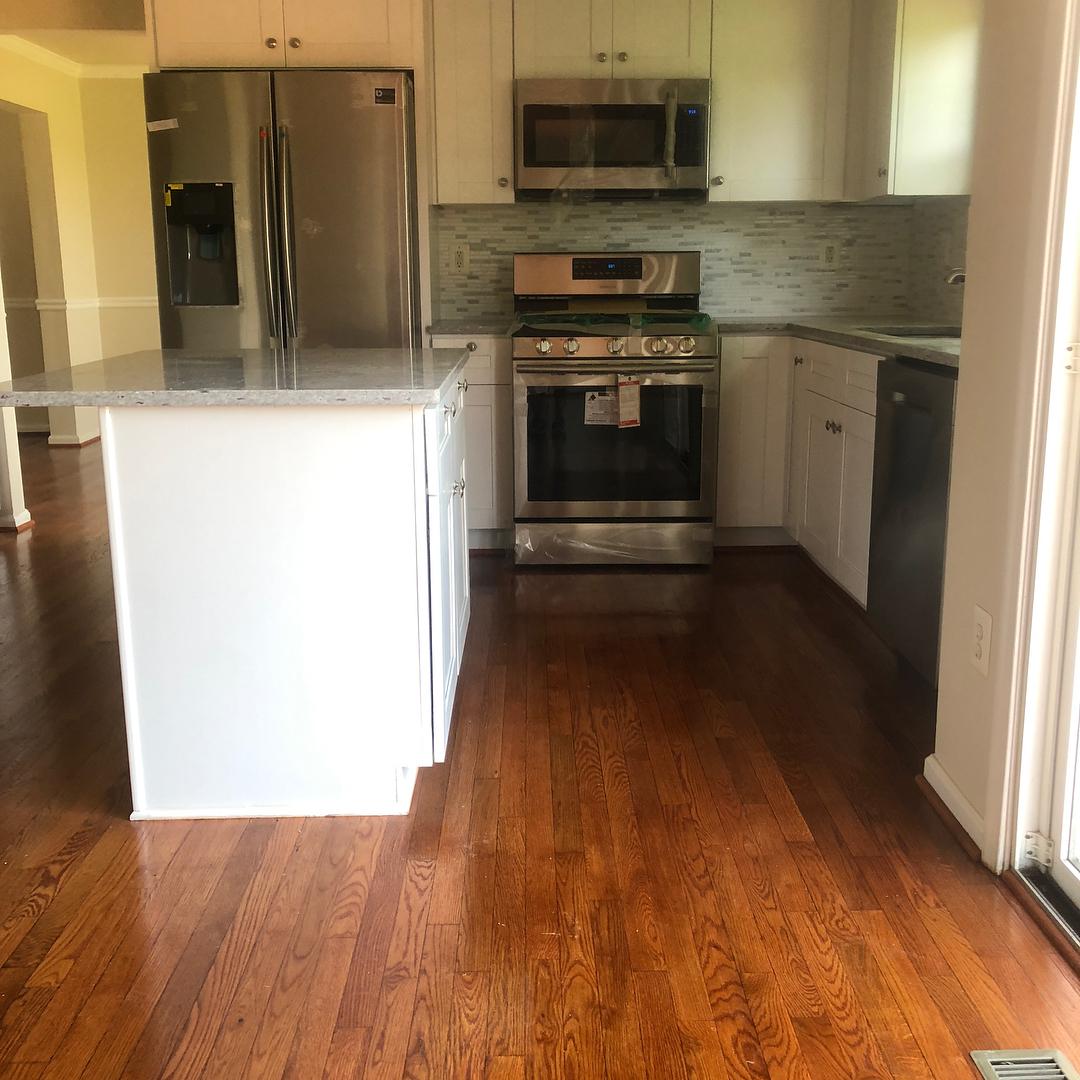
Many homeowners in Maryland overlook the beauty beneath their carpets: original parquet floors from the 1960s. These floors may look tired or worn, but a careful refinish parquet wood floors Maryland project can bring them back to life. If you own a Mid-Century home or a classic brick colonial in Silver Spring, Bethesda, or Towson, learning what 1960s parquet floor restoration involves could change how you see your space—and your home’s value.
Thinking about your own floors?
Free written estimate. Aaron calls you back, usually the same business day. Text us photos of your floor for a fast quote.
Understanding Your 1960s Parquet Floors
What Makes Parquet Special
Parquet flooring from the 1960s represents a specific era of American craftsmanship. These geometric wood patterns were installed in thousands of Maryland homes during the post-war building boom. Unlike today’s engineered products, your original parquet likely consists of solid hardwood pieces arranged in classic herringbone, basket weave, or chevron patterns.
The wood species used during this period typically included oak, maple, or walnut. These materials were chosen for their durability and rich grain patterns. After 60 years, the wood has aged beautifully, developing a character that new floors simply cannot replicate.
Common Issues with Old Parquet
Before you start your 1960s parquet floor restoration, you need to know what you’re dealing with. Most parquet floors from this era show similar wear patterns. Surface scratches accumulate from decades of foot traffic. The finish turns yellow or cloudy over time. Some tiles may have lifted at the corners due to moisture or adhesive failure.
Water damage appears as dark stains or cupping in individual pieces. Pet stains can penetrate deep into the wood grain. Years of wax buildup create a dull, sticky surface that traps dirt. These problems might seem overwhelming at first glance, but most are fixable with the right approach.
Assessing Your Floor’s Condition
When to Refinish vs. Replace
Not every parquet floor needs complete replacement. A good rule of thumb: if more than 75% of your tiles remain secure and intact, refinishing makes sense. Missing tiles can often be sourced from architectural salvage yards or specialty suppliers who keep vintage materials in stock.
Look closely at the thickness of your parquet. Most 1960s installations used tiles that were 3/8 to 5/8 inches thick. This gives you enough material to sand down at least once, sometimes twice. If previous owners already refinished the floor multiple times, you might have less material to work with.
Check for structural issues in the subfloor beneath the parquet. Soft spots, squeaks, or visible sagging indicate problems that need attention before any cosmetic work begins. Addressing these foundational concerns now prevents bigger headaches later.
DIY Assessment Tips
Start your inspection in a corner or closet where you can examine the floor up close. Press down on individual tiles to test for movement. Tiles that rock or shift need re-gluing. Use a flashlight held at a low angle to highlight surface imperfections and finish wear.
Take photos of problem areas so you can discuss them with contractors during estimates. Note the room dimensions and calculate square footage. This information helps you budget accurately for your refinish parquet wood floors Maryland project.
The Restoration Process Explained
Step One: Preparation and Repair
Professional parquet floor repair Silver Spring MD starts with thorough preparation. Contractors remove all furniture and cover doorways to contain dust. They inspect every tile and create a repair list. Loose tiles get re-glued using modern adhesives that won’t yellow or fail like the original mastic.
Missing tiles present the biggest challenge. Craftsmen sometimes harvest matching pieces from closets or areas that will be covered by appliances. They can also custom-cut new tiles to match your existing pattern. The goal is creating a uniform surface before sanding begins.
Gaps between tiles get filled with color-matched wood filler. Deep gouges receive special attention. This prep work determines the quality of your final result, so rushing this stage is a mistake.
Step Two: Sanding
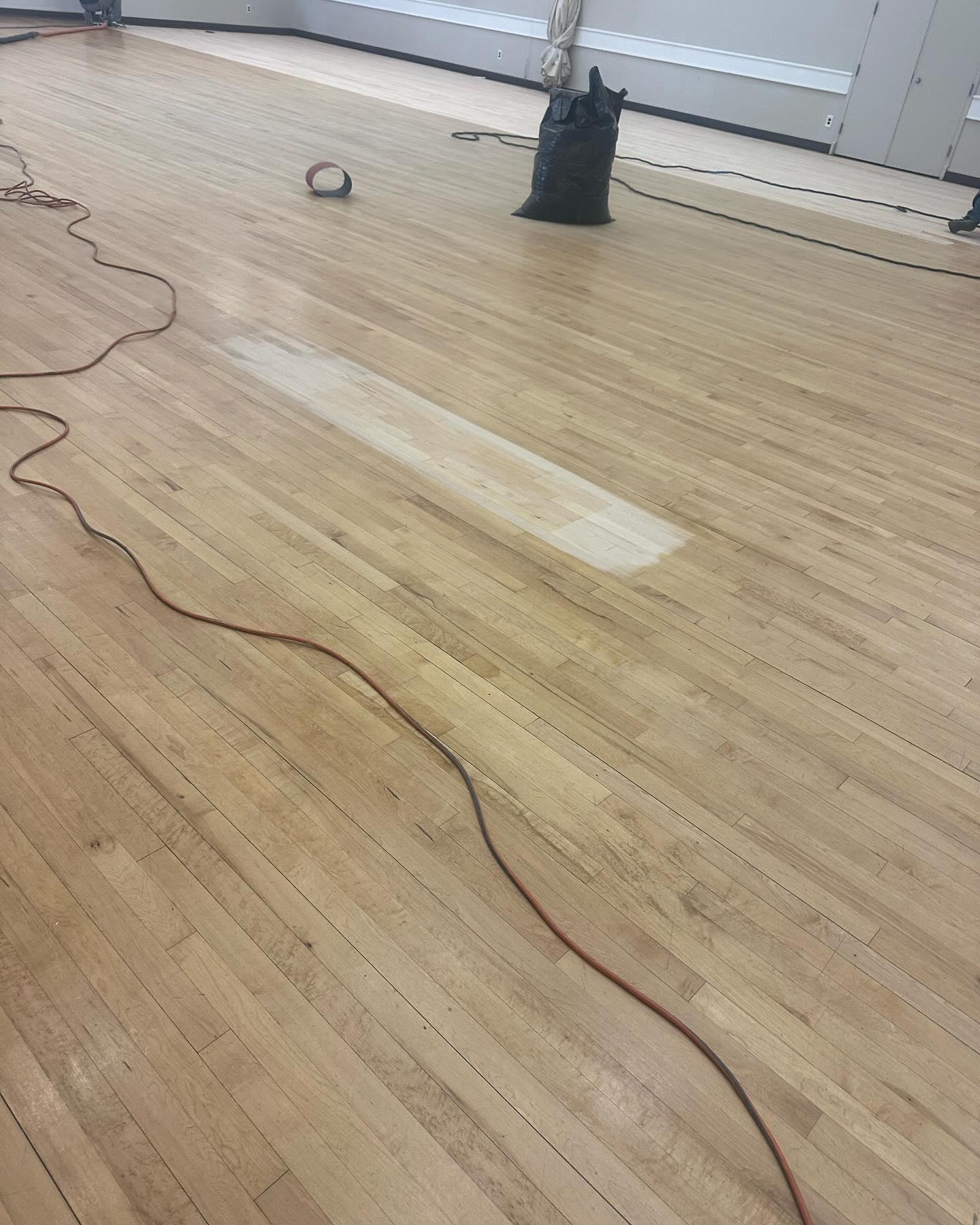
Antique wood floor sanding requires skill and patience. Parquet differs from strip flooring because the grain runs in multiple directions. Aggressive sanding can tear out chunks or create uneven low spots. Professionals use specialized equipment and techniques designed specifically for geometric patterns.
The process typically involves three passes with progressively finer sandpaper grits. The first pass removes old finish and levels the surface. The second smooths out scratches from the first. The final pass creates the perfect texture for finish adhesion.
Dust collection systems capture most of the debris, but some fine particles always escape. Even with good containment, expect to clean surrounding rooms after sanding wraps up. The tradeoff is worth it when you see fresh, clean wood emerging from decades of buildup.
Step Three: Staining (Optional)
Many homeowners choose to maintain the natural wood color of their parquet. The grain patterns provide enough visual interest without added pigment. If you prefer a different look, staining offers options.
Darker stains can hide minor imperfections and create dramatic contrast between wood tones. Lighter stains or whitewashing techniques brighten rooms and complement modern decor. Test any stain color on sample boards or in an inconspicuous area before committing to the entire floor.
Keep in mind that stain penetrates unevenly across different wood species and grain patterns. What looks uniform on a sample may appear blotchy on your floor. Working with experienced professionals who understand antique wood floor sanding helps avoid these pitfalls.
Step Four: Finishing
The final finish protects your investment and determines daily maintenance requirements. You have three main options: oil-based polyurethane, water-based polyurethane, or hardwax oil.
Oil-based polyurethane provides the most durable surface. It adds a warm amber tone that enhances natural wood colors. The downside is strong odor during application and a longer curing time. Plan to stay elsewhere for a few days while fumes dissipate.
Water-based polyurethane dries clear without yellowing. It has less odor and dries faster than oil-based products. The finish tends to be slightly less durable, but modern formulations have closed this gap considerably.
Hardwax oil penetrates the wood rather than sitting on top. It creates a matte, natural appearance that some homeowners prefer. Maintenance involves periodic reapplication of oil, but repairs are easier since you can spot-treat worn areas without refinishing the entire floor.
Most professionals apply at least three coats, sanding lightly between each. This builds up protective layers that resist scratches and moisture. The final coat gets buffed to your desired sheen level, from matte to high gloss.
Why Restoration Beats Replacement
Cost Comparison
Installing new hardwood flooring in Maryland costs between $8 and $15 per square foot for materials and labor. Specialty products like engineered parquet run even higher. A typical 300-square-foot living room could cost $2,400 to $4,500 for new floors.
Compare that to refinishing costs, which range from $3 to $6 per square foot depending on condition and required repairs. The same living room might cost $900 to $1,800 to restore. You save thousands while keeping original architectural details intact.
Factor in disposal costs for removing old flooring too. Parquet removal generates significant debris that needs hauling away. You also lose time waiting for new materials to arrive and acclimate to your home’s humidity levels.
Environmental Benefits
Choosing 1960s parquet floor restoration over replacement keeps usable materials out of landfills. The embodied energy in your existing floor represents decades of carbon storage. New flooring requires harvesting trees, manufacturing, and transportation, all of which carry environmental costs.
Old-growth wood in vintage parquet often has tighter grain and greater density than modern alternatives. This wood came from forests that no longer exist in their original state. Preserving these materials honors both craftsmanship and natural resources.
Maintaining Historical Character
Mid-Century homes have distinct architectural personalities. Original parquet floors contribute to that character in ways that new materials cannot duplicate. Potential buyers who appreciate period homes will pay premium prices for authentic details.
Real estate agents consistently report that well-maintained original features increase home values. Your refinish parquet wood floors Maryland investment pays dividends when selling time comes. Even if you plan to stay put, living with beautiful, authentic materials brings daily satisfaction.
Regional Considerations for Maryland Homes
Climate Challenges
Maryland’s humid summers and dry winters create challenging conditions for wood floors. Seasonal humidity swings cause expansion and contraction. Parquet tiles can cup, crown, or separate at the seams if moisture levels fluctuate too much.
Installing and running a whole-house humidifier helps maintain consistent relative humidity between 35% and 55%. This range keeps wood stable year-round. Dehumidifiers in basements prevent moisture migration from below.
Homes near the Chesapeake Bay or other water bodies face additional humidity challenges. Extra attention to vapor barriers and subfloor ventilation becomes critical in these locations.
Local Wood Species
Many Maryland parquet floors from the 1960s feature oak harvested from local forests. This regional wood performs well in our climate because it grew under similar conditions. When sourcing replacement tiles, try to match not just the species but also the origin of the wood.
Some high-end installations used exotic woods like teak or Brazilian cherry. These materials require specialized care and may be difficult to match today. Consult with contractors who have experience working with unusual species.
Finding the Right Contractor
Questions to Ask
Not every flooring company has experience with parquet floor repair Silver Spring MD projects. When interviewing contractors, ask specific questions about their parquet experience. Request photos of completed projects similar to yours. Check references and read online reviews carefully.
Ask about their sanding equipment. Proper tools make a huge difference in results. Inquire about dust containment systems and how they protect your home during work. Get detailed written estimates that break down costs for each project phase.
Verify licensing and insurance coverage. Maryland requires contractors to register with the state. Don’t work with anyone who can’t provide proof of proper credentials. Insurance protects you if accidents or damage occur during the project.
Red Flags to Avoid
Be wary of contractors who pressure you to replace rather than refinish without thoroughly assessing your floor’s condition. Some companies prefer new installations because they’re more profitable and require less skill.
Extremely low bids often indicate corner-cutting or inexperience. Quality work costs money, and reputable contractors charge fair rates that reflect their expertise. Paying a bit more upfront prevents costly fixes later.
Avoid contractors who can’t explain their process clearly or who dismiss your questions. Good professionals educate clients and welcome involvement in decision-making. Your home deserves careful attention, not rushed work.
Caring for Your Restored Floors
Daily Maintenance
Once your 1960s parquet floor restoration is complete, proper care extends its life. Sweep or vacuum daily using soft bristle attachments. Grit and dirt act like sandpaper under foot traffic, wearing down the finish prematurely.
Use doormats at all entrances to trap debris before it reaches your floors. Encourage family members and guests to remove shoes indoors. Felt pads under furniture legs prevent scratches when moving chairs or tables.
Wipe up spills immediately with a slightly damp cloth. Never let water pool on wood floors. Even well-sealed parquet can suffer damage if moisture sits too long.
Deep Cleaning
Weekly damp mopping with pH-neutral wood floor cleaner keeps surfaces fresh. Avoid vinegar, ammonia, or other harsh chemicals that break down protective finishes. Use minimal water on your mop; it should be just barely damp, not wet.
Every few months, buff the floor with a microfiber pad to restore shine. This process redistributes the finish and removes minor scuffs. Some homeowners apply maintenance coats of finish every few years to refresh protection without full sanding.
Protecting Your Investment
Area rugs in high-traffic zones reduce wear on your parquet. Choose rugs with non-slip backings that won’t trap moisture. Rotate rugs periodically so floors age evenly.
Trim pet nails regularly to prevent scratches. Use protective mats under pet food and water bowls. Address accidents quickly to prevent staining.
Monitor humidity levels and adjust as needed through seasons. This simple step prevents many common parquet problems. A basic hygrometer costs less than $20 and provides valuable information about your home’s conditions.
Real Stories from Maryland Homeowners
The Silver Spring Transformation
Janet and Mike bought a 1965 split-level in Silver Spring with wall-to-wall carpet throughout. When they pulled up the carpet in the living room, they found beautiful oak parquet underneath. Years of foot traffic had worn the finish, and several tiles were loose.
They hired a local contractor specializing in antique wood floor sanding. The restoration took four days and cost $1,800 for 400 square feet. “We couldn’t believe the difference,” Janet says. “The floors looked better than we imagined. Friends who visit always comment on them. It completely changed the feel of our home.”
Bethesda Mid-Century Revival
Tom renovated his 1962 Bethesda ranch with the goal of highlighting original features. The parquet in the dining room had water damage from a long-ago leak. Previous owners had covered it with vinyl tiles.
Working with a parquet specialist, Tom replaced 30 damaged tiles with salvaged pieces from a local architectural salvage company. After sanding and refinishing, the floor became a showpiece. “People ask if we installed new flooring,” Tom reports. “When I tell them it’s original to the house, they’re amazed. The quality of that old wood is incredible.”
Towson Colonial Update
Sarah inherited her grandmother’s brick colonial in Towson. The parquet entry hall had decades of wax buildup and a yellowed finish. She considered covering it with new flooring but decided to try restoration first.
The refinish parquet wood floors Maryland project revealed gorgeous walnut parquet in a herringbone pattern. “My grandmother would be thrilled to see it looking this good again,” Sarah says. “I’m so glad I didn’t cover it up. It connects me to the home’s history.”
Making Your Decision
Weighing the Options
Only you can decide whether refinishing makes sense for your situation. Consider your budget, timeline, and long-term plans for the home. If you’re planning to sell within a year or two, beautiful original floors can be a major selling point.
Think about your tolerance for disruption. Refinishing requires moving furniture and staying off the floors for several days. The process creates dust and odors despite best containment efforts. Plan accordingly and set realistic expectations.
Evaluate your floor’s current condition honestly. Severely damaged parquet with extensive missing tiles might cost more to restore than replace. Get multiple professional opinions before making final decisions.
Taking the First Step
Ready to move forward with your parquet floor repair Silver Spring MD project? Start by researching local contractors who specialize in vintage floor restoration. Schedule consultations with at least three companies.
During consultations, show contractors your floors and discuss your goals. Ask for detailed estimates and timelines. Don’t rush this process; finding the right partner makes all the difference in results.
Create a realistic budget that includes a 10-15% contingency for unexpected issues. Old homes often surprise us once work begins. Having financial cushion reduces stress if additional repairs become necessary.
The Lasting Value of Restoration
Choosing to refinish parquet wood floors Maryland homes contain from the 1960s preserves more than just flooring. You maintain a piece of architectural history while creating a beautiful, functional surface for modern living. The craftsmanship in those original installations deserves respect and care.
Your restored floors will serve your family for decades to come. They’ll withstand daily wear while adding warmth and character to your spaces. Future generations might appreciate your decision to save rather than replace these pieces of the past.
The effort involved in 1960s parquet floor restoration pays off in satisfaction, savings, and style. You’ll walk across those floors every day knowing you made a choice that honors quality, sustainability, and beauty. That feeling is worth every bit of dust and disruption during the process.
If you’re ready to see what lies beneath your carpet or to bring new life to worn parquet, reach out to experienced professionals in your area. Your Mid-Century home has stories to tell, and those original floors are part of the narrative. Give them the chance to shine again.
Frequently Asked Questions
How long does it take to refinish parquet floors in a typical Maryland home?
Most parquet refinishing projects take 3 to 5 days depending on the room size and floor condition. The process includes repair work, sanding, and applying multiple finish coats with drying time between each. You’ll need to stay off the floors for at least 24 hours after the final coat, and full curing takes about a week.
Can I refinish parquet floors myself or should I hire a professional?
While DIY refinishing is possible, parquet requires specialized techniques because the wood grain runs in multiple directions. Improper sanding can tear out pieces or create uneven surfaces. Professionals have the right equipment and experience to handle geometric patterns safely. For valuable 1960s parquet, hiring a skilled contractor is usually the better choice.
What’s the average cost to refinish parquet floors in Silver Spring or Bethesda?
Expect to pay between $3 and $6 per square foot for professional parquet refinishing in the Maryland area. A 300-square-foot room typically costs $900 to $1,800. Prices vary based on floor condition, required repairs, and finish type. Extensive damage or missing tiles that need replacement will increase costs.
How do I know if my 1960s parquet floor can be saved or needs replacement?
If 75% or more of your parquet tiles remain secure and intact, refinishing usually makes sense. Check the thickness of your tiles; most 1960s installations are 3/8 to 5/8 inches thick, allowing at least one refinishing. Widespread water damage, extensive missing tiles, or subfloor problems might require replacement instead.
What type of finish works best for restored parquet floors in humid Maryland climates?
Oil-based polyurethane offers the most durable protection and handles Maryland’s humidity swings well. Water-based polyurethane dries clear and has less odor but may be slightly less durable. Hardwax oil creates a natural look and allows easier spot repairs. Your choice depends on desired appearance, durability needs, and tolerance for application odors.
Ready to get this done in your home?
5.0-star Google rating · 500+ reviews · MHIC #104041 · Licensed & Insured
Get My Free Estimate Call 240-246-4561
Related services: Hardwood Floor RefinishingHardwood Floor RestorationHardwood Floor StainingSanding and Staining Cost Guide
Contact Us
Fill out the form below and an AG Construction representative will contact you soon.


Maryland’s Premier Flooring Company
full-service flooring contractor
Whether you own a home or business, we’re your single source for complete flooring installation services! Our comprehensive services include:
- Hardwood staining, sanding, refinishing, restoration, and more!
- Carpet removal and installation
- Vinyl luxury plank replacement and installation
- Vinyl tile and COREtec installation
- And more!