

back to blog

Ditching the Carpet: Why Maryland Homeowners are Upgrading to Hardwood and LVP
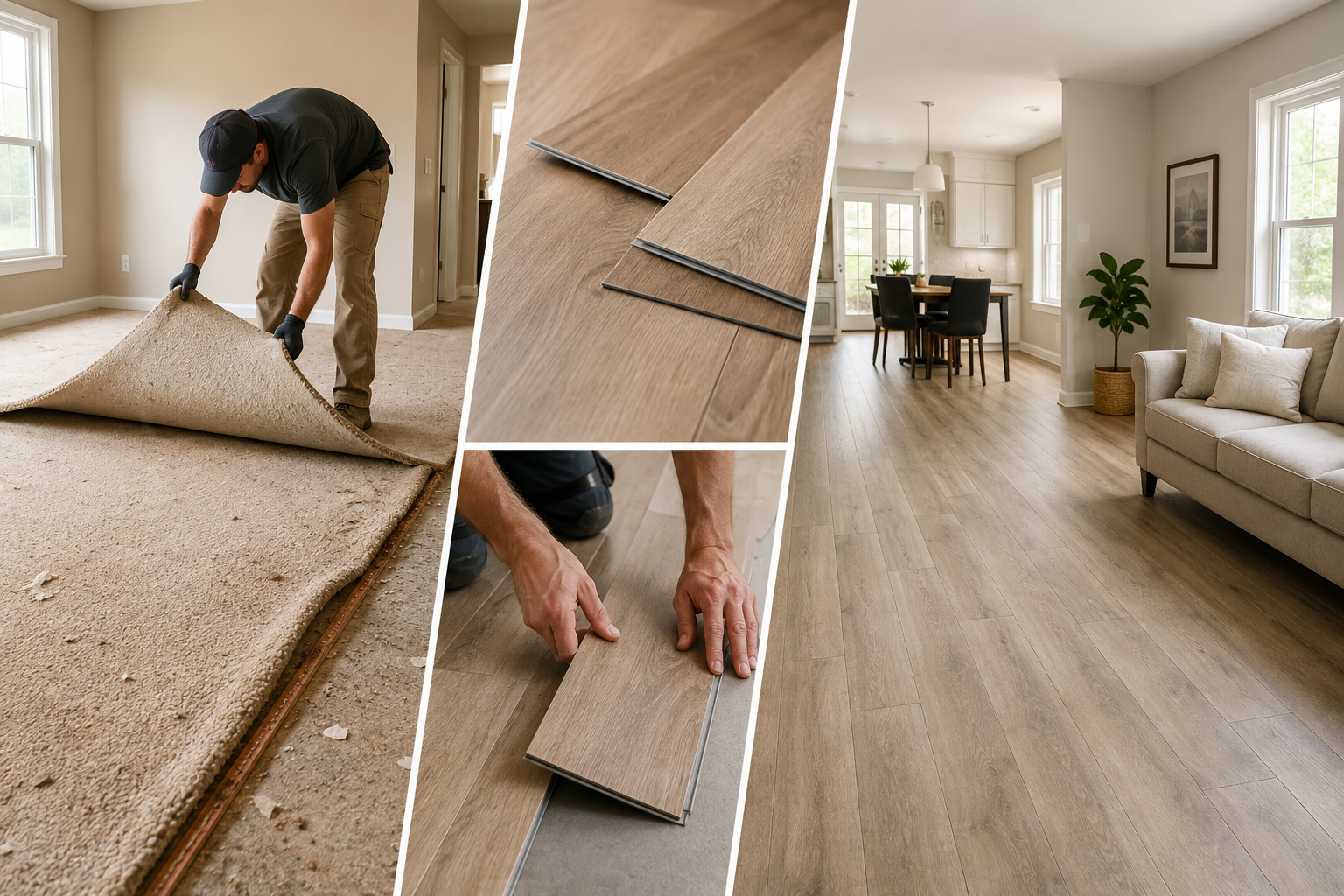
Carpet traps dust, pet dander, and allergens that make your home feel stuffy and worn out. If you’re ready to replace carpet with hardwood Maryland homeowners trust, you’re not alone. From tackling stubborn stains to cutting down on allergy triggers, this guide on carpet removal and LVP installation DMV will show you what to expect, including carpet to hardwood conversion cost and where to find the best hypoallergenic flooring contractors MD.
Why Homeowners in Maryland Are Ditching Their Carpets
Let’s be honest: carpet had its moment. But if you’re dealing with allergies, pet accidents, or just tired of looking at those old, worn fibers, it’s time for a change. More Maryland homeowners are choosing to replace carpet with hardwood Maryland flooring experts recommend because it’s cleaner, easier to maintain, and looks amazing.
The Hidden Problems with Carpet
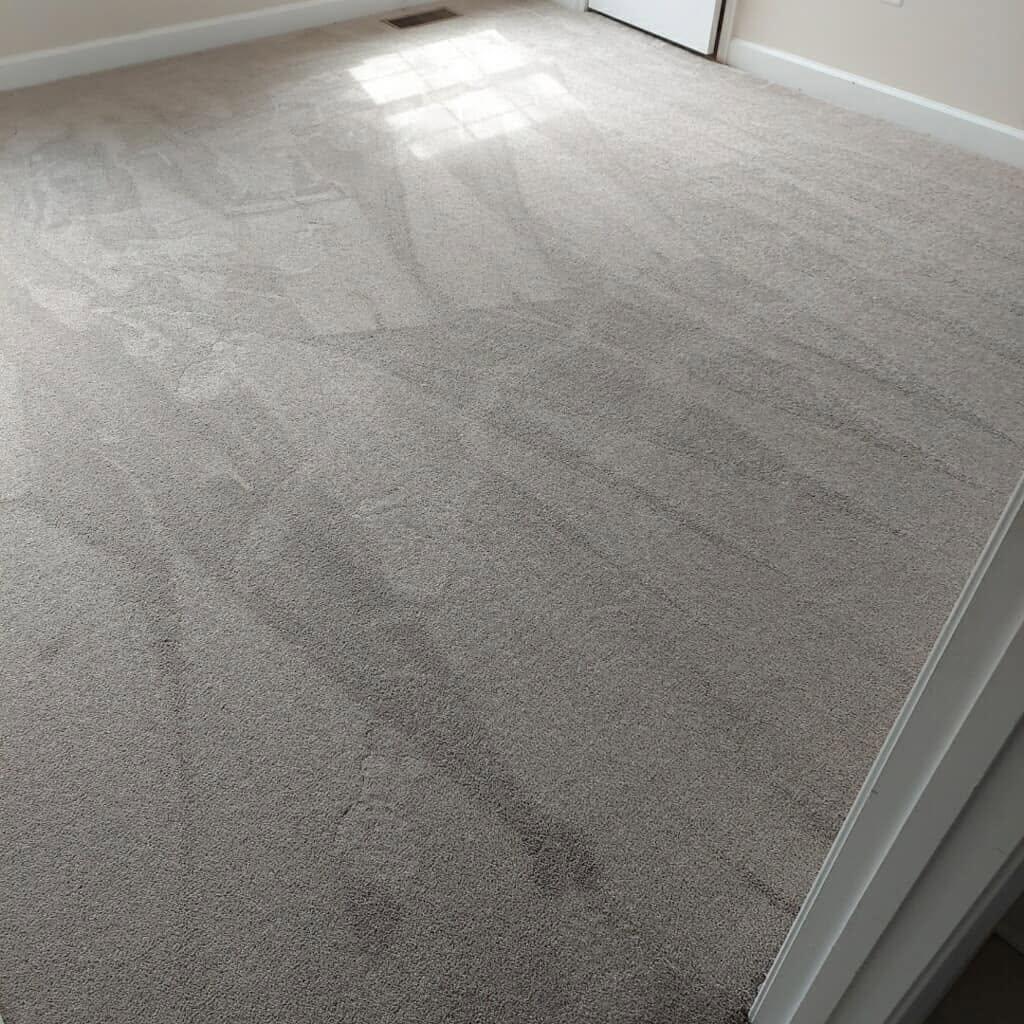
Carpet might feel cozy under your feet, but it’s hiding some not-so-pleasant surprises. Dust mites love carpet fibers. They burrow deep where your vacuum can’t reach. Pet dander sticks around for years, even after you’ve cleaned. And if you’ve ever dealt with a pet stain, you know that smell never really goes away.
For allergy sufferers, carpet is basically a trap for everything that makes you sneeze. Mold spores, pollen tracked in from outside, and dust all settle into those fibers. No amount of vacuuming can get it all out.
The Health Benefits of Hard Surface Flooring
When you switch to hardwood or LVP (luxury vinyl plank), you’re doing your lungs a favor. Hard surfaces don’t trap allergens the way carpet does. A quick sweep or mop removes dust and dander completely. You’re not just pushing allergens around; you’re actually getting rid of them.
Many families with asthma or severe allergies notice a real difference within weeks of removing their carpet. One homeowner in Silver Spring told us, “My daughter’s allergies improved so much after we got rid of the carpet. We should have done it years ago.”
Understanding Your Flooring Options: Hardwood vs. LVP
You’ve decided to ditch the carpet. Great! Now comes the fun part: choosing what goes down instead. Let’s break down your two best options.
Solid Hardwood Flooring
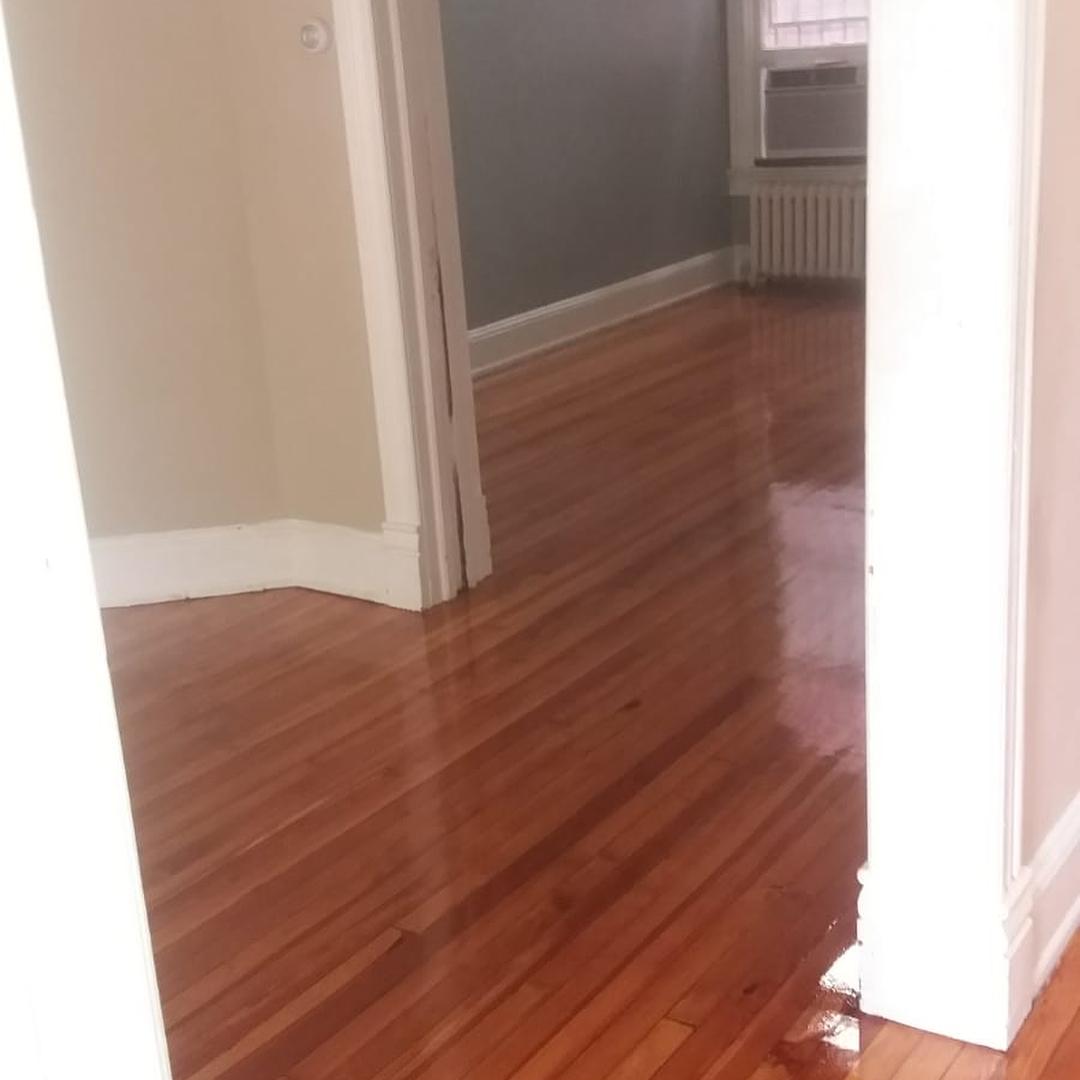
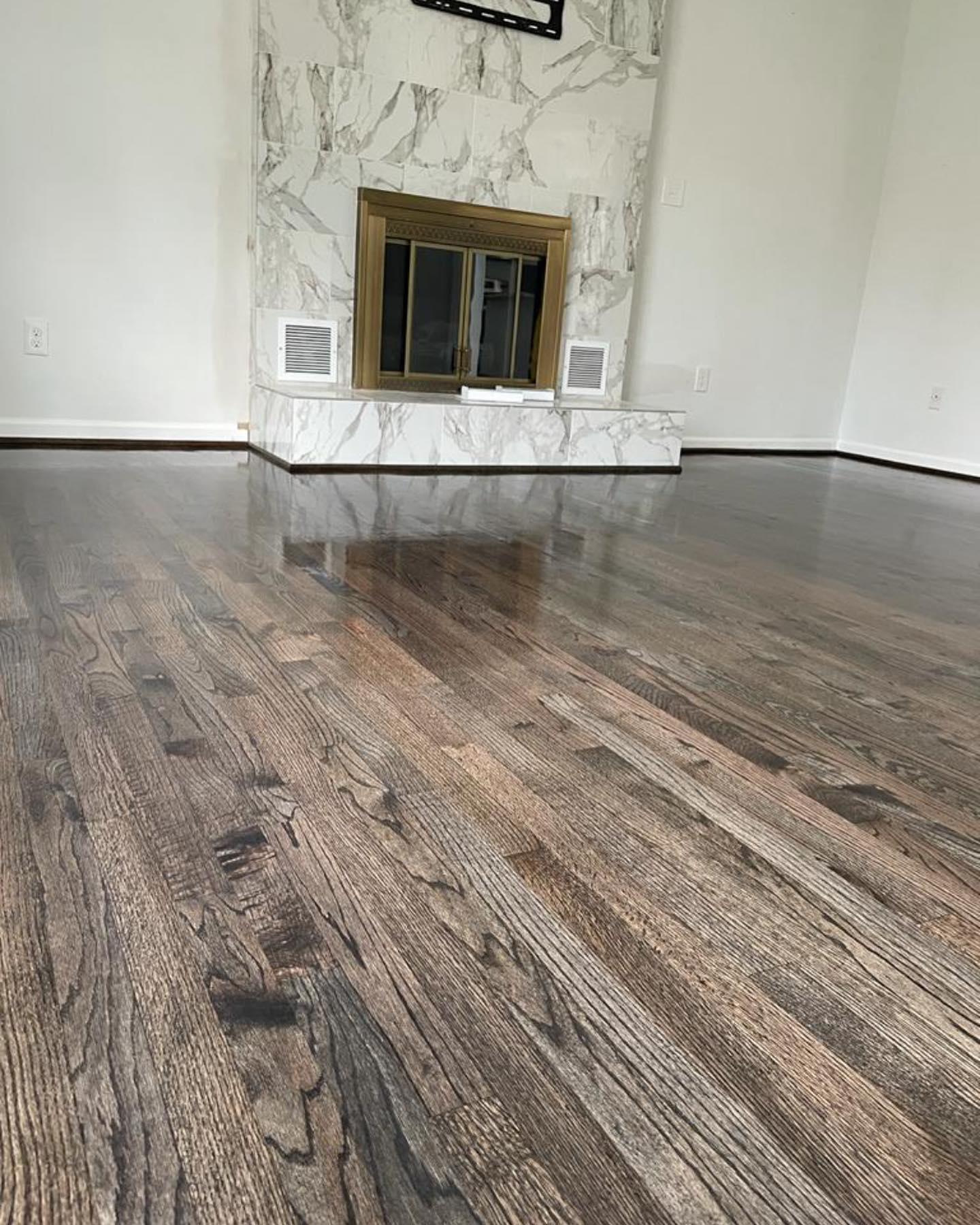
Real hardwood never goes out of style. Oak, maple, and hickory are popular choices in Maryland homes. Hardwood adds value to your property and can last for decades with proper care.
The pros? It’s gorgeous, it’s durable, and you can refinish it multiple times over its lifetime. The cons? It’s more expensive upfront, and it doesn’t love moisture. Basements and bathrooms aren’t ideal for solid hardwood.
Luxury Vinyl Plank (LVP)
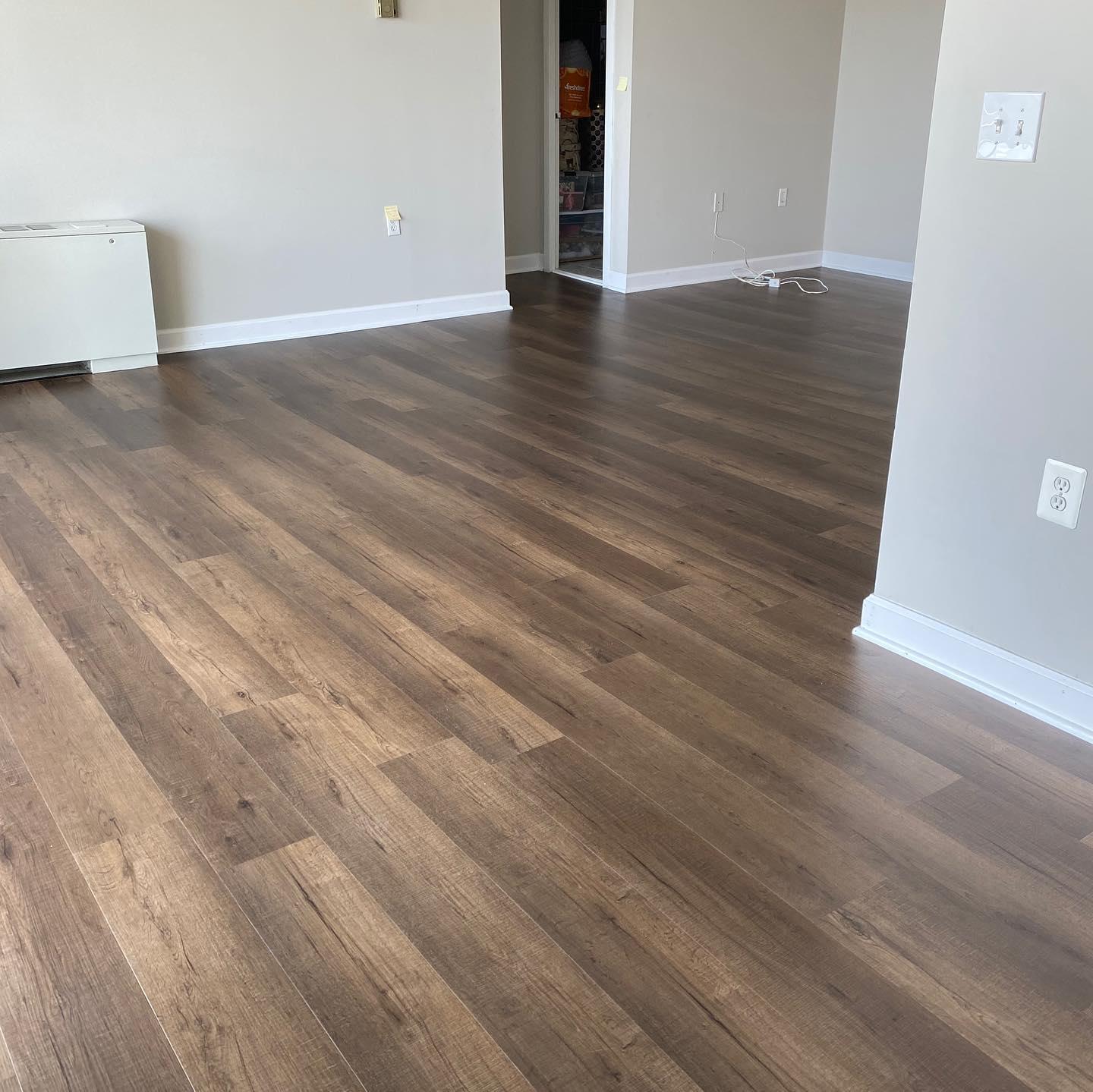
LVP has come a long way in recent years. Today’s luxury vinyl looks so much like real wood that most people can’t tell the difference. It’s waterproof, which makes it perfect for kitchens, bathrooms, and basements.
LVP costs less than hardwood and stands up better to scratches and dents. If you have active kids or big dogs, this might be your best bet. Plus, many hypoallergenic flooring contractors MD recommend LVP because it’s completely non-porous and easy to clean.
Which Option is Right for You?
Think about your lifestyle and budget. Do you want the prestige and long-term value of real hardwood? Or do you need something more practical and budget-friendly?
For main living areas like living rooms and bedrooms, hardwood is a beautiful choice. For high-moisture areas or homes with pets, LVP makes more sense. Many homeowners mix both: hardwood in formal spaces and LVP in kitchens and basements.
The Carpet Removal Process: What to Expect
Removing carpet isn’t as simple as just pulling it up. There’s a process, and knowing what to expect helps you prepare.
Step 1: Clearing the Room
Before any work starts, you’ll need to move furniture out of the room. Some contractors offer this service for an extra fee. Others expect you to handle it yourself. Be clear about this when you get quotes.
Step 2: Pulling Up the Carpet
The actual carpet removal goes pretty fast. Contractors cut the carpet into strips, roll it up, and haul it away. Underneath, you’ll find the carpet pad, which also needs to go.
Step 3: Removing Tack Strips and Staples
Here’s where it gets tedious. Tack strips line the perimeter of the room, and they’re nailed into your subfloor. Staples are everywhere. Removing all of these takes time and care to avoid damaging the subfloor underneath.
Step 4: Inspecting and Repairing the Subfloor
Once everything is cleared away, your contractor will inspect the subfloor. Sometimes there’s damage from water, pet accidents, or just age. Any soft spots, squeaks, or uneven areas need fixing before new flooring goes down.
This step is critical. Skipping subfloor repairs leads to problems down the road. Your new floor might squeak, feel uneven, or even get damaged.
What About the Dust and Mess?
Carpet removal creates dust. There’s no way around it. Years of accumulated dirt and debris get kicked up into the air. If you have allergies, plan to stay elsewhere during the removal process. Good contractors will contain the mess as much as possible and clean up thoroughly when they’re done.
Installing Your New Flooring
With the old carpet gone and your subfloor prepped, it’s time for the exciting part: installation of your new floor.
Hardwood Installation
Installing hardwood takes skill and precision. Boards need to acclimate to your home’s humidity for several days before installation. Then contractors carefully nail or glue each plank, making sure everything is level and properly spaced.
The process usually takes a few days, depending on the size of your space. After installation, the floor needs sanding and finishing (if you chose unfinished hardwood). This adds time but gives you a custom look.
LVP Installation
LVP installation is faster and creates less mess. Most LVP is a floating floor, meaning it clicks together without nails or glue. Some types do require adhesive, but either way, the process is quicker than hardwood.
You can often walk on LVP the same day it’s installed. There’s no waiting for finish to dry or cure. For busy families, this is a huge advantage.
Timeline Expectations
For a typical bedroom or living room, expect carpet removal and LVP installation DMV contractors to take 2-3 days total. Hardwood takes longer, usually 4-7 days including finishing time.
Larger projects or homes with multiple rooms take proportionally longer. Your contractor should give you a detailed timeline during the estimate process.
Understanding Carpet to Hardwood Conversion Cost
Let’s talk money. The carpet to hardwood conversion cost varies based on several factors, but knowing the ballpark helps you budget.
Cost Breakdown
Carpet removal typically costs $1 to $2 per square foot. For a 300-square-foot room, that’s $300 to $600 just for removal and disposal.
Hardwood installation ranges from $6 to $12 per square foot for materials and labor. That same 300-square-foot room would cost $1,800 to $3,600 for hardwood.
LVP is more affordable, running $3 to $7 per square foot installed. Your 300-square-foot room would be $900 to $2,100.
Additional Costs to Consider
Subfloor repair adds to your total if needed. Minor repairs might add a few hundred dollars. Extensive damage could add $1,000 or more.
Moving furniture, if your contractor handles it, typically costs $100 to $300 per room. Disposal fees for old carpet might be included or could be separate.
Trim and molding replacement is another consideration. If your new floor is thicker or thinner than carpet, you might need new baseboards.
Ways to Save Money
Get multiple quotes from different contractors. Prices vary widely in the DMV area. Shop for materials yourself if you’re handy and want to save on markup.
Consider doing demo work yourself. Pulling up carpet isn’t too hard if you’re comfortable with basic tools. Just be prepared for the mess and physical work involved.
Time your project during slower seasons. Some contractors offer better rates in winter when business is slower.
Is It Worth the Investment?
Replacing carpet with hardwood or LVP adds value to your home. Real estate agents consistently report that homes with hard surface flooring sell faster and for more money than carpeted homes.
Beyond resale value, think about the daily benefits. Easier cleaning, better air quality, and a more modern look make your home more enjoyable right now.
Finding the Right Hypoallergenic Flooring Contractors MD
Not all flooring contractors are created equal. Finding experienced hypoallergenic flooring contractors MD who understand your specific needs makes all the difference.
What to Look For
Start with licensing and insurance. Any contractor working in your home should be properly licensed and carry liability insurance. Don’t be shy about asking for proof.
Look for experience with both carpet removal and your chosen flooring type. A contractor who specializes in hardwood might not be the best choice for LVP, and vice versa.
Check reviews and references. Online reviews give you a sense of how contractors treat customers. Ask for references from recent projects similar to yours.
Questions to Ask During Estimates
How long have you been in business? Longevity suggests reliability and quality work.
Can you provide a detailed written estimate? Vague quotes lead to surprise costs later. Get everything in writing.
What’s included in your price? Make sure you understand what’s covered and what costs extra.
How do you handle subfloor issues? You want a contractor who thoroughly inspects and properly repairs subfloors, not one who cuts corners.
What’s your timeline? Knowing exactly when work will start and finish helps you plan.
Do you offer any warranties? Good contractors stand behind their work with warranties on both labor and materials.
Red Flags to Avoid
Be cautious of quotes that seem too good to be true. Extremely low bids often mean cut corners or surprise upcharges later.
Avoid contractors who pressure you to decide immediately. Legitimate professionals give you time to think and compare options.
Skip anyone who can’t provide references or proof of insurance. This is non-negotiable for protecting yourself.
Local Recommendations
Ask neighbors and friends who’ve had similar work done. Personal recommendations are gold when finding contractors.
Check with local home improvement stores. They often know which contractors do quality work in the area.
Look for contractors who specifically mention allergy concerns and hypoallergenic flooring options. These pros understand your health needs, not just the technical aspects of flooring.
Preparing Your Home for the Project
A little preparation goes a long way toward making your carpet removal and LVP installation DMV project go smoothly.
Before Work Begins
Clear out all furniture and belongings from the rooms being worked on. This includes closets if they’re being done too.
Remove wall decorations and anything hanging that might fall from vibrations during work.
Plan for dust control. Seal off doorways to other rooms with plastic sheeting. Close HVAC vents in work areas to prevent dust from spreading through your system.
Arrange alternative sleeping and living spaces if bedrooms or main living areas are being worked on. You might want to stay with family or friends during the messiest days.
Protecting Your Belongings
Dust from carpet removal gets everywhere. Cover any remaining furniture with plastic or old sheets.
Remove or cover electronics. Dust and debris can damage computers, TVs, and other sensitive equipment.
Protect your HVAC system by changing filters immediately after the project. All that dust can clog filters quickly.
Planning for Pets and Kids
The noise, strangers, and disruption can stress pets. Consider boarding them or having them stay elsewhere during the work.
Keep kids away from the work area for safety. Flying debris, sharp tools, and exposed nails create hazards.
Communication with Your Contractor
Establish clear communication from the start. Get a cell number and know who to contact with questions or concerns.
Do a walkthrough before work begins. Point out any existing damage or concerns so there’s no confusion later about what was pre-existing.
Agree on daily cleanup expectations. Good contractors clean up at the end of each day, but be clear about your standards.
Maintaining Your New Floors
You’ve invested in beautiful new flooring. Now let’s keep it looking great for years to come.
Hardwood Care
Sweep or vacuum daily to prevent dirt from scratching the finish. Use a soft-bristle attachment on your vacuum, not the beater bar.
Mop weekly with a hardwood-specific cleaner. Never use excessive water, which can damage wood. A damp (not wet) mop is all you need.
Use felt pads under furniture legs. This prevents scratches when furniture moves.
Keep humidity levels stable. Wood expands and contracts with humidity changes. Aim for 35-55% relative humidity year-round.
Refinish every 7-10 years, or when the finish starts looking worn. This restores the beauty and extends the life of your floor.
LVP Care
LVP is even easier to maintain. Sweep or vacuum regularly to remove dirt and grit.
Mop with any pH-neutral cleaner. LVP is waterproof, so you can use a wet mop without worry.
Wipe up spills promptly. While LVP is waterproof, standing water around edges can seep into seams if left too long.
Use doormats at entrances. This catches dirt and grit before it gets tracked across your floor.
Avoid abrasive cleaners or tools. While LVP is durable, harsh scrubbing can dull the finish over time.
Dealing with Damage
For hardwood, minor scratches can be buffed out or touched up with wood markers. Deeper damage might require professional refinishing of that area.
LVP planks can be individually replaced if damaged. This is one of LVP’s big advantages: you don’t have to refinish the entire floor for one damaged board.
Keep extra flooring from your installation. Having matching planks or boards makes repairs much easier down the road.
Real Stories from Maryland Homeowners
Nothing beats hearing from people who’ve been through the process. Here are some real experiences from homeowners who decided to replace carpet with hardwood Maryland flooring professionals installed.
The Thompson Family, Bethesda
“We lived with stained carpet for three years because we thought replacing it would be too expensive and disruptive. When we finally got quotes for carpet removal and LVP installation DMV contractors offered, we were surprised it was so affordable. The whole project took three days, and our allergies improved immediately. We only wish we’d done it sooner.”
Sarah M., Silver Spring
“As a single mom with two kids and a dog, I needed flooring that could handle anything. The carpet to hardwood conversion cost was higher than I initially wanted to spend, but I found great hypoallergenic flooring contractors MD who worked within my budget. We went with LVP in a wood-look finish. It’s been two years, and it still looks brand new despite everything my family throws at it.”
Mike and Jennifer, Rockville
“We bought an older home with carpet throughout. The smell was musty, and we suspected mold underneath. When contractors pulled up the carpet, they found water damage in two rooms. Yes, it added to our costs, but fixing that problem probably saved us from health issues down the road. Now we have beautiful hardwood floors and peace of mind.”
Making the Decision: Your Next Steps
You’ve learned about the process, costs, and benefits of replacing your carpet. Now it’s time to take action.
Start with Research
Look at flooring options online and in showrooms. Bring home samples and see how they look in your actual lighting.
Calculate your square footage. Measure each room you want to update so you can get accurate quotes.
Set a realistic budget. Include not just flooring and installation, but also contingency money for unexpected subfloor repairs.
Get Multiple Quotes
Contact at least three contractors for estimates. This gives you a range of prices and approaches.
Ask each contractor the same questions so you can fairly compare answers.
Don’t automatically go with the lowest bid. Consider experience, reviews, and how comfortable you feel with each contractor.
Schedule Your Project
Choose a time that works for your family’s schedule. Many people prefer spring or fall when windows can be open for ventilation.
Plan for the disruption. Know where you’ll sleep, cook, and spend time during the work.
Confirm all details in writing before work begins. This protects both you and your contractor.
Take the Leap
Yes, replacing flooring is a big project. But the benefits far outweigh the temporary inconvenience. Cleaner air, easier maintenance, and a more beautiful home are waiting for you.
If you’re ready to replace carpet with hardwood Maryland homeowners recommend, or if you want to learn more about carpet removal and LVP installation DMV professionals provide, reach out to local contractors today. Get those estimates, ask questions, and start planning your flooring transformation.
Your home will thank you. Your allergies will thank you. And every time you walk across those beautiful new floors, you’ll be glad you made the change.
Finding Help in the DMV Area
The DMV area has plenty of qualified flooring contractors ready to help with your project. Start by searching for hypoallergenic flooring contractors MD who specifically understand the needs of allergy sufferers.
Local home shows and home improvement expos are great places to meet contractors and see product samples. Many offer show specials that can save you money.
Don’t forget to check local regulations. Some HOAs or condo associations have rules about flooring changes, especially regarding noise during installation.
Your new floors are closer than you think. With the right contractor and proper planning, you can say goodbye to that old carpet and hello to beautiful, healthy flooring in just a few days. The carpet to hardwood conversion cost is an investment in your home’s value and your family’s health.
Take that first step today. Your future self, breathing easier in a cleaner home, will be grateful you did.
Frequently Asked Questions
How much does it cost to replace carpet with hardwood in Maryland?
The total carpet to hardwood conversion cost typically ranges from $8 to $14 per square foot, including removal, disposal, and hardwood installation. For a 300-square-foot room, expect to pay $2,400 to $4,200. LVP is more affordable at $4 to $9 per square foot total, or $1,200 to $2,700 for the same room. Additional costs may apply if subfloor repairs are needed.
How long does carpet removal and LVP installation take?
Most carpet removal and LVP installation DMV projects take 2-3 days for a standard room. Day one covers carpet removal and subfloor prep. Days two and three handle LVP installation. Hardwood takes longer, typically 4-7 days including finishing time. Larger projects or multiple rooms extend the timeline proportionally.
Is hardwood or LVP better for people with allergies?
Both hardwood and LVP are excellent choices for allergy sufferers because neither traps dust, pet dander, or allergens like carpet does. LVP has a slight edge because it’s completely waterproof and non-porous, making it impossible for mold to grow. Hardwood can develop small gaps over time that might collect dust, but regular cleaning keeps this minimal. Work with hypoallergenic flooring contractors MD who understand your specific health needs.
Can I remove carpet myself to save money?
Yes, removing carpet yourself can save $1 to $2 per square foot in labor costs. You’ll need basic tools like a utility knife, pliers, and pry bar. Be prepared for heavy physical work and lots of dust. If you have allergies or asthma, the dust exposure might not be worth the savings. Also, be careful not to damage the subfloor during removal, as repairs will cost more than you saved.
What should I do if I find mold or damage under my carpet?
Stop the project immediately and document the damage with photos. Contact your flooring contractor to assess the extent and create a repair plan. Minor water stains may just need drying and sealing. Extensive mold or structural damage requires professional remediation before new flooring can be installed. While this adds cost, addressing the problem protects your health and home value long-term.
Ready to get this done in your home?
5.0-star Google rating · 500+ reviews · MHIC #104041 · Licensed & Insured
Get My Free Estimate Call 240-246-4561
Related services: Hardwood Floor RefinishingHardwood Floor RestorationHardwood Floor Staining
Contact Us
Fill out the form below and an AG Construction representative will contact you soon.


Maryland’s Premier Flooring Company
full-service flooring contractor
Whether you own a home or business, we’re your single source for complete flooring installation services! Our comprehensive services include:
- Hardwood staining, sanding, refinishing, restoration, and more!
- Carpet removal and installation
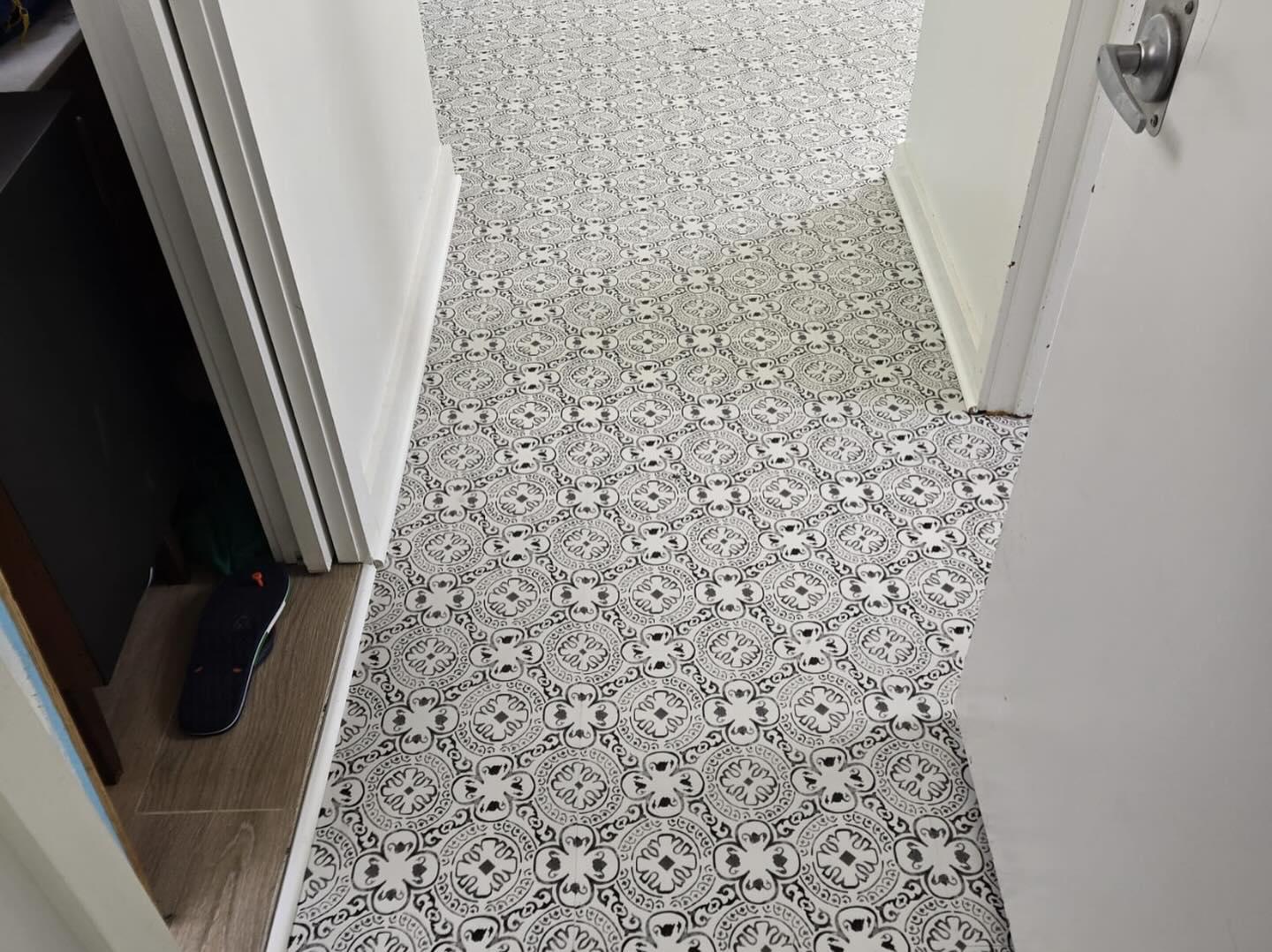
- Vinyl luxury plank replacement and installation
- Vinyl tile and COREtec installation
- And more!