

back to blog
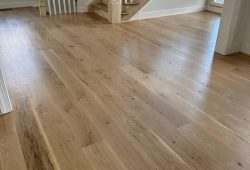

Hardwood vs. LVP: Which Flooring is Best for Your Frederick County Home?
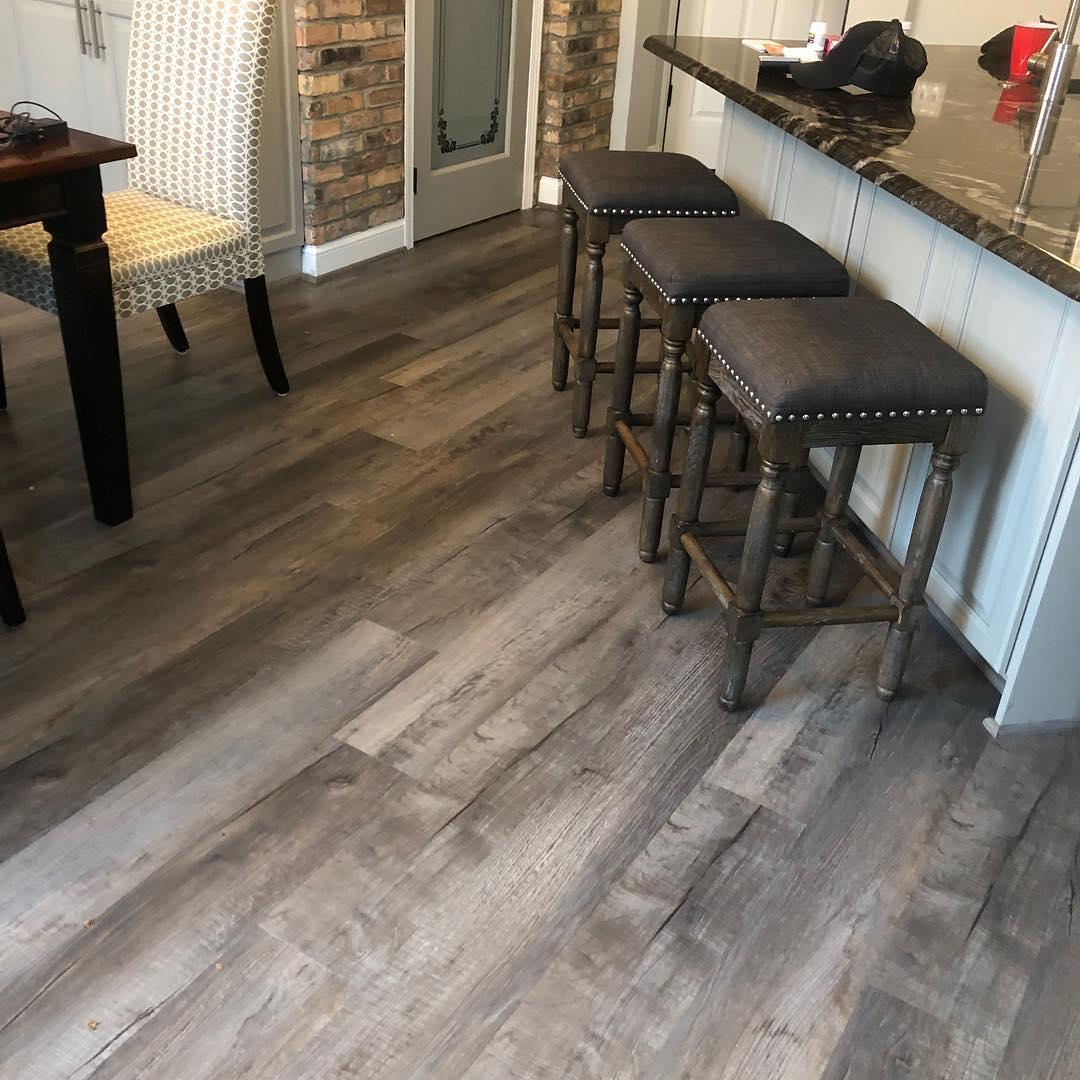
Choosing between hardwood and luxury vinyl plank can feel like a tough call for your Frederick County home. You want flooring that lasts, fits your budget, and handles life with pets without constant repairs. This guide breaks down hardwood vs luxury vinyl plank, showing you the real pros and cons before you commit to LVP installation Frederick MD or hardwood’s classic charm. Keep reading to find the best flooring for pets and affordable flooring options that suit your lifestyle.
Understanding Your Flooring Options
When you’re standing in your living room trying to decide what goes underfoot, you’re making a choice that affects your home for years to come. Let’s talk about what you’re really getting with each option.
What is Hardwood Flooring?
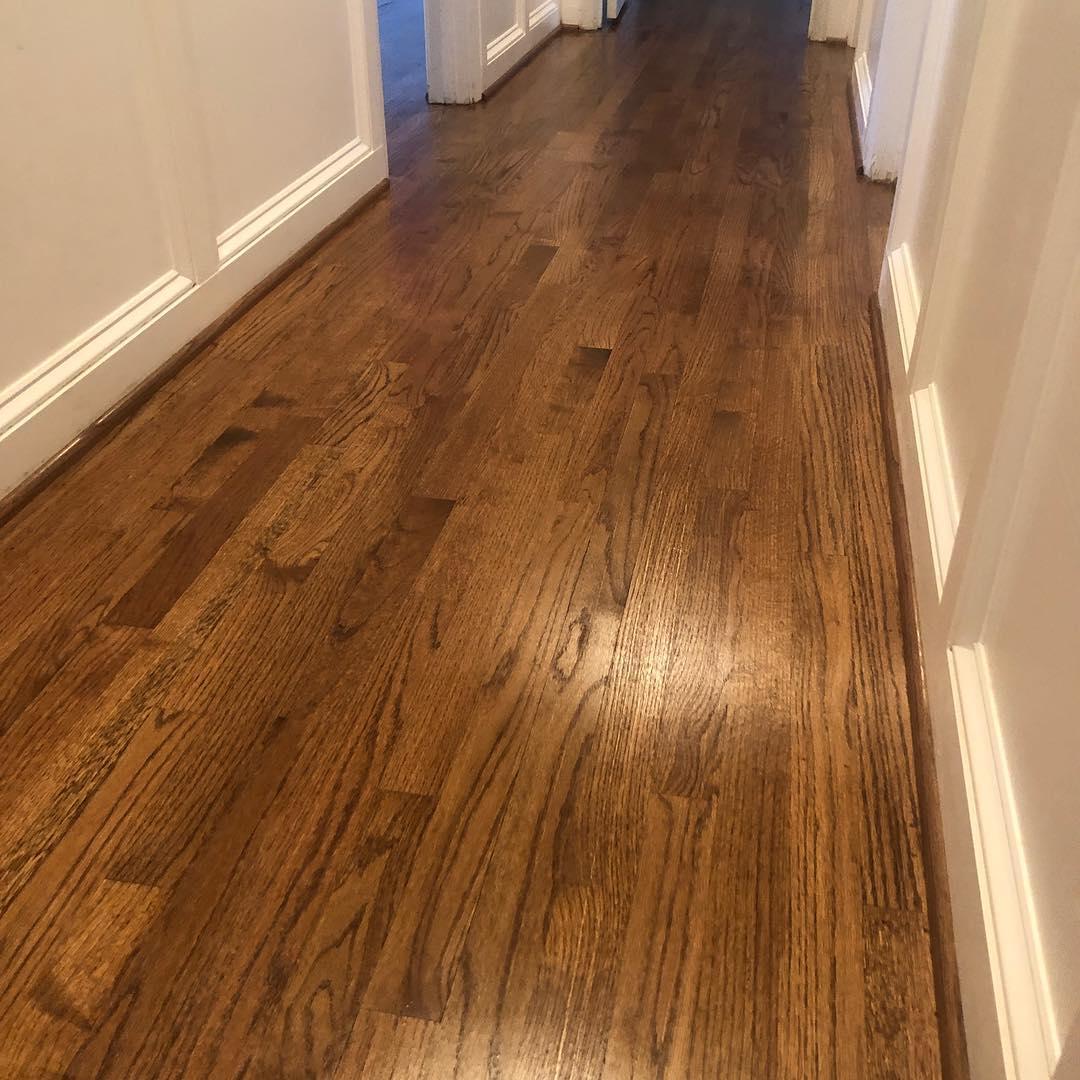
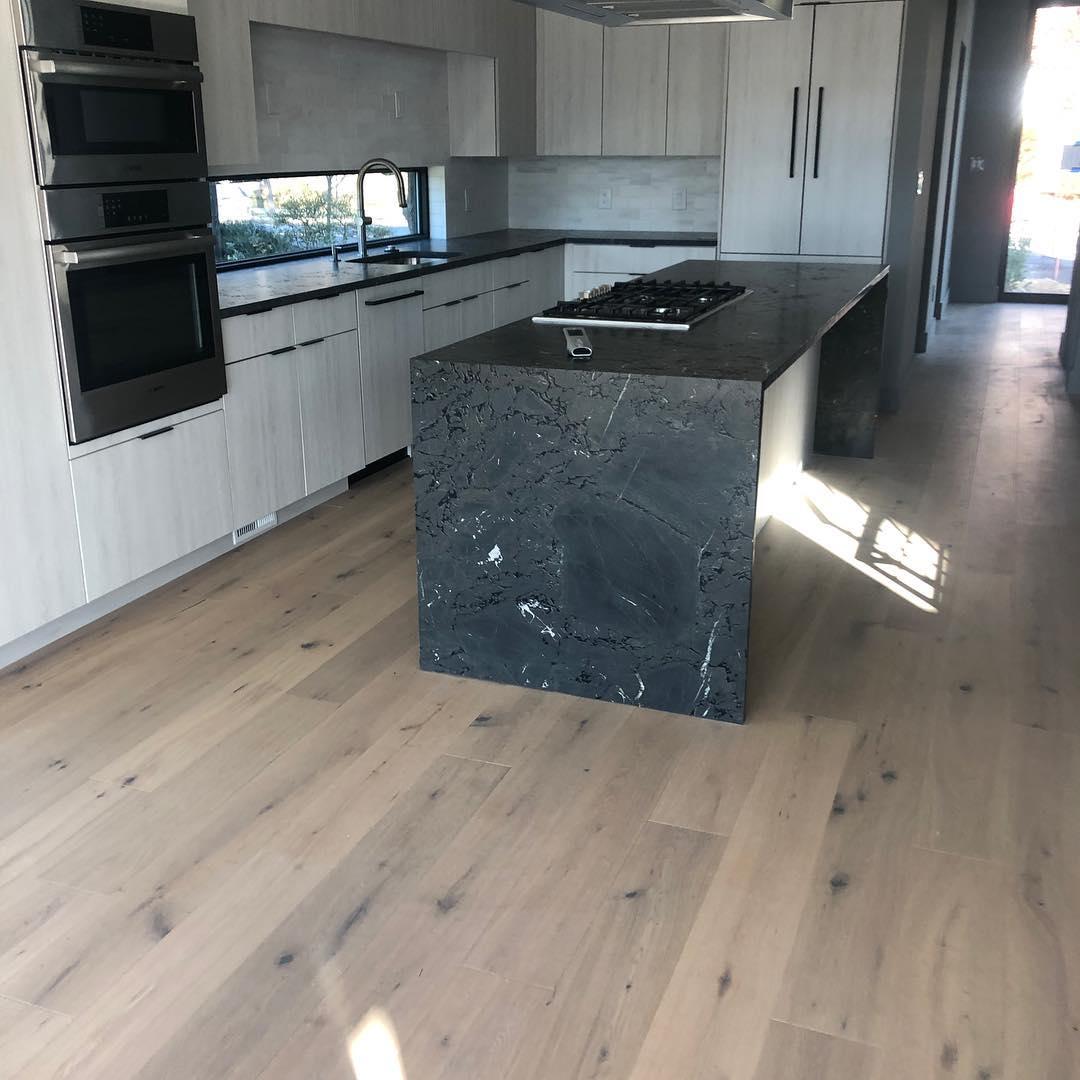
Hardwood flooring is exactly what it sounds like: real wood planks milled from trees like oak, maple, or hickory. These boards get installed directly on your subfloor, sanded, and finished with protective coatings. You’ve probably walked on hardwood floors in older homes and felt that solid, authentic feel beneath your feet.
Real hardwood brings natural beauty that changes slightly from plank to plank. No two boards look exactly the same, which gives your home character you can’t replicate. The wood grain, knots, and color variations tell a story.
What is Luxury Vinyl Plank?
Luxury vinyl plank (LVP) is a manufactured flooring product made from multiple layers of synthetic materials. The top layer features a high-resolution photo of wood grain, protected by a clear wear layer. Below that, you’ll find a core layer that provides stability and a backing layer for support.
Modern LVP looks surprisingly realistic. Many homeowners can’t tell the difference between quality LVP and real wood at first glance. The technology has come a long way in recent years, making LVP installation Frederick MD increasingly popular among budget-conscious homeowners.
The Real Cost Comparison
Let’s talk money because that’s probably one of your biggest concerns right now.
Upfront Investment
Hardwood flooring typically costs between $8 to $15 per square foot for materials, with installation adding another $3 to $10 per square foot. You’re looking at roughly $11 to $25 per square foot total for a professional job. Premium species like Brazilian cherry or walnut can push costs even higher.
LVP offers affordable flooring options, usually ranging from $2 to $7 per square foot for materials. Installation adds about $1 to $5 per square foot. Your total investment lands somewhere between $3 to $12 per square foot. For a 1,000-square-foot space, that’s a difference of several thousand dollars.
Long-Term Value
Here’s where the hardwood vs luxury vinyl plank debate gets interesting. Hardwood floors can last 100 years or more with proper care. You can refinish them multiple times, essentially giving you a brand new floor every 10 to 20 years without replacement.
LVP lasts about 15 to 25 years before you need to replace it. You can’t refinish it. Once the wear layer is damaged, you’re replacing planks or the entire floor. That said, many homeowners find the lower upfront cost worth the shorter lifespan, especially if they plan to move within 10 to 15 years.
Durability and Daily Life
Your floors need to handle whatever life throws at them. Let’s see how each option performs.
Scratch and Dent Resistance
Hardwood scratches. There’s no getting around it. Drop your keys, drag a chair, or let your dog run across the floor, and you’ll see marks. Softer woods like pine show damage more easily than harder species like hickory or oak. The good news? You can sand out scratches during refinishing.
LVP resists scratches much better than hardwood. The wear layer protects against everyday abuse. Your dog’s nails won’t leave the same marks they would on hardwood. Sharp objects can still gouge LVP, but normal family life won’t show as quickly.
Water and Moisture Resistance
This is huge for Frederick County homes, especially in kitchens, bathrooms, and basements. Hardwood and water don’t mix well. Spills need immediate cleanup. Standing water causes warping, cupping, and permanent damage. High humidity makes hardwood expand; low humidity makes it contract and gap.
LVP is waterproof or highly water-resistant, depending on the product. Spill your coffee, and you can take your time cleaning it up. Some LVP products work great in basements where moisture would destroy hardwood. This makes LVP the best flooring for pets who occasionally have accidents.
Temperature and Climate Performance
Frederick County sees hot summers and cold winters. Hardwood reacts to these temperature swings, expanding and contracting with humidity changes. You’ll notice small gaps in winter and tighter seams in summer. This is normal, but it surprises first-time hardwood owners.
LVP stays more stable through temperature changes. The synthetic materials don’t expand and contract like wood. Your floors look consistent year-round, which appeals to homeowners who want a “set it and forget it” solution.
Pet-Friendly Flooring Considerations
If you have furry family members, your flooring choice matters even more.
Dealing with Scratches and Wear
Dogs and cats bring joy and scratches. Hardwood shows every mark from paws and claws. If you have large dogs or multiple pets, you’ll see traffic patterns develop quickly. Some homeowners embrace this as part of the floor’s character. Others find it frustrating.
LVP handles pet traffic much better, making it the best flooring for pets in many situations. The scratch-resistant wear layer keeps your floors looking newer longer. You won’t see those telltale claw marks that appear on hardwood within months of installation.
Cleaning Up Accidents
Pet accidents happen. On hardwood, urine can seep between planks and into the subfloor, causing stains and odors that are nearly impossible to remove. You might need to replace damaged boards.
LVP’s waterproof nature makes cleanup simple. Wipe up the mess, and you’re done. Nothing seeps through to damage your subfloor. For homes with puppies, older dogs, or cats, this feature alone often tips the scales toward LVP installation Frederick MD.
Comfort for Your Pets
Hardwood is hard (obviously). Older pets with joint issues might find it slippery and uncomfortable. Some dogs refuse to walk on hardwood because they can’t get traction.
LVP offers slightly more cushion and better traction. Many products include padding that makes the floor softer underfoot. Your pets can walk more comfortably, and you’ll appreciate the quieter footsteps.
Maintenance and Care Requirements
How much time do you want to spend caring for your floors?
Daily and Weekly Cleaning
Hardwood needs regular sweeping or vacuuming to remove grit that scratches the finish. Damp mopping works, but you need to be careful not to use too much water. Special hardwood cleaners help maintain the finish without leaving residue.
LVP is simpler. Sweep, vacuum, or damp mop with regular floor cleaner. You don’t need special products or techniques. Most homeowners find LVP easier to keep clean, especially with kids and pets.
Long-Term Maintenance
Hardwood requires refinishing every 10 to 20 years, depending on traffic and wear. This process involves sanding down the top layer and applying new finish. It’s messy, expensive (around $3 to $5 per square foot), and requires you to stay off the floors for several days. But you get a like-new floor without replacement.
LVP needs no refinishing. You clean it and enjoy it. When it wears out, you replace it. This simplicity appeals to busy homeowners who don’t want to schedule major maintenance projects.
Installation Considerations
How your floors get installed affects cost, timeline, and long-term performance.
Hardwood Installation
Hardwood installation requires skill and precision. Installers nail or staple planks to your subfloor, which needs to be level and dry. The process takes time because each board must be placed carefully. After installation, the floor needs sanding and finishing, adding days to the project.
You need a suitable subfloor for hardwood. Concrete slabs require special preparation. Basements often aren’t good candidates because of moisture concerns. Your installer will assess whether your space works for hardwood.
LVP Installation
LVP installation Frederick MD goes faster than hardwood. Many products use click-lock systems that snap together without nails or glue. Some LVP requires adhesive, but installation still moves quickly compared to hardwood.
LVP works over most existing floors and subfloors. You can often install it over old vinyl, tile, or concrete. This flexibility saves time and money on floor preparation. Basements, bathrooms, and other challenging spaces become viable options.
DIY vs. Professional Installation
Handy homeowners can install LVP themselves, especially click-lock varieties. You’ll find plenty of tutorials online, and the learning curve isn’t steep. This DIY option makes LVP even more affordable.
Hardwood installation isn’t a beginner project. The specialized tools, skills, and finishing process require professional expertise. Mistakes are expensive to fix. Most homeowners hire professionals for hardwood, adding to the overall cost.
Aesthetic Appeal and Home Value
Your floors make a visual statement and affect your home’s resale value.
Visual Authenticity
Nothing looks quite like real hardwood. The natural variations, authentic wood grain, and solid feel create an ambiance that resonates with many homeowners. Hardwood brings warmth and character that feels timeless.
LVP has improved dramatically in appearance. High-quality products look convincing from a standing position. Close inspection reveals the repeated patterns and photographic nature, but most guests won’t notice. For many homeowners, the visual trade-off is worth the practical benefits.
Impact on Resale Value
Real estate agents often cite hardwood floors as a selling point that increases home value. Buyers love hardwood and may pay more for homes that have it. The perceived value of hardwood can give you an edge in competitive markets.
LVP doesn’t carry the same prestige, but it doesn’t hurt resale value either. Modern buyers appreciate low-maintenance, pet-friendly features. Quality LVP presents well and won’t turn buyers away. You might not get the same premium as hardwood, but you won’t lose money either.
Design Flexibility
Hardwood comes in various species, widths, and finishes. You can choose from light maple, rich walnut, or classic oak. Stain colors range from natural to dark espresso. The options are extensive but limited to what real wood provides.
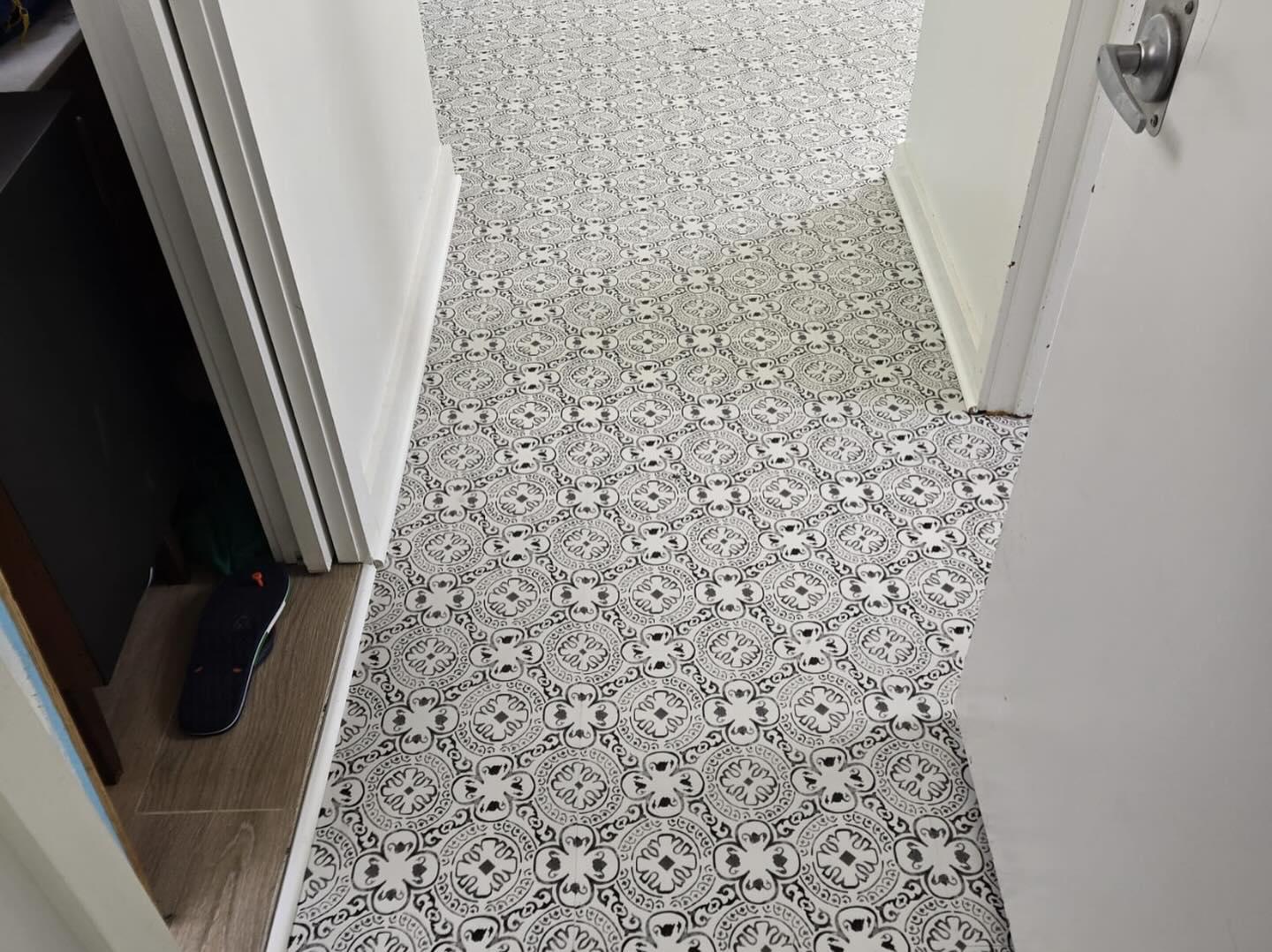
LVP offers even more variety. Because the wood grain is printed, manufacturers can replicate exotic species at affordable prices. You’ll find options that mimic reclaimed barn wood, hand-scraped textures, and styles that would be prohibitively expensive in real wood. Some LVP even replicates stone or tile.
Making Your Decision
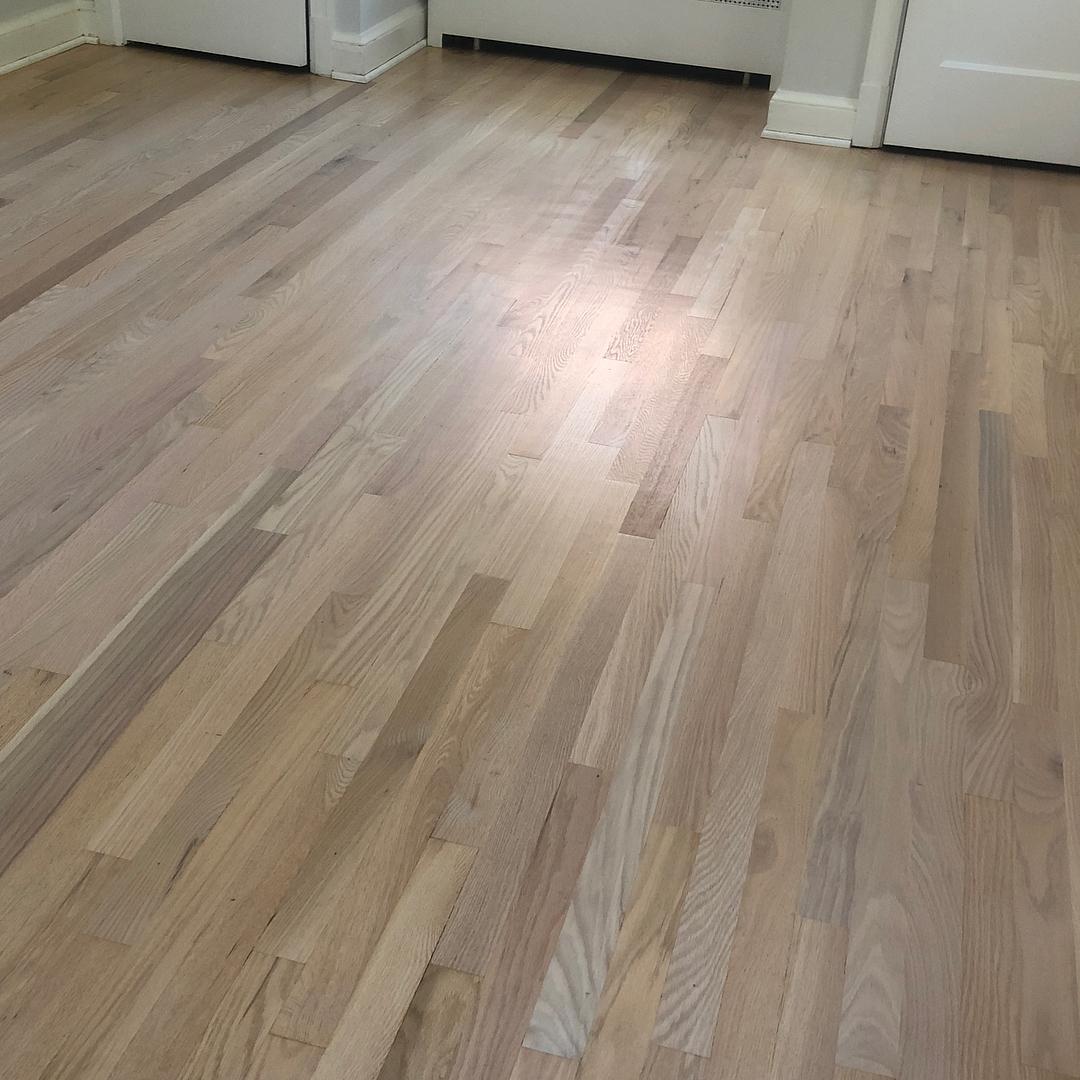
So how do you choose between hardwood vs luxury vinyl plank for your Frederick County home?
When Hardwood Makes Sense
Choose hardwood if you’re planning to stay in your home long-term and want the authentic feel of real wood. Hardwood makes sense when you’re willing to invest more upfront for a floor that lasts generations. It’s the right call for formal living spaces, dining rooms, and areas where you want traditional elegance.
Hardwood works well if you don’t have pets or if you embrace the patina that develops over time. Choose it when you value the ability to refinish and refresh your floors multiple times over decades.
When LVP is the Better Choice
Pick LVP when you want affordable flooring options that perform well in real-world conditions. It’s perfect for busy families with kids and pets. Choose LVP for moisture-prone areas like kitchens, bathrooms, and basements where hardwood isn’t practical.
LVP makes sense if you’re budget-conscious or planning to move within 10 to 15 years. It’s the smart choice when you want beautiful floors without the maintenance commitment of hardwood. Many homeowners choose LVP as the best flooring for pets because it handles the wear and tear of daily life with animals.
Mixing Both Options
You don’t have to choose one for your entire home. Many Frederick County homeowners install hardwood in main living areas and bedrooms while using LVP in kitchens, bathrooms, and basements. This approach gives you the beauty of hardwood where it matters most and the practicality of LVP where it’s needed.
Professional Installation in Frederick County
Whether you choose hardwood or LVP, professional installation ensures your floors look great and last.
Finding the Right Installer
Look for experienced flooring professionals who understand Frederick County homes. Ask for references and photos of completed projects. A good installer will assess your subfloor, discuss moisture concerns, and recommend the best approach for your specific situation.
Quality installation makes all the difference. Even the best materials perform poorly when installed incorrectly. Proper subfloor preparation, acclimation of materials, and attention to detail separate great floors from disappointing ones.
What to Expect During Installation
Professional LVP installation Frederick MD typically takes one to three days, depending on your home’s size. Hardwood installation takes longer, often a week or more when you include finishing time. Your installer should provide a clear timeline and explain what to expect.
Prepare for some disruption. You’ll need to move furniture and stay off the floors during installation and finishing. Plan accordingly, especially if you have pets or small children who need safe spaces during the work.
Real Stories from Frederick County Homeowners
Sarah from Urbana chose LVP for her kitchen and family room after her golden retriever destroyed her previous hardwood floors. “I wish I’d known about LVP sooner,” she says. “It looks great, and I don’t stress about Buddy’s nails anymore. Best decision we made during our remodel.”
Mike and Jennifer in Frederick went with hardwood for their main level after comparing options. “We wanted something that would last as long as we own the home,” Mike explains. “Yes, it cost more upfront, but we love knowing we can refinish it whenever we want a fresh look. It’s a true investment.”
The Martinez family mixed both materials. “We put hardwood in the living room and bedrooms but chose LVP for the kitchen and basement,” Maria shares. “It gave us the best of both worlds without breaking the budget.”
Your Next Steps
You’ve learned the key differences in the hardwood vs luxury vinyl plank debate. You understand the costs, maintenance requirements, and real-world performance of each option. Now it’s time to make your choice.
Start by assessing your priorities. What matters most: long-term value, immediate affordability, pet-friendliness, or authentic wood character? Your answers will point you toward the right flooring.
Visit local showrooms to see and touch both hardwood and LVP. Photos don’t capture the full experience. Walk on samples, look at them from different angles, and imagine them in your home.
Get quotes from reputable installers for both options. Compare not just prices but also timelines, warranties, and the installer’s experience with your chosen material.
Remember that there’s no universally “best” choice. The right flooring for your Frederick County home depends on your lifestyle, budget, and goals. Both hardwood and LVP have earned their places in modern homes.
Ready to move forward with your flooring project? Whether you’re leaning toward classic hardwood or practical LVP, professional installation ensures beautiful results that last. Reach out to local flooring experts who can assess your space, answer your specific questions, and help you create the home you love.
Your floors support everything you do at home. Choose wisely, and you’ll enjoy them for years to come.
Frequently Asked Questions
How long does LVP last compared to hardwood flooring?
LVP typically lasts 15 to 25 years before needing replacement, while hardwood can last 100 years or more with proper care. Hardwood offers the advantage of refinishing multiple times, essentially giving you a new floor every 10 to 20 years without full replacement. LVP cannot be refinished, so once the wear layer is damaged, you’ll need to replace planks or the entire floor.
Is luxury vinyl plank really waterproof enough for pets?
Yes, quality LVP is waterproof or highly water-resistant, making it excellent for homes with pets. Unlike hardwood, where pet accidents can seep between planks and into the subfloor causing permanent damage, LVP allows you to simply wipe up messes without worry. The waterproof core prevents moisture from penetrating, eliminating stains and odors that plague hardwood floors in pet-friendly homes.
Can I install LVP myself, or do I need a professional?
Many homeowners successfully install LVP themselves, especially click-lock varieties that snap together without adhesive. The process is more DIY-friendly than hardwood, which requires specialized tools and finishing skills. If you’re handy and follow manufacturer instructions carefully, DIY LVP installation can save you $1 to $5 per square foot in labor costs, making already affordable flooring options even more budget-friendly.
Does hardwood flooring really increase home resale value more than LVP?
Real hardwood floors are generally viewed as a premium feature that can increase home value and appeal to buyers. Real estate agents often cite hardwood as a selling point that justifies higher asking prices. LVP doesn’t carry the same prestige but won’t hurt resale value either, as modern buyers appreciate its low-maintenance and pet-friendly qualities. The value difference depends on your local market and buyer preferences.
Which flooring works better in Frederick County’s climate?
Both options work well in Frederick County, but they respond differently to our seasonal temperature and humidity changes. Hardwood expands in humid summers and contracts in dry winters, creating small gaps that are normal but noticeable. LVP remains stable through these changes, maintaining consistent appearance year-round. For moisture-prone areas like basements, LVP is the better choice since hardwood can warp or cup when exposed to high humidity or water.
Ready to get this done in your home?
5.0-star Google rating · 500+ reviews · MHIC #104041 · Licensed & Insured
Get My Free Estimate Call 240-246-4561
Related services: Hardwood Floor RefinishingHardwood Floor RestorationHardwood Floor Staining
Contact Us
Fill out the form below and an AG Construction representative will contact you soon.


Maryland’s Premier Flooring Company
full-service flooring contractor
Whether you own a home or business, we’re your single source for complete flooring installation services! Our comprehensive services include:
- Hardwood staining, sanding, refinishing, restoration, and more!
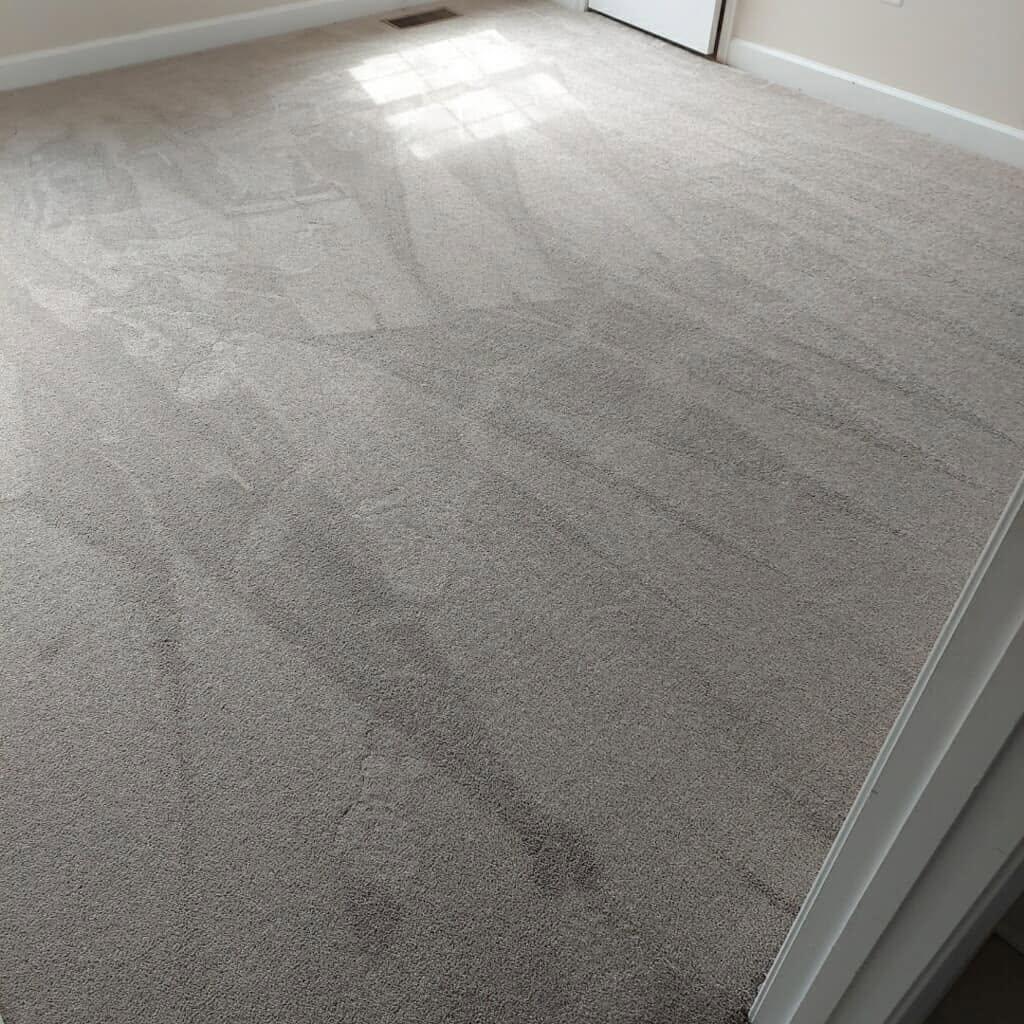
- Carpet removal and installation
- Vinyl luxury plank replacement and installation
- Vinyl tile and COREtec installation
- And more!