

back to blog

Selling Your Home? How Hardwood Floors Boost Resale Value in Northern Virginia
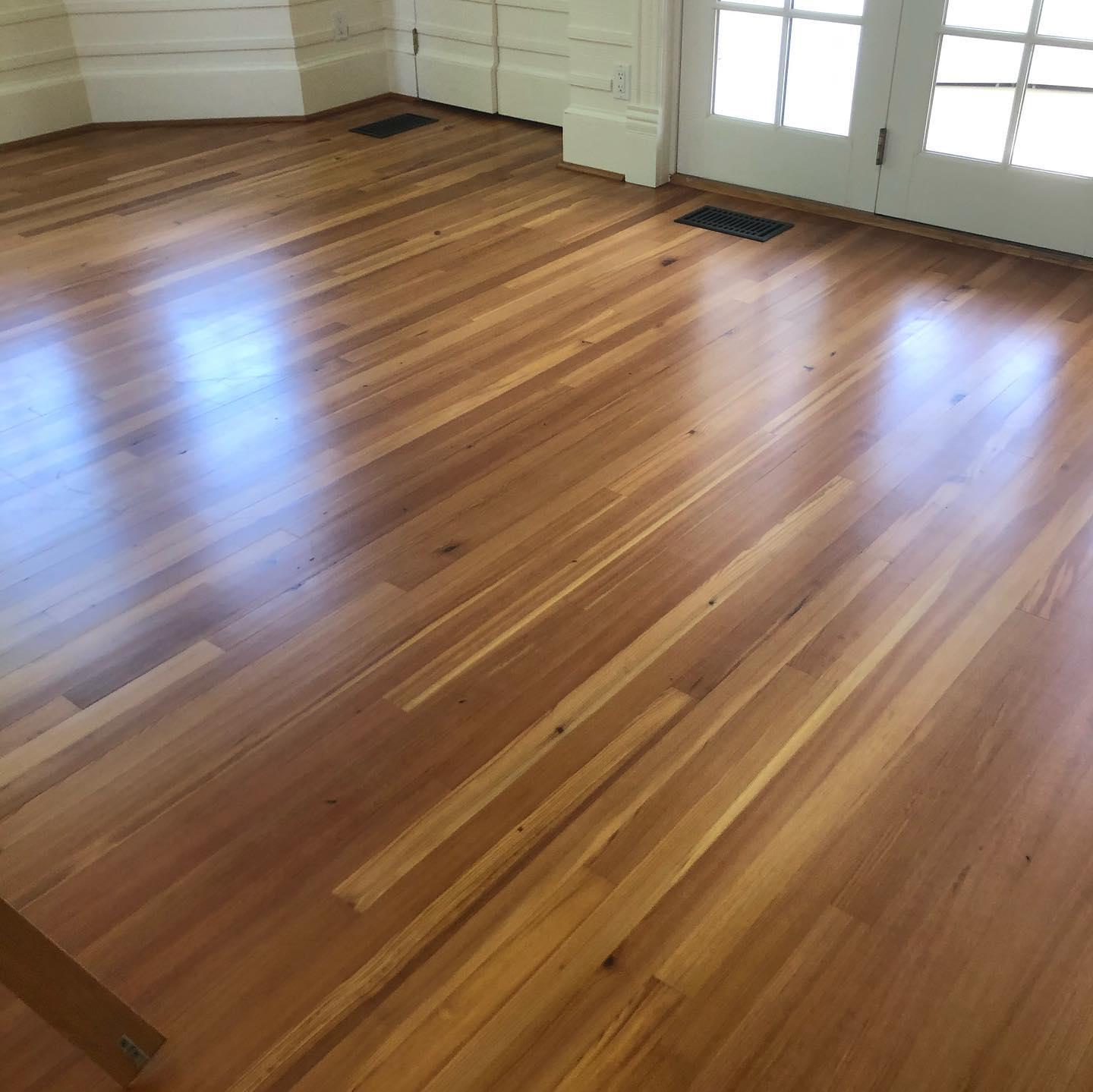
Hardwood floors often top the list of high ROI home upgrades in Northern Virginia real estate. If you want to increase home value hardwood offers a proven edge that many sellers overlook. In the competitive DMV market, choosing the right flooring for resale DMV can make all the difference. Let’s explore why hardwood could be the smartest upgrade before you list your home.
Why Hardwood Flooring Matters in Northern Virginia Real Estate
When you’re preparing to sell your home in the DMV area, you want every advantage you can get. The market here moves fast, and buyers have high expectations. They walk into homes with a mental checklist, and beautiful floors sit near the top of that list.
Hardwood floors send an immediate message about quality and care. When potential buyers step through your front door and see gleaming wood beneath their feet, they start picturing themselves living there. That emotional connection translates directly into offers, and often into higher sale prices.
The Numbers Don’t Lie
Real estate agents across Northern Virginia will tell you the same story. Homes with hardwood floors sell faster and for more money than comparable properties with carpet or vinyl. We’re not talking about small differences either. Many sellers see returns of 75% to 100% on their hardwood flooring investment.
Think about it this way: if you spend $10,000 on new hardwood floors, you could easily add $7,500 to $10,000 to your home’s sale price. Sometimes even more, depending on your neighborhood and the overall condition of your property.
What Makes Hardwood Such a Strong Investment for Resale
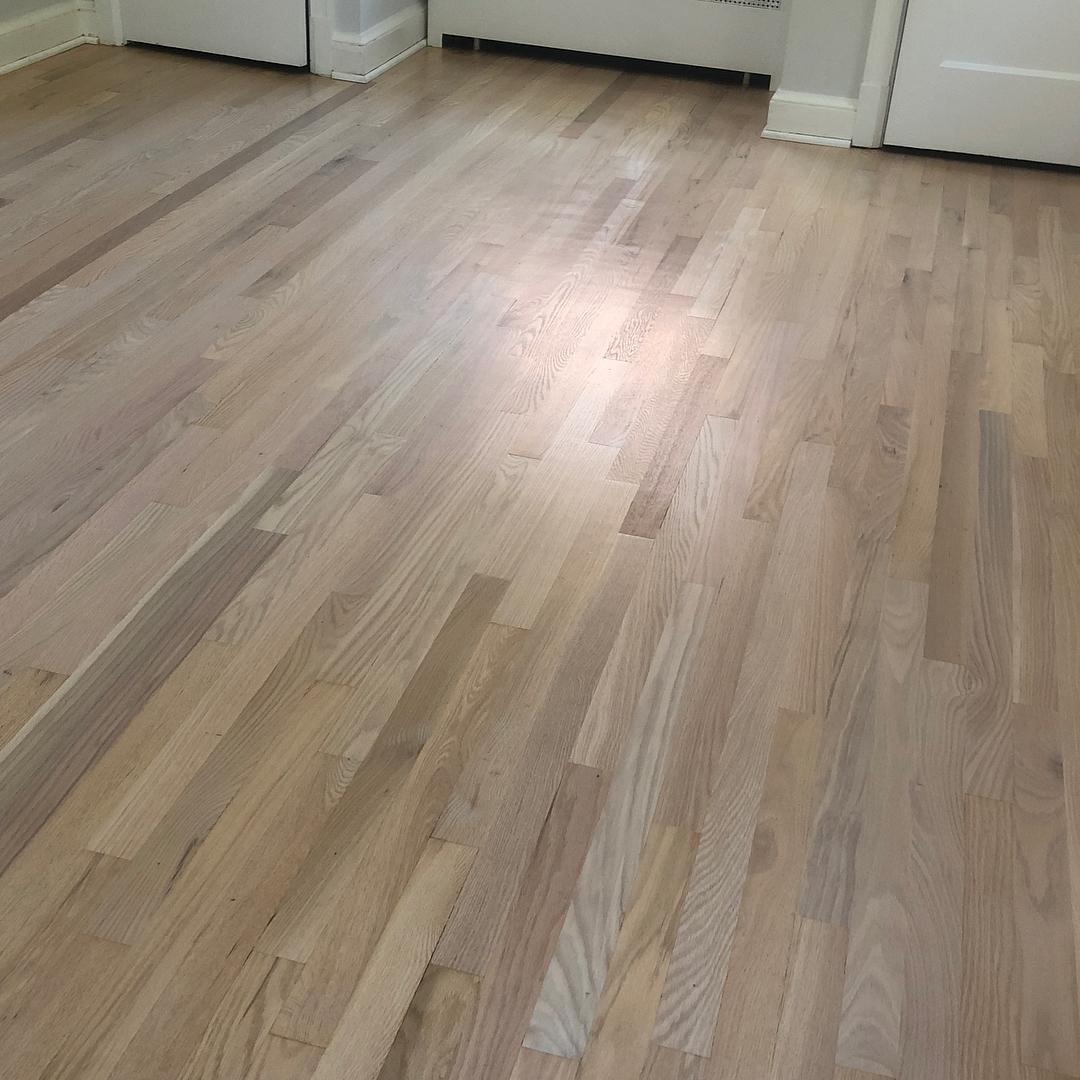
You might wonder why hardwood performs so well as one of the high ROI home upgrades available to sellers. Several factors come into play, and understanding them helps you make the best decision for your property.
Buyer Preferences Drive the Market
Today’s homebuyers actively seek out hardwood floors. In surveys and focus groups, they consistently rank hardwood as their top flooring preference. This preference crosses all age groups and price points throughout the DMV region.
Carpet has fallen out of favor for several reasons. Buyers worry about allergens, stains, and odors trapped in carpet fibers. They know carpet needs replacement every 5 to 10 years. With hardwood, they see a floor that can last for generations with proper care.
When you choose the right flooring for resale DMV buyers want, you’re essentially speaking their language. You’re showing them you understand what matters in a home.
Hardwood Fits Every Style
One beautiful aspect of hardwood floors is their versatility. Whether your home features traditional colonial architecture common in Fairfax County or a more modern design popular in Arlington, hardwood works perfectly.
Buyers can envision their furniture and decor on hardwood floors. The neutral backdrop lets them picture their own style without fighting against bold carpet patterns or outdated tile choices. This mental flexibility makes your home more appealing to a wider range of potential buyers.
The Durability Factor
Smart buyers think long term. They calculate not just the purchase price but also the maintenance costs they’ll face over the years. Hardwood floors score high marks in this area.
Quality hardwood can last 50 years or more. Even when it shows wear, you can refinish it multiple times to restore its beauty. Compare that to carpet, which needs complete replacement, or laminate, which can’t be refinished at all.
When buyers recognize this durability, they see your hardwood floors as a feature that saves them money down the road. That perception directly impacts how much they’re willing to pay for your home.
Which Hardwood Options Work Best in Northern Virginia
Not all hardwood floors deliver the same impact when you’re trying to increase home value hardwood provides. Let’s look at the choices that resonate most with buyers in our local market.
Classic Oak Remains King
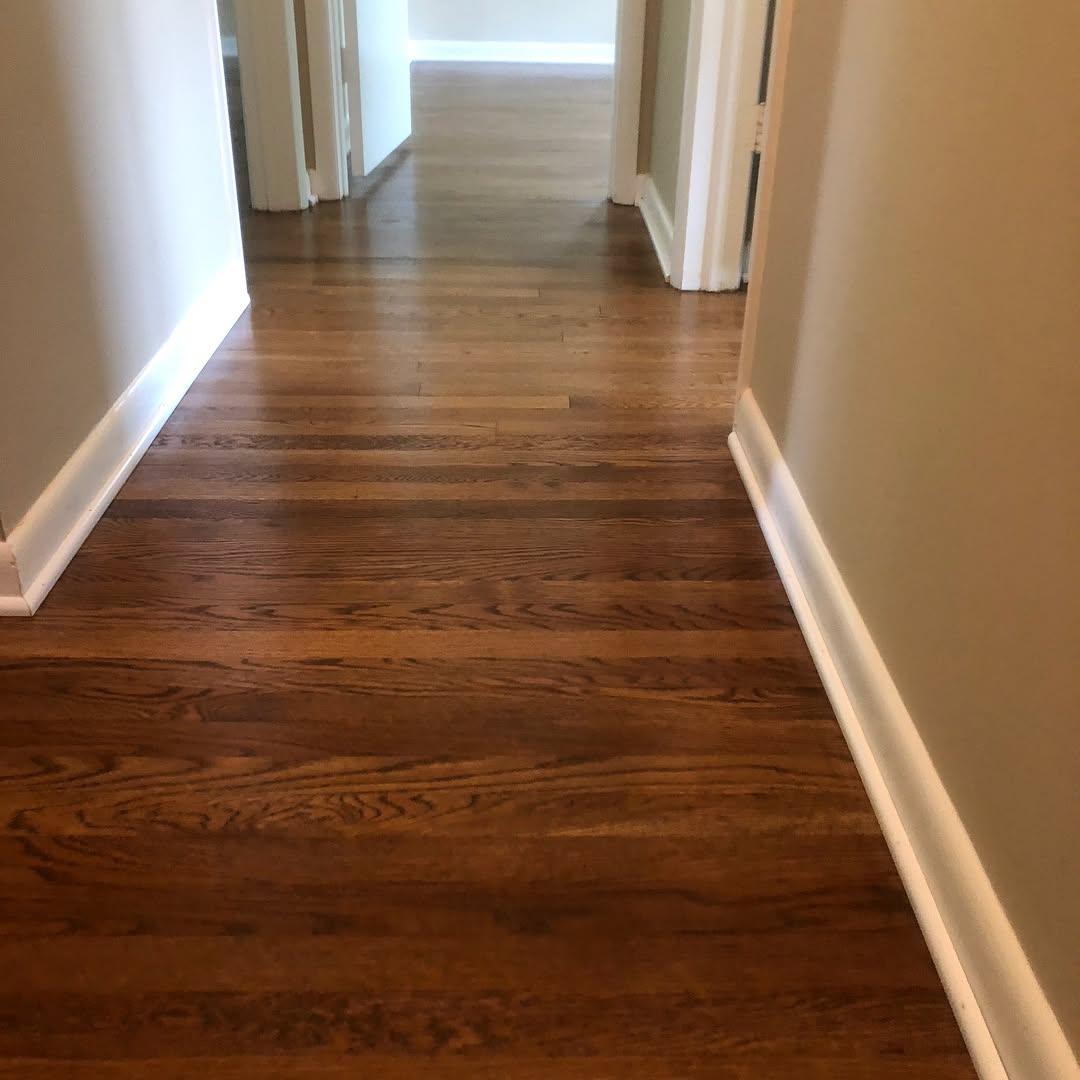
Oak hardwood floors continue to dominate Northern Virginia real estate for good reason. The wood offers beautiful grain patterns, excellent durability, and a price point that makes sense for most budgets.
Red oak brings warmth with its slightly pink undertones, while white oak provides a more neutral, contemporary feel. Both varieties accept stain beautifully, giving you flexibility in achieving the exact look you want.
Buyers recognize oak immediately. They know it’s a quality choice that will serve them well. That familiarity breeds confidence and helps move sales forward.
Wider Planks Signal Premium Quality
Flooring trends shift over time, and right now, wider planks are having a moment. Planks measuring 5 to 7 inches wide create a more spacious, upscale appearance compared to narrow strips.
If you’re installing new hardwood specifically for resale, consider going with wider planks. They photograph beautifully in listing photos and make strong impressions during showings.
Finish Matters More Than You Think
The finish on your hardwood floors affects both appearance and maintenance. For flooring for resale DMV buyers prefer, you want a finish that looks great but doesn’t require constant attention.
Matte and satin finishes are trending right now. They hide minor scratches better than high gloss finishes and give homes a more natural, lived-in appeal. Glossy floors can look dated or overly formal, which might not match what today’s buyers want.
Water-based polyurethane finishes offer another advantage. They don’t yellow over time like oil-based finishes can, keeping your floors looking fresh for years.
Hardwood vs. Other Flooring Options for Resale
You have choices when upgrading your floors before a sale. Let’s compare hardwood to other popular options so you can make an informed decision about high ROI home upgrades.
Engineered Hardwood: A Close Second
Engineered hardwood consists of a real wood veneer over a plywood base. It costs less than solid hardwood and works well in basements or over concrete slabs where solid hardwood isn’t suitable.
For resale purposes, engineered hardwood performs nearly as well as solid hardwood. Most buyers can’t tell the difference at first glance. The key is choosing quality engineered products with thicker wear layers that can be refinished at least once.
Where solid hardwood really pulls ahead is in perceived value. When buyers learn floors are solid hardwood, they often respond more enthusiastically. That emotional response can translate into higher offers.
Luxury Vinyl Plank: The Budget Alternative
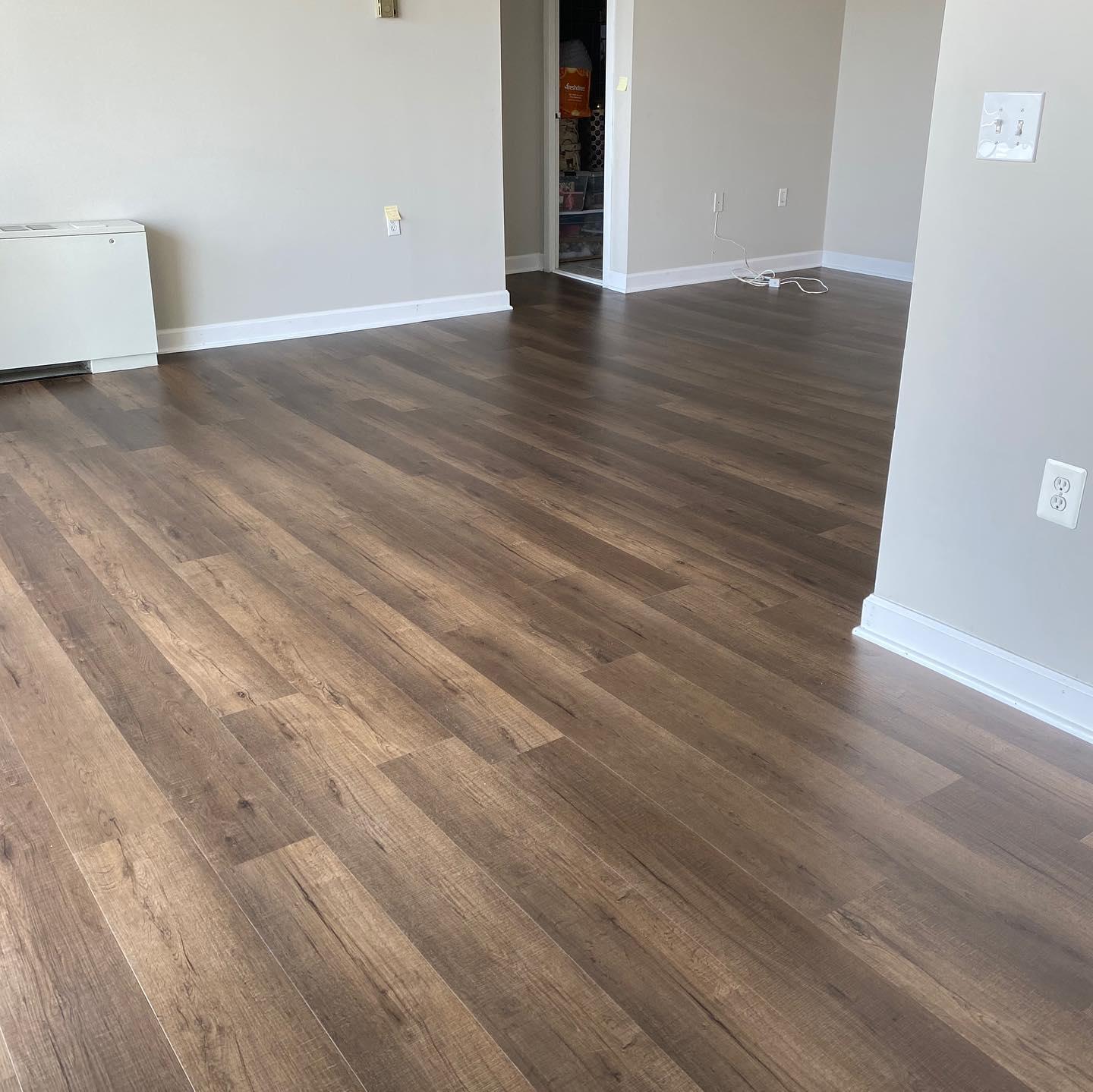
Luxury vinyl plank (LVP) has improved dramatically in recent years. Modern LVP can mimic wood grain patterns convincingly, and it costs a fraction of what hardwood does.
For rental properties or budget-conscious flips, LVP makes sense. But if you’re selling a single-family home in a competitive Northern Virginia neighborhood, hardwood delivers better returns.
Buyers view LVP as a compromise. They appreciate it more than carpet, but it doesn’t generate the excitement that real wood does. When you want to increase home value hardwood remains the stronger choice.
Tile and Stone: Right Room, Wrong Room
Tile works beautifully in bathrooms, kitchens, and entryways. Buyers expect and appreciate it in those spaces. But tile in living areas, bedrooms, or dining rooms can actually hurt your resale value in Northern Virginia.
Our climate includes cold winters, and tile feels chilly underfoot. Buyers picture themselves walking on cold floors in January and mentally subtract value from your home.
Stick with hardwood in main living spaces and save tile for the areas where it truly belongs.
The Cost of Installing Hardwood Floors for Resale
Let’s talk numbers. Understanding the investment required helps you plan your pre-sale improvements wisely.
Material Costs
Solid hardwood flooring typically runs between $5 and $15 per square foot for materials alone. Oak sits at the lower end of that range, while exotic species like Brazilian cherry cost more.
Engineered hardwood ranges from $3 to $12 per square foot. The wide price range reflects differences in quality, with thicker wear layers and better construction commanding higher prices.
For a 1,500 square foot home where you’re replacing flooring in main living areas (maybe 1,000 square feet once you exclude bathrooms and kitchen), you’re looking at $5,000 to $15,000 in materials.
Installation Costs
Professional installation adds another $3 to $8 per square foot. The rate varies based on your location within Northern Virginia, the complexity of your layout, and current demand for flooring contractors.
Many homeowners ask about DIY installation to save money. While possible, we generally don’t recommend it for pre-sale improvements. Professional installation ensures proper acclimation, correct subfloor preparation, and a flawless finish. Buyers and their inspectors notice poor installation, which can actually hurt your sale.
Total Investment
For that same 1,000 square foot project, your total investment typically ranges from $8,000 to $23,000. Most sellers in Northern Virginia spend around $12,000 to $15,000 for quality oak hardwood with professional installation.
That might seem like a significant expense, but remember the return. When you increase home value hardwood provides by $10,000 to $20,000, the math works strongly in your favor.
Timing Your Hardwood Installation Before Listing
When should you install new floors? Timing matters more than many sellers realize.
The Three-Month Sweet Spot
Ideally, install your hardwood floors about three months before you plan to list your home. This timing gives the floors a chance to settle and develop a slight patina that makes them look established rather than brand new.
Fresh installations can sometimes show minor gaps or slight changes as the wood fully acclimates to your home’s humidity levels. Three months allows any adjustments to happen before buyers start walking through.
Coordinate with Other Improvements
Hardwood installation should happen in a specific sequence with other home improvements. Here’s the order that works best:
Complete any structural repairs or updates
Finish painting walls and ceilings
Install hardwood floors
Add final touches like new light fixtures or hardware
This sequence protects your new floors from damage during other work while ensuring they look perfect in your listing photos.
Consider the Season
In Northern Virginia real estate, spring and fall are typically the strongest selling seasons. If you’re aiming to list in April, plan your flooring installation for January or February.
Keep in mind that flooring contractors get busy during certain times of year. Book your installation well in advance to secure the dates you need.
How to Present Your Hardwood Floors to Buyers
Once you’ve invested in beautiful hardwood, make sure buyers notice and appreciate it.
Professional Photography Is Essential
Your listing photos are often a buyer’s first impression of your home. Make sure your photographer captures your hardwood floors in the best light.
Natural light streaming across wood floors creates stunning images. Schedule your photo shoot for a time of day when sunlight fills your rooms. Ask your photographer to include shots that showcase the floors specifically, not just wide room views where the flooring gets lost.
Stage to Highlight the Floors
When staging your home, use furniture placement and area rugs strategically. You want to show off your beautiful hardwood, not cover it completely.
Use smaller area rugs that define spaces without hiding the floors. Leave generous borders of exposed hardwood around each rug. This approach lets buyers see the full scope of your flooring investment.
Keep furniture minimal and arrange it to create clear sightlines across your rooms. Buyers should be able to see the floors extend throughout your living spaces.
Mention It Everywhere
Don’t assume buyers will notice your hardwood floors without prompting. Call attention to them in your listing description, at open houses, and in conversations with agents.
Your listing might say something like: “Beautiful oak hardwood floors throughout main level, professionally installed and meticulously maintained.” This language tells buyers the floors are a feature worth noting.
During showings, your agent should point out the flooring as a key selling point. Many buyers need that verbal cue to fully appreciate what they’re seeing.
Real Results from Northern Virginia Sellers
Let’s look at some real examples of how hardwood floors have impacted sales in our local market.
The Fairfax Colonial
Sarah and Tom owned a four-bedroom colonial in Fairfax that they’d lived in for 15 years. The main level had original carpet that was clean but dated. Their real estate agent suggested replacing it with hardwood before listing.
They spent $14,000 on red oak flooring throughout the main level. When they listed the home, they received multiple offers within a week. The winning bid came in $18,000 over asking price. The buyers specifically mentioned the beautiful floors in their offer letter.
Sarah told us: “We weren’t sure about spending that much right before selling, but it paid off completely. The floors made our whole house look more expensive and well cared for.”
The Arlington Townhouse
Mike owned a townhouse in Arlington that he was preparing to sell. The property had a mix of carpet, laminate, and tile that looked disjointed and confused.
He replaced everything with consistent engineered hardwood throughout the main living areas. His investment was $9,000. The home sold in just five days for $12,000 above the asking price in a market where similar townhouses were sitting for three to four weeks.
His agent reported that every buyer who toured the property commented positively on the floors. That consistent flooring created a sense of flow and quality that set the home apart from competing listings.
The Reston Ranch
Linda inherited a ranch-style home in Reston that needed updates before sale. The house had good bones but tired finishes throughout. She decided to focus her renovation budget on the most impactful improvements.
She spent $11,000 on white oak hardwood floors and $4,000 on fresh paint. Those two changes transformed the home’s appearance. The property sold for $23,000 more than comparable homes in the neighborhood that hadn’t been updated.
Linda said: “The floors were absolutely the right choice. They made everything else in the house look better. I’m convinced I wouldn’t have gotten nearly as much without them.”
Common Mistakes to Avoid
Even with the best intentions, sellers sometimes make mistakes when installing hardwood for resale. Learn from these common errors.
Choosing Trendy Over Timeless
While it’s tempting to follow the latest design trends, remember that you’re not designing for yourself. You’re creating appeal for the broadest possible buyer pool.
Stick with classic wood species and neutral stain colors. Save the exotic woods and bold stains for a home you’ll live in long term. For flooring for resale DMV buyers prefer, classic choices win every time.
Skimping on Quality
This isn’t the time to choose the cheapest possible materials or installation. Buyers notice quality, and so do home inspectors.
Poor installation shows up as gaps, squeaks, uneven surfaces, and premature wear. These issues raise red flags during inspections and can derail sales or lead to price reductions.
Invest in quality materials and experienced installers. The difference in cost is minimal compared to the potential impact on your sale.
Ignoring the Subfloor
Beautiful hardwood installed over a damaged or improperly prepared subfloor will fail quickly. Before installation, address any subfloor issues.
Check for moisture problems, especially in basements or over crawl spaces. Level uneven areas. Replace damaged sections. This preparation work isn’t glamorous, but it’s critical for long-term performance.
Mismatching Wood Types
If you’re adding hardwood to some rooms while keeping existing hardwood in others, make sure they coordinate well. Drastically different wood species or stain colors create a disjointed appearance.
When possible, extend the same flooring throughout all main living areas. Consistency creates a sense of quality and thoughtful design that buyers appreciate.
Maintaining Your Hardwood Before and During Showings
Once your hardwood is installed, proper care keeps it looking perfect through the selling process.
Daily Maintenance
Sweep or vacuum daily to remove dirt and grit that can scratch the finish. Use a microfiber dust mop for quick touch-ups between more thorough cleanings.
Wipe up spills immediately. Water and other liquids can damage wood if left sitting on the surface.
Place mats at exterior doors to catch dirt before it gets tracked across your floors. Just make sure the mats don’t have rubber backings that can discolor the wood.
Deep Cleaning
Every week or two, clean your floors with a product specifically designed for hardwood. Avoid water-based mops that leave excess moisture on the wood.
Many flooring manufacturers offer cleaning products that work perfectly with their finishes. Using the right cleaner protects your finish and keeps floors looking their best.
Pre-Showing Prep
Before each showing, do a quick walk-through to check your floors. Look for any spots, smudges, or debris. A quick sweep and spot-clean takes just minutes but ensures buyers see your floors at their best.
Open curtains and blinds to let natural light showcase your beautiful hardwood. Good lighting makes wood grain patterns pop and creates an inviting atmosphere.
Working with Real Estate Agents Who Understand Flooring Value
Your choice of real estate agent matters when you’ve invested in hardwood floors. Find an agent who understands how to leverage this feature.
Ask the Right Questions
When interviewing agents, ask about their experience selling homes with hardwood floors. Do they emphasize flooring in their marketing? Can they provide examples of how quality floors impacted recent sales?
An agent who understands that hardwood is one of the key high ROI home upgrades will know how to position your home effectively.
Marketing That Highlights Your Investment
Your agent should feature your hardwood floors prominently in all marketing materials. This includes listing descriptions, social media posts, email campaigns, and conversations with buyer’s agents.
Professional photography should include specific shots that showcase the flooring. Video tours should pan slowly across the floors to highlight their beauty.
Pricing Strategy
An experienced agent will factor your hardwood floors into the pricing strategy. They should be able to show you comparable sales data demonstrating how homes with hardwood perform versus those without.
Your floors justify a premium price, and your agent needs to defend that pricing when discussing your listing with buyer’s agents and potential purchasers.
Beyond Floors: Complementary Upgrades That Boost Value
While hardwood floors deliver excellent returns, combining them with other strategic improvements creates even stronger results.
Fresh Paint
New paint costs relatively little but makes a huge impact. Neutral colors on walls let your hardwood floors stand out while creating a clean, move-in-ready appearance.
The combination of new floors and fresh paint tells buyers you’ve cared for your home meticulously.
Updated Lighting
Good lighting shows off your beautiful floors. Consider updating outdated light fixtures, adding recessed lighting, or installing dimmer switches that let you create the perfect ambiance during showings.
Light fixtures offer excellent returns and complement your flooring investment perfectly.
Kitchen and Bath Updates
If your budget allows, minor kitchen and bath updates pair beautifully with new hardwood floors. You don’t need complete renovations. Simple changes like new cabinet hardware, updated faucets, or modern light fixtures create a cohesive updated feel throughout your home.
When buyers see consistent quality and care in every room, they’re willing to pay more.
Is Hardwood Right for Your Home?
Hardwood floors work beautifully in most Northern Virginia homes, but let’s consider when they make the most sense.
Best Candidates for Hardwood
Hardwood delivers the strongest returns in:
Single-family homes in established neighborhoods
Properties priced at or above the median for their area
Homes where the current flooring is clearly dated or damaged
Properties in competitive markets where multiple homes are vying for buyer attention
If your home fits these criteria, hardwood is almost certainly a smart investment before listing.
When to Consider Alternatives
Hardwood might not be your best choice if:
You’re selling a rental property or investment flip where buyers expect lower finishes
Your home is in a lower price tier where buyers might prioritize other features
You’re facing a tight timeline and can’t wait for proper installation and acclimation
Your budget is severely limited and you need to spread funds across multiple critical repairs
In these situations, quality engineered hardwood or luxury vinyl might serve you better.
Getting Started with Your Flooring Project
Ready to move forward with hardwood floors? Here’s how to begin.
Find the Right Contractor
Start by getting recommendations from your real estate agent, friends, and neighbors. Look for contractors with:
Proper licensing and insurance
Years of experience specifically with hardwood installation
Strong local references you can check
Clear written estimates that detail materials and labor
Get at least three quotes before making your decision. The lowest price isn’t always the best value. Consider the contractor’s reputation, the quality of materials they recommend, and their availability to complete the work on your timeline.
Choose Your Materials Wisely
Visit flooring showrooms to see samples in person. Bring photos of your home so you can visualize how different woods and stains will look in your space.
Ask about the Janka hardness rating of different wood species. This rating measures durability. Higher numbers mean harder wood that resists dents and scratches better.
For homes with pets or high traffic, choose harder woods like oak, maple, or hickory.
Plan Your Budget
Remember to budget for the total project, including:
Materials
Installation labor
Subfloor preparation if needed
Removal and disposal of old flooring
Baseboards and trim (often need replacement after flooring)
Moving furniture
A buffer for unexpected issues
Most projects come in close to the estimate, but having a 10% to 15% buffer protects you from surprises.
The Bottom Line on Hardwood and Home Value
When you’re preparing to sell your home in Northern Virginia, few improvements deliver returns like hardwood flooring. The combination of buyer preference, durability, and timeless appeal makes hardwood one of the smartest high ROI home upgrades you can make.
The right flooring for resale DMV buyers want is almost always hardwood. It photographs beautifully, shows well in person, and creates the quality impression that translates into higher offers and faster sales.
Yes, hardwood requires an upfront investment. But when you increase home value hardwood provides by thousands of dollars while also shortening your time on market, the decision becomes clear.
Northern Virginia real estate moves fast, and competition is fierce. Give yourself every advantage by installing beautiful hardwood floors that buyers love.
If you’re ready to explore hardwood options for your home, we’re here to help. Our team has helped hundreds of Northern Virginia homeowners prepare their properties for sale with stunning hardwood floors that deliver real results.
Contact us today for a free consultation. We’ll visit your home, discuss your goals and timeline, and provide a detailed estimate for transforming your space with beautiful hardwood floors. Let’s work together to get your home sold quickly and for top dollar.
Your successful sale starts with the right foundation. Make it hardwood.
Frequently Asked Questions
How much value do hardwood floors add to a home in Northern Virginia?
Hardwood floors typically add 75% to 100% of their installation cost to your home’s resale value in the Northern Virginia market. For a $12,000 flooring investment, you can expect to see $9,000 to $12,000 added to your sale price, and often more in competitive neighborhoods. Real estate agents consistently report that homes with hardwood floors sell faster and command premium prices compared to similar properties with carpet or other flooring types.
What type of hardwood flooring is best for resale value?
Oak hardwood flooring delivers the strongest resale value in Northern Virginia because buyers recognize it as a quality, durable choice. White oak and red oak both perform well, with wider planks (5 to 7 inches) creating a more upscale appearance. Stick with matte or satin finishes in neutral tones rather than trendy colors or high-gloss finishes. Classic choices appeal to the broadest range of buyers and stand the test of time.
Should I install hardwood floors myself to save money before selling?
Professional installation is strongly recommended when preparing your home for sale. Buyers and home inspectors notice poor installation, including gaps, squeaks, and uneven surfaces that can hurt your sale or lead to price reductions. Professional installers ensure proper subfloor preparation, correct wood acclimation, and flawless finishing. The additional cost for professional work is minimal compared to the potential impact on your sale price and speed.
How long before listing should I install new hardwood floors?
Install hardwood floors about three months before you plan to list your home. This timing allows the wood to fully acclimate to your home’s humidity levels and develop a slight patina that makes the floors look established rather than brand new. The three-month window also lets any minor adjustments happen before buyers start walking through your property, ensuring everything looks perfect in listing photos and during showings.
Are engineered hardwood floors as valuable as solid hardwood for resale?
Engineered hardwood performs nearly as well as solid hardwood for resale purposes, especially when you choose quality products with thicker wear layers. Most buyers can’t tell the difference at first glance, and engineered hardwood works well in areas where solid hardwood isn’t suitable, like basements. Solid hardwood does generate slightly more enthusiasm when buyers learn the floors are solid wood throughout, but the difference in resale value is typically small when comparing quality products.
Ready to get this done in your home?
5.0-star Google rating · 500+ reviews · MHIC #104041 · Licensed & Insured
Get My Free Estimate Call 240-246-4561
Related services: Hardwood Floor RefinishingHardwood Floor RestorationHardwood Floor Staining
Contact Us
Fill out the form below and an AG Construction representative will contact you soon.


Maryland’s Premier Flooring Company
full-service flooring contractor
Whether you own a home or business, we’re your single source for complete flooring installation services! Our comprehensive services include:
- Hardwood staining, sanding, refinishing, restoration, and more!
- Carpet removal and installation
- Vinyl luxury plank replacement and installation
- Vinyl tile and COREtec installation
- And more!