

back to blog

The Hidden Costs of DIY Floor Refinishing: Why Renting a Sander is a Risky Bet
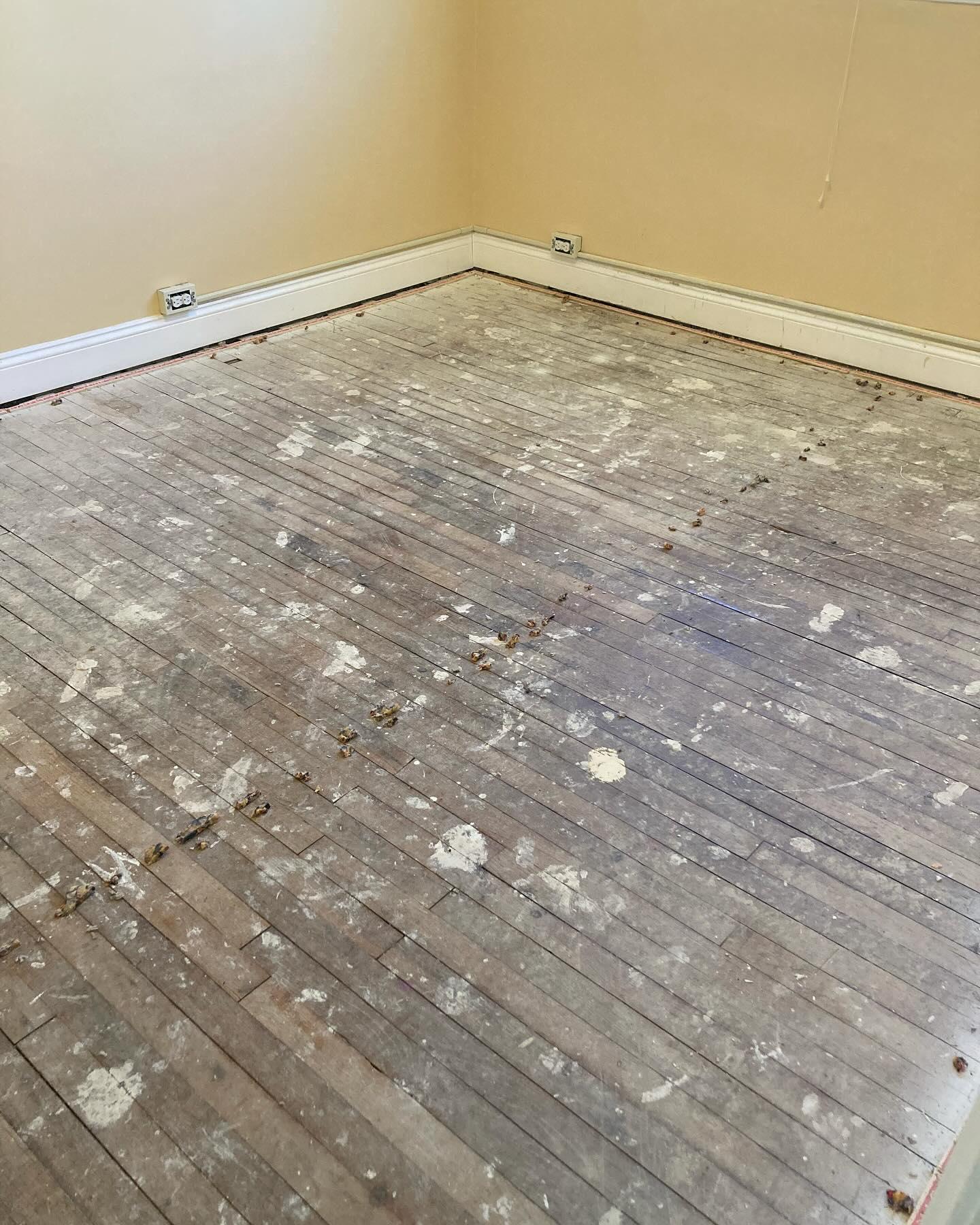
You rented a drum sander to save money on refinishing your floors. But now you’re staring at uneven stains and wondering about the cost to fix uneven floor stain spots. DIY floor sanding mistakes like this aren’t just frustrating—they can lead to serious damage that only a professional floor refinisher MD can repair. Before you tackle the project yourself, here’s what you need to know about the hidden risks of renting that sander.
The Appeal of DIY Floor Sanding (And Why It’s Deceiving)
We get it. You’ve watched a few YouTube videos, and floor sanding looks straightforward enough. The rental shop makes it seem easy, and you’re thinking about all the money you’ll save by doing it yourself. The math seems simple: a weekend of work versus paying a professional.
But here’s what those rental companies won’t tell you. That drum sander sitting in their shop has probably been used by dozens of other first-timers. Each one thought they could handle it. And many of them ended up calling professionals like us to fix the damage.
The reality? Floor sanding is one of those jobs that looks easier than it is. The learning curve is steep, and your floors are where you’re practicing.
Common DIY Floor Sanding Mistakes That Cost You More
Gouges and Waves in Your Hardwood
The most common problem we see is drum sander damage repair. A drum sander is powerful. Really powerful. If you pause for even a second while the drum is touching your floor, you’ll create a divot. Keep the sander moving too slowly, and you’ll create waves across your beautiful hardwood.
Sarah from Bethesda learned this the hard way. “I thought I was being careful,” she told us. “But I got distracted by my phone ringing, and the sander dug a groove right into my oak floor. The cost to fix uneven floor stain and the gouge was more than double what I would have paid for professional sanding in the first place.”
These gouges don’t just affect appearance. They’re permanent changes to your floor’s structure. Fixing them often requires replacing boards or extensive patching work.
Uneven Sanding and Stain Absorption
Here’s something most DIYers don’t realize until it’s too late. Your floor needs to be sanded evenly for stain to absorb properly. Miss a spot or sand one area more than another, and you’ll end up with blotchy, uneven coloring.
This is one of the trickiest DIY floor sanding mistakes to fix. Once that stain is applied, you can’t just wipe it off. You’ll need to sand everything down again and start over. And if you already struggled with even sanding the first time, the second attempt probably won’t go better.
Sanding Through the Veneer
If you have engineered hardwood floors, you’re working with a thin layer of real wood over plywood. Sand too aggressively, and you’ll go right through that veneer. At that point, your floor is ruined. There’s no fixing it. You’ll need to replace the boards entirely.
Even with solid hardwood, you can only sand floors a limited number of times before they become too thin. Use the wrong grit sandpaper or make multiple passes trying to fix mistakes, and you’re using up those precious refinishing opportunities.
Dust Everywhere (And We Mean Everywhere)
Professional equipment includes industrial dust collection systems. That rental sander? It has a bag that catches maybe 60% of the dust if you’re lucky.
Floor sanding creates an incredible amount of fine dust. It gets into your HVAC system, your cabinets, your clothes, and even rooms you thought were sealed off. Families often underestimate the cleanup involved. We’ve had clients tell us they were finding dust six months after their DIY attempt.
The True Cost to Fix Uneven Floor Stain and Other Mistakes
Let’s talk numbers because that’s what matters when you’re trying to save money.
A rental drum sander costs around $60 to $100 per day. You’ll need sandpaper, stain, polyurethane, and other supplies, adding another $200 to $400. So your DIY project might run $300 to $600 in materials and rental fees.
Sounds reasonable, right?
But when things go wrong, here’s what you’re looking at:
Minor fixes (uneven staining, missed spots): $500 to $1,500. A professional floor refinisher MD will need to sand down your work and start fresh.
Moderate damage (small gouges, waves): $1,500 to $3,000. This involves spot repairs, complete resanding, and refinishing.
Severe damage (deep gouges, sanding through veneer): $3,000 to $10,000+. You’re looking at board replacement and full floor refinishing.
Tom and Jennifer from Silver Spring shared their story with us. They spent $450 on their DIY attempt. After creating several gouges and uneven staining, the drum sander damage repair and complete refinishing cost them $2,800. “We thought we were being smart with money,” Tom said. “Instead, we spent nearly six times what we would have paid a professional from the start.”
Why Professional Floor Refinishers Get Better Results
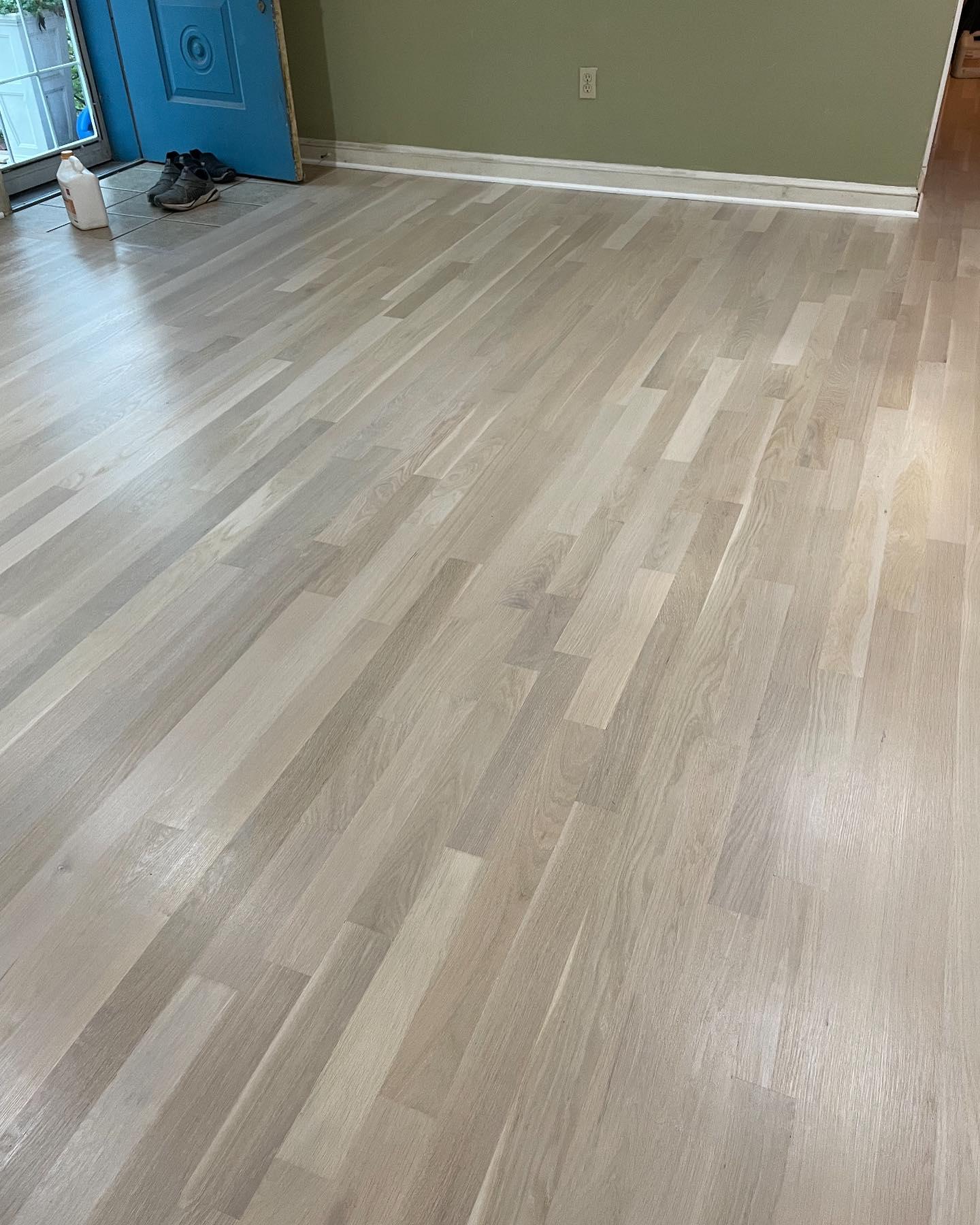
Experience Matters More Than You Think
Professional floor refinishers have sanded thousands of square feet. They know how to handle transitions between rooms, work around radiators and tight corners, and adjust their technique for different wood types.
They can look at your floor and immediately know what grit sequence to use, how many passes are needed, and what products will give you the best results. This knowledge comes from years of hands-on work, not a weekend rental.
The Right Equipment Makes a Difference
Professionals use multiple types of sanders for different parts of the job. Big machines for open areas, edgers for perimeters, and detail sanders for corners. Each tool is maintained, calibrated, and designed for specific tasks.
That single drum sander you rented? It’s a one-size-fits-all approach that compromises results in every area.
They Know How to Fix Problems on the Spot
When professionals encounter an issue like a stubborn stain, uneven boards, or a tricky corner, they have the experience to adapt. DIYers often don’t realize there’s a problem until the stain goes on and it’s too late.
When DIY Might Make Sense (Spoiler: Rarely)
We’re not saying DIY is never the answer. But the situations where it makes sense are limited.
If you’re working on a small project like a closet or a single small room, and you’re willing to accept less-than-perfect results, DIY might be okay. If you’re planning to cover the floor with a rug anyway, imperfections matter less.
But for main living areas, kitchens, or anywhere guests will see? The risk far outweighs the potential savings.
And if you’ve already made DIY floor sanding mistakes on a previous project, you know the stress and disappointment involved. Why put yourself through that again?
Red Flags That Your DIY Project Is Going Wrong
If you’ve already started sanding, watch for these warning signs:
The floor feels bumpy or wavy under your hand. This means uneven sanding. Stop before you make it worse.
You can see light and dark streaks across the wood. You’re not maintaining consistent pressure or speed with the sander.
The sander keeps pulling to one side. The drum might be loaded unevenly, or you’re not holding it correctly. Either way, you’re creating uneven results.
You’ve created any kind of gouge or divot. Stop immediately. Continuing will only create more damage.
The dust collection bag fills up in minutes. The system isn’t working properly, and you’re spreading dust everywhere.
If you notice any of these issues, it’s time to call a professional floor refinisher MD before the damage gets worse. Yes, you’ll still pay for repairs. But stopping early keeps those costs manageable.
What to Look for in a Professional Floor Refinisher
If you’re ready to skip the DIY headache or need drum sander damage repair, here’s how to choose the right professional:
Ask about their experience. How many years have they been in business? Can they show you photos of completed projects?
Get multiple quotes. Prices vary, but be wary of quotes that seem too good to be true. Quality work costs money.
Check references and reviews. Talk to past customers. Look at online reviews. A good refinisher will have plenty of happy clients.
Ask about their process. They should explain what equipment they use, how many coats of finish they apply, and how long the project will take.
Confirm insurance and licensing. Protect yourself by working with properly licensed and insured professionals.
The Bottom Line: Your Floors Deserve Better
Your hardwood floors are a major investment in your home. They add value, beauty, and character to your space. Treating them as a DIY experiment puts that investment at risk.
We’ve seen too many homeowners learn this lesson the hard way. The cost to fix uneven floor stain, repair gouges, and redo botched refinishing jobs often exceeds what professional service would have cost initially.
You work hard for your money. We understand the appeal of saving a few hundred dollars. But when that savings turns into thousands in repair costs, plus the time and stress of dealing with the mess, it’s not really saving at all.
If you’re in Maryland and considering a floor refinishing project, talk to a professional floor refinisher MD before you rent that sander. Get a quote. Compare it honestly to your DIY costs, including your time, the supplies, and the risk of mistakes.
Most homeowners are surprised to find that professional refinishing is more affordable than they expected. And the peace of mind knowing the job will be done right? That’s priceless.
Ready to Get Professional Results?
Don’t let your floors become another DIY disaster story. Whether you’re starting fresh or need help fixing DIY floor sanding mistakes, professional refinishers are here to help.
Your floors are too important to risk on a rental sander and a weekend of hope. Get the beautiful, even finish you’re dreaming of without the stress, mess, and potential for costly damage.
Contact a trusted professional floor refinisher MD today for a free quote. Your floors (and your budget) will thank you.
Frequently Asked Questions
How much does it cost to fix uneven floor stain after a DIY sanding job?
The cost to fix uneven floor stain typically ranges from $500 to $3,000, depending on how severe the problem is. Minor blotching might only require spot sanding and restaining certain areas. More serious issues will need complete resanding of the entire floor, new stain application, and refinishing. The final price depends on your room size and the extent of damage your DIY attempt created.
Can drum sander damage be repaired, or do I need to replace my floors?
Most drum sander damage repair is possible without full floor replacement. Small gouges can be filled and blended. Deeper divots may require replacing individual boards. Only severe damage, like sanding through the veneer on engineered floors or creating extensive deep gouges across large areas, typically requires replacing sections of flooring. A professional can assess your specific situation and recommend the most cost-effective fix.
What are the most common DIY floor sanding mistakes first-timers make?
The three biggest DIY floor sanding mistakes are pausing the drum sander while it’s touching the floor (creating gouges), using the wrong grit sequence (leaving scratches or taking too much wood off), and applying uneven pressure (causing waves and inconsistent sanding). Many first-timers also underestimate the dust problem and fail to properly seal off rooms. These mistakes often require professional correction that costs more than hiring a pro from the start.
When should I call a professional floor refinisher instead of doing it myself?
Call a professional floor refinisher MD if you’re working on main living areas, have engineered hardwood floors, or want guaranteed results. Also call a pro if your floors have existing damage, if you’ve never operated a drum sander before, or if you’ve already started a DIY project and noticed problems like gouges or uneven sanding. For most homeowners, the cost difference between DIY and professional work is smaller than expected, especially when you factor in your time and the risk of mistakes.
How long does professional floor refinishing take compared to DIY?
Professional floor refinishing typically takes 3 to 5 days for an average-sized room, including drying time between coats. A DIY project often takes much longer because you’re learning as you go, making multiple trips to the rental shop, and possibly fixing mistakes. Many DIYers spend two to three weekends on a project a professional could complete in one week. Plus, professionals have the right equipment to work faster without sacrificing quality.
Ready to get this done in your home?
5.0-star Google rating · 500+ reviews · MHIC #104041 · Licensed & Insured
Get My Free Estimate Call 240-246-4561
Related services: Hardwood Floor RefinishingHardwood Floor RestorationHardwood Floor Staining
Contact Us
Fill out the form below and an AG Construction representative will contact you soon.


Maryland’s Premier Flooring Company
full-service flooring contractor
Whether you own a home or business, we’re your single source for complete flooring installation services! Our comprehensive services include:
- Hardwood staining, sanding, refinishing, restoration, and more!
- Carpet removal and installation
- Vinyl luxury plank replacement and installation
- Vinyl tile and COREtec installation
- And more!