

back to blog

Does Luxury Vinyl Plank (LVP) Actually Increase Your Home’s Resale Value in the DMV?
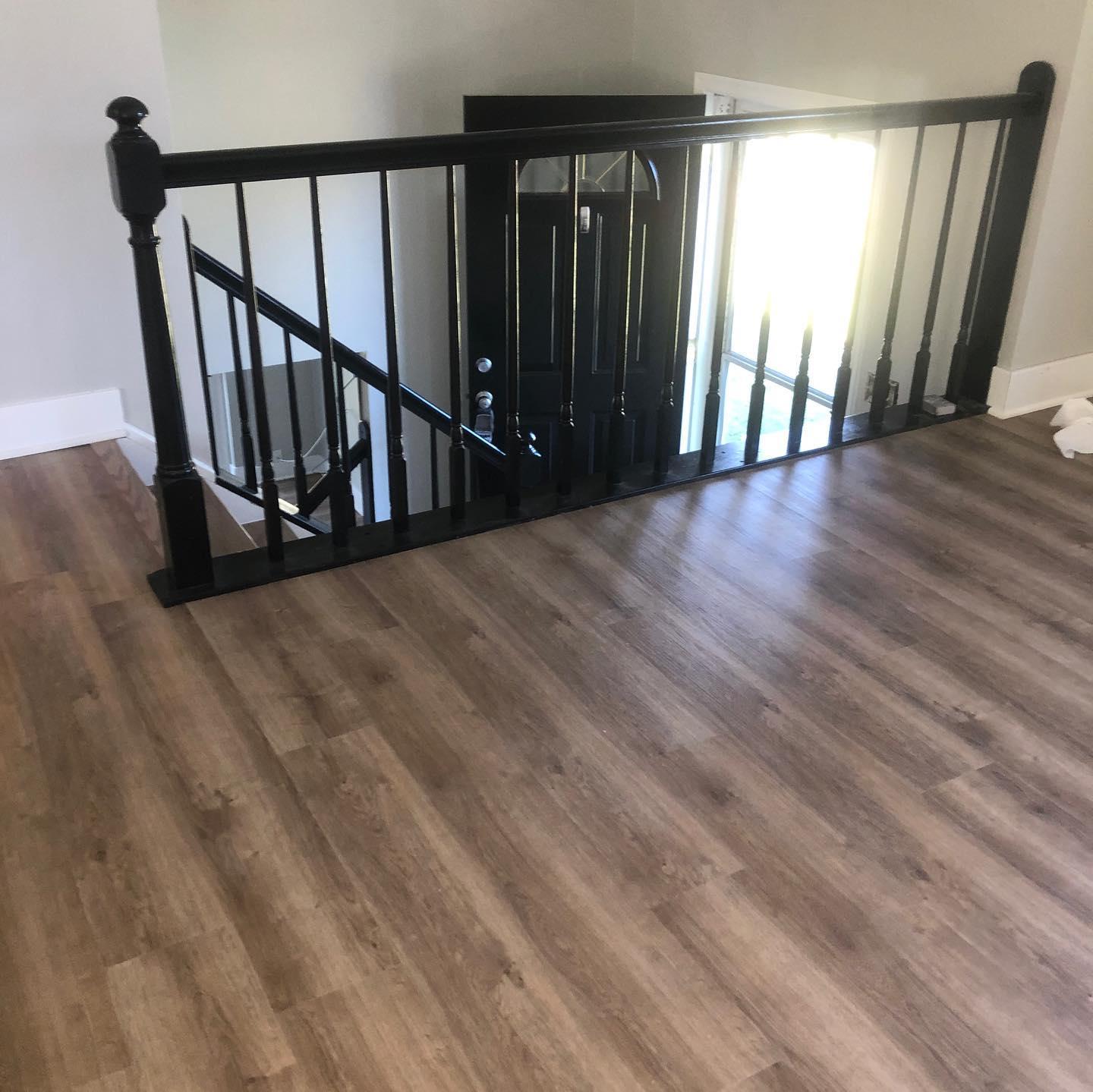
Most people assume hardwood always wins when selling a home in Maryland and DC. But the rise of luxury vinyl plank flooring is changing that story fast. If you’re wondering, does LVP increase home value Maryland buyers actually care about, this post breaks down the facts. You’ll get a clear look at LVP vs hardwood resale value DMV homeowners face—and what flooring choice brings the best ROI when selling your house.
The Real Talk About Flooring and Home Value in the DMV
Let’s be honest. You’re planning a remodel now, but you’re also thinking about selling in a few years. Smart move. The flooring you pick today will either help or hurt your sale price tomorrow. So what’s the real story with luxury vinyl plank?
Here’s the thing. The DMV market has changed. Buyers in Maryland and DC used to turn their noses up at anything that wasn’t real hardwood. Not anymore. Today’s LVP looks so close to the real thing that most people can’t tell the difference. And when they hear it’s waterproof and scratch-resistant? That’s when things get interesting.
What Maryland and DC Appraisers Actually Say About LVP
You might think appraisers automatically give hardwood a higher value. But that’s not the full picture anymore.
High-end vinyl flooring appraisal values have climbed steadily over the past five years. Professional appraisers now recognize quality LVP as a legitimate flooring choice that adds value. They look at the brand, the wear layer thickness, and the installation quality.
One appraiser we work with in Montgomery County put it this way: “When I see premium LVP installed well, I’m looking at a modern, practical choice that buyers want. It doesn’t get dinged like cheap vinyl from ten years ago.”
The key word? Premium. Not all LVP is created equal. The stuff you grab from a big box store for $1.50 per square foot won’t move the needle on your appraisal. But quality brands with thick wear layers and realistic textures? That’s a different story.
LVP vs Hardwood Resale Value DMV: The Numbers You Need
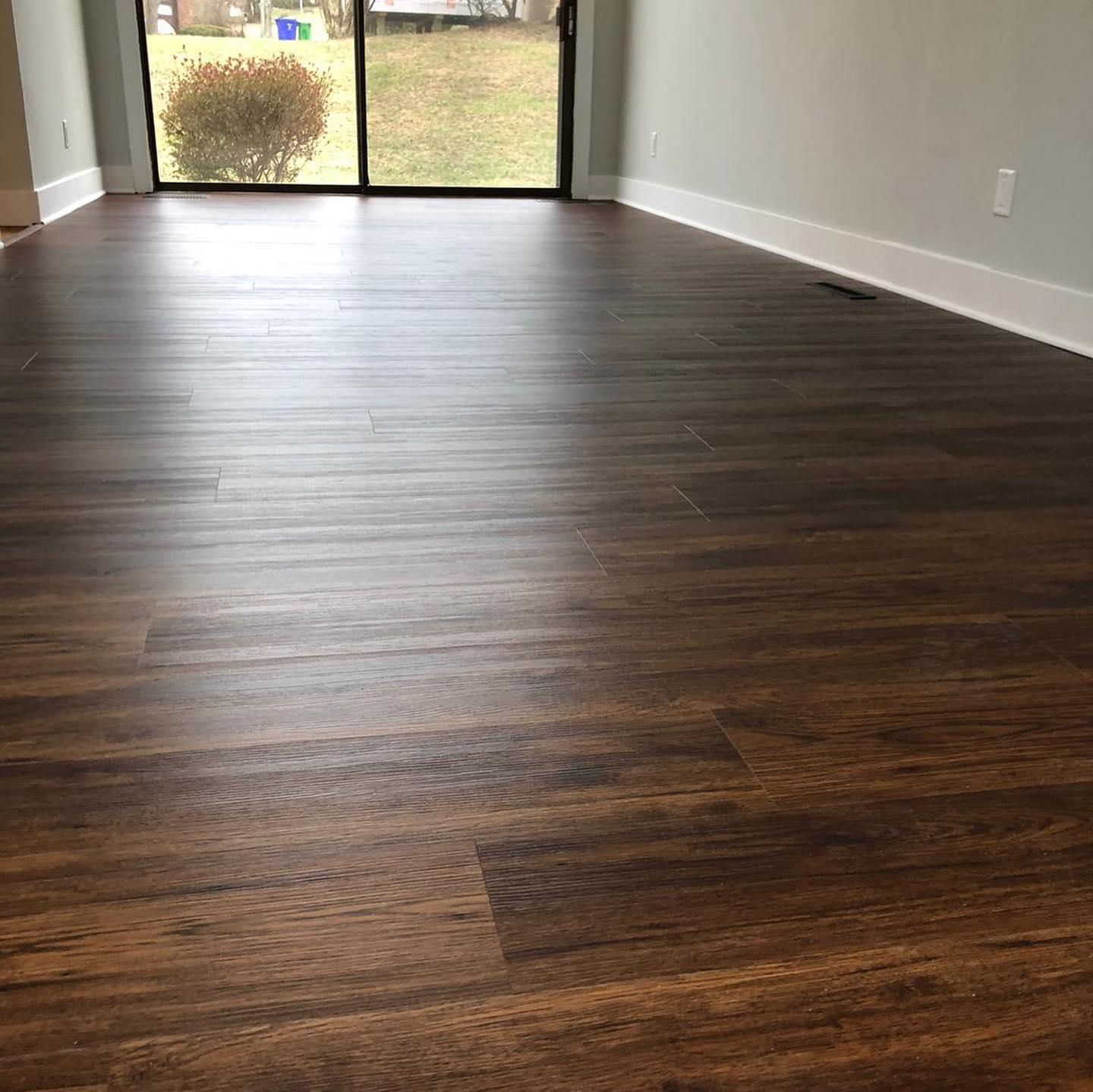
Let’s talk money. When you compare LVP vs hardwood resale value DMV homeowners see at closing, the gap is smaller than you think.
Real hardwood flooring typically adds about 2.5% to 3% to your home’s value in Maryland and DC. Quality luxury vinyl plank adds roughly 1.5% to 2.5%. That’s not a huge difference, especially when you factor in the upfront costs.
Here’s a real example. Say your home is worth $500,000. Hardwood might boost that by $12,500 to $15,000. Quality LVP might add $7,500 to $12,500. But here’s the kicker: hardwood costs about twice as much to install.
So your ROI of luxury vinyl plank often beats hardwood because your initial investment is lower. You spend less to get almost the same value boost. That’s math that makes sense.
Best Flooring for Selling a House MD: What Buyers Really Want
Walk through any open house in Bethesda, Arlington, or Capitol Hill. What are buyers asking about? They want to know:
Will this floor survive my kids and dogs?
What happens if the dishwasher leaks?
How hard is this to maintain?
Does it look cheap?
This is where LVP shines. When you’re figuring out the best flooring for selling a house MD buyers will fight over, think about their concerns.
Premium waterproof flooring checks every box. It handles spills, stands up to pets, and looks great without constant maintenance. For young families moving into the DMV area, that’s gold.
A real estate agent we partner with in Silver Spring shared this: “I had a listing with brand new LVP in the kitchen and bathrooms. Three offers came in over asking. Every single buyer mentioned the flooring in their offer letter. They loved that it was waterproof and low maintenance.”
Where LVP Makes the Most Sense in Your DMV Home
Not every room is equal when it comes to flooring choices and resale value. Let’s break down where luxury vinyl plank gives you the biggest bang for your buck.
Kitchens and Dining Areas
This is LVP territory all day long. Water, spills, dropped dishes, chair scratches. Kitchens take a beating. Does LVP increase home value Maryland buyers notice? Absolutely, when it’s in the kitchen.
Buyers see waterproof flooring in a kitchen and feel relief. They’re not worried about the first spill or leak. That peace of mind translates to stronger offers.
Bathrooms and Laundry Rooms
No-brainer. Hardwood in a bathroom is a risk. Water damage, humidity, and moisture don’t play nice with real wood. LVP handles all of it without breaking a sweat.
Plus, you can run the same flooring throughout the main level for a cohesive look. Buyers love that flow from room to room.
Basements
If you’re finishing a basement, LVP is your friend. Concrete subfloors, potential moisture issues, and cooler temperatures make hardwood tricky. Luxury vinyl plank installs easily over concrete and handles basement conditions like a champ.
A finished basement with quality LVP can add serious value to your Maryland or DC home. Buyers see extra living space that’s ready to use, not a project waiting to happen.
Main Living Areas
This is where the debate gets interesting. Living rooms, family rooms, and bedrooms are traditional hardwood territory. But things are shifting.
In homes under $600,000 in the DMV, buyers increasingly prefer the practicality of LVP over hardwood. They want beautiful floors they don’t have to baby. In higher-end homes, you’ll still see hardwood dominate, but quality LVP is gaining ground fast.
The ROI of Luxury Vinyl Plank: Breaking Down Your Investment
Let’s get specific about returns. When you’re planning a remodel with an eye on resale, you need to know what you’re getting back.
Installation Costs
Quality LVP with professional installation runs about $6 to $12 per square foot in Maryland and DC. Hardwood? You’re looking at $12 to $20 per square foot, sometimes more for exotic species.
For a 1,000 square foot main level, that’s $6,000 to $12,000 for LVP versus $12,000 to $20,000 for hardwood. That’s a significant difference.
Value Added at Resale
Based on recent sales data in the DMV, quality LVP recoups about 70% to 90% of its cost at resale. Hardwood typically recoups 75% to 100%.
So on that 1,000 square foot project, your LVP investment of $10,000 might add $7,000 to $9,000 in home value. Your hardwood investment of $16,000 might add $12,000 to $16,000.
The ROI of luxury vinyl plank looks pretty good when you run the numbers. You’re getting most of your money back with a much lower upfront cost.
The Time Factor
Here’s something most people miss. If you’re selling in two to five years, both hardwood and LVP will look great. But if life changes and you stay longer, LVP keeps looking new while hardwood shows wear.
That means when you do sell, your LVP might actually look better than hardwood installed at the same time. Fewer scratches, no water stains, no worn finish. That matters to buyers.
What Quality Really Means With Luxury Vinyl Plank
Not all LVP is created equal. If you want the resale value boost, you need to choose wisely.
Wear Layer Thickness
Look for at least a 20 mil wear layer. Better yet, go for 30 mil. This is what protects your floor from scratches and wear. Cheap LVP has thin wear layers that show damage quickly. Premium options with thick wear layers stay beautiful for years.
Realistic Texture and Appearance
The best LVP has texture you can feel and grain patterns that vary from plank to plank. When buyers walk through your home, they shouldn’t be able to tell it’s not real wood without looking closely.
Waterproof Core
Make sure you’re getting true waterproof LVP, not water-resistant. There’s a big difference. Waterproof means you can have standing water on it without damage. That’s what buyers want to hear.
Brand Reputation
Stick with known brands that offer good warranties. Names like COREtec, Shaw, Mohawk, and Karndean carry weight with buyers and appraisers. Generic store brands? Not so much.
Real Stories From DMV Homeowners
Sarah in Rockville redid her main level with premium LVP two years ago. She just sold her home for $15,000 over asking. “Every buyer who walked through commented on the floors. Two of them specifically said they loved that it was waterproof and pet-friendly. I have three dogs, and the floors still looked brand new.”
Mike in Alexandria went with hardwood in his living areas and LVP in his kitchen and bathrooms. “Best of both worlds. The real estate agent said it was the perfect combo for our price point. We got multiple offers in the first weekend.”
These aren’t unusual stories. We hear them all the time from homeowners who made smart flooring choices with resale in mind.
When Hardwood Still Makes More Sense
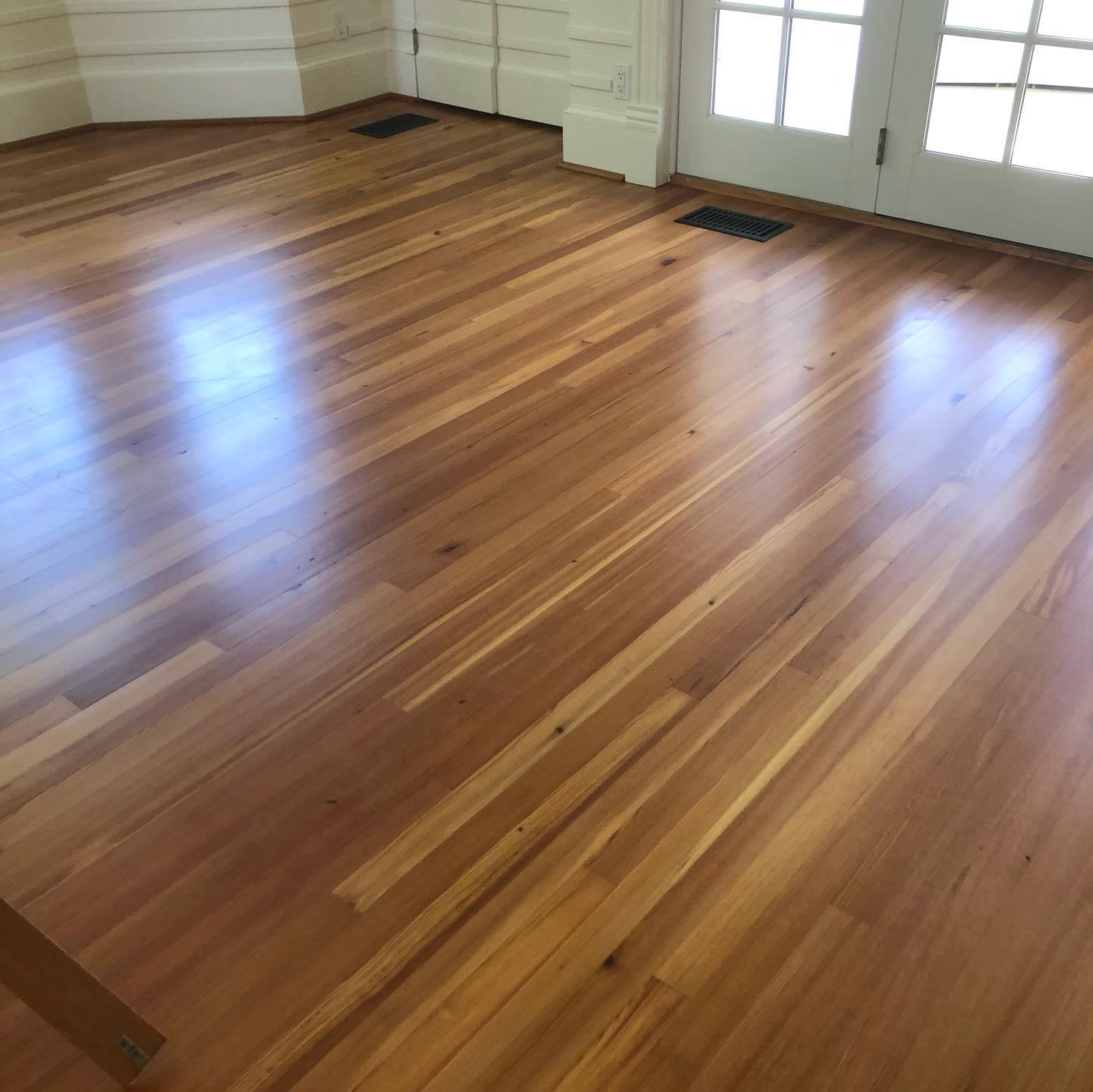
Let’s be fair. There are times when hardwood is the better choice for resale value in Maryland and DC.
If your home is in a high-end neighborhood where most houses have hardwood, you might hurt your value by going with LVP in main living areas. Buyers at the $800,000+ price point often expect real wood.
Historic homes in DC neighborhoods like Georgetown or Capitol Hill should probably stick with hardwood to maintain character and appeal to the target buyer.
And if you’re in a luxury condo building where other units have hardwood, you don’t want to be the odd one out.
But for most homeowners in the DMV? LVP makes a ton of sense, especially in kitchens, bathrooms, and high-traffic areas.
Making the Smart Choice for Your Situation
So does LVP increase home value Maryland and DC buyers care about? Yes, when you choose quality products and install them in the right places.
The best flooring for selling a house MD buyers will love depends on your specific home, neighborhood, and price point. But for most homeowners planning to sell in the next few years, premium waterproof flooring delivers great ROI with lower risk.
Think about your lifestyle between now and when you sell. If you have kids, pets, or just want to enjoy your home without stressing over every spill, LVP lets you live comfortably while protecting your investment.
Your Next Steps
Ready to make a smart flooring choice that works for today and tomorrow? Here’s what to do:
Start by getting samples of high-quality LVP to see and feel the difference. Compare them to hardwood samples. You might be surprised how close they look.
Talk to a local flooring expert who knows the DMV market. Ask about brands, wear layers, and installation quality. Get specific about your resale timeline and goals.
Look at recent sales in your neighborhood. What flooring are homes selling with? What are buyers in your area looking for?
And remember, the right flooring choice isn’t just about resale value. It’s about enjoying your home while you’re there and getting a good return when you sell.
We help Maryland and DC homeowners make these decisions every day. Whether you’re leaning toward LVP, hardwood, or a combination, we can show you options that fit your budget and your resale goals.
Want to see what premium LVP looks like in person? Or get a realistic estimate for your project? Reach out today. We’ll walk you through your options with no pressure, just straight answers about what works best for your home and your future plans.
The DMV market keeps changing, but one thing stays the same. Quality flooring, installed right, always adds value. Whether that’s hardwood or luxury vinyl plank depends on your specific situation. Let’s figure out what makes the most sense for you.
Frequently Asked Questions
Does luxury vinyl plank actually increase home value in Maryland?
Yes, quality LVP typically adds 1.5% to 2.5% to your home’s value in Maryland and DC. The exact amount depends on the brand, wear layer thickness, and installation quality. Premium waterproof LVP in kitchens and bathrooms often delivers the strongest return because buyers value the practicality and durability.
How does LVP compare to hardwood for resale value in the DMV?
Hardwood typically adds 2.5% to 3% to home value, while quality LVP adds 1.5% to 2.5%. The gap is smaller than most people think. When you factor in that hardwood costs about twice as much to install, the ROI of luxury vinyl plank often beats hardwood because your initial investment is lower.
What’s the best flooring choice if I’m selling my Maryland home in 2-5 years?
For most DMV homes under $600,000, premium LVP in kitchens, bathrooms, and high-traffic areas offers excellent resale value. Living areas can go either way, but LVP is gaining acceptance. For homes over $800,000 or in luxury neighborhoods, hardwood in main living areas with LVP in wet areas is often the smartest combination.
What makes some LVP better for resale than others?
Look for at least a 20 mil wear layer (30 mil is better), true waterproof cores, realistic textures, and reputable brands like COREtec, Shaw, or Mohawk. Cheap LVP with thin wear layers won’t impress buyers or appraisers. Quality matters when you’re counting on resale value.
Where should I install LVP versus hardwood in my home?
Install LVP in kitchens, bathrooms, laundry rooms, and basements where water resistance matters most. These areas give you the best ROI because buyers value the practicality. For living rooms and bedrooms, your choice depends on your home’s price point and neighborhood standards. Many homeowners mix both, using hardwood in formal areas and LVP where durability counts.
Ready to get this done in your home?
5.0-star Google rating · 500+ reviews · MHIC #104041 · Licensed & Insured
Get My Free Estimate Call 240-246-4561
Related services: Hardwood Floor RestorationHardwood Floor StainingCOREtec Flooring
Contact Us
Fill out the form below and an AG Construction representative will contact you soon.


Maryland’s Premier Flooring Company
full-service flooring contractor
Whether you own a home or business, we’re your single source for complete flooring installation services! Our comprehensive services include:
- Hardwood staining, sanding, refinishing, restoration, and more!
- Carpet removal and installation
- Vinyl luxury plank replacement and installation
- Vinyl tile and COREtec installation
- And more!