

back to blog

The Ultimate Care Guide: How to Clean Your LVP Floors Without Damaging Them
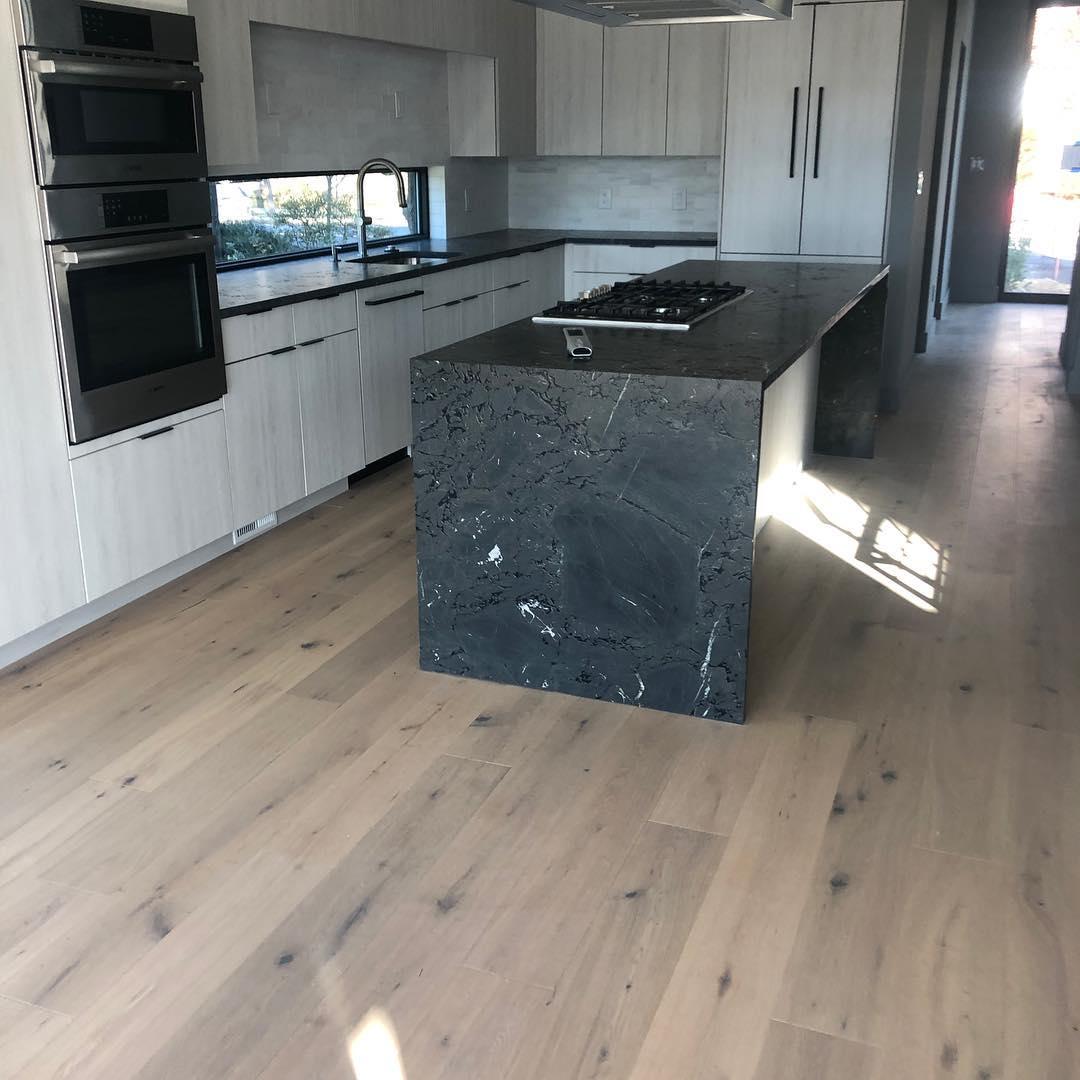
Most people think all floor cleaners work the same on luxury vinyl plank. The truth is using the wrong product can leave dull spots or even damage your floors. Knowing how to clean LVP properly keeps your floors looking fresh while avoiding costly repairs like scratch repair vinyl floors. Let’s walk through the best LVP floor cleaner choices and tips for maintaining luxury vinyl flooring that lasts.
Understanding Your LVP Floors
Luxury vinyl plank flooring has become a favorite choice for homeowners everywhere. It looks great, feels comfortable underfoot, and stands up to daily life better than many other options. But here’s what many people don’t realize: LVP floors have a special protective wear layer on top that needs the right kind of care.
This wear layer is what keeps your floors looking new. When you use harsh chemicals or abrasive tools, you can scratch or dull this protective coating. That’s why learning how to clean LVP the right way matters so much. The good news? It’s easier than you might think.
What Makes LVP Different From Other Floors
LVP isn’t real wood, and it isn’t traditional vinyl either. It’s a multi-layer product with a photographic layer that creates the wood look, a core layer for stability, and that crucial wear layer on top. This construction means you can’t treat it like hardwood or laminate.
Think of your LVP floors like a car with a clear coat. You wouldn’t use rough sandpaper on your car’s finish, right? The same thinking applies here. Gentle, regular cleaning beats aggressive scrubbing every time.
Daily Cleaning: Your First Line of Defense
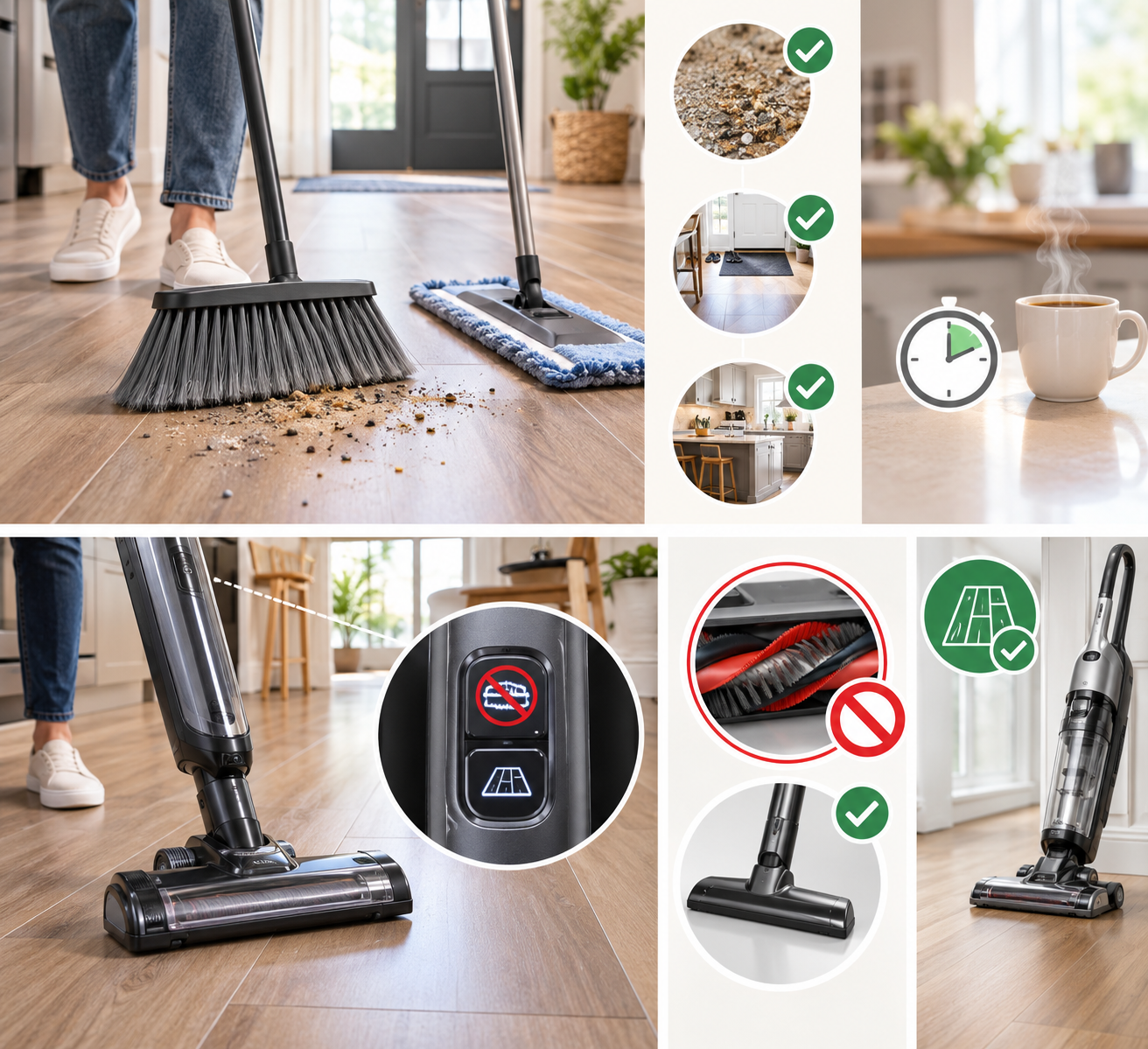
The best way to keep your floors beautiful is to stop dirt before it becomes a problem. Daily maintenance takes just a few minutes but saves hours of deep cleaning later.
Sweeping and Dust Mopping
Start with a soft-bristle broom or a microfiber dust mop. These tools pick up dirt, sand, and debris that can scratch your floors when people walk on them. Make this a quick daily habit, especially in high-traffic areas like entryways and kitchens.
One homeowner told us: “I sweep my kitchen every morning while my coffee brews. It takes three minutes, and my floors still look brand new after two years.”
The Right Vacuum Settings
If you prefer vacuuming, make sure to turn off the beater bar. That rotating brush can scratch LVP over time. Use the hard floor setting, or better yet, get a vacuum designed specifically for hard surfaces. Many modern vacuums have settings perfect for maintaining luxury vinyl flooring.
Weekly Deep Cleaning: Keeping Things Fresh
Once a week, your floors need more than just sweeping. This is where choosing the best LVP floor cleaner becomes important.
What to Look for in a Cleaner
The best LVP floor cleaner should be pH-neutral and specifically formulated for luxury vinyl. Avoid products with:
Ammonia
Bleach
Abrasive particles
Oil-based ingredients
Wax or polish
These ingredients can damage the wear layer, create buildup, or leave your floors looking cloudy. Instead, look for cleaners marked “safe for LVP” or “luxury vinyl floor cleaner.”
Our Top Cleaning Method
Here’s a simple process that works every time:
Sweep or vacuum first to remove loose dirt
Fill a bucket with warm water and add your chosen cleaner according to package directions
Dampen (not soak) a microfiber mop in the solution
Wring out excess water – your mop should be damp, not dripping
Mop in the direction of the planks
Let the floor air dry
The key word here is “damp.” LVP is water-resistant, not waterproof. Too much water can seep into seams and cause problems over time. If you can wring water out of your mop, it’s too wet.
DIY Cleaner Option
Want to save money? You can make your own solution. Mix one cup of white vinegar with one gallon of warm water. This creates a gentle, effective cleaner for regular use. Just don’t use vinegar every single time, as the acidity can eventually dull the finish with years of daily use.
Tackling Tough Stains and Spills
Life happens. Coffee spills, muddy paw prints, and mystery stains are part of having floors. The good news is that LVP handles most messes well when you act fast.
Immediate Spill Response
Wipe up spills right away with a soft cloth or paper towel. For sticky substances like syrup or soda, dampen your cloth with warm water and wipe clean. Most spills come up easily if you catch them quickly.
Stubborn Stain Solutions
For tougher stains, try these targeted approaches:
Grease or oil: Use a small amount of dish soap mixed with warm water. Apply with a soft cloth, rinse with clean water, and dry.
Scuff marks: A tennis ball or pencil eraser often works wonders. Just rub gently in a circular motion.
Ink or markers: Rubbing alcohol on a cloth usually does the trick. Test in a hidden spot first.
Food stains: A paste of baking soda and water can lift many food stains. Apply, let sit for a few minutes, then wipe clean.
One property manager shared: “I manage 50 rental units with LVP floors. The tennis ball trick for scuffs has saved me so much time and money. I keep one in my maintenance kit.”
What to Avoid at All Costs
Knowing what NOT to do is just as important as knowing the right cleaning methods. These common mistakes can ruin your floors:
Steam Mops and Excessive Heat
Steam mops might seem like a good idea, but the heat and moisture can damage LVP. The steam can penetrate seams, warp planks, or break down the adhesive. Stick with damp mopping instead.
Abrasive Tools
Steel wool, scrub brushes with stiff bristles, and abrasive sponges will scratch your floors. Always use soft cloths and microfiber mops.
Wax and Polish Products
Your LVP floors come with a factory finish that doesn’t need additional polish or wax. These products create buildup that makes floors look dull and attracts more dirt. They’re also hard to remove once applied.
Harsh Chemicals
Products containing acetone, nail polish remover, or strong solvents can strip the wear layer. If you wouldn’t put it on your skin, think twice before putting it on your floors.
Preventing Damage: Proactive Care Tips
An ounce of prevention really is worth a pound of cure when it comes to maintaining luxury vinyl flooring.
Entry Mats and Rugs
Place mats at all exterior doors to catch dirt, sand, and moisture before they reach your floors. Choose mats with non-staining rubber backing to avoid discoloration.
Inside, area rugs in high-traffic zones protect floors from wear. Just make sure rug pads are vinyl-safe. Some rubber pads can cause yellowing on LVP.
Furniture Protection
Put felt pads under all furniture legs. Replace these pads every few months, as they compress and lose effectiveness. For heavy furniture, consider using furniture coasters to distribute weight.
When moving furniture, always lift rather than drag. Even with felt pads, dragging can cause scratches that lead to needing scratch repair vinyl floors.
Pet Nail Maintenance
Keep your pet’s nails trimmed. Long nails can scratch LVP, especially when dogs get excited and run through the house. Regular nail trimming protects both your floors and your pet’s paw health.
Climate Control
Extreme temperature changes can affect LVP. Try to maintain consistent indoor temperatures. In very cold climates, avoid letting floors get too cold, as this can make them brittle. In hot climates, prevent direct sunlight from heating floors excessively, which can cause expansion.
Dealing With Scratches and Damage
Even with perfect care, scratches can happen. Knowing how to handle them keeps small issues from becoming big problems.
Minor Scratch Repair
For light surface scratches, a vinyl floor repair kit from your local hardware store often works well. These kits include colored putty or wax that fills and conceals minor damage.
Clean the scratched area first, then apply the repair compound according to the kit directions. Many kits come with multiple colors that you can blend to match your floor perfectly.
When to Call Professionals
Deep gouges, large scratches, or damaged planks might need professional attention. If you’re dealing with scratch repair vinyl floors beyond simple surface marks, professional repair or plank replacement might be your best option.
We’ve helped many homeowners replace individual damaged planks. Because LVP uses a floating floor system, skilled installers can often replace just the affected planks without redoing your entire floor.
Seasonal Maintenance Considerations
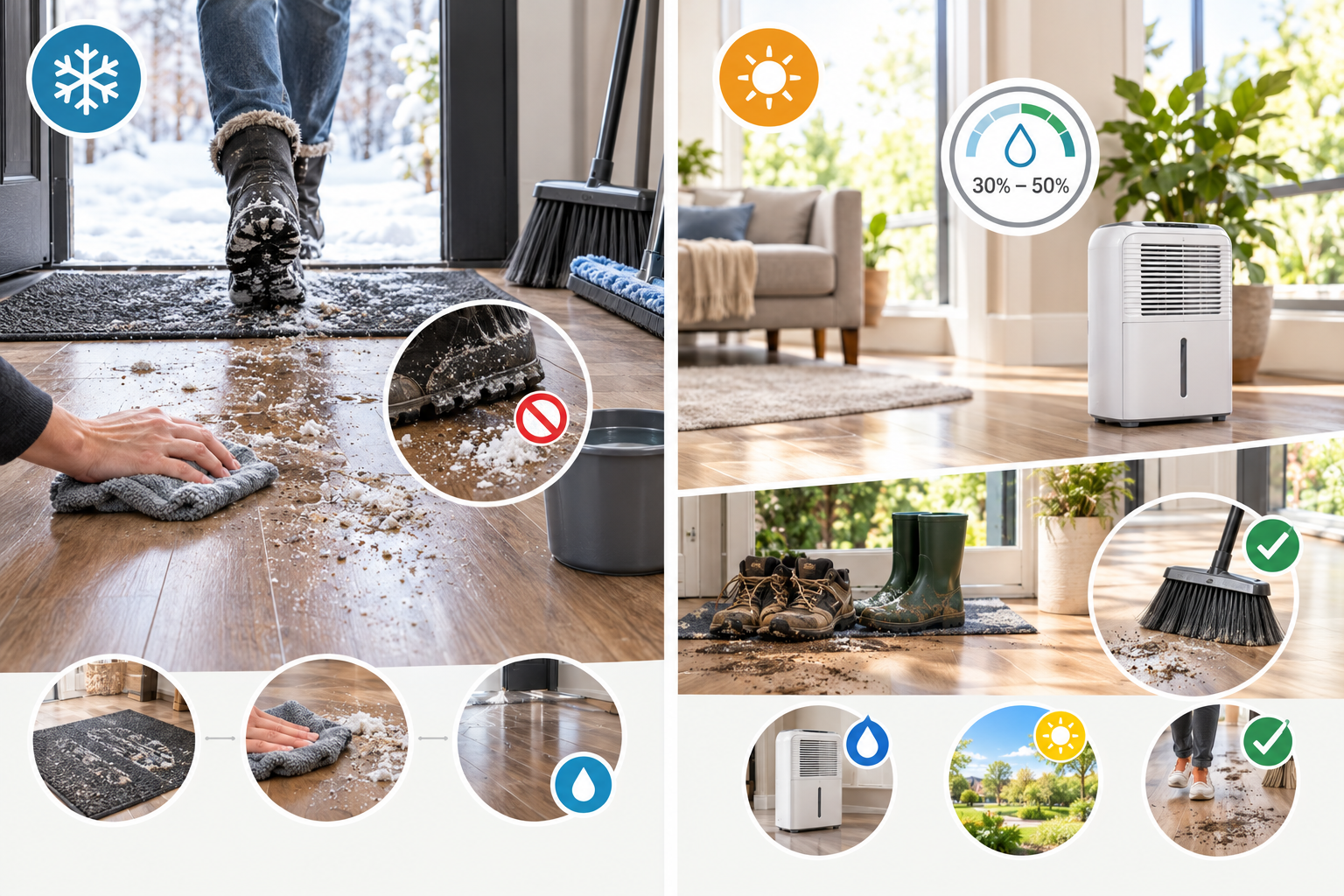
Different seasons bring different challenges for your floors.
Winter Care
Winter means wet boots, salt, and sand tracked inside. Place extra mats at entries and clean floors more frequently during snowy months. Salt can be particularly damaging, so wipe up salty slush right away and rinse the area with clean water.
Summer Considerations
Summer humidity can affect LVP. Maintain consistent indoor humidity levels between 30% and 50%. Use dehumidifiers in damp climates to prevent moisture issues.
Summer also means more outdoor activity and dirt tracked in. Keep up with daily sweeping to manage increased foot traffic.
Special Situations and Problem Areas
Some areas need extra attention when you’re learning how to clean LVP properly.
Kitchens
Kitchens see the most spills and splashes. Keep a microfiber cloth handy for quick cleanups. After cooking, do a quick spot-clean of any splatters. This prevents buildup and keeps your kitchen looking fresh.
Bathrooms
While LVP is water-resistant, bathroom floors face constant moisture. Use bath mats to catch water from showers and tubs. Wipe up standing water promptly. Make sure bathroom ventilation is good to prevent excess humidity.
High-Traffic Hallways
Hallways and entryways take the most abuse. Consider cleaning these areas twice a week instead of once. The extra attention prevents dirt from grinding into the wear layer.
Creating Your Cleaning Schedule
Consistency makes maintaining luxury vinyl flooring easy. Here’s a simple schedule to follow:
Daily: Sweep or vacuum high-traffic areas
Weekly: Damp mop entire floor with the best LVP floor cleaner you’ve chosen
Monthly: Move furniture and clean underneath, check and replace furniture pads if needed, inspect for any damage or issues
Seasonally: Deep clean, check all seams and edges, assess overall floor condition
Stick this schedule on your refrigerator or add reminders to your phone. Making it routine means you won’t forget or let things slide.
Product Recommendations and What Works
While we can’t endorse specific brands without knowing your exact floor type, here are categories of products that work well:
Look for cleaners specifically labeled for LVP or luxury vinyl. Major flooring manufacturers often make their own cleaning solutions designed for their products. Check with your floor’s manufacturer for their recommendations.
Microfiber mops are your best friend. They’re gentle, effective, and reusable. Buy a few mop heads so you always have a clean one ready.
A good quality spray mop can make weekly cleaning faster. Just make sure to use the right cleaning solution in it, not water alone.
Real Stories From Real Homeowners
Sarah from Colorado told us: “I was using my regular floor cleaner on my new LVP for six months. The floors started looking hazy and dull. Once I switched to a proper LVP cleaner and started following the damp mop rule, they came back to life. I wish I’d known how to clean LVP correctly from day one.”
Mike, a property manager in Florida, shared: “Managing rental properties, I’ve seen every kind of floor damage. The units where tenants follow simple LVP care instructions look great for years. The ones where people use steam mops or harsh chemicals need floor replacement in half the time. Education makes a huge difference.”
These stories remind us that the right care really does extend your floor’s life and beauty.
Making Cleaning Easier: Tools That Help
Investing in the right tools makes maintaining luxury vinyl flooring simpler and faster.
A good cordless vacuum designed for hard floors saves time on daily cleaning. Look for models with soft roller brushes that won’t scratch.
Multiple microfiber mop heads mean you can wash them in batches and always have clean ones ready. Microfiber is gentle on floors and picks up dirt better than traditional mops.
A spray bottle with your cleaning solution makes spot-cleaning quick. Mix up a batch of your preferred cleaner and keep it handy for small messes.
Soft cloths in various locations (kitchen, bathroom, entryway) encourage quick spill cleanup before stains set.
The Long-Term Payoff
Taking good care of your LVP floors isn’t just about appearance. It’s about protecting your investment. Quality LVP flooring can last 20 years or more with proper care. Poor maintenance might cut that lifespan in half.
Think about the cost difference. Replacing floors is expensive and disruptive. A few minutes of daily care and weekly cleaning with the best LVP floor cleaner you can find costs almost nothing but adds years to your floor’s life.
Plus, well-maintained floors look better, which matters if you ever sell your home. Potential buyers notice beautiful floors right away.
Common Questions About LVP Care
Can I use a Swiffer on LVP?
Yes, but use the Swiffer WetJet designed for hardwood and laminate, not the one for tile. Make sure the cleaning solution is safe for vinyl. Better yet, use a reusable microfiber mop to reduce waste.
How often should I deep clean?
Once a week for most homes. High-traffic homes with kids and pets might need twice-weekly cleaning.
Will my LVP floors fade in sunlight?
Quality LVP is UV-resistant, but prolonged direct sunlight can cause some fading over many years. Use curtains or blinds during peak sun hours to extend floor life.
Can I use vinegar every day?
Occasional vinegar cleaning is fine, but daily use over years might dull the finish. Alternate between vinegar and a proper LVP cleaner.
Getting Help When You Need It
Sometimes you need expert advice or professional help. Don’t hesitate to reach out when:
You’re not sure if a stain or scratch can be repaired
You’ve tried everything and your floors still look dull
You need scratch repair vinyl floors and aren’t confident doing it yourself
You’re planning to install new LVP and want care instructions from the start
Professional flooring experts can assess damage, recommend solutions, and handle repairs that are beyond DIY scope. We’re always happy to answer questions and help you keep your floors looking their best.
Your Next Steps
Now you know how to clean LVP floors the right way. Here’s what to do next:
Check what cleaning products you currently have and remove any that aren’t LVP-safe
Get a proper LVP floor cleaner or make your own vinegar solution
Invest in a good microfiber mop if you don’t have one
Set up your cleaning schedule and stick to it
Add furniture pads if you haven’t already
Place mats at all entry points
Start with these basics, and you’ll see the difference in how your floors look and last.
Remember, maintaining luxury vinyl flooring doesn’t require special skills or expensive products. It just needs the right approach and a little consistency. Your floors will reward you with years of beauty and durability.
If you have questions about your specific floors or need help with repairs, we’re here for you. Reach out anytime for advice, product recommendations, or professional services. We want your floors to look amazing for decades to come.
Take care of your LVP floors, and they’ll take care of you with lasting beauty and easy maintenance. You’ve got this!
Frequently Asked Questions
What is the best cleaner to use on LVP floors?
The best LVP floor cleaner is a pH-neutral product specifically formulated for luxury vinyl. Avoid cleaners with ammonia, bleach, wax, or oil. You can also make a simple DIY solution with one cup of white vinegar mixed with one gallon of warm water for regular cleaning. Always use a damp, not wet, microfiber mop.
How do I remove scratches from my vinyl plank flooring?
For minor surface scratches, use a vinyl floor repair kit from your local hardware store. These kits include colored putty or wax that fills and hides light damage. Clean the area first, then apply the compound according to directions. For deep gouges or damaged planks, professional scratch repair vinyl floors services may be needed to replace individual planks.
Can I use a steam mop on LVP flooring?
No, you should never use a steam mop on LVP floors. The heat and excessive moisture from steam can damage the wear layer, warp planks, penetrate seams, and break down adhesive. Stick with damp mopping using a microfiber mop and proper cleaning solution to safely maintain your floors.
How often should I clean my luxury vinyl plank floors?
For maintaining luxury vinyl flooring, sweep or vacuum high-traffic areas daily to remove dirt and sand. Do a full damp mop cleaning once a week for most homes, or twice weekly if you have kids and pets. Monthly, move furniture to clean underneath and check furniture pads. This regular schedule prevents dirt buildup and keeps floors looking new.
What should I avoid when cleaning LVP floors?
Avoid using wax or polish products, abrasive scrubbers, steel wool, harsh chemicals like acetone, excessive water, and steam mops. Don’t drag heavy furniture across floors. Also skip cleaners containing ammonia or bleach, as these can damage the protective wear layer and dull your floors over time.
Ready to get this done in your home?
5.0-star Google rating · 500+ reviews · MHIC #104041 · Licensed & Insured
Get My Free Estimate Call 240-246-4561
Related services: Hardwood Floor RefinishingHardwood Floor RestorationHardwood Floor Staining
Contact Us
Fill out the form below and an AG Construction representative will contact you soon.


Maryland’s Premier Flooring Company
full-service flooring contractor
Whether you own a home or business, we’re your single source for complete flooring installation services! Our comprehensive services include:
- Hardwood staining, sanding, refinishing, restoration, and more!
- Carpet removal and installation
- Vinyl luxury plank replacement and installation
- Vinyl tile and COREtec installation
- And more!