

back to blog

Hardwood vs. LVP: Which Flooring Offers the Best ROI for Your Maryland Home?
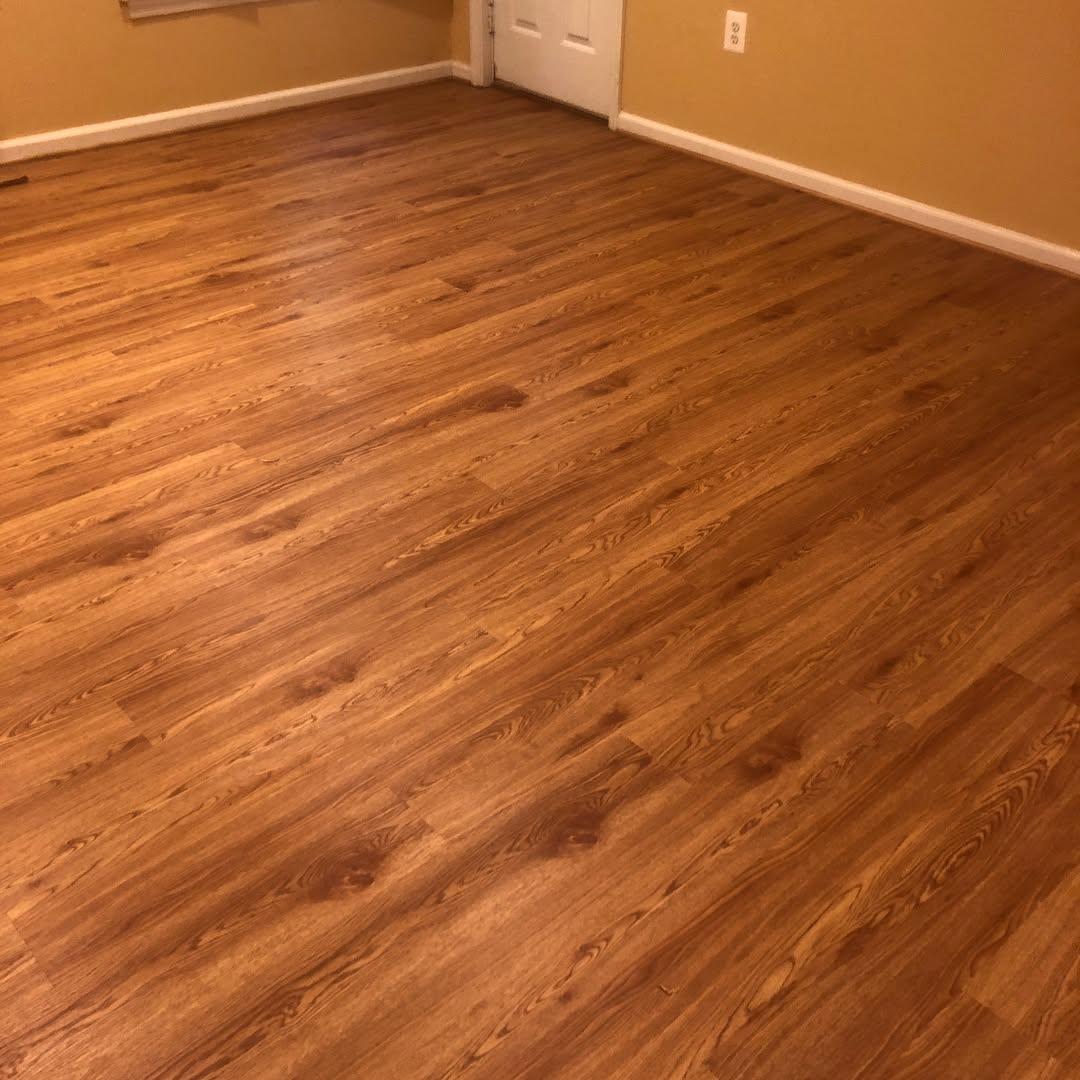
Many Maryland homeowners face a tough choice when upgrading floors: hardwood or LVP. Each option has its own price tag and impact on your home’s resale value, making the decision anything but simple. If you’re looking for the best flooring for ROI, understanding how LVP vs hardwood resale value stacks up in the DMV area is key. This guide breaks down what matters most so you can choose flooring that fits your budget and boosts your home’s appeal.
Understanding Your Flooring Investment
When you’re getting ready to sell your Maryland home or just want to increase its value, flooring matters more than you might think. Buyers notice floors the moment they walk through your door. The right choice can make your home stand out in the competitive DMV market, while the wrong one might leave money on the table.
Let’s be real: you want to make smart choices with your renovation budget. That means weighing what you’ll spend now against what you’ll gain later. Both hardwood and luxury vinyl plank (LVP) have their place in home upgrades DMV, but which one makes sense for your situation?
The True Cost of Hardwood Flooring
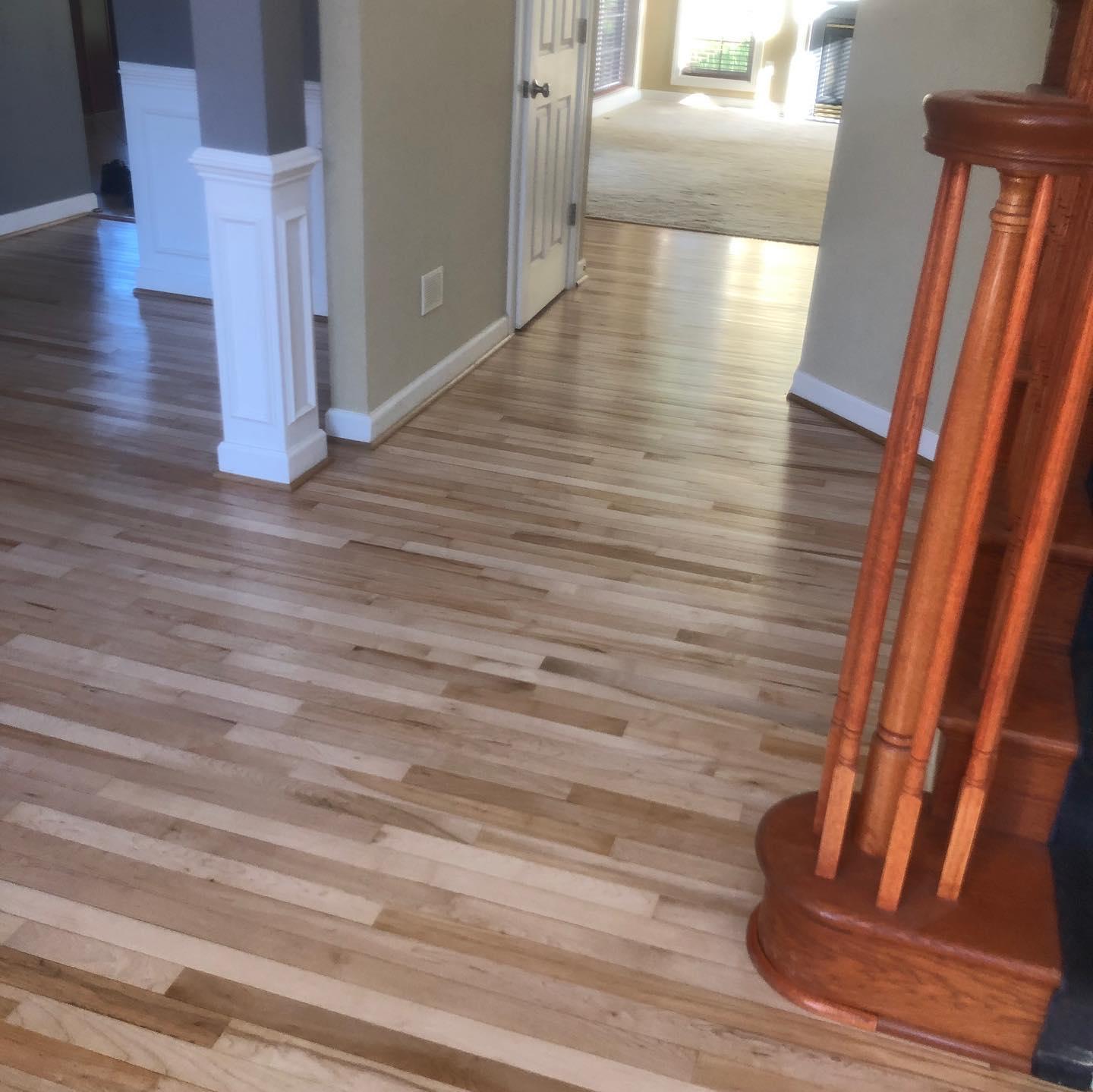
Installation Expenses
Hardwood flooring typically runs between $8 and $15 per square foot for materials alone. When you add professional installation, you’re looking at $12 to $25 per square foot total. For a 1,000 square foot home, that’s $12,000 to $25,000 right off the bat.
The installation process takes time too. Your contractor needs to acclimate the wood, prepare the subfloor perfectly, and carefully install each plank. Any moisture issues in your Maryland basement or first floor? You’ll need to address those first, adding to your costs.
Long-Term Maintenance Costs
Here’s what many homeowners don’t factor in: hardwood needs ongoing care. You’ll refinish those floors every 7 to 10 years at around $3 to $5 per square foot. That’s another $3,000 to $5,000 each time for a typical home.
Regular maintenance includes special cleaning products, protective pads under furniture, and quick action when spills happen. One of our customers in Silver Spring learned this the hard way when her dog’s water bowl leaked overnight, leaving a dark stain that required professional repair.
Resale Value Impact
The good news? Hardwood delivers strong returns. Real estate agents in Maryland consistently report that homes with hardwood floors sell faster and for more money. Buyers in the DMV area expect hardwood in certain price ranges, especially for homes over $400,000.
A recent study showed that hardwood floors can increase your home’s value by 3% to 5%. On a $500,000 home, that’s $15,000 to $25,000 in added value. When you compare LVP vs hardwood resale value, traditional wood still holds the edge in buyer perception.
The LVP Alternative: Modern and Practical
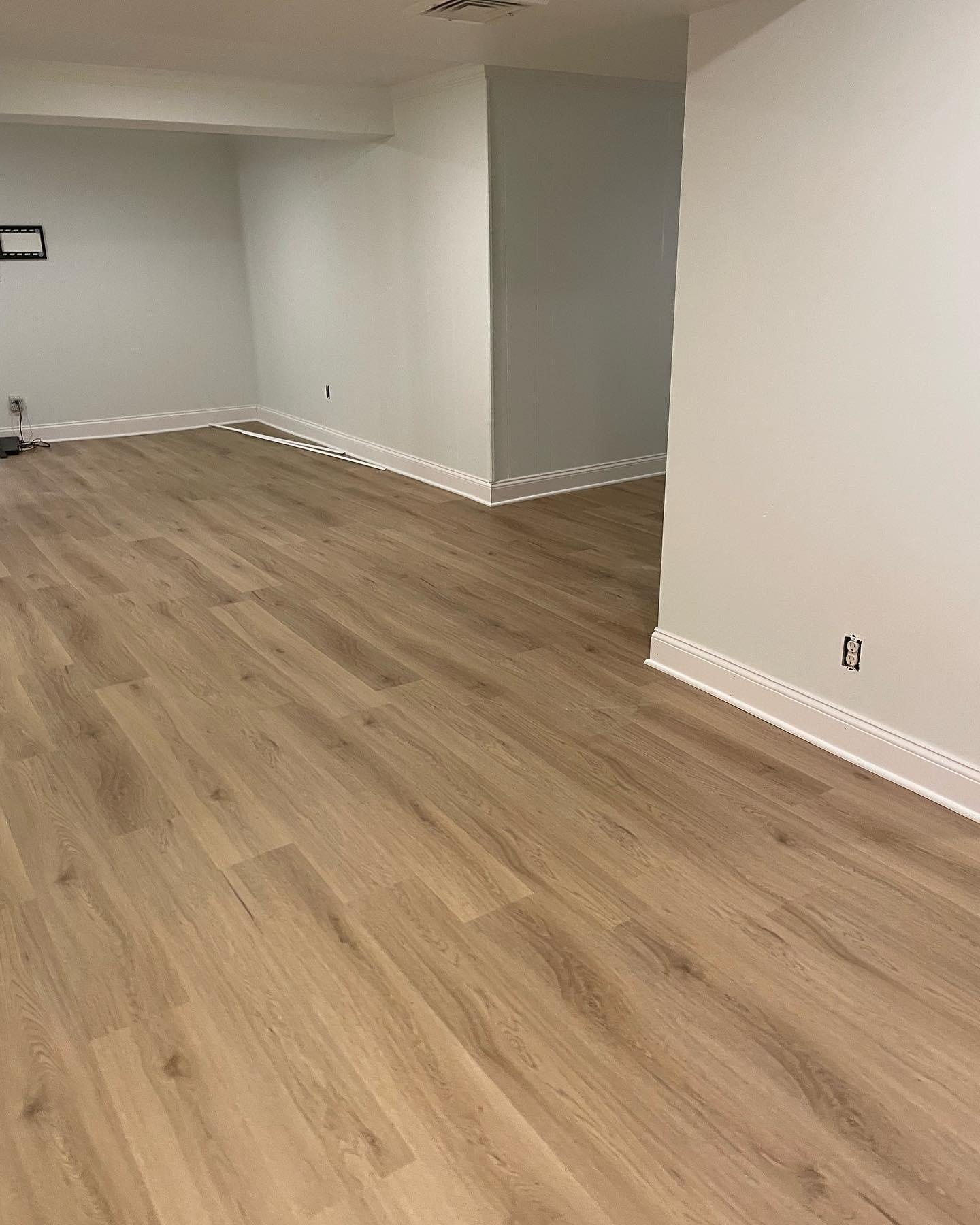
What Makes LVP Different
Luxury vinyl plank has come a long way from the vinyl floors of decades past. Today’s LVP looks remarkably like real hardwood. Many buyers can’t tell the difference at first glance. The technology behind these products creates realistic wood grain textures and varied plank widths that mimic authentic hardwood.
Installation Savings
LVP costs significantly less upfront. Materials run $2 to $7 per square foot, and installation adds another $1 to $5 per square foot. You’re looking at $3 to $12 per square foot total. That same 1,000 square foot space? You’ll spend $3,000 to $12,000 instead of $12,000 to $25,000.
The installation goes faster too. Many LVP products feature click-lock systems that allow for quick installation. Some handy homeowners even tackle it themselves, though we always recommend professional affordable flooring installation for the best results.
Durability in Real Life
LVP handles Maryland’s climate beautifully. Humid summers? No problem. Wet winter boots? Bring them on. The waterproof core means you can install LVP in basements, bathrooms, and kitchens without worry.
A property manager we work with in Bethesda switched to LVP in all his rental units. “I used to replace damaged hardwood every few years,” he told us. “With LVP, I haven’t had a single floor replacement in five years. The cost savings are huge.”
The ROI Question for LVP
Here’s where it gets interesting. While LVP doesn’t command the same premium as hardwood, it still offers solid returns. You’ll recoup 70% to 80% of your installation costs at resale. Since your initial investment is lower, your actual out-of-pocket expense remains minimal.
For homes under $350,000 in the DMV market, buyers often appreciate LVP’s practical benefits. Young families and first-time buyers love the durability and easy maintenance. You’re giving them exactly what they need.
Comparing the Numbers: Best Flooring for ROI
Break-Even Analysis
Let’s run the numbers for a typical Maryland home:
Hardwood Option:
Initial cost: $18,000 (1,000 sq ft at $18/sq ft)
Resale value increase: $20,000 (4% on $500,000 home)
Net gain: $2,000
ROI: 11%
LVP Option:
Initial cost: $7,000 (1,000 sq ft at $7/sq ft)
Resale value increase: $10,000 (2% on $500,000 home)
Net gain: $3,000
ROI: 43%
The best flooring for ROI depends on your specific situation. If you’re selling soon and targeting luxury buyers, hardwood might be worth the investment. If you’re watching your budget or plan to stay a while, LVP delivers better returns on your actual spending.
Market-Specific Considerations
The DMV market has its quirks. In Northwest DC, Bethesda, or Arlington, buyers expect hardwood in main living areas. Try to sell a $700,000 home with vinyl floors, and you’ll hear about it from your agent.
But in Prince George’s County, parts of Montgomery County, and many Maryland suburbs, buyers care more about move-in ready condition and low maintenance. LVP fits that bill perfectly.
Making the Right Choice for Your Home
When Hardwood Makes Sense
Choose hardwood if you:
Own a higher-end home (over $500,000 in the DMV area)
Plan to stay in your home long-term
Have the budget for both installation and maintenance
Live in a neighborhood where hardwood is standard
Want the authentic look and feel of real wood
One homeowner in Chevy Chase told us, “I knew buyers in my neighborhood expected hardwood. The investment was steep, but my home sold in three days at asking price. Worth every penny.”
When LVP Is Your Best Bet
Go with LVP if you:
Need waterproof flooring for basements or bathrooms
Have pets or young children
Want low-maintenance home upgrades DMV
Work with a tighter budget
Own rental property
Prefer affordable flooring installation with quick turnaround
Hybrid Approaches
You don’t have to choose one or the other for your entire home. Many smart homeowners install hardwood in main living areas and primary bedrooms, then use LVP in basements, bathrooms, and laundry rooms.
This approach gives you the resale value boost of hardwood where it matters most, while saving money and gaining practical benefits in moisture-prone areas. When comparing LVP vs hardwood resale value, this middle path often delivers the best overall returns.
Installation Tips for Maximum ROI
Hire the Right Professionals
Quality installation matters as much as your flooring choice. Poor installation can ruin even the best materials. Look for licensed contractors with specific experience in your chosen flooring type.
Ask for references from recent Maryland projects. Check online reviews. Get at least three quotes to compare pricing and approach. The cheapest option isn’t always the best value.
Timing Your Project
Plan your flooring project during the spring or fall if possible. Maryland’s summer humidity can complicate hardwood installation, while winter cold slows down the process. Moderate temperatures and humidity levels make for easier installation and better results.
If you’re selling soon, install new floors at least a month before listing. This gives the space time to air out and lets you address any installation issues before buyers start touring.
Finishing Touches Matter
Don’t skimp on transitions, baseboards, and trim. These details make your new floors look professional and finished. Buyers notice when transitions are sloppy or baseboards don’t match.
Quality underlayment is essential too, especially for LVP. It reduces noise, adds comfort underfoot, and helps your floors last longer. Spend a bit more here for better long-term results.
Real Stories from Maryland Homeowners
Sarah’s Success in Columbia
Sarah needed to sell her Columbia townhouse quickly. Her budget was tight after a job relocation. She chose LVP for the main level and got affordable flooring installation completed in three days.
“I was worried buyers would turn up their noses at vinyl,” she said. “But it looked so good, and the inspector praised how well it was installed. I got multiple offers and sold for $15,000 over asking. The floors definitely helped.”
Mike’s Hardwood Investment in Rockville
Mike spent $22,000 on hardwood floors throughout his Rockville single-family home. He planned to stay at least ten years, so he wanted something he’d love living with.
“The cost was scary at first,” Mike admitted. “But walking on these floors every day makes me happy. And my realtor friend told me I probably added $30,000 to my home’s value. I’m glad I went for it.”
Jennifer’s Rental Property Strategy
Jennifer owns three rental properties in Baltimore County. She switched from carpet to LVP in all of them over the past two years.
“Tenants love the modern look, and I love that nothing gets damaged,” she explained. “One tenant had a washing machine leak that would have ruined hardwood. The LVP? Perfectly fine. The best flooring for ROI in rentals, hands down.”
Common Mistakes to Avoid
Choosing Based on Trends Alone
Don’t pick flooring just because it’s trendy right now. Gray floors were everywhere a few years ago, but the market is shifting toward warmer tones. Choose colors and styles that have staying power in your specific market.
Ignoring Your Home’s Style
Your flooring should match your home’s architecture and style. Ultra-modern LVP might look out of place in a historic Colonial. Traditional hardwood could seem stuffy in a contemporary townhouse. Consider what fits.
Skipping the Subfloor
Problems with your subfloor will show through any new flooring. Squeaks, unevenness, and moisture issues need fixing first. Trying to save money by skipping subfloor prep usually backfires.
Forgetting About Transitions
Your beautiful new floors need to transition smoothly to existing flooring in other rooms. Poor transitions look cheap and create tripping hazards. Plan for this in your budget.
Getting Started with Your Flooring Project
Step One: Assess Your Needs
Walk through your home and note which rooms need new flooring. Consider your lifestyle, budget, and timeline. Are you selling in six months or staying for ten years? Do you have kids, pets, or frequent guests?
Step Two: Set a Realistic Budget
Factor in materials, installation, subfloor prep, and finishing touches. Add 10% to 15% for unexpected issues. If your budget is tight, consider phasing your project over time.
Step Three: Get Multiple Quotes
Contact at least three flooring contractors. Ask about their experience with both hardwood and LVP. Request detailed quotes that break down materials, labor, and additional costs.
Step Four: Check Samples in Your Home
Bring home large samples of your top choices. Look at them in different lighting throughout the day. See how they work with your walls, cabinets, and furniture.
Step Five: Make Your Decision
Weigh the costs and benefits based on your specific situation. Don’t let anyone pressure you into a choice that doesn’t feel right. This is your home and your investment.
Why Professional Help Matters
Installing floors might look easy on home improvement shows, but real life is different. Professional installers bring years of experience, proper tools, and knowledge of local building codes.
They know how to handle Maryland’s humidity fluctuations. They understand which products work best in DMV homes. They can spot and fix subfloor issues before they become problems.
Most importantly, professional installation protects your investment. Many flooring warranties require professional installation. DIY mistakes can void your warranty and cost more to fix than you saved.
Your Next Steps
Ready to move forward with your flooring project? Start by reaching out to experienced flooring professionals in your area. Ask questions. Share your goals and concerns. Get honest advice about what makes sense for your home.
Whether you choose hardwood, LVP, or a combination, the right flooring will make your Maryland home more comfortable and valuable. You deserve floors you’ll love living with and that will appeal to future buyers when the time comes.
Remember, the best flooring for ROI isn’t always the most expensive option. It’s the one that fits your needs, your budget, and your local market. With the information in this guide, you’re ready to make that choice confidently.
Need help getting started? Contact local flooring experts who understand the DMV market. They can provide personalized recommendations and affordable flooring installation that fits your timeline and budget. Your dream floors are closer than you think.
Frequently Asked Questions
Does hardwood or LVP add more value to a Maryland home?
Hardwood typically adds 3% to 5% to your home’s value, while LVP adds about 2% to 3%. In higher-end DMV markets over $500,000, hardwood delivers stronger returns because buyers expect it. For homes under $350,000, LVP offers better ROI since your initial investment is much lower and buyers appreciate the durability and low maintenance.
How long does each type of flooring last in Maryland’s climate?
Hardwood can last 50 to 100 years with proper maintenance and periodic refinishing every 7 to 10 years. LVP typically lasts 15 to 25 years before needing replacement. Maryland’s humidity affects hardwood more, causing expansion and contraction that requires careful installation and maintenance. LVP handles moisture better, making it ideal for basements and areas prone to water exposure.
What’s the average cost difference between hardwood and LVP installation?
Hardwood installation costs $12 to $25 per square foot total, while LVP runs $3 to $12 per square foot. For a typical 1,000 square foot area, you’ll spend $12,000 to $25,000 for hardwood versus $3,000 to $12,000 for LVP. This means LVP costs about 60% to 75% less upfront, though hardwood may offer slightly higher resale value in premium markets.
Can I install LVP in my Maryland basement without moisture problems?
Yes, LVP is an excellent choice for Maryland basements because it’s completely waterproof. Unlike hardwood, which warps and damages easily in damp conditions, LVP’s core resists moisture from below and above. Just make sure your installer uses proper underlayment and addresses any active water intrusion issues before installation for the best long-term results.
Should I refinish existing hardwood or replace it with new flooring before selling?
If your existing hardwood is solid and in decent condition, refinishing costs $3 to $5 per square foot and can make it look brand new. This is much cheaper than replacing with new hardwood at $12 to $25 per square foot. If the wood is damaged beyond repair or you have moisture issues, switching to LVP might offer better ROI at a lower cost while eliminating future maintenance concerns for buyers.
Ready to get this done in your home?
5.0-star Google rating · 500+ reviews · MHIC #104041 · Licensed & Insured
Get My Free Estimate Call 240-246-4561
Related services: Hardwood Floor RefinishingHardwood Floor RestorationHardwood Floor Staining
Contact Us
Fill out the form below and an AG Construction representative will contact you soon.


Maryland’s Premier Flooring Company
full-service flooring contractor
Whether you own a home or business, we’re your single source for complete flooring installation services! Our comprehensive services include:
- Hardwood staining, sanding, refinishing, restoration, and more!
- Carpet removal and installation
- Vinyl luxury plank replacement and installation
- Vinyl tile and COREtec installation
- And more!