

back to blog

Hardwood in the Kitchen: Is It a Bad Idea for Maryland Homes?
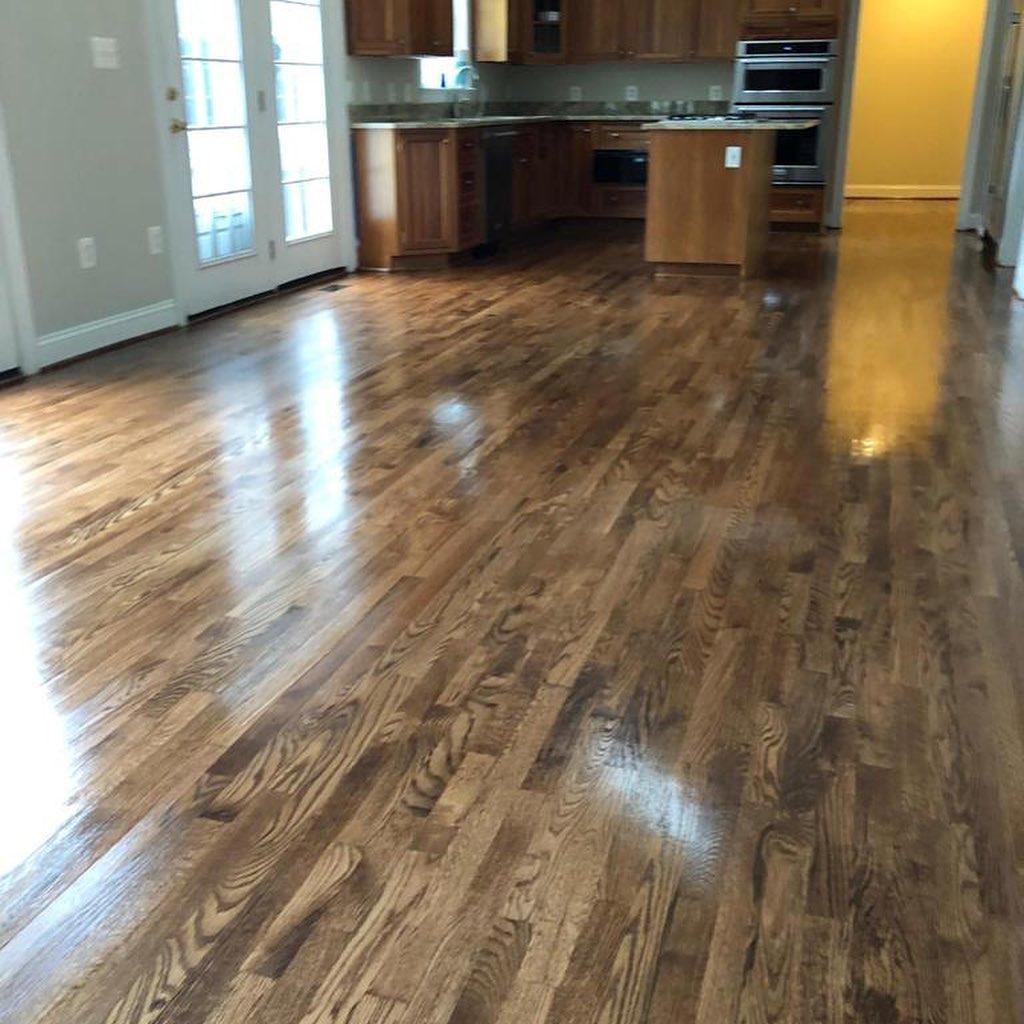
Hardwood floor in kitchen Maryland sounds like a dream until a spill near the sink turns it into a nightmare. You want that smooth, warm look stretching through your open-concept space, but the fear of water damage and heavy traffic makes you hesitate. Let’s cut through the confusion around water resistant wood kitchen flooring and find out what really works for your kitchen floor remodel MD.
Why Maryland Homeowners Love (and Fear) Hardwood in Kitchens
You’ve seen those gorgeous photos on Pinterest. The ones where rich oak or maple flows from the living room straight into the kitchen without a single transition strip breaking up the view. It looks amazing, right?
That’s exactly what draws so many Maryland homeowners to consider hardwood for their kitchen spaces. The visual continuity makes your home feel larger and more open. No awkward breaks between rooms. No clashing floor types. Just one beautiful surface that ties everything together.
But then reality hits. You remember that time your dishwasher leaked overnight. Or when your kid knocked over an entire pitcher of juice. Suddenly, that dream of hardwood floor in kitchen Maryland feels risky.
Here’s the good news: with the right approach, you can absolutely have hardwood in your kitchen. You just need to know what you’re getting into.
The Real Risks of Kitchen Hardwood (And How to Handle Them)
Let’s be honest about what your kitchen floor faces every single day.
Water Is Your Biggest Enemy
Standing water is the number one killer of hardwood floors. Not the quick splash you wipe up in 30 seconds. We’re talking about the puddle that sits there for hours while you’re at work or asleep.
In Maryland’s humid climate, moisture issues get even trickier. Your kitchen already deals with steam from cooking, humidity from the dishwasher, and condensation from temperature changes. Add that to potential spills and leaks, and you’ve got a recipe for warped boards and cupped edges.
The solution isn’t to avoid hardwood completely. It’s to be realistic about your lifestyle and choose the right type of wood.
Heavy Traffic Wears Down Finish
Your kitchen sees more foot traffic than almost any other room. Multiple trips to the fridge. Standing at the stove. Kids running through to grab snacks. All of this wears down the protective finish on your hardwood over time.
Once that finish wears thin, moisture can seep into the wood much easier. This means you’ll need to refinish your kitchen floors more often than the rest of your home.
Dropped Objects Leave Dents
Pots, pans, knives, cans from the pantry. Kitchens are full of hard, heavy objects that occasionally hit the floor. Softer woods will show every single one of these impacts.
Choosing Water Resistant Wood Kitchen Flooring That Actually Works
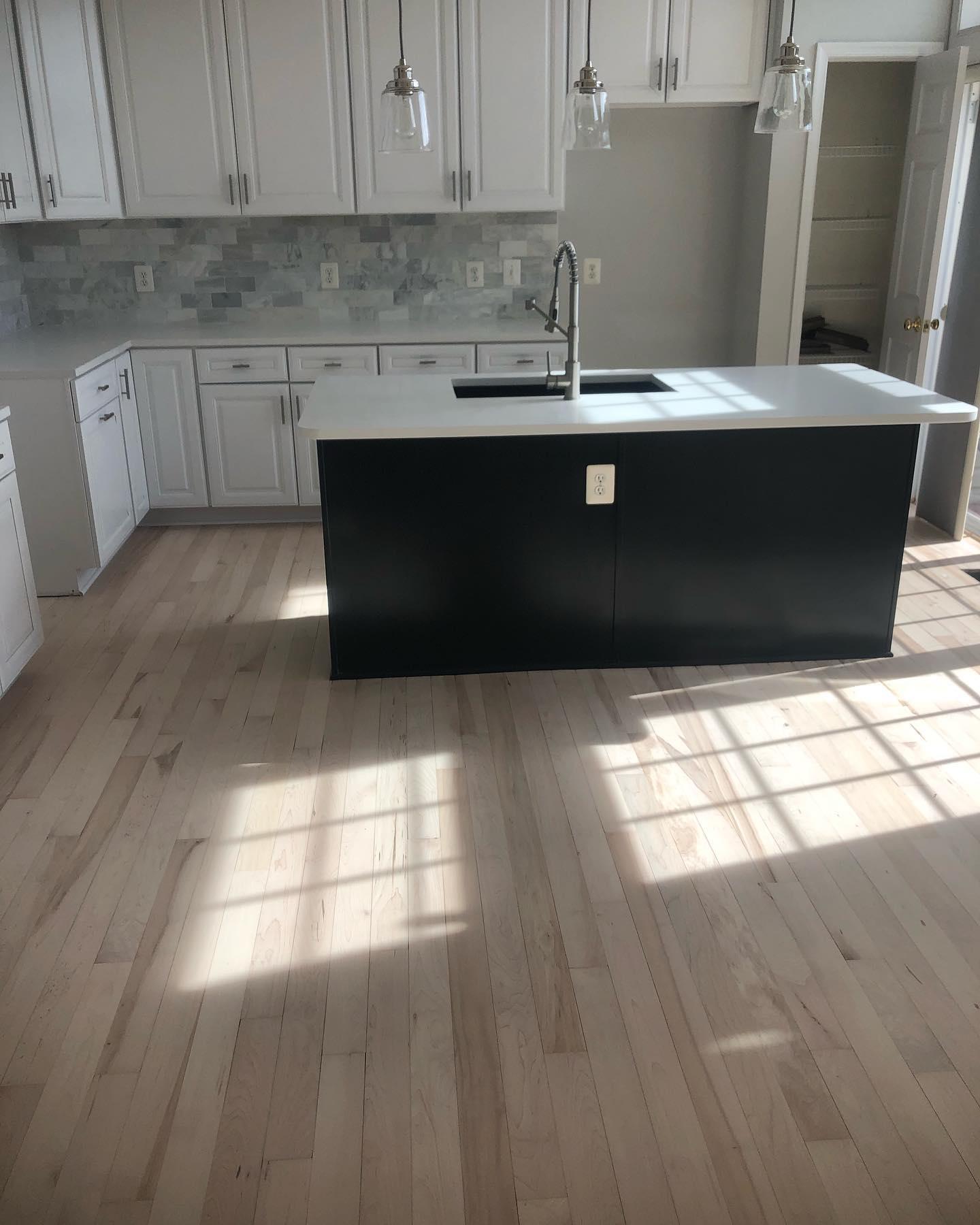
Not all hardwood is created equal when it comes to kitchen duty. Some species handle moisture and abuse much better than others.
Hardwood Species That Can Take a Beating
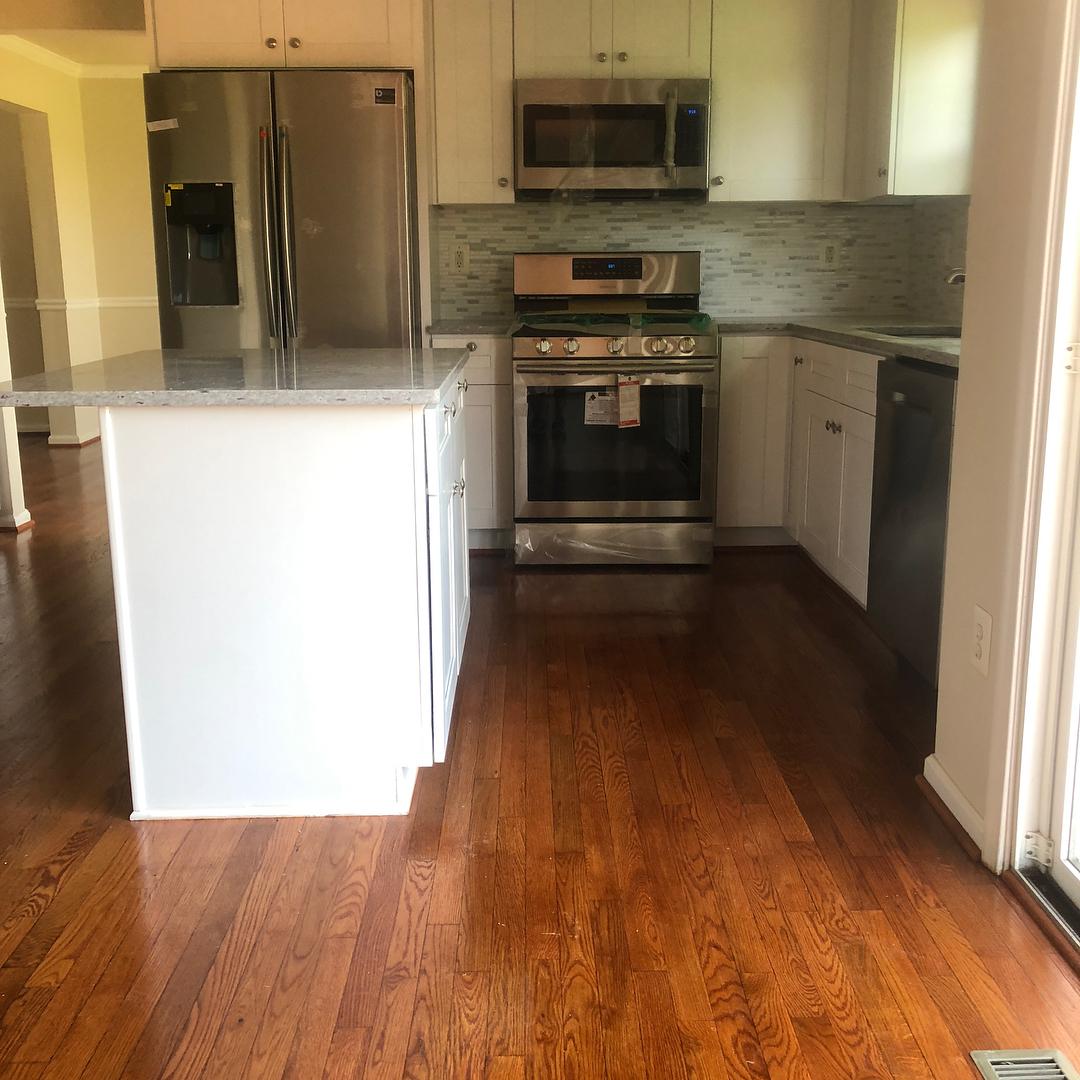
If you’re set on real hardwood, go with the hardest species available. White oak tops the list for kitchen applications. It has a tight grain structure that resists water penetration better than most other options. Red oak is slightly softer but still performs well.
Hickory is another fantastic choice. It’s one of the hardest domestic woods you can buy, which means better dent resistance when you drop that cast iron skillet.
Maple offers a clean, modern look and good hardness ratings. It’s a solid middle ground between durability and aesthetics.
Stay away from softer woods like pine, fir, or even cherry in high-traffic kitchen areas. They’ll show wear patterns within the first year.
Engineered Wood: The Smart Compromise
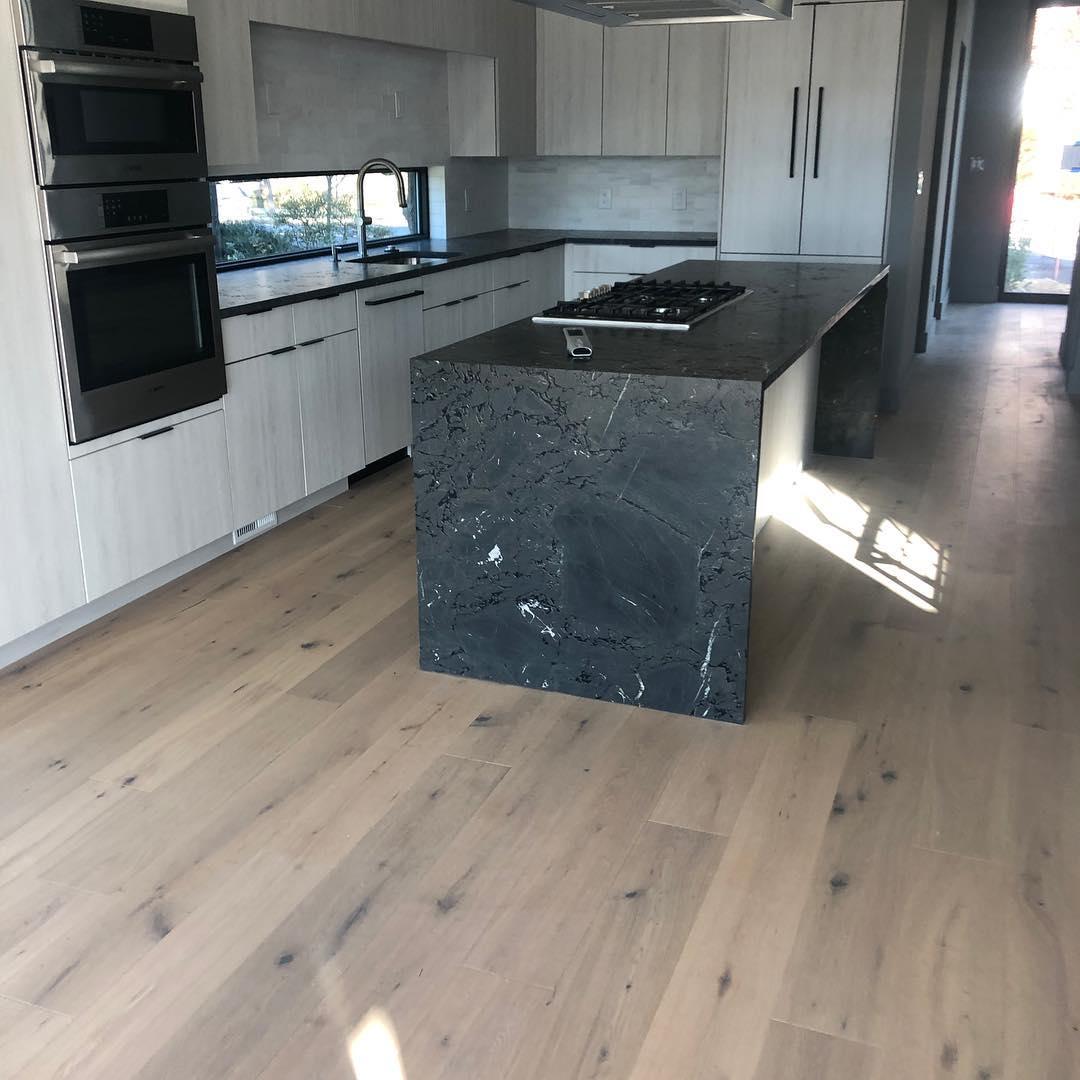
Here’s where things get interesting. Engineered hardwood often outperforms solid hardwood in kitchens, and most people can’t tell the difference once it’s installed.
Engineered wood has a real hardwood veneer on top (so it looks identical to solid wood) but uses a plywood base that’s more stable in humid conditions. This construction method makes it less likely to expand, contract, warp, or cup when exposed to moisture.
For a kitchen floor remodel MD, engineered hardwood gives you that authentic wood look with better performance. You can even refinish quality engineered floors one or two times, depending on the thickness of the veneer.
Many of our Maryland clients choose engineered wood for their kitchens and are thrilled with the results five or ten years later.
Finish Matters More Than You Think
The protective finish on your hardwood is your first line of defense against water damage. Skip the traditional oil-based polyurethane in kitchens. It looks beautiful but doesn’t offer enough protection for this high-risk area.
Water-based polyurethane with aluminum oxide is much better. It creates a harder, more water-resistant surface. Some manufacturers now offer ceramic-infused finishes that provide even better protection.
Site-finished floors (where the finish is applied after installation) typically offer better water resistance than pre-finished floors because the finish seals the edges and gaps between boards.
Hardwood vs Tile Kitchen: Making the Right Choice
Let’s address the elephant in the room. Tile is objectively more water-resistant than any wood product. So when does it make sense to choose one over the other?
When Tile Makes More Sense
If you’re constantly dealing with spills and don’t want to stress about cleanup, tile is your friend. Families with young kids who haven’t mastered the art of not spilling everything might want to wait on kitchen hardwood.
Tile also wins if you have a history of appliance leaks. If your dishwasher or refrigerator has leaked before, that’s a red flag. Fix the underlying problem before installing hardwood anywhere near those appliances.
For homes with pets who splash water everywhere when they drink or track in mud regularly, tile in the kitchen keeps stress levels down.
When Hardwood Is Worth It
If you’re meticulous about cleanup and catch spills quickly, hardwood becomes much more feasible. Many Maryland homeowners successfully maintain beautiful hardwood kitchens for decades.
For open-concept homes where the kitchen flows into living and dining areas, the visual benefit of continuous hardwood flooring is huge. Breaking up the space with different flooring materials can make your home feel choppy and smaller.
Hardwood also feels warmer and more comfortable underfoot. If you spend a lot of time standing in your kitchen cooking, that comfort factor matters.
One client told us: “I was terrified to put hardwood in my kitchen, but after three years, I’m so glad I did. I just keep a towel near the sink and wipe up spills right away. It’s become second nature, and my home looks so much better without that transition to tile.”
The Hybrid Approach: Best Kitchen Flooring DMV Strategy
You don’t have to make an all-or-nothing decision. Many smart Maryland homeowners use a hybrid approach that gives them the best of both worlds.
Strategic Tile Placement
Install tile in the highest-risk zones (directly in front of the sink and dishwasher) and run hardwood everywhere else. You can create a small tile “mat” area that protects against the most common spill zones while keeping hardwood throughout the rest of the kitchen.
Choose a tile that complements your hardwood color and style. Large-format tiles create a more cohesive look than small mosaics.
Area Rugs and Mats
A high-quality, washable kitchen mat in front of the sink catches most spills before they hit your hardwood. Look for mats specifically designed for kitchen use that won’t trap moisture underneath.
Change and wash these mats regularly. A damp mat sitting on hardwood defeats the entire purpose.
Installation Tips for Kitchen Hardwood Success
Even the best water resistant wood kitchen flooring will fail if it’s installed incorrectly. Maryland’s climate requires some special considerations.
Acclimation Is Critical
Let your hardwood acclimate to your home’s humidity levels for at least three days before installation. In Maryland, this is especially important because our humidity swings from season to season.
Wood expands in humid summer months and contracts in dry winter months. Proper acclimation helps minimize this movement.
Leave Proper Expansion Gaps
Your installer should leave a 3/4-inch gap around the perimeter of the room. This gives the wood space to expand without buckling. These gaps get covered by baseboards, so you won’t see them.
Skipping or skimping on expansion gaps causes buckling and warping, especially in kitchens where humidity levels fluctuate.
Seal All Edges
Make sure your installer seals the edges where your hardwood meets tile, cabinets, or appliances. These transitions are vulnerable spots where water can seep under the flooring.
Maintenance: Keeping Your Kitchen Hardwood Looking Great
Installing hardwood in your kitchen is only half the battle. Proper maintenance determines whether it still looks great in ten years or needs replacement in three.
Daily Habits That Save Your Floor
Wipe up spills immediately. Not in five minutes. Not after you finish cooking. Right away. Keep a towel within arm’s reach of your sink and stove.
Sweep or vacuum daily to remove dirt and grit that acts like sandpaper on your finish. A quick two-minute sweep prevents years of scratched finish.
Use doormats at all entrances to catch dirt before it reaches your hardwood. This is especially important in Maryland, where we track in everything from beach sand to winter salt.
Weekly and Monthly Care
Damp mop (not wet mop) your kitchen floor weekly with a hardwood-specific cleaner. Never use excessive water or let puddles sit while you mop.
Check under and around appliances monthly for signs of leaks. Catching a small leak early prevents major floor damage.
Trim your dog’s nails regularly if you have pets. Long nails scratch hardwood finish faster than almost anything else.
Long-Term Protection
Plan to refinish your kitchen hardwood every 5-7 years, compared to 10-15 years for other rooms. The extra wear in kitchens means more frequent refinishing.
The good news? Refinishing costs much less than replacement, and it makes your floor look brand new again.
Use felt pads under all chair and table legs. Replace these pads every six months because they wear down and become less effective.
Real Maryland Homeowner Experiences
Sarah from Bethesda told us: “We installed white oak throughout our main level, including the kitchen, during our remodel two years ago. I was nervous at first, but it’s held up beautifully. The key is being diligent about spills. It’s just part of our routine now.”
Mike in Silver Spring shared: “We went with engineered hickory in our open-concept space. The kitchen area still looks as good as the day it was installed, and we have three kids who are not gentle. Best decision we made during our renovation.”
Jennifer from Rockville said: “I wish someone had told me to put tile just in front of the sink. We did hardwood everywhere, and that one spot shows wear from water splashes. Everywhere else looks perfect. Next time, I’d do the hybrid approach.”
Cost Considerations for Your Kitchen Floor Remodel MD
Let’s talk numbers because budget matters when planning your project.
Solid hardwood installation in Maryland typically runs $8-15 per square foot, depending on the species and finish you choose. Exotic hardwoods can push that to $20+ per square foot.
Engineered hardwood usually costs $6-12 per square foot installed. The lower price point plus better moisture resistance makes it a smart choice for many kitchen projects.
Quality porcelain tile runs $7-15 per square foot installed, putting it in the same range as hardwood.
The hybrid approach (tile in high-risk zones, hardwood elsewhere) adds complexity but only marginally increases total cost. You’re essentially paying for two different installations in one space.
Don’t cheap out on installation to save money. Poor installation will cost you much more in repairs and early replacement. Always hire experienced installers who know how to handle Maryland’s climate conditions.
Finding the Right Pro for Your Project
Not every flooring contractor has experience with kitchen hardwood installations. You need someone who understands the unique challenges.
Ask potential contractors these questions:
How many kitchen hardwood installations have you completed in the past year? You want someone with regular experience, not someone who does it once in a while.
What species do you recommend for kitchens and why? Their answer tells you if they understand wood properties and moisture resistance.
How do you handle transitions between hardwood and other flooring types? Transitions around islands, appliances, and doorways require skill to look good and function properly.
What finish do you recommend for kitchen applications? If they suggest the same finish they use in bedrooms, keep looking.
Can you provide references from kitchen hardwood projects? Talk to past clients about how their floors have held up over time.
Making Your Decision: Is Hardwood Right for Your Maryland Kitchen?
You’ve got all the information. Now it’s time to make the call based on your specific situation.
Choose hardwood if you want visual continuity in an open floor plan, you’re committed to quick spill cleanup, you’re willing to refinish more frequently, and you prefer the warm, comfortable feel of wood underfoot.
Stick with tile if you have a history of appliance leaks, you have young kids or messy pets, you want truly waterproof flooring, or you prefer lower maintenance requirements.
Consider the hybrid approach if you want hardwood’s look but need protection in high-risk zones, you’re willing to invest a bit more for peace of mind, or you want the best of both materials.
Ready to Start Your Kitchen Floor Project?
Choosing the best kitchen flooring DMV option for your home doesn’t have to be stressful. With the right materials, proper installation, and realistic expectations, hardwood floor in kitchen Maryland can absolutely work.
The key is working with professionals who understand both the benefits and challenges of kitchen hardwood. We’ve helped hundreds of Maryland homeowners create beautiful, durable kitchen floors that stand up to daily life.
If you’re planning a kitchen floor remodel MD and want expert guidance on whether hardwood makes sense for your specific situation, let’s talk. We’ll assess your space, discuss your lifestyle and concerns, and recommend the flooring solution that fits your needs and budget.
Your dream kitchen with gorgeous hardwood floors is possible. You just need the right team to make it happen.
Contact us today for a free consultation and quote. We’ll walk you through all your options and help you make the choice you’ll still love ten years from now.
Frequently Asked Questions
Is hardwood flooring a bad idea for kitchens?
Hardwood in kitchens isn’t inherently bad, but it requires more maintenance than tile or vinyl. If you’re diligent about wiping up spills immediately and choose a hard species like white oak or hickory with a quality finish, hardwood can last for decades in your kitchen. The key is matching the flooring choice to your lifestyle and willingness to maintain it properly.
What type of wood flooring is best for a kitchen?
White oak and hickory are the best solid hardwood choices for kitchens because of their hardness and tight grain structure that resists moisture. Engineered hardwood often performs even better than solid wood in kitchens because its layered construction is more stable in humid conditions. Always pair your wood choice with a water-resistant finish like aluminum oxide polyurethane for maximum protection.
How do I protect hardwood floors from water damage in the kitchen?
Wipe up all spills immediately, use washable mats in front of the sink and dishwasher, check regularly for appliance leaks, and maintain your floor’s protective finish. Refinish your kitchen hardwood every 5-7 years to keep the water-resistant coating intact. Never let standing water sit on hardwood for more than a few minutes, and use only damp (not wet) mops for cleaning.
How much does it cost to install hardwood flooring in a Maryland kitchen?
Hardwood installation in Maryland kitchens typically costs $8-15 per square foot for solid wood and $6-12 per square foot for engineered hardwood, including materials and labor. Your total cost depends on the wood species, finish quality, kitchen size, and installation complexity. Always get quotes from multiple experienced installers and don’t choose based solely on the lowest price, as proper installation is critical for longevity.
Should I choose hardwood or tile for my kitchen floor?
Choose hardwood if you want visual continuity in an open floor plan and are committed to quick spill cleanup. Choose tile if you have frequent spills, appliance leak history, or prefer truly waterproof flooring. Many Maryland homeowners use a hybrid approach, installing tile in high-risk zones near the sink and dishwasher while using hardwood throughout the rest of the kitchen for the best of both worlds.
Ready to get this done in your home?
5.0-star Google rating · 500+ reviews · MHIC #104041 · Licensed & Insured
Get My Free Estimate Call 240-246-4561
Related services: Hardwood Floor RefinishingHardwood Floor RestorationHardwood Floor Staining
Contact Us
Fill out the form below and an AG Construction representative will contact you soon.


Maryland’s Premier Flooring Company
full-service flooring contractor
Whether you own a home or business, we’re your single source for complete flooring installation services! Our comprehensive services include:
- Hardwood staining, sanding, refinishing, restoration, and more!
- Carpet removal and installation
- Vinyl luxury plank replacement and installation
- Vinyl tile and COREtec installation
- And more!