

back to blog

Oak vs. Maple vs. Walnut: How to Choose the Right Hardwood Species for Your Home
Choosing the right hardwood for your home can feel overwhelming, especially with options like oak, maple, and walnut all boasting unique strengths. If you’re looking for the best hardwood species for pets MD or trying to decide between maple vs white oak flooring DMV, this guide will clear up the confusion. From durability to style and custom hardwood species Maryland options, you’ll get the facts you need to pick floors that fit your life and design.
Understanding the Big Three: Oak, Maple, and Walnut
When you walk into a showroom or start browsing flooring options online, three names keep coming up: oak, maple, and walnut. Each brings something different to the table, and knowing what sets them apart helps you make a choice you’ll love for decades.
What Makes Each Species Unique
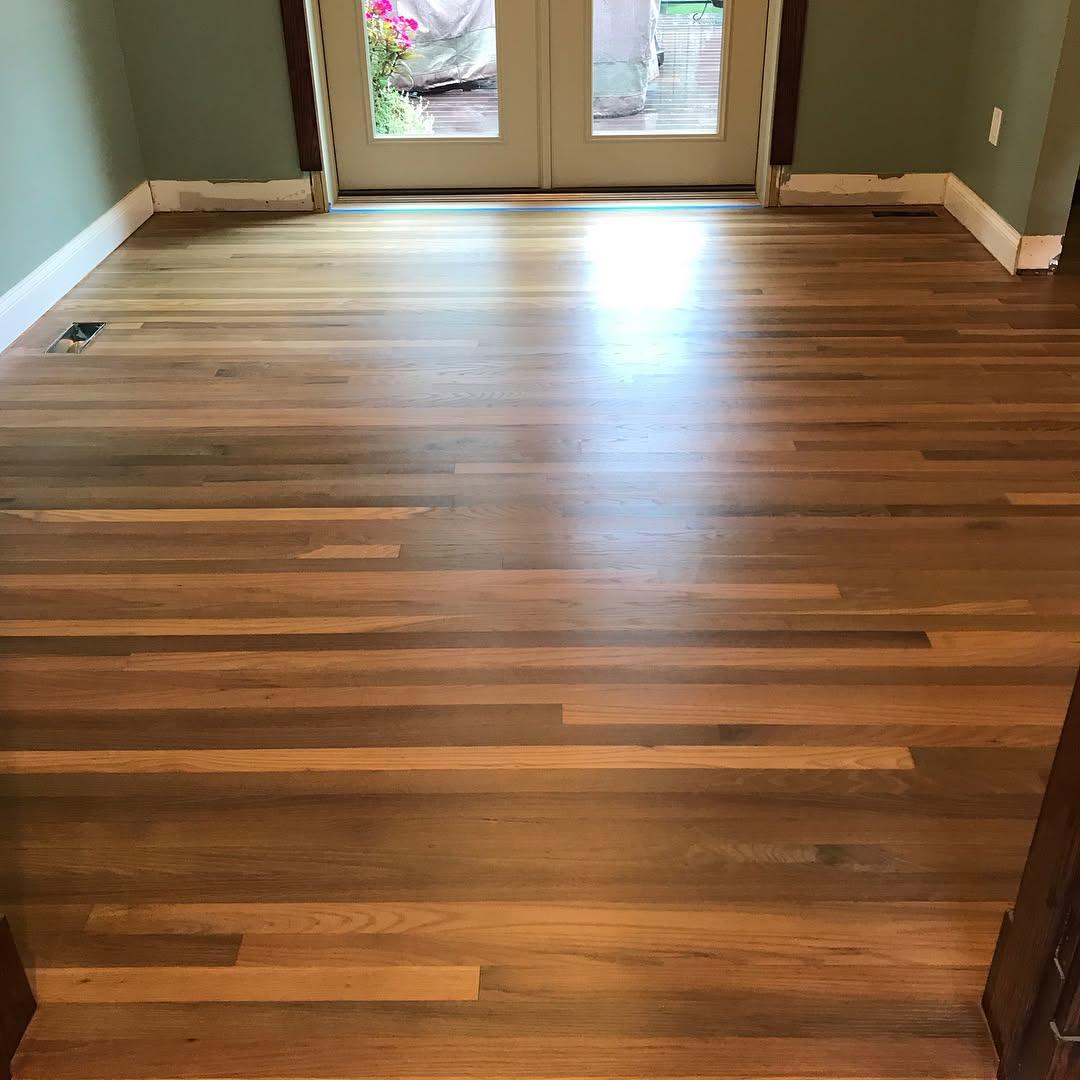
Oak has been the go-to choice for American homes for generations. It’s familiar, reliable, and comes in two main varieties: red oak and white oak. The grain patterns are pronounced and beautiful, giving your floors character and warmth.
Maple offers a cleaner, more contemporary look with tighter grain patterns. It’s naturally light in color, which makes it perfect if you want to keep things bright and airy or if you’re planning to use lighter stain colors.
Walnut stands out as the luxury option. With its rich chocolate browns and stunning natural color variations, American walnut floors Bethesda homeowners install often become the centerpiece of their entire design scheme.
Durability: Which Wood Can Handle Your Lifestyle?
Let’s talk about what really matters when you’re investing in new floors. You need something that can handle real life: kids running around, pets scrambling across the surface, furniture being moved, and all the daily wear that comes with a busy household.
The Janka Hardness Scale Explained
The Janka hardness test measures how much force it takes to dent wood. The higher the number, the harder the wood. Here’s how our three species stack up:
Red oak scores around 1,290 on the Janka scale. White oak comes in a bit harder at 1,360. Maple is tougher still at 1,450. Walnut sits at about 1,010, making it the softest of the three.
If you’re searching for the hardest wood floors for homes, maple takes the crown among these popular choices. But before you rush to pick the hardest option, remember that hardness isn’t the only factor that matters.
Best Hardwood Species for Pets MD: What Pet Owners Need to Know
Pet owners face specific challenges. You’ve got nails clicking across the floor, the occasional accident, and pets who love to run and play. The best hardwood species for pets MD residents choose needs to balance hardness with other practical considerations.
Maple’s extreme hardness makes it resistant to scratches and dents from pet nails. White oak offers excellent durability plus natural water resistance, which helps when accidents happen. The tight grain also means fewer places for dirt and pet hair to hide.
Walnut, while softer, can still work beautifully in pet-friendly homes if you’re willing to embrace a lived-in look. Some homeowners love how walnut develops character over time, with small marks telling the story of their family and furry friends.
“We installed white oak throughout our home three years ago, and with two large dogs, the floors still look amazing. The occasional scratch blends right into the grain.” – Jennifer M., Silver Spring
Comparing Maple vs White Oak Flooring DMV: A Regional Perspective
For those weighing maple vs white oak flooring DMV installation, both species perform beautifully in our climate. The Mid-Atlantic region brings humidity swings, and your floors need to handle these changes without major problems.
How Each Species Handles Humidity
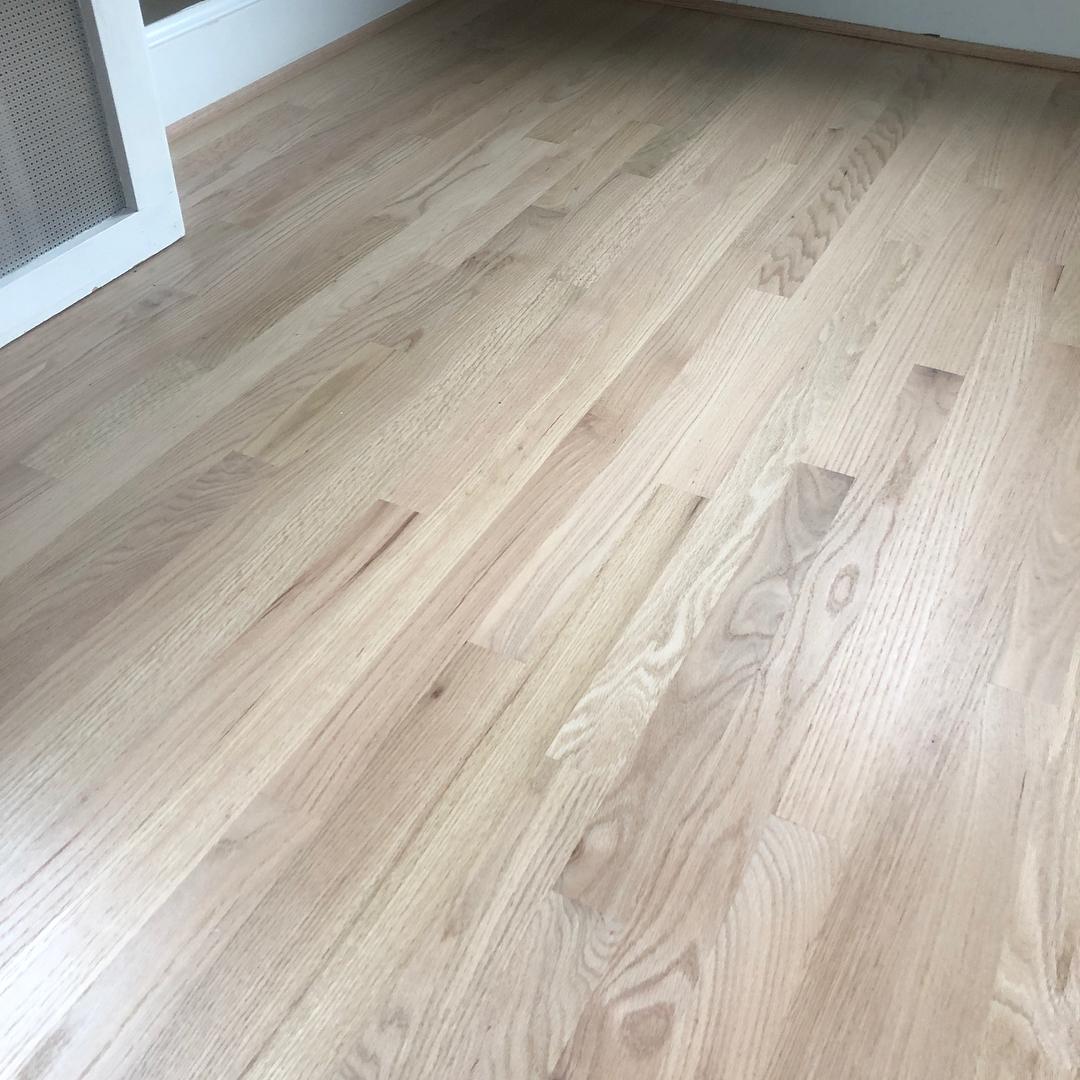
White oak has a closed cell structure, which makes it naturally more stable and moisture-resistant than red oak. This is why white oak has been the traditional choice for boat building and whiskey barrels. In your home, this translates to fewer gaps during dry winter months and better performance in moisture-prone areas.
Maple also handles humidity changes well, though it can be slightly more reactive than white oak. Proper acclimation before installation and maintaining consistent indoor humidity levels keeps maple floors looking great year-round.
Walnut falls somewhere in the middle for stability. It moves with humidity changes but not dramatically. Professional installation with appropriate expansion gaps prevents issues.
Style Considerations for DMV Homes
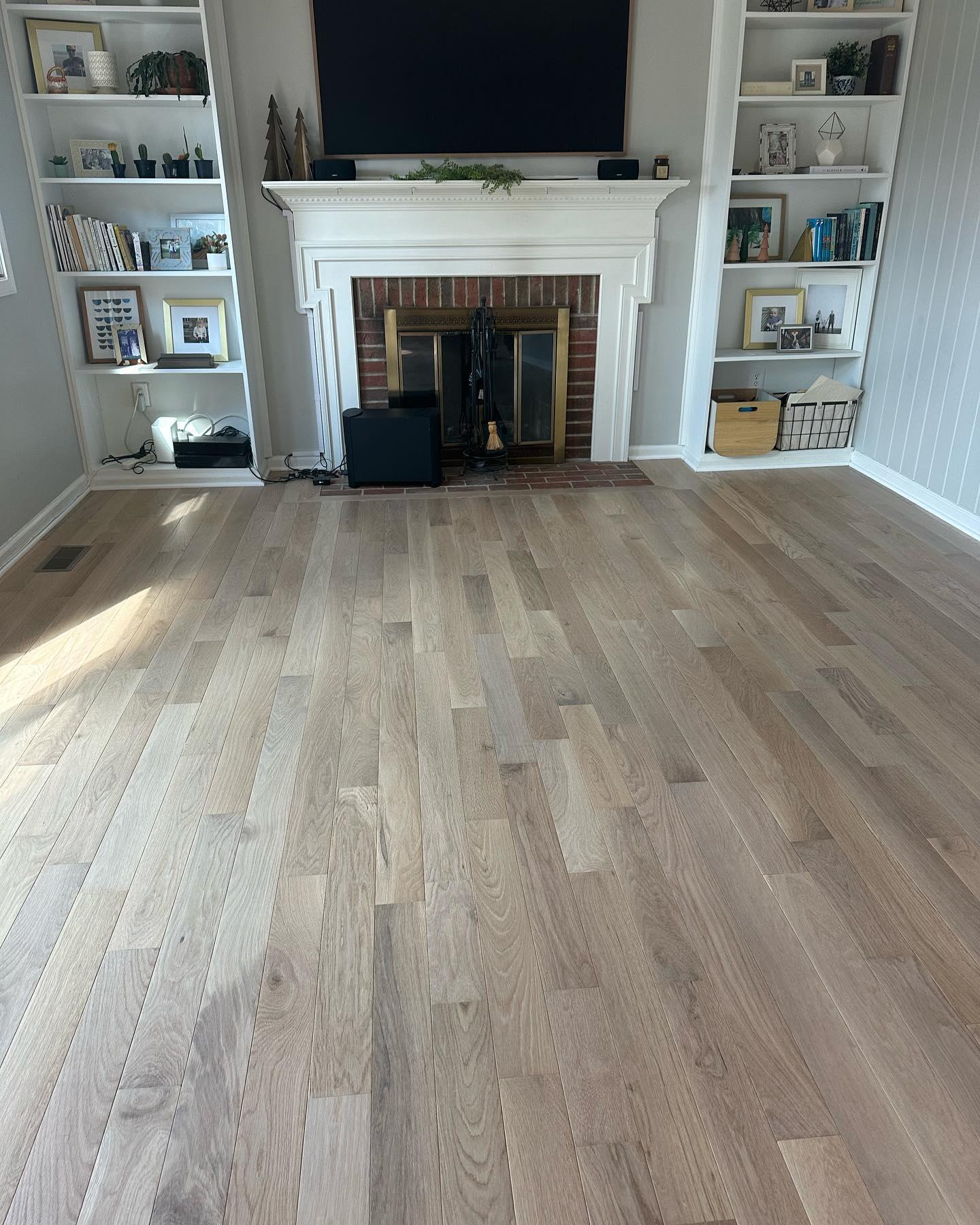
The DMV area features everything from historic colonials to modern townhomes. White oak fits beautifully in traditional settings while also working in contemporary spaces, especially with modern stain colors or a natural finish.
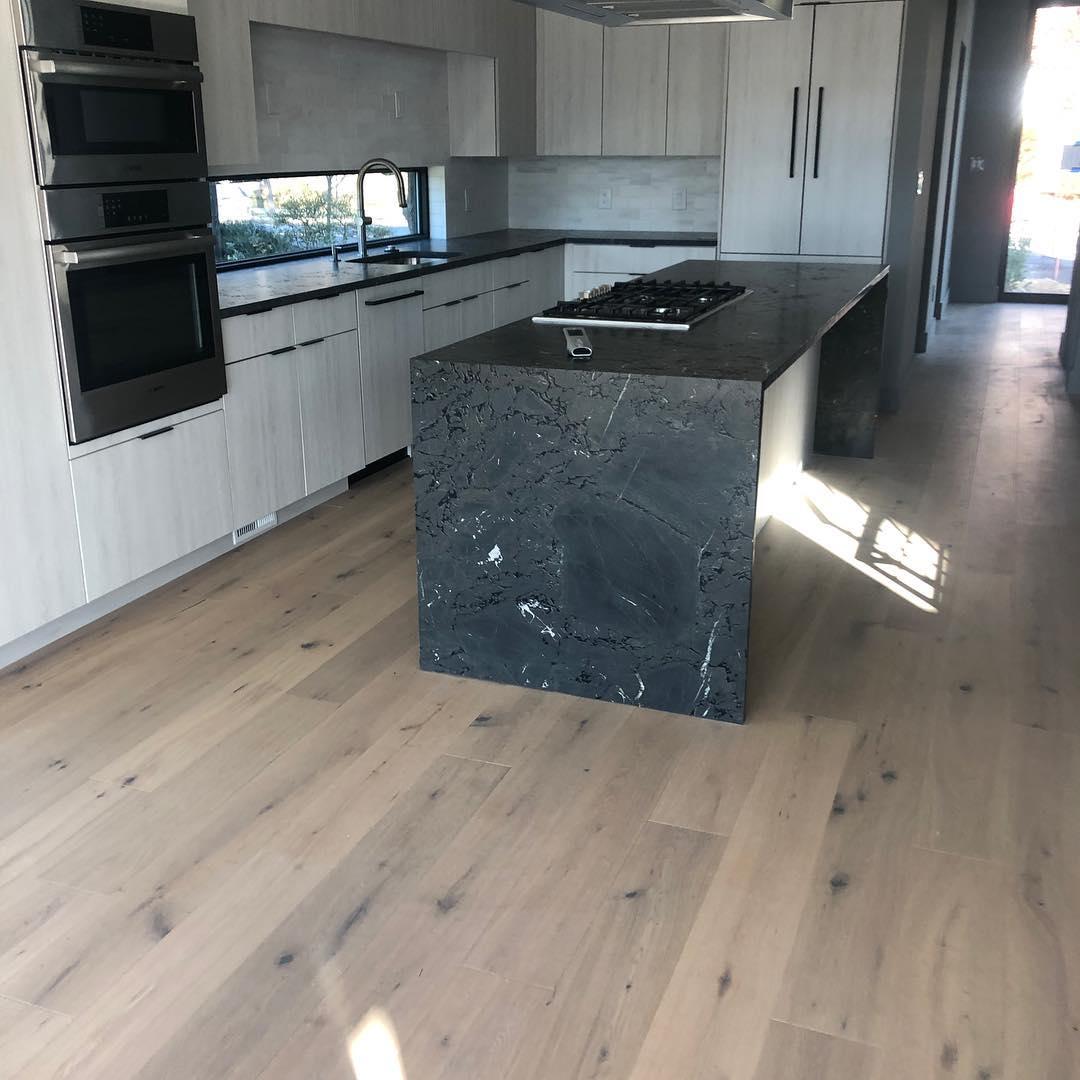
Maple shines in modern and transitional homes. Its clean appearance and light natural color make rooms feel larger and brighter, which is perfect for urban spaces or homes without tons of natural light.
American walnut floors Bethesda designers specify often appear in upscale renovations and new construction. The rich tones add instant sophistication and pair beautifully with both traditional and contemporary furnishings.
Color and Grain: Finding Your Aesthetic
The visual impact of your flooring sets the tone for your entire home. Let’s break down what you can expect from each species.
Natural Color Ranges
Red oak has warm, pinkish undertones in its natural state. White oak leans cooler with gray and taupe notes. Both take stain well, giving you flexibility to go darker or modify the undertone.
Maple starts very light, almost white in some boards, with subtle cream and blonde tones. It can be tricky to stain dark evenly because of its tight grain, but it’s perfect if you want light floors.
Walnut needs no stain to look stunning. The natural color ranges from light tan sapwood to deep chocolate heartwood, often in the same plank. This natural variation creates visual interest and depth.
Grain Patterns and Visual Texture
Oak species show prominent grain patterns with cathedral and linear designs. This grain adds visual movement and helps hide minor scratches and wear over time.
Maple has fine, subtle grain that creates a smooth, uniform appearance. If you prefer a cleaner, less busy look, maple delivers.
Walnut offers straight grain with occasional waves and swirls. The grain is visible but not as pronounced as oak, striking a nice balance between the two extremes.
Custom Hardwood Species Maryland: Beyond the Basic Three
While oak, maple, and walnut dominate the market, working with providers who offer custom hardwood species Maryland installation opens up even more possibilities.
Exploring Alternative Species
Hickory provides extreme hardness (1,820 Janka rating) with dramatic color variation and rustic character. It’s perfect for high-traffic areas or if you want a bold, casual look.
Cherry develops a rich patina over time, deepening from light pink-brown to gorgeous reddish tones. It’s softer than our main three but beloved for its beauty.
Ash offers a look similar to oak but with slightly different grain patterns. It’s a great middle-ground option in terms of hardness and price.
Brazilian species like Brazilian cherry or tigerwood bring exotic looks and extreme hardness, though they come with higher price tags and specific installation requirements.
When Custom Makes Sense
Custom species work well when you’re matching existing floors in a historic home, creating a specific design vision, or need performance characteristics beyond what common species offer.
“We chose hickory for our mudroom and kitchen because we needed something bulletproof with five kids. The custom hardwood species Maryland installer suggested it, and it’s been perfect.” – Robert T., Rockville
Installation and Finishing Considerations
The species you choose affects installation methods and finishing options. Understanding these factors helps you budget accurately and set proper expectations.
Finishing Options by Species
Oak accepts stains beautifully and evenly, giving you nearly unlimited color options. You can go from light natural tones to dark espresso and everything in between.
Maple’s tight grain makes it harder to stain dark evenly. You might see blotchiness with darker stains unless your installer uses a wood conditioner first. Many people keep maple natural or use lighter stains to avoid this issue.
Walnut rarely needs stain. Most homeowners choose a clear finish to protect the wood while showcasing its natural beauty. If you do want to adjust the color, walnut takes stain well.
Prefinished vs Site-Finished
Prefinished floors come with factory-applied finishes that are cured under UV light. They’re ready to walk on immediately after installation and create less dust and odor in your home.
Site-finished floors are sanded and finished after installation. This creates a more uniform look with fewer micro-bevels between boards. You’ll wait a few days before using the space while finishes cure.
All three species are available in both options. Your choice depends on your timeline, budget, and aesthetic preferences.
Cost Comparison: What to Expect
Budget matters, so let’s talk numbers. Prices vary based on grade, width, finish, and supplier, but here are general ranges for the DMV area.
Material Costs
Red oak typically costs less than white oak because it’s more abundant. Expect to pay $5 to $12 per square foot for quality red oak flooring. White oak runs $7 to $15 per square foot.
Maple falls in a similar range to white oak, usually $6 to $14 per square foot depending on grade and width.
Walnut commands premium pricing, often $10 to $20 per square foot or more. The rich color and limited supply compared to oak drive the higher cost.
Installation and Long-Term Value
Professional installation adds $4 to $8 per square foot in most cases. This covers prep work, installation, and finishing for site-finished floors.
All three species add value to your home and last for generations with proper care. The hardest wood floors for homes might seem like the smart investment, but remember that any of these options will outlast many other flooring types.
Think about resale value too. Oak remains the most universally appealing choice. Walnut appeals to luxury buyers. Maple works well for modern design enthusiasts.
Maintenance and Long-Term Care
Your beautiful new floors deserve proper care to keep them looking great for decades. The good news is that all three species are relatively easy to maintain.
Daily and Weekly Care
Sweep or vacuum regularly to remove dirt and grit that can scratch the finish. Use a hardwood floor cleaner and microfiber mop for deeper cleaning. Avoid excessive water on any wood floor.
Place mats at entrances to catch dirt before it reaches your floors. Use felt pads under furniture legs. Trim pet nails regularly to minimize scratches.
Refinishing Potential
One major advantage of solid hardwood is that you can refinish it multiple times over its life. Oak, maple, and walnut can all be sanded and refinished 4 to 7 times depending on the thickness of the wear layer.
Maple’s light color means you can go darker with each refinishing if you want a new look. Oak takes new stain colors easily. Walnut usually gets refinished with clear coats to maintain its natural beauty.
Making Your Decision: Key Questions to Ask Yourself
You’ve got the facts. Now it’s time to think about your specific situation and preferences.
Assess Your Lifestyle Needs
Do you have pets or young children? Maple or white oak might serve you better than walnut. Is your home formal or casual? This affects whether walnut’s luxury or oak’s traditional warmth fits better.
How much natural light does the space get? Maple brightens dark rooms. Walnut adds richness to well-lit spaces. Oak works well in most lighting conditions.
What’s your maintenance tolerance? All three are manageable, but if you stress over every little mark, choose harder species or busier grain patterns that hide wear.
Consider Your Design Vision
Look at your cabinets, trim, and furniture. What undertones do they have? Cool gray tones pair beautifully with white oak. Warm traditional pieces complement red oak. Walnut works with almost anything but really shines with contemporary or mid-century design.
Think about your walls and overall color scheme. Light maple floors give you flexibility to go bold with wall colors. Dark walnut creates drama and works best with lighter walls to avoid a cave-like feeling.
Budget Realistically
Factor in not just material costs but installation, finishing, and any subfloor work needed. Get quotes from multiple installers and ask about their experience with different species.
Remember that spending a bit more on quality materials and professional installation pays off in longevity and satisfaction. Cheap floors that need replacing in 10 years cost more than quality floors that last 50 years.
Working with Flooring Professionals
Choosing and installing hardwood floors is a big project. The right professional partner makes all the difference.
What to Look for in an Installer
Find someone with specific experience in the species you’re considering. Ask to see photos of completed projects with maple vs white oak flooring DMV installations, or American walnut floors Bethesda projects if that’s your choice.
Check references and read reviews. A good installer will walk you through the process, explain your options clearly, and answer questions without making you feel rushed or uninformed.
Verify licensing and insurance. Get everything in writing, including timelines, materials specifications, and warranty information.
Questions to Ask Before You Commit
How long will the project take from start to finish? What’s included in the quote and what might cost extra? How do they handle subfloor issues if discovered during installation?
What’s their preferred finishing method and why? How long before you can move furniture back in? What maintenance products do they recommend?
Ask about their experience with custom hardwood species Maryland installation if you’re considering alternatives to the main three species.
Real Homes, Real Results
Sometimes seeing how others have made these choices helps clarify your own thinking.
Oak Success Stories
“We went with white oak in a matte finish throughout our 1920s colonial. It perfectly bridges the home’s traditional architecture with our more contemporary furniture. Three years in, and we love it more than ever.” – Sarah K., Chevy Chase
Maple Transformations
“Our townhouse felt dark and cramped. Installing natural maple floors made such a difference. The space feels twice as big, and we get compliments every time someone visits.” – Michael and Lisa P., Arlington
Walnut Wow Factors
“We splurged on walnut for our main living areas. It was a stretch budget-wise, but walking into our home every day and seeing those gorgeous floors makes us smile. Totally worth it.” – David R., Bethesda
Your Next Steps
You’re equipped with solid information about oak, maple, and walnut hardwood flooring. You understand the best hardwood species for pets MD homes, how to compare maple vs white oak flooring DMV climate conditions, and what makes American walnut floors Bethesda showrooms feature so special.
Now it’s time to take action. Visit showrooms and see samples in person. Colors and grain patterns look different in photos than in real life. Bring home samples if possible and look at them in your actual space with your lighting.
Get quotes from qualified installers who can show you examples of their work. Ask about the hardest wood floors for homes if durability is your top priority, or inquire about custom hardwood species Maryland options if you’re interested in alternatives.
Trust your instincts. You’ll be living with these floors for years to come. Pick the option that makes you excited about your home, fits your practical needs, and works within your budget.
Ready to start your flooring project? Reach out to local hardwood specialists who can guide you through samples, answer your specific questions, and provide accurate quotes for your space. Your dream floors are closer than you think.
Beautiful, durable hardwood floors are an investment in your home’s comfort, value, and style. Whether you choose classic oak, clean maple, or luxurious walnut, you’re making a choice that will serve you well for decades. Take your time, do your research, and soon you’ll be enjoying stunning new floors that make your house feel even more like home.
Frequently Asked Questions
Which hardwood species is best for homes with pets in Maryland?
White oak and maple are the top choices for pet-friendly homes in Maryland. White oak offers excellent scratch resistance with a Janka rating of 1,360 and natural moisture resistance for accidents. Maple is even harder at 1,450, making it highly resistant to scratches from pet nails. Both species have tighter grain patterns that don’t trap pet hair and dirt as easily as more porous woods.
How does maple compare to white oak for DMV area homes?
Both maple and white oak perform well in the DMV climate and humidity changes. White oak has a closed cell structure that makes it slightly more stable and moisture-resistant, plus it accepts stains more evenly. Maple is harder and more scratch-resistant but can be tricky to stain dark evenly. White oak works in both traditional and modern homes, while maple excels in contemporary spaces with its clean, light appearance.
Is walnut hardwood too soft for high-traffic areas?
Walnut has a Janka rating of 1,010, making it softer than oak and maple, but it’s still durable enough for most residential applications. Many homeowners successfully use walnut in high-traffic areas and appreciate how it develops character over time. If you’re concerned about heavy wear, consider reserving walnut for bedrooms and formal spaces while using harder species in entryways and kitchens.
What’s the typical cost difference between oak, maple, and walnut flooring?
Red oak typically costs $5 to $12 per square foot, white oak runs $7 to $15, and maple falls between $6 to $14 per square foot. Walnut is the premium option at $10 to $20 or more per square foot. These prices reflect materials only; professional installation adds another $4 to $8 per square foot. The exact cost depends on grade, width, finish type, and your specific supplier.
Can I refinish these hardwood species multiple times?
Yes, solid oak, maple, and walnut floors can all be refinished 4 to 7 times over their lifetime, depending on the thickness of the wear layer. This is one of the major advantages of solid hardwood flooring. Oak and walnut refinish easily with predictable results. Maple can be refinished just as many times but requires extra care when applying darker stains to avoid blotchiness.
Ready to get this done in your home?
5.0-star Google rating · 500+ reviews · MHIC #104041 · Licensed & Insured
Get My Free Estimate Call 240-246-4561
Related services: Hardwood Floor RefinishingHardwood Floor RestorationHardwood Floor Staining
Contact Us
Fill out the form below and an AG Construction representative will contact you soon.


Maryland’s Premier Flooring Company
full-service flooring contractor
Whether you own a home or business, we’re your single source for complete flooring installation services! Our comprehensive services include:
- Hardwood staining, sanding, refinishing, restoration, and more!
- Carpet removal and installation
- Vinyl luxury plank replacement and installation
- Vinyl tile and COREtec installation
- And more!