

back to blog

Pre-Finished vs. Site-Finished Hardwood: Which is Best for Your Maryland Remodel?
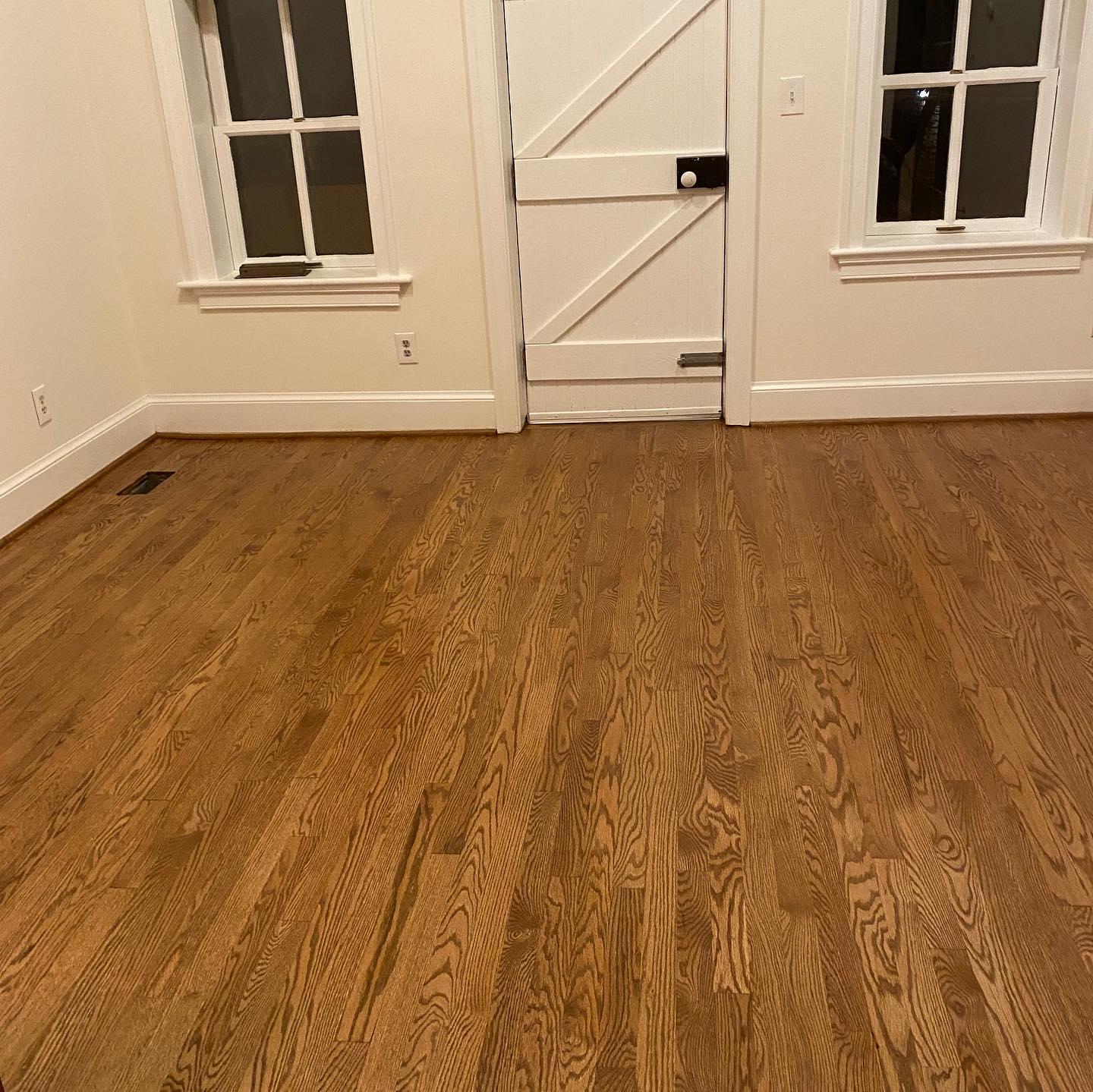
Most homeowners in Bethesda or Potomac rush to choose between prefinished vs unfinished hardwood DMV options without seeing the full picture. That choice can make or break your first-floor remodel’s style and durability. This guide breaks down site finished hardwood floors MD versus factory finish options, so you know when custom site sanding Gaithersburg experts make a difference and which wood flooring suits custom homes best.
Understanding Your Hardwood Options
When you’re planning a major renovation in Potomac or Bethesda, the flooring decision feels overwhelming. You want something beautiful that lasts. The good news? Once you understand the basics of prefinished vs unfinished hardwood DMV choices, the path forward becomes clear.
What Are Prefinished Hardwood Floors?
Prefinished floors arrive at your home already stained and sealed. The manufacturer applies multiple coats of finish in a controlled factory setting. You pick your color from available options, and the planks come ready to install.
These floors offer speed. Your installer lays them down, and you can walk on them almost immediately. No dust from sanding. No fumes from finishing. For busy families in Gaithersburg who need their main floor back in action quickly, this matters.
The factory finish is tough. UV-cured aluminum oxide coatings create a hard surface that resists scratches and wear. Many manufacturers back their products with 25-year warranties.
What Are Unfinished Hardwood Floors?
Unfinished floors come as raw wood. Your flooring team installs the planks, then sands and finishes them on site. This is where site finished hardwood floors MD specialists show their value.
The process takes longer. After installation, professionals sand the entire floor to create a perfectly level surface. They apply stain if you want color, then add multiple coats of polyurethane or oil finish. Each coat needs drying time.
The result? A completely custom floor with no beveled edges between boards. The finish flows across the entire surface as one continuous layer.
The Real Differences That Matter in Your Home
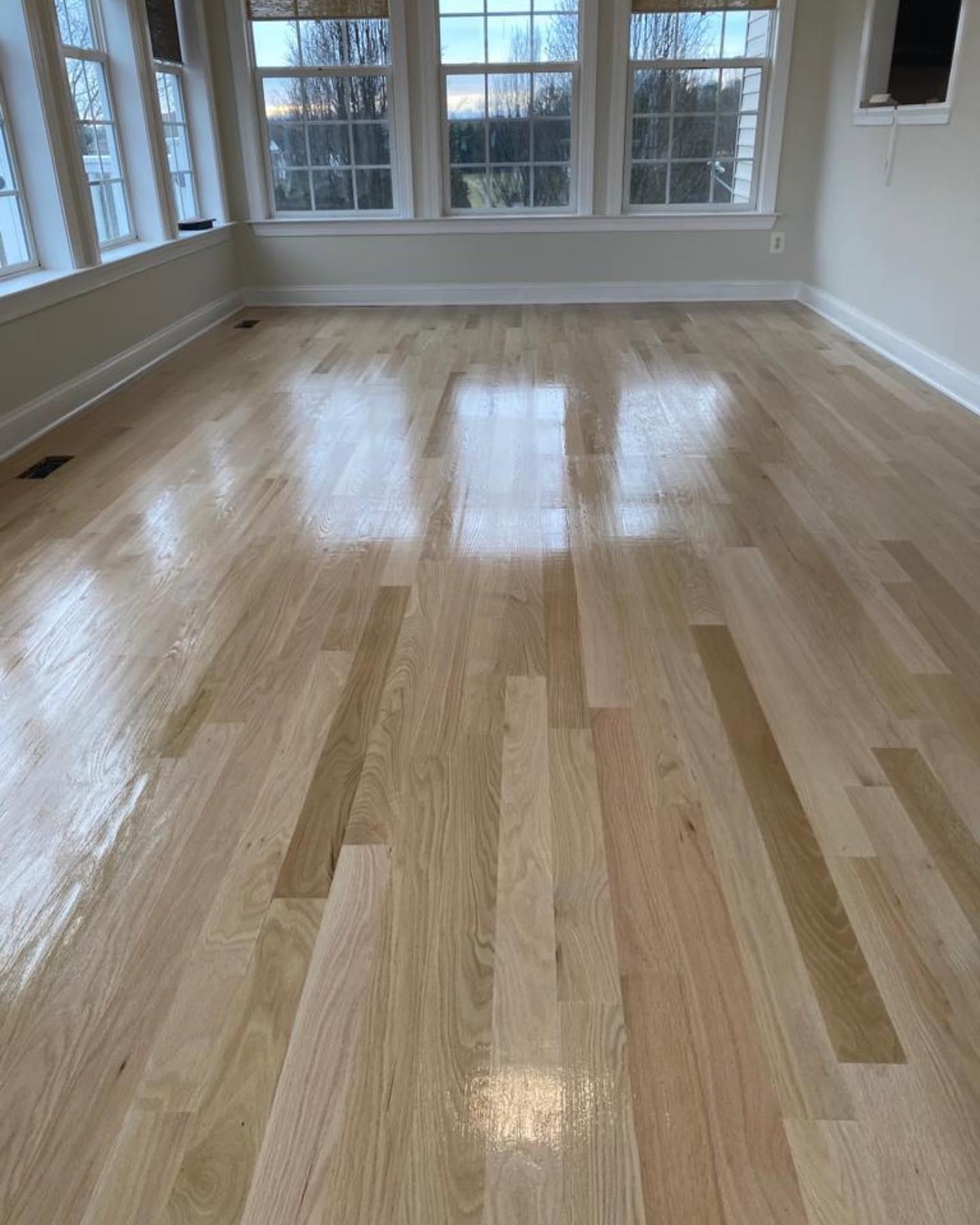
Customization and Design Flexibility
Here’s where unfinished floors shine. When you choose site finished hardwood floors MD services, you control every aspect of the final look.
Want a specific stain color that matches your kitchen cabinets? No problem. Prefer a matte finish instead of glossy? Easy. Thinking about mixing wood species for a custom pattern? Your imagination sets the limits.
One client in Bethesda wanted her white oak floors to match an antique dresser passed down through three generations. We mixed custom stains until the color was perfect. You can’t do that with prefinished options.
The factory finish vs custom stain oak floors debate often comes down to this question: Do you want to pick from existing options or create something unique?
Prefinished floors offer variety, but within boundaries. You might find 20 or 30 color options from a manufacturer. That sounds like plenty until you realize none of them quite match your vision.
Installation Timeline
Speed favors prefinished. A typical 1,500-square-foot main floor installation takes two to three days. Then you’re done. You can move furniture back and resume normal life.
Unfinished floors need more patience. Installation takes the same two to three days. Then add three to five days for custom site sanding Gaithersburg professionals to sand, stain, and apply finish coats. Each polyurethane coat needs 24 hours to dry before the next application.
You’re looking at a week to ten days total. For a major first-floor renovation where you’ve already moved out or are living upstairs, this rarely creates problems. But if you’re trying to minimize disruption, prefinished wins.
Surface Quality and Appearance
Walk across a well-installed unfinished floor after finishing, and you’ll notice something special. The surface is completely flat and smooth. No edges, no height variations between boards. The finish coat covers everything as one unified surface.
Prefinished floors have micro-bevels along each plank edge. These tiny grooves are necessary because the boards come pre-finished. Without them, you’d see every slight height difference between planks.
Some homeowners love the beveled look. It adds definition and hides minor subfloor imperfections. Others prefer the seamless appearance of site-finished floors.
There’s also the question of sheen consistency. Factory finishes are uniform. Every board has the same gloss level. Site-finished floors can show slight variations in sheen, especially if application conditions vary. A skilled finisher minimizes this, but it’s something to know.
Durability and Long-Term Performance
Both options hold up well in high-end homes. The best wood flooring for custom homes depends more on quality than on whether it’s prefinished or site-finished.
Factory finishes are incredibly hard. The UV-curing process creates a surface that stands up to heavy traffic. Manufacturers test their products extensively. You get consistent quality.
Site-applied finishes have improved dramatically. Modern water-based polyurethanes rival factory finishes for hardness. Oil finishes offer a different aesthetic and are easier to spot-repair later.
Here’s a consideration many miss: refinishing. Prefinished floors with their beveled edges can be refinished, but you’ll lose the bevels. After sanding, you have a site-finished floor. Some people love this because it removes the grooves that collect dirt. Others feel it changes the floor’s character.
Unfinished floors that are site-finished can be refinished multiple times with no aesthetic change. Each refinishing restores the original seamless look.
Cost Comparison for DMV Homeowners
Material Costs
Prefinished hardwood typically costs more per square foot for materials. You’re paying for the factory finishing process and quality control. Expect to spend $6 to $15 per square foot for good prefinished oak, maple, or hickory.
Unfinished hardwood runs $4 to $10 per square foot for similar species and grades. The wood itself costs less because someone still needs to finish it.
Labor and Installation Costs
Installation labor for prefinished floors is usually lower. The job goes faster, and there’s less skilled work involved. Budget $3 to $5 per square foot for professional installation in the DMV area.
Site finished hardwood floors MD installation plus finishing runs higher. You need skilled installers and experienced finishers. Total labor often hits $6 to $10 per square foot, including sanding and finishing.
Total Project Cost
For a 1,500-square-foot main floor in Potomac:
Prefinished option: $13,500 to $30,000 (materials and installation)
Unfinished option: $15,000 to $30,000 (materials, installation, and finishing)
The ranges overlap. High-end prefinished exotic species cost more than mid-grade unfinished domestic woods. Custom site sanding Gaithersburg services with specialty stains and finishes add cost but create one-of-a-kind results.
Best Applications for Each Type
When Prefinished Makes Sense
You’re on a tight timeline. Maybe you’re selling your Bethesda home and need beautiful floors installed before listing. Prefinished gets you there fast.
You found a prefinished color and style that perfectly matches your vision. Why pay more for customization you don’t need?
You’re sensitive to odors and dust. The factory finish vs custom stain oak floors decision often comes down to this for families with allergies or chemical sensitivities. Prefinished keeps the fumes and dust at the factory.
You’re doing a smaller project like a single bedroom. The customization benefits of site finishing matter less in small spaces.
When Site-Finished Unfinished Floors Win
You’re creating something special. Custom homes in Potomac and Bethesda deserve custom floors. The best wood flooring for custom homes often means site-finished because it allows complete design control.
You want that seamless, traditional look. Historic home renovations in the DMV often call for site-finished floors to match original craftsmanship.
You’re installing exotic or wide-plank floors. These premium materials deserve custom finishing that brings out their unique character.
You’re matching existing floors. Getting a perfect color match requires custom staining that only site finishing provides.
Your subfloor has minor issues. Site sanding can compensate for small imperfections that might show with prefinished planks.
The Installation Process: What to Expect
Prefinished Installation
Your team starts by preparing the subfloor. It needs to be clean, dry, and level. They install moisture barriers if needed.
The planks go down using the tongue-and-groove system. Installers work carefully to keep boards tight and aligned. They use pneumatic nailers or staples to secure each piece.
Trimming around doorways and obstacles requires precision. The prefinished surface means installers must avoid scratches and dings.
The final step involves installing baseboards and transitions. Then a thorough cleaning, and your floor is ready.
Site-Finished Installation
Subfloor prep is the same. Then installers lay the raw wood planks. They’re less worried about surface scratches because sanding comes next.
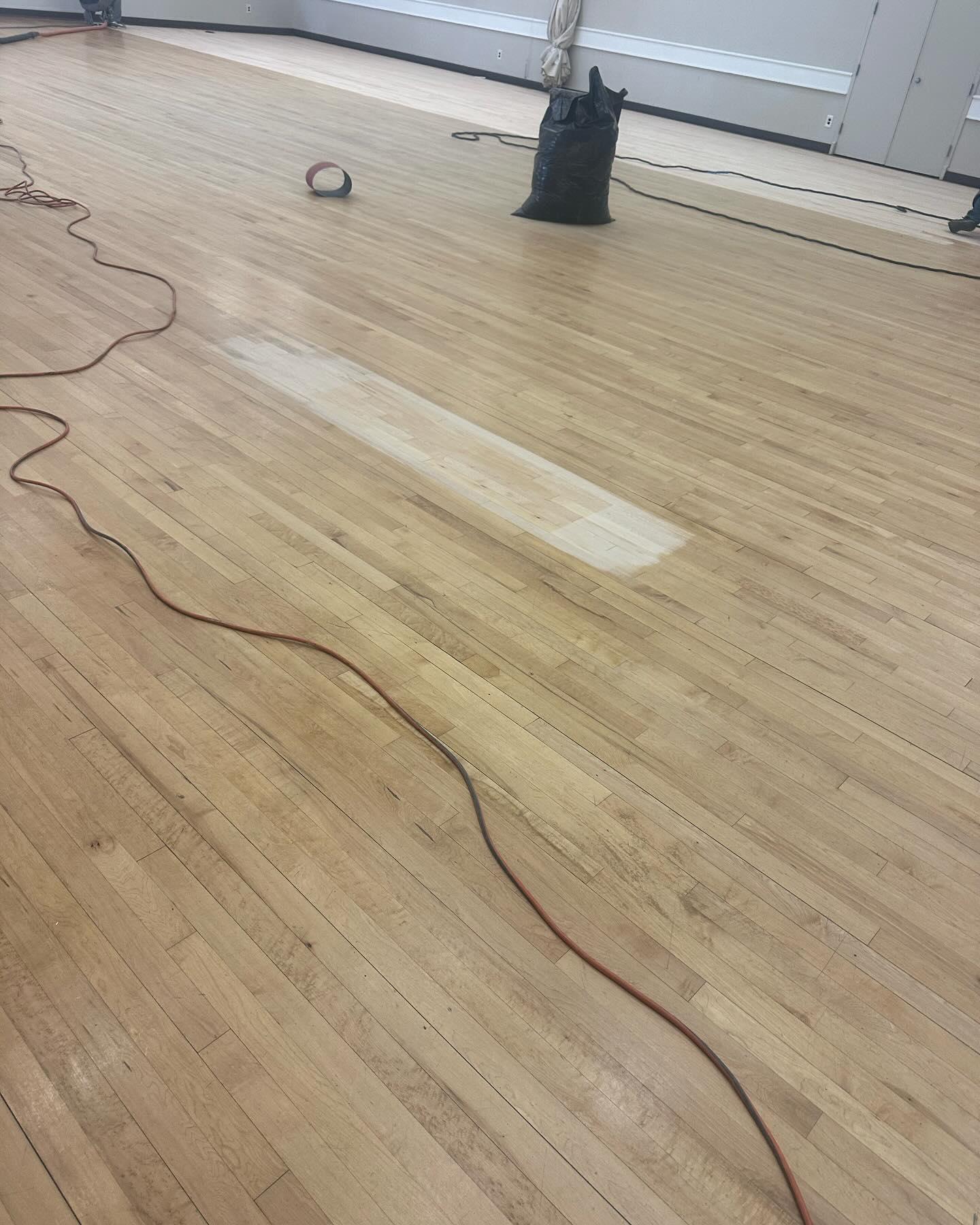
After installation, the sanding crew takes over. They use large drum sanders for the main floor area and edge sanders for perimeters. Multiple passes with progressively finer grits create a smooth surface.
Dust control matters here. Professional custom site sanding Gaithersburg teams use equipment with vacuum attachments, but some fine dust is inevitable. You’ll want to seal off the work area from the rest of your home.
After sanding, the finisher applies stain if you’ve chosen color. This step requires skill. Even application and proper drying prevent blotches and streaks.
Finally, the finish coats go on. Most floors get three or four coats of polyurethane. Each coat needs drying time. Water-based finishes dry faster than oil-based but require more coats.
Maintenance Differences
Caring for Prefinished Floors
Daily maintenance is simple. Sweep or vacuum regularly. Damp mop with hardwood floor cleaner when needed.
The beveled edges can collect dirt and grime over time. A soft brush helps clean these grooves during regular maintenance.
Scratches and wear show differently on prefinished floors. The factory finish is very hard, so it resists scratching better than some site finishes. When scratches do occur, they’re harder to spot-repair because you can’t exactly match the factory finish.
For deep scratches or damaged boards, you might need to replace individual planks. This is easier with prefinished floors than many people think.
Caring for Site-Finished Floors
Daily care is identical. Sweep, vacuum, and damp mop as needed.
The seamless surface makes cleaning easier in some ways. No grooves to trap dirt.
Scratches and wear can often be spot-repaired. A skilled refinisher can sand and recoat small areas to blend with the surrounding floor. This works better with oil finishes than polyurethane.
When the time comes for full refinishing, you simply sand and recoat. The process is the same as the original finishing.
Environmental and Health Considerations
VOCs and Indoor Air Quality
This matters in your home. You breathe this air every day.
Prefinished floors have already off-gassed at the factory. The VOCs from the finish are long gone before the flooring reaches your home. Installation adds no chemical odors.
Site finishing releases VOCs during the staining and coating process. Oil-based polyurethanes are the biggest offenders. The smell is strong, and you shouldn’t occupy the space until it dissipates.
Water-based finishes have lower VOCs. They still smell during application, but the odor fades much faster. Many DMV homeowners choose water-based finishes for this reason.
If anyone in your family has chemical sensitivities, this becomes a key factor in the prefinished vs unfinished hardwood DMV decision.
Sustainability
Both options can be sustainable or not, depending on the wood source.
Look for FSC-certified wood regardless of whether you choose prefinished or unfinished. This ensures responsible forest management.
Prefinished floors waste less finish. Factory application is efficient, with minimal overspray or excess. Site finishing can waste more material, though skilled professionals minimize this.
The longer installation process for site-finished floors means more energy use for lighting, heating, or cooling the workspace.
Locally sourced unfinished hardwood from Maryland or Virginia forests can be the most sustainable choice. You support local forestry and reduce transportation impacts.
Making Your Decision
Questions to Ask Yourself
How important is customization? If you need a specific look that matches other elements in your home, site finishing gives you that control. The factory finish vs custom stain oak floors question often boils down to this.
What’s your timeline? Prefinished saves time if you’re in a hurry.
What’s your budget? The costs overlap, but site finishing usually runs slightly higher for labor.
How sensitive are you to dust and odors? Prefinished avoids these issues.
Are you renovating a custom home? The best wood flooring for custom homes in Potomac or Bethesda often means custom finishing to match the home’s unique character.
Questions to Ask Your Contractor
Any reputable flooring contractor in the DMV area should answer these clearly:
What brands and species do you recommend for my project?
Can I see samples of both prefinished and site-finished floors you’ve installed?
What’s the total timeline for each option in my home?
What finish options do you offer for site-finished floors?
How do you control dust during sanding?
What’s your process for achieving custom colors?
Do you offer warranties on both materials and labor?
Can you provide references from recent projects in Bethesda or Potomac?
Real Stories from DMV Homeowners
The Potomac Kitchen Remodel
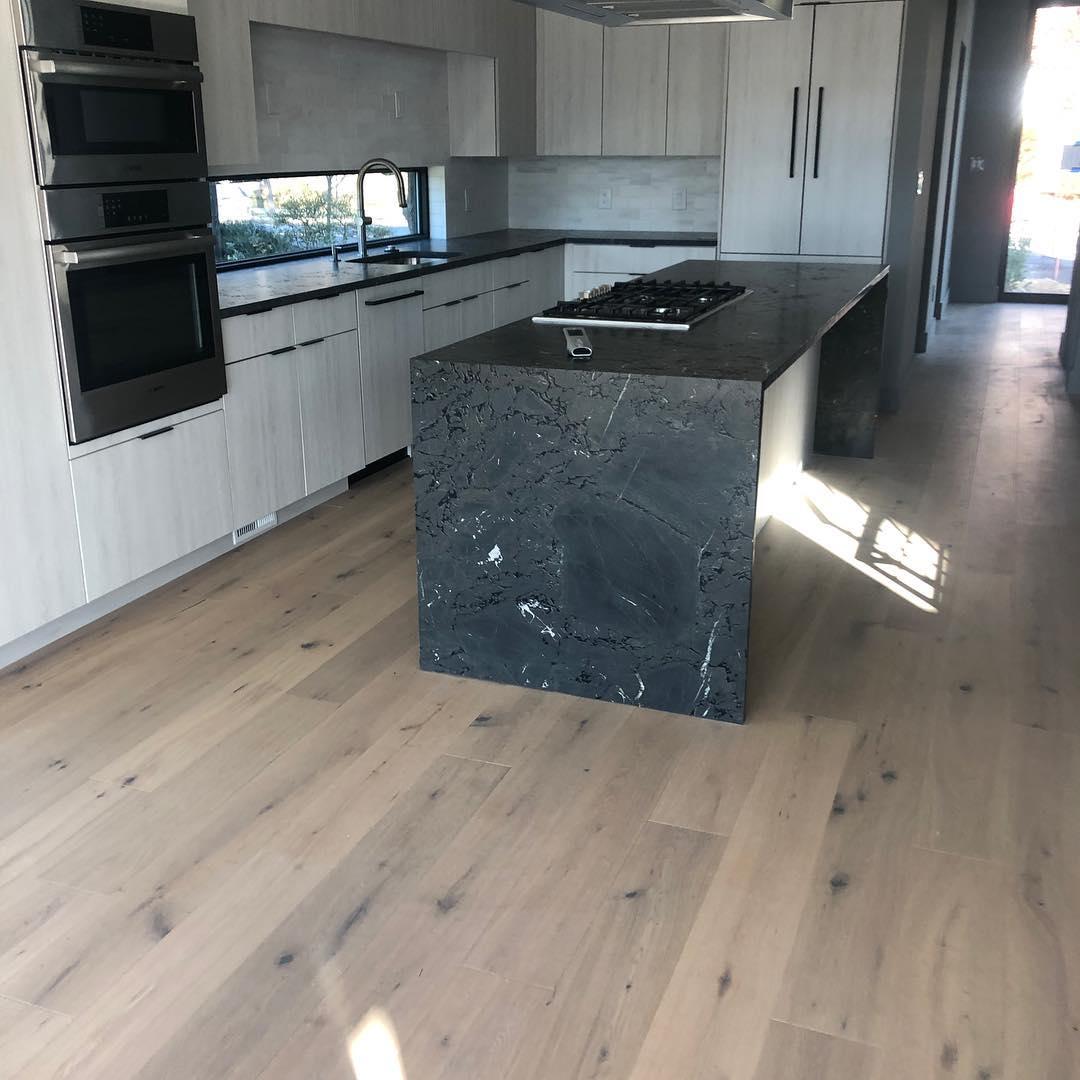
Sarah wanted her new white oak floors to complement her custom cabinetry. She originally looked at prefinished options but couldn’t find the right tone. We installed unfinished white oak and created a custom stain that perfectly bridged her cabinet color and her existing trim.
The site finished hardwood floors MD process took an extra week, but Sarah says it was worth every day. “When I walk into my kitchen, everything flows together. It feels intentional, not like I picked from limited options.”
The Bethesda Historic Home
Michael was restoring a 1920s home. The original floors were damaged beyond repair, but he wanted new floors that honored the home’s character. Prefinished floors with their beveled edges didn’t match the original seamless look.
Custom site sanding Gaithersburg specialists installed unfinished red oak and finished it on site with a traditional oil-based finish. The result looks like it’s been there for 100 years. “People who visit think these are the original floors, just refinished. That’s exactly what I wanted,” Michael says.
The Gaithersburg Quick Sale
Jennifer needed to update her home’s main floor before selling. She had three weeks before photos and listing. Prefinished hickory floors went in over four days. The fast installation meant she could stage the home and list on schedule.
“I would have loved custom colors, but timing mattered more. The prefinished floors look great, and buyers loved them. The house sold in two weeks,” she reports.
Professional Installation Matters
Whether you choose prefinished vs unfinished hardwood DMV options, professional installation is critical. Poor installation ruins even the best materials.
Look for installers with specific experience in high-end homes. The standards in Potomac and Bethesda are higher than in many markets. Your installer should understand this.
Check licenses and insurance. Maryland requires contractors to be licensed. Don’t skip this verification.
Ask about their prep work. Proper subfloor preparation prevents 90% of future problems. A good installer spends significant time on prep before laying the first board.
For site-finished floors, the finishing crew matters as much as the installers. Ask about their experience with custom staining. Look at photos of their work. The difference between an average finisher and a skilled craftsman shows in the final result.
Getting Started with Your Project
You now understand the key differences between prefinished and site-finished hardwood floors. You know when each option makes sense. You’re ready to move forward with your Bethesda, Potomac, or Gaithersburg renovation.
The next step is talking with flooring professionals who can assess your specific project. They’ll look at your subfloor, discuss your design goals, and provide detailed estimates for both options.
Bring photos of your space and any design inspiration you’ve collected. Share your timeline and budget honestly. The right flooring partner will guide you to the best choice for your situation.
Great floors transform your home. They set the foundation for everything else in your design. Whether you choose the speed and convenience of prefinished or the custom beauty of site-finished floors, you’re making an investment that will bring joy for decades.
Your first-floor renovation deserves flooring that matches your vision and lifestyle. Take the time to choose wisely. The perfect floor for your home is waiting.
Frequently Asked Questions
How long does it take to install prefinished vs unfinished hardwood floors?
Prefinished hardwood installation typically takes two to three days for a standard 1,500-square-foot area, and you can walk on it immediately. Unfinished hardwood takes the same time to install but requires an additional three to five days for sanding, staining, and finishing. Total project time for site-finished floors runs seven to ten days from start to finish.
Can I get custom colors with prefinished hardwood floors?
Prefinished floors limit you to the manufacturer’s available stain colors, usually 20 to 30 options depending on the brand. If you need a specific custom color to match existing cabinetry or trim, site-finished floors are your only option. Custom site sanding Gaithersburg specialists can mix stains to achieve any color you envision.
Which type of hardwood floor is more durable in high-traffic areas?
Both prefinished and site-finished floors offer excellent durability when quality materials and proper installation are used. Factory finishes typically feature UV-cured aluminum oxide coatings that are extremely scratch-resistant. Modern site-applied finishes, especially water-based polyurethanes, provide comparable durability. The difference in real-world performance is minimal in properly maintained homes.
Do prefinished hardwood floors cost more than unfinished?
Material costs for prefinished hardwood run higher, typically $6 to $15 per square foot compared to $4 to $10 for unfinished. Installation labor for prefinished is lower at $3 to $5 per square foot versus $6 to $10 for site finishing. Total project costs often end up similar, ranging from $15,000 to $30,000 for a 1,500-square-foot floor, depending on wood species and finish quality.
What are the main advantages of site finished hardwood floors in Maryland?
Site finished hardwood floors MD offer complete customization of stain color and sheen level, a seamless surface with no beveled edges between boards, and the ability to perfectly match existing floors or design elements. They also allow for easier spot repairs and refinishing in the future. The best wood flooring for custom homes in areas like Potomac and Bethesda is often site-finished because it creates a truly unique result.
Ready to get this done in your home?
5.0-star Google rating · 500+ reviews · MHIC #104041 · Licensed & Insured
Get My Free Estimate Call 240-246-4561
Related services: Hardwood Floor RefinishingHardwood Floor RestorationHardwood Floor Staining
Contact Us
Fill out the form below and an AG Construction representative will contact you soon.


Maryland’s Premier Flooring Company
full-service flooring contractor
Whether you own a home or business, we’re your single source for complete flooring installation services! Our comprehensive services include:
- Hardwood staining, sanding, refinishing, restoration, and more!
- Carpet removal and installation
- Vinyl luxury plank replacement and installation
- Vinyl tile and COREtec installation
- And more!