

back to blog

How to Protect Your Hardwood Floors from Dog Claws, Furniture Scratches, and Winter Salt
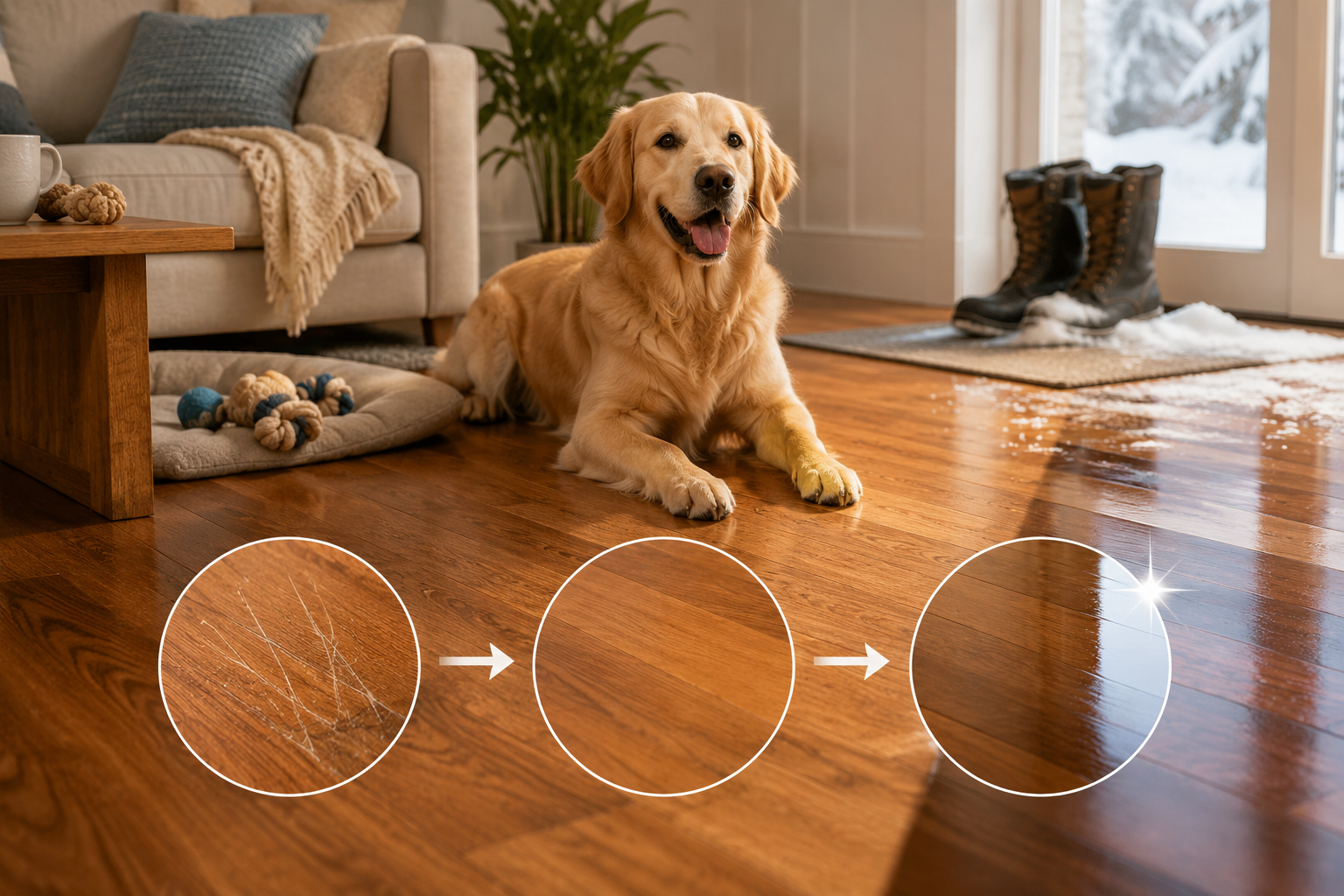
Scratches from dog claws and furniture can quickly turn your beautiful hardwood floors into a worn-out mess. If you want to protect hardwood floors from dogs and everyday wear, choosing the right finish makes all the difference. This guide will walk you through hardwood floor maintenance tips and reveal the best finish for hardwood floors with pets, plus how to handle winter floor care hardwood owners often overlook.
Understanding Why Pet-Friendly Floor Finishes Matter
Your hardwood floors represent a significant investment in your home. When you share that space with furry family members, protecting that investment becomes even more important. Dogs bring joy, companionship, and yes, a few extra challenges for your flooring.
The good news? You don’t have to choose between having pets and having beautiful floors. With the right finish and some smart hardwood floor maintenance tips, you can enjoy both.
The Real Cost of Scratched Floors
Many homeowners don’t realize how quickly floor damage can add up. What starts as a few light scratches can turn into deep gouges that require extensive repair. A full floor sanding and refinishing project in Maryland runs about $3,195 for a typical 1,000 square foot main level under our package pricing, with single rooms starting at $995.
Compare that to preventive measures and the occasional screen and recoat wood floors MD service at $1 to $2 per square foot, and the choice becomes clear. Prevention saves you thousands.
The Best Finish for Hardwood Floors with Pets
Not all floor finishes are created equal, especially when it comes to standing up to pet traffic. Let’s break down your options so you can make an informed decision.
Oil-Based Polyurethane
Oil-based polyurethane has been the traditional choice for decades. It creates a warm, amber glow that many homeowners love. This finish penetrates deep into the wood and offers good scratch resistance.
Pros:
Creates a beautiful, rich appearance
Provides solid protection against scratches
Lasts 10+ years with proper care
Cons:
Takes longer to dry (24-48 hours between coats)
Strong odor during application
Yellows over time, especially in areas without direct sunlight
For families with pets, oil-based polyurethane offers decent protection but isn’t your best option if maximum durability is your priority.
Water-Based Polyurethane
Water-based polyurethane has become increasingly popular, and for good reason. This is often the best finish for hardwood floors with pets because it combines durability with quick drying times.
Pros:
Dries quickly (2-3 hours between coats)
Low odor and low VOCs
Won’t yellow over time
Excellent scratch resistance
Easy to maintain and recoat
Cons:
Slightly more expensive than oil-based options
May require more coats for optimal protection
Doesn’t create the same warm amber tone as oil-based finishes
When you want to protect hardwood floors from dogs, water-based polyurethane should be at the top of your list. Its superior scratch resistance and ease of maintenance make it perfect for active households.
Aluminum Oxide Finishes
Aluminum oxide finishes represent the premium tier of floor protection. Many pre-finished hardwood floors come with this type of finish already applied at the factory.
Pros:
Extremely durable and scratch-resistant
Can last 25+ years
Excellent for high-traffic areas
Best option for large dog owners
Cons:
More expensive
Difficult to repair (usually requires professional help)
Can’t be easily touched up
If you have large dogs or multiple pets, the extra investment in an aluminum oxide finish pays for itself in longevity and reduced maintenance.
Hardwax Oil
Hardwax oil is gaining popularity among homeowners who prefer a more natural look and feel. This finish penetrates the wood rather than sitting on top like polyurethane.
Pros:
Natural, matte appearance
Easy to spot-repair
Doesn’t peel or flake
Feels warmer underfoot
Cons:
Requires more frequent maintenance
Not as scratch-resistant as polyurethane options
Needs reapplication every 1-2 years
For pet owners, hardwax oil works best if you’re committed to regular maintenance and prefer a natural aesthetic over maximum protection.
How to Prevent Scratches on Wood Floors
Choosing the right finish is just the first step. These practical hardwood floor maintenance tips will help you prevent scratches on wood floors and keep them looking great for years.
Trim Those Nails
This one seems obvious, but it’s worth emphasizing. Keep your dog’s nails trimmed short. Long nails act like tiny chisels, digging into your floor finish with every step.
Most dogs need nail trims every 3-4 weeks. If you hear clicking when your dog walks across the floor, it’s time for a trim. Your local groomer can help if you’re not comfortable doing it yourself.
Strategic Rug Placement
Area rugs are your best friend when you want to protect hardwood floors from dogs. Place them in high-traffic areas where your pets walk most often.
Focus on:
Entryways and exits
In front of food and water bowls
Favorite lounging spots
Hallways and pathways between rooms
Choose rugs with non-slip backing to prevent sliding. Machine-washable rugs make cleanup easier when accidents happen.
Paw Pad Care
Dry, cracked paw pads are rougher on floors than healthy, moisturized ones. Apply a pet-safe paw balm weekly to keep your dog’s feet soft and smooth. This simple step reduces the abrasive effect on your floors.
Furniture Protectors
It’s not just pets that scratch floors. Moving furniture causes significant damage over time. Attach felt pads to the bottom of all furniture legs. Replace these pads every few months as they wear down.
For heavy furniture, consider using furniture coasters or cups that distribute weight more evenly.
Regular Cleaning
Dirt and debris act like sandpaper under paws and feet. Sweep or vacuum daily in pet areas to remove grit before it can scratch your finish.
Use a microfiber dust mop for daily cleaning and a pH-neutral hardwood floor cleaner for weekly mopping. Avoid steam mops and excessive water, which can damage wood floors over time.
Winter Floor Care Hardwood Owners Need to Know
Winter brings special challenges for hardwood floors, especially in Maryland where snow, ice, and road salt are part of life.
The Salt Problem
Road salt and ice melt products track into your home on shoes and paws. These chemicals are highly corrosive and can damage your floor finish, leaving white residue and dull spots.
Create a “boot zone” near all entrances. Place absorbent mats both outside and inside doors. Keep a towel handy to wipe your dog’s paws immediately after walks.
Humidity Control
Winter heating dries out indoor air, which causes hardwood to contract and develop gaps between boards. Maintain indoor humidity between 35% and 55% using a whole-house humidifier or portable units.
Gaps between boards make floors more vulnerable to damage because edges are exposed. Proper humidity levels keep boards tight and protected.
Increased Cleaning Frequency
Winter floor care hardwood maintenance requires more frequent cleaning. The combination of wet conditions, salt, and tracked-in debris means you’ll need to clean high-traffic areas daily rather than weekly.
Keep a spray bottle of hardwood floor cleaner and a microfiber cloth near your entry. Quick spot-cleaning prevents buildup that can damage your finish.
When to Consider Screen and Recoat Wood Floors MD Services
Even with the best finish for hardwood floors with pets and diligent maintenance, your floors will eventually show wear. The good news is that you often don’t need a complete refinishing job.
What Is Screen and Recoat?
Screen and recoat (also called buff and coat) is a maintenance service that refreshes your floor finish without sanding down to bare wood. A professional lightly abrades the existing finish, removes the dust, and applies a fresh coat of polyurethane.
This process takes 1-2 days and costs a fraction of full refinishing. It’s perfect for floors with light scratches, dullness, and minor wear.
Signs You Need Screen and Recoat
Consider this service when you notice:
Dull, worn areas in high-traffic zones
Light surface scratches that haven’t penetrated to the wood
Loss of shine despite regular cleaning
Floors that look tired but aren’t deeply damaged
Most floors benefit from screen and recoat wood floors MD service every 3-5 years, depending on traffic and wear. Pet owners may need it more frequently.
Why Screen and Recoat Beats Full Refinishing
Full refinishing requires sanding away the existing finish and some of the wood itself. You can only do this 3-4 times over a floor’s lifetime before the wood becomes too thin.
Screen and recoat preserves your wood thickness while restoring protection and beauty. It’s faster, less expensive, and extends the time between full refinishing jobs.
Creating a Pet-Friendly Floor Care Routine
Consistency is key when you want to protect hardwood floors from dogs. Build these habits into your weekly routine:
Daily:
Sweep or vacuum high-traffic areas
Wipe paws after outdoor time
Spot-clean any spills or accidents immediately
Weekly:
Damp mop with pH-neutral hardwood cleaner
Check furniture pads and replace if needed
Inspect floors for new scratches or damage
Monthly:
Trim dog nails
Deep clean area rugs
Apply paw balm to dog’s feet
Seasonally:
Check indoor humidity levels and adjust as needed
Inspect floor finish for wear
Deep clean with hardwood floor cleaner
Annually:
Evaluate whether screen and recoat is needed
Review and update your floor protection strategy
Consider professional inspection
Real Stories from Pet-Owning Homeowners
Sarah from Bethesda shares: “We have two large German Shepherds and I was terrified they’d ruin our new hardwood floors. After getting water-based polyurethane and following basic hardwood floor maintenance tips, our floors still look amazing three years later. The key is staying on top of nail trims and using rugs in the right places.”
Mike from Rockville adds: “I waited too long to get screen and recoat wood floors MD service and ended up needing full refinishing. Now I schedule a buff and coat every four years. It’s so much easier and cheaper than what I went through. Don’t make my mistake.”
Making the Right Choice for Your Home
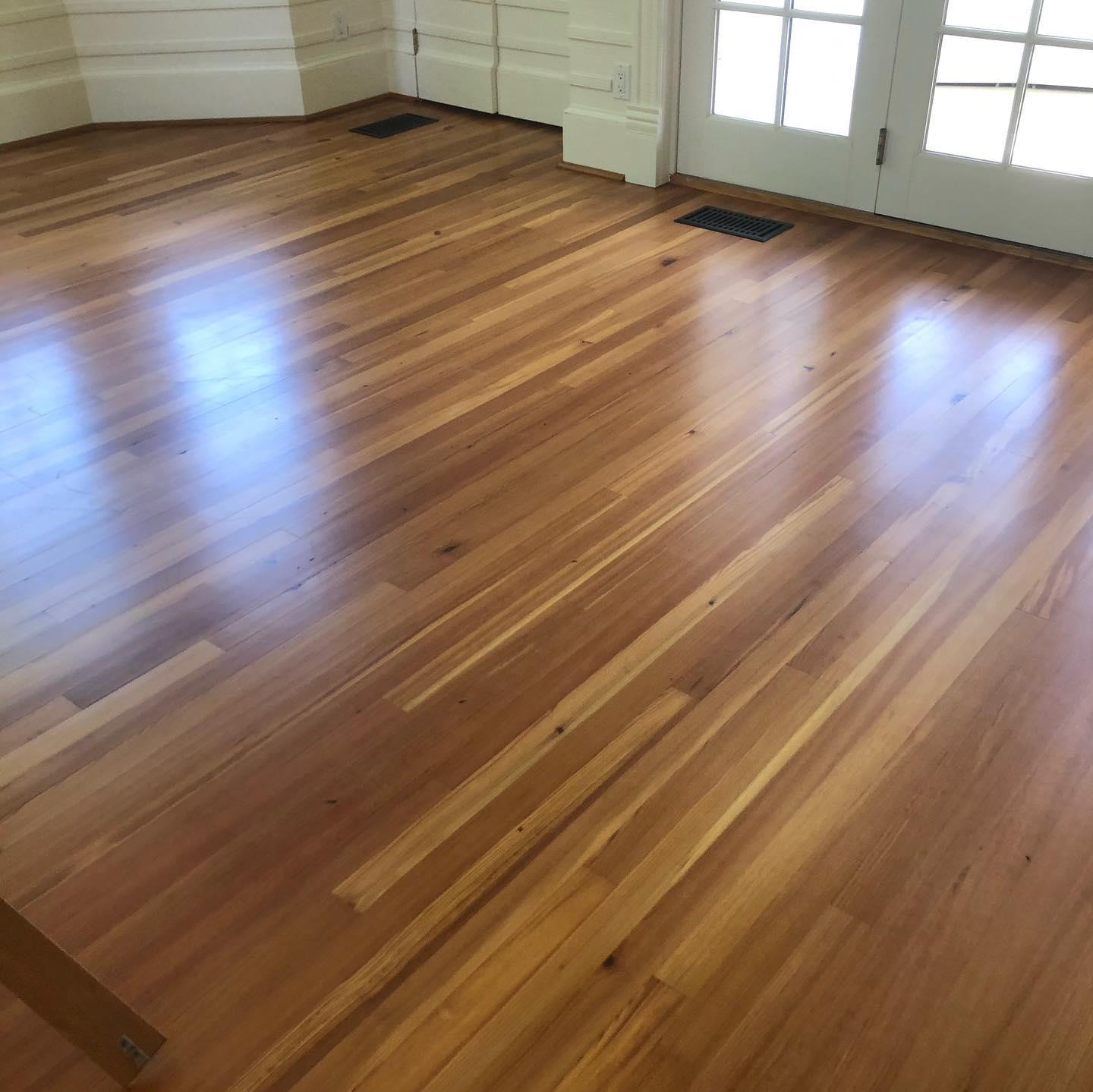
Choosing the best finish for hardwood floors with pets depends on your specific situation. Consider these factors:
For large dog owners: Water-based polyurethane or aluminum oxide finishes offer the best protection. The extra durability is worth the investment.
For small to medium dogs: Water-based polyurethane provides excellent protection at a reasonable price point.
For multiple pets: Go with the most durable option you can afford. Aluminum oxide finishes handle the extra traffic best.
For older dogs with mobility issues: Any quality finish works well since older dogs are typically gentler on floors.
Take Action to Protect Your Investment
Your hardwood floors can coexist beautifully with your four-legged family members. The right finish, combined with smart maintenance habits, keeps your floors looking great for decades.
If your floors are already showing wear, don’t wait until the damage requires expensive full refinishing. A screen and recoat wood floors MD service can restore their beauty and protection for a fraction of the cost.
Ready to give your floors the protection they deserve? Contact a local flooring professional to discuss your options. Ask about water-based polyurethane finishes and screen and recoat services. Your floors (and your wallet) will thank you.
Remember, prevent scratches on wood floors today, and you’ll avoid costly repairs tomorrow. With the right approach to winter floor care hardwood maintenance and daily habits to protect hardwood floors from dogs, you can enjoy beautiful floors and happy pets for years to come.
Start implementing these hardwood floor maintenance tips today. Your floors are counting on you.
Frequently Asked Questions
What is the most scratch-resistant finish for hardwood floors with dogs?
Aluminum oxide finishes offer the highest scratch resistance and can last 25+ years, making them ideal for homes with large dogs or multiple pets. Water-based polyurethane is an excellent second choice that balances durability, cost, and ease of maintenance. Both options significantly outperform oil-based finishes when it comes to standing up to pet traffic.
How often should I trim my dog’s nails to protect my hardwood floors?
Trim your dog’s nails every 3-4 weeks to prevent scratches on wood floors. If you hear clicking sounds when your dog walks across the floor, the nails are too long and need immediate trimming. Regular nail maintenance is one of the simplest and most effective ways to protect hardwood floors from dogs.
Can I fix scratched hardwood floors without full refinishing?
Yes, screen and recoat is a cost-effective option for floors with light surface scratches and wear. This process lightly abrades the existing finish and applies a fresh protective coat, taking only 1-2 days and costing $1-2 per square foot, a fraction of a full refinish (about $3,195 for a typical 1,000 square foot main level). It works best when scratches haven’t penetrated through the finish to the bare wood.
How do I protect my hardwood floors from winter salt damage?
Place absorbent mats both inside and outside all entry doors, and wipe your dog’s paws immediately after winter walks. Keep indoor humidity between 35-55% to prevent boards from contracting, and increase cleaning frequency during winter months to remove salt and debris before they damage your floor finish. A boot zone near entrances helps contain tracked-in materials.
How long does water-based polyurethane last on floors with pets?
Water-based polyurethane typically lasts 10+ years on floors with pets when properly maintained. Pet owners should plan for screen and recoat wood floors MD service every 3-5 years to refresh the protective layer and address minor wear before it becomes serious damage. Regular cleaning and nail trimming extend the life of any finish significantly.
Ready to get this done in your home?
5.0-star Google rating · 500+ reviews · MHIC #104041 · Licensed & Insured
Get My Free Estimate Call 240-246-4561
Related services: Hardwood Floor RefinishingHardwood Floor RestorationHardwood Floor Staining
Contact Us
Fill out the form below and an AG Construction representative will contact you soon.


Maryland’s Premier Flooring Company
full-service flooring contractor
Whether you own a home or business, we’re your single source for complete flooring installation services! Our comprehensive services include:
- Hardwood staining, sanding, refinishing, restoration, and more!
- Carpet removal and installation
- Vinyl luxury plank replacement and installation
- Vinyl tile and COREtec installation
- And more!