

back to blog

Restoring History: How to Preserve Antique Wood Floors in Baltimore and Annapolis
Historic hardwood floors in Maryland hold more than just beauty—they carry stories from generations past. You want to keep your antique wood floors looking authentic without losing their original charm. That’s where expert tips for historic hardwood floor restoration Maryland come in, showing you how to protect and repair floors like Heart of Pine in Annapolis or oak in Baltimore. This guide will help you preserve old wood floors with care, keeping your home’s character alive for years to come.
Understanding What Makes Your Historic Floors Special
Your old hardwood floors aren’t just another surface to walk on. They represent craftsmanship from a time when builders used materials we can barely find today. Heart of Pine, for example, came from old-growth forests that no longer exist. These dense, resinous boards were cut from trees that took hundreds of years to mature, creating wood that’s harder and more beautiful than anything you’ll find at a modern lumber yard.
When you look at your floors, you’re seeing history. Those wear patterns near doorways? They show where families walked for generations. The slight variations in color? That’s natural aging that gives each plank its own personality. Before you think about replacing these treasures, consider that historic hardwood floor restoration Maryland specialists can bring them back to life while keeping their authentic character intact.
Common Problems with Antique Wood Floors
Let’s talk about what you’re probably dealing with. Most historic floors show their age in predictable ways, and the good news is that most problems have solutions.
Surface Wear and Finish Damage
Your floors might look dull or scratched. The old finish has likely worn through in high-traffic areas, leaving the bare wood exposed to dirt and moisture. This is completely normal after decades of use, and it’s one of the easiest issues to fix during restoration.
Gaps Between Boards
Wood moves with changes in humidity, and after a century or so, gaps appear between planks. These gaps are part of the floor’s character, but if they’re wide enough to catch high heels or collect debris, you’ll want to address them. A skilled professional handling antique wood floor repair DC can fill these gaps without making your floor look fake or over-restored.
Cupping and Warping
When boards curl up at the edges or develop waves, it usually means moisture got involved at some point. Maybe a pipe leaked years ago, or perhaps the crawlspace has humidity issues. The wood remembers these events, and the boards show it.
Squeaks and Loose Boards
That creaking sound when you walk across the room? It’s often caused by boards that have loosened from their subfloor over time. Sometimes the original nails have worked themselves free, or the subfloor itself has deteriorated.
Why Heart of Pine Deserves Special Attention
If you own a historic home in Annapolis, there’s a good chance you have Heart of Pine floors. This wood is special, and heart of pine restoration Annapolis requires someone who understands its unique qualities.
Heart of Pine comes from the center of longleaf pine trees, which grew slowly in the southeastern United States. The wood is incredibly dense, with tight grain patterns and a warm, amber color that deepens with age. When you sand Heart of Pine, you’ll notice how hard it is compared to modern pine. This density is a blessing and a challenge. It makes the wood durable, but it also means restoration requires the right techniques and equipment.
The resin content in Heart of Pine gives it natural resistance to rot and insects, which is why these floors have survived so long. When restoring Heart of Pine, you want to preserve that beautiful patina while removing damaged finish. Going too aggressive with sanding can remove the aged character that makes this wood so desirable.
The Right Approach to Preserving Old Wood Floors
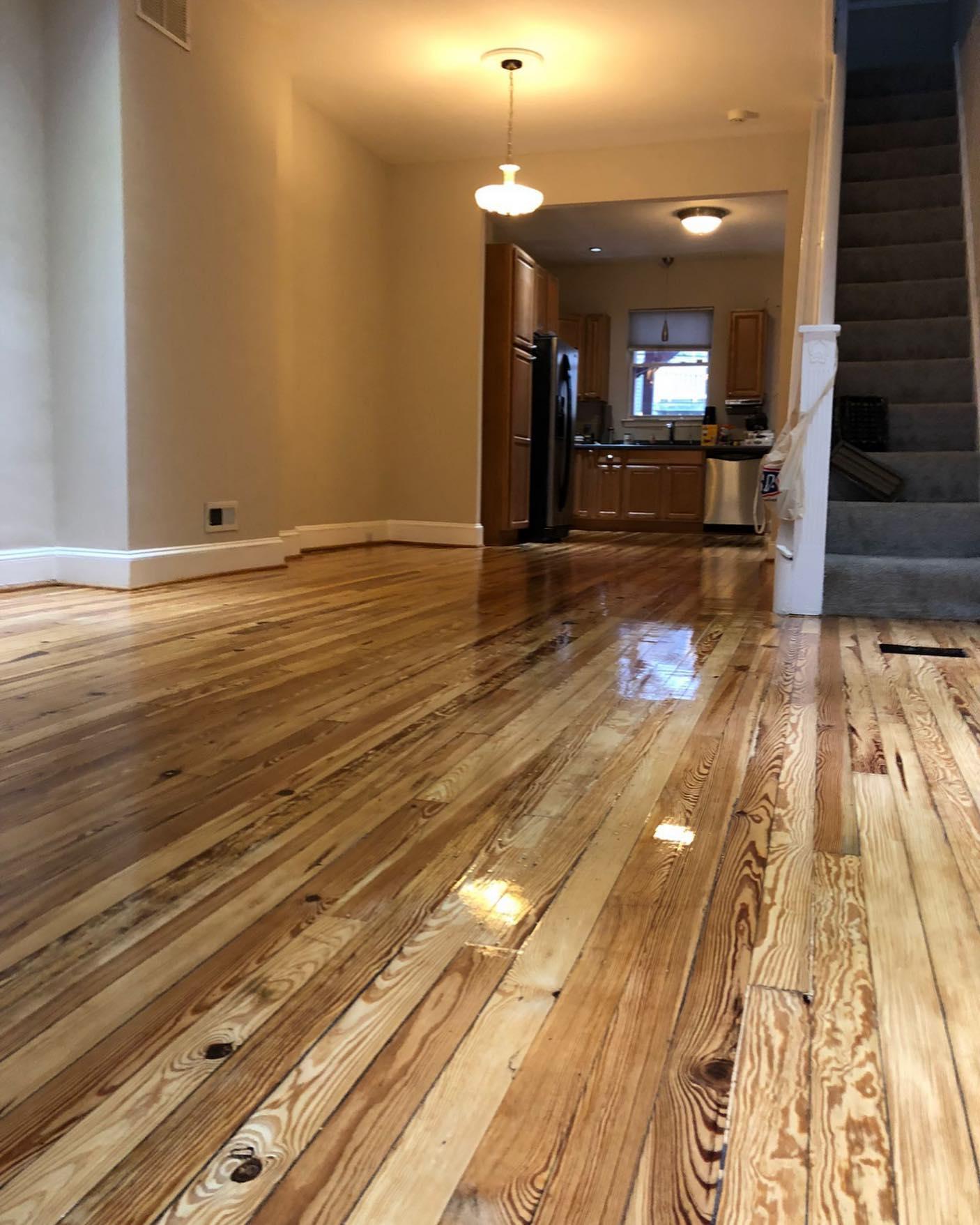
Preserving old wood floors starts with respect for what’s already there. You’re not trying to make a 100-year-old floor look brand new. You’re trying to make it look like a well-maintained 100-year-old floor, and there’s a big difference.
Assessment Comes First
A qualified MHIC licensed floor restorer will start by examining your floors carefully. They’ll check for structural issues, identify the wood species, test the existing finish, and measure moisture levels in the wood. This assessment determines what approach will work best for your specific situation.
They’ll also look at what’s underneath. Historic homes often have interesting subfloor situations that affect restoration options. Sometimes you’ll find original wide-plank subfloors that are almost as nice as the floor on top.
Gentle Cleaning Before Anything Else
Before any sanding happens, proper cleaning removes decades of dirt and grime. Sometimes what looks like dark, damaged wood is just dirty. A thorough cleaning with appropriate products can reveal that the wood underneath is in better shape than you thought.
Minimal Sanding Philosophy
Here’s where preserving old wood floors differs from standard refinishing. You want to remove as little wood as possible. Every time you sand, you remove some of the floor’s thickness, and these old floors have already been sanded multiple times over their lifetime.
A skilled restorer uses fine-grit sandpaper and takes multiple light passes instead of aggressive sanding. They might even hand-scrape certain areas to preserve original tool marks or other historic details. The goal is to create a smooth, clean surface while keeping the floor’s character intact.
Addressing Repairs Thoughtfully
When boards need replacement, matching the wood takes skill. You can’t just grab any old board from a supplier. The replacement needs to match the species, grain pattern, and color of your existing floor. Sometimes this means sourcing reclaimed wood from other old buildings.
For antique wood floor repair DC specialists who work with historic properties, keeping a stock of salvaged materials is part of the job. They might have Heart of Pine pulled from a demolished warehouse or oak flooring from a 1920s school building. These materials blend better with your existing floor than anything new.
Finishing Techniques That Respect History
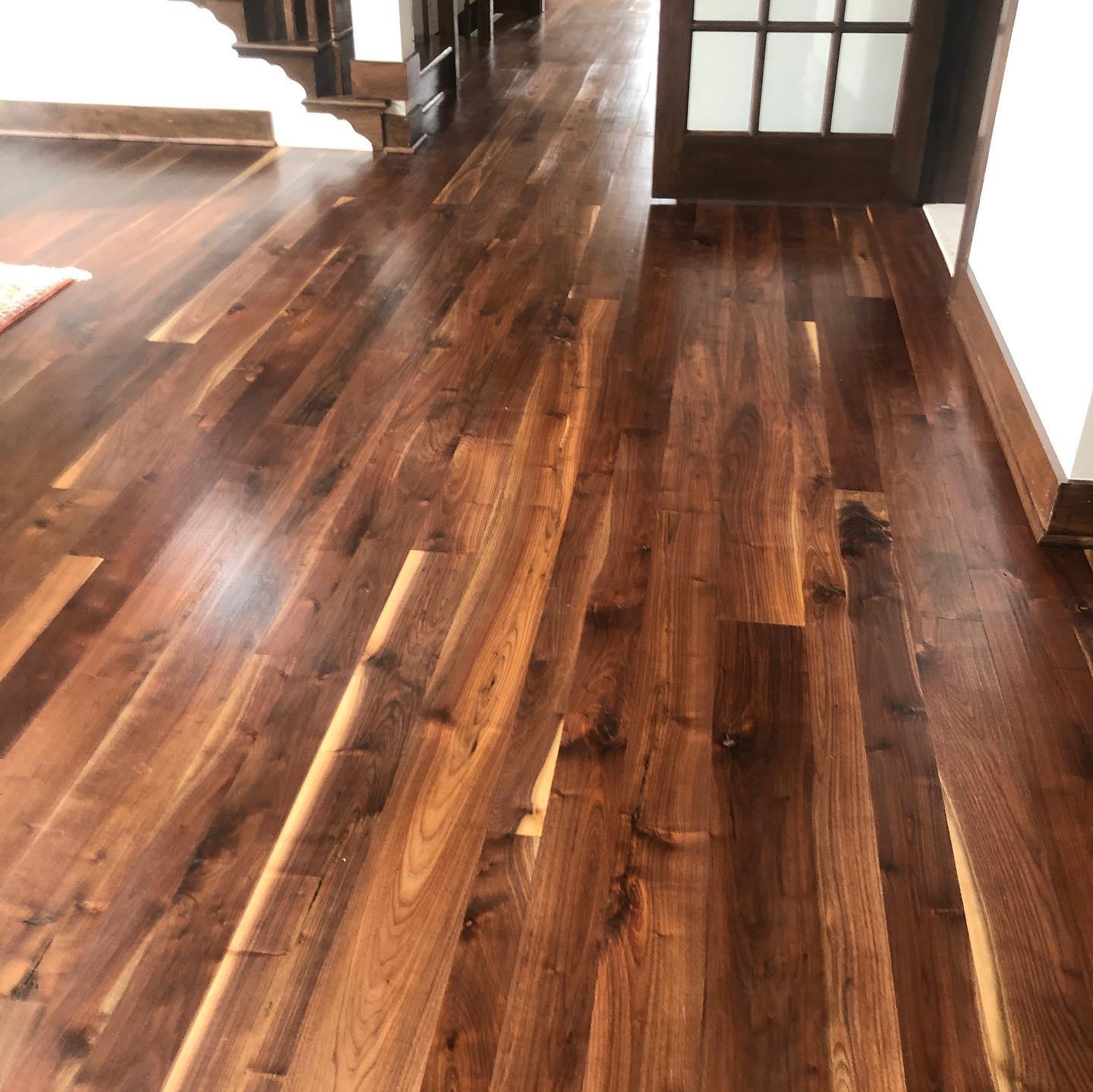
The finish you choose makes a huge difference in how your restored floor looks and feels. Modern polyurethane creates a plastic-like coating that can look out of place on historic floors. While it’s durable, it doesn’t have the warm, natural appearance that suits an old home.
Oil-Based Finishes
Many restoration specialists prefer oil-based finishes for historic floors. These finishes penetrate the wood rather than sitting on top, creating a more natural look. They’re easier to repair too. If you damage one area, you can recoat just that spot without the repair being obvious.
Tung oil and linseed oil have been used for centuries and create beautiful results on old wood. They require more maintenance than polyurethane, but they let the wood breathe and develop that lovely patina over time.
Hardwax Oil Products
These newer products combine traditional oil finishes with hard waxes, giving you some durability while maintaining a natural appearance. They work particularly well on Heart of Pine and other dense woods.
Period-Appropriate Sheens
Forget high-gloss finishes on historic floors. They look wrong and highlight every imperfection. Matte or satin finishes suit old floors better, giving them a soft glow that looks authentic to the period.
Finding the Right Professional for Your Project
Not every flooring contractor knows how to handle historic hardwood floor restoration Maryland projects properly. You need someone who understands old houses and respects their unique qualities.
Look for Specific Experience
Ask potential contractors about their experience with historic homes. Request photos of previous restoration projects, particularly ones involving the same wood species as your floors. A contractor who specializes in new construction might not have the right approach for your 1890s Heart of Pine.
Check Their Licensing
Make sure you hire an MHIC licensed floor restorer. Maryland’s Home Improvement Commission licensing means the contractor has met specific requirements and carries proper insurance. This protects you if something goes wrong during the project.
Ask About Their Process
A good restoration specialist will explain their approach in detail. They should talk about assessment, minimal sanding, appropriate finishes, and how they’ll protect the rest of your home during the work. If someone wants to rush in and start sanding without a thorough evaluation, keep looking.
Get References from Historic Homeowners
Talk to other people who own old homes in Baltimore or Annapolis. Historic preservation groups and neighborhood associations can often recommend contractors who do quality work on antique floors.
DIY vs. Professional Restoration
You might be tempted to restore your floors yourself, and for some simple projects, that can work. But historic floors present challenges that make professional help worth considering.
Renting a drum sander and trying to refinish your 100-year-old Heart of Pine sounds economical until you realize how easy it is to cause permanent damage. Drum sanders are aggressive machines, and in inexperienced hands, they can gouge wood, create waves, or remove too much material. On irreplaceable historic flooring, mistakes are costly.
Professional equipment makes a difference too. Restoration specialists use dustless sanding systems that contain 99% of the dust, keeping your home cleaner during the project. They have multiple types of sanders for different situations, from large drum sanders for open areas to small edge sanders and hand tools for detailed work.
The finishing process also requires experience. Applying oil finishes evenly, knowing how many coats to use, and understanding drying times all affect the final result. Professionals know how to work with the specific characteristics of old wood and can adjust their technique based on what they see.
Maintaining Your Restored Floors
After investing in professional restoration, you want to keep your floors looking great. The good news is that maintaining historic hardwood doesn’t require anything complicated.
Regular Cleaning
Sweep or vacuum regularly to remove dirt and grit that can scratch the finish. Use a slightly damp mop when needed, but never wet-mop old wood floors. Excess water can cause problems even with a good finish.
Protective Measures
Put mats at exterior doors to catch dirt before it reaches your floors. Use furniture pads under chair and table legs. These simple steps prevent most damage.
Humidity Control
Old wood floors do best with stable humidity levels. Use a humidifier in winter when heating systems dry out the air, and run a dehumidifier in summer if needed. Keeping humidity between 35% and 55% helps prevent gaps and warping.
Periodic Recoating
Depending on your finish type and traffic levels, you might need to add a fresh coat of finish every few years. This is much easier than full restoration and keeps your floors protected. Many oil-based finishes can be recoated without sanding, making maintenance simple.
Real Stories from Real Homeowners
Sarah in Federal Hill had Heart of Pine floors that looked beyond saving. Dark stains covered large areas, and gaps between boards were wide enough to lose small items. She almost replaced them until a friend recommended a restoration specialist. After careful work, including custom-mixed wood filler for the gaps and gentle sanding, her floors now show off their original beauty. “I can’t believe these are the same floors,” she says. “They have so much character, and I almost threw them away.”
Tom bought a rowhouse in Annapolis with oak floors that had been covered by carpet for decades. When he pulled up the carpet, he found floors in surprisingly good shape but with an orange shellac finish from the 1960s. A restoration expert removed the old finish, repaired a few damaged boards with reclaimed oak, and applied a natural oil finish. The result looks like the floors might have appeared in 1920 when the house was built.
Making the Decision to Restore
If you’re standing in your historic home looking at tired old floors, you have a choice. You can cover them up, rip them out, or bring them back to life. Restoration isn’t always the easiest option, but it’s often the most rewarding.
Think about what those floors represent. They were installed by craftsmen using materials and techniques that don’t exist anymore. They’ve supported generations of families, witnessed countless daily moments, and survived wars, economic depressions, and changing design trends. That’s worth preserving.
When you choose historic hardwood floor restoration Maryland services, you’re making a statement about what you value. You’re saying that history matters, that quality craftsmanship deserves respect, and that your home’s character is worth protecting.
Taking the Next Step
Ready to restore your historic floors? Start by having them professionally evaluated. A qualified restorer can tell you what’s possible and what it will take to bring your floors back to life. They’ll give you options and help you understand what to expect.
Don’t wait until damage gets worse. Water stains can penetrate deeper over time. Loose boards can cause more problems if they’re not secured. Worn finishes leave wood vulnerable to moisture and dirt. The sooner you address issues, the better your results will be.
Your historic hardwood floors are one of your home’s most valuable features. With the right care and professional expertise, they can look beautiful for another century or more. Whether you have heart of pine restoration Annapolis needs or antique wood floor repair DC requirements, finding a skilled MHIC licensed floor restorer who understands preserving old wood floors makes all the difference.
These floors have already proven they can last. Give them the care they deserve, and they’ll continue to add warmth, character, and value to your home for generations to come. Your investment in restoration pays dividends every time you walk across those beautiful old boards and feel connected to the history beneath your feet.
Frequently Asked Questions
How much of the original wood thickness is lost during historic floor restoration?
A skilled restorer typically removes only 1/32 to 1/16 of an inch during sanding, depending on the floor’s condition. Historic floors have often been refinished multiple times already, so minimal sanding is critical. Professionals use fine-grit paper and multiple light passes to preserve as much original material as possible while creating a smooth surface.
Can Heart of Pine floors be restored if they have deep stains or water damage?
Yes, most Heart of Pine floors can be successfully restored even with significant staining. The wood’s density means damage often stays near the surface. Deep stains may require slightly more aggressive sanding in affected areas, but experienced restorers can usually remove discoloration while preserving the wood’s character and patina.
What’s the difference between refinishing and restoring antique hardwood floors?
Refinishing typically means sanding and applying new finish to any wood floor. Restoration goes further, focusing on preserving historic character through minimal intervention, period-appropriate finishes, careful repairs with matching materials, and techniques that respect the floor’s age. Restoration aims to maintain authenticity rather than making old floors look brand new.
How long does a professionally restored historic floor last before needing attention again?
With proper maintenance, a restored historic floor can go 10 to 20 years before needing full restoration again. Oil-based finishes may need recoating every 3 to 5 years in high-traffic areas, but this is a simple process that doesn’t require sanding. Regular cleaning and humidity control extend the time between major restoration projects.
Should I hire a general flooring contractor or a specialist for my antique floors?
Always choose a specialist experienced in historic hardwood floor restoration Maryland projects. General contractors may use aggressive techniques suitable for modern floors but damaging to irreplaceable antique wood. Look for an MHIC licensed floor restorer with a portfolio of historic homes and references from other owners of period properties.
Ready to get this done in your home?
5.0-star Google rating · 500+ reviews · MHIC #104041 · Licensed & Insured
Get My Free Estimate Call 240-246-4561
Related services: Hardwood Floor RefinishingHardwood Floor RestorationHardwood Floor Staining
Contact Us
Fill out the form below and an AG Construction representative will contact you soon.


Maryland’s Premier Flooring Company
full-service flooring contractor
Whether you own a home or business, we’re your single source for complete flooring installation services! Our comprehensive services include:
- Hardwood staining, sanding, refinishing, restoration, and more!
- Carpet removal and installation
- Vinyl luxury plank replacement and installation
- Vinyl tile and COREtec installation
- And more!