

back to blog

Top 3 Waterproof Flooring Options for Your Kitchen Remodel
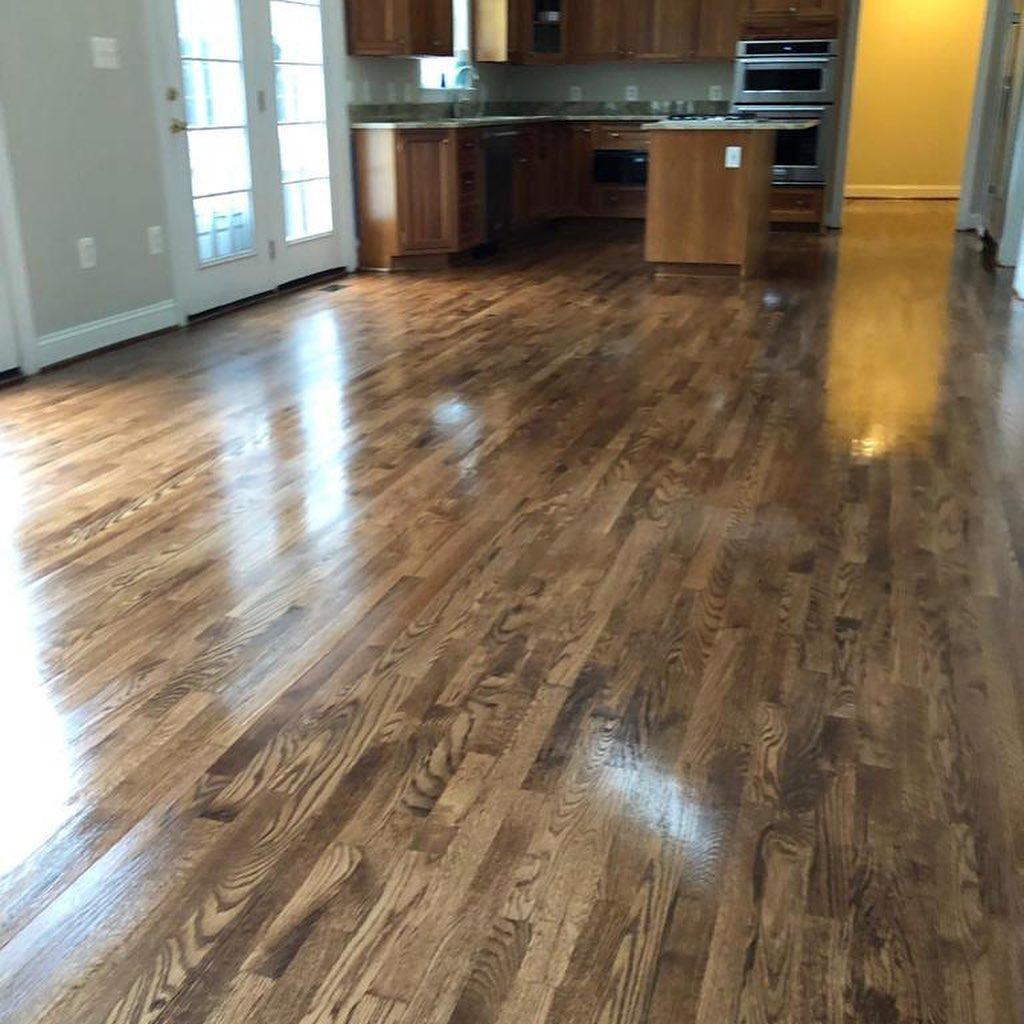
Wood or stone floors can bring warmth and style to your kitchen, but spills and dropped dishes threaten to ruin that look fast. Finding the best kitchen flooring means choosing materials that stand tough against water without sacrificing beauty. In this post, you’ll see the top three waterproof kitchen floors that fit a durable kitchen remodel perfectly. Let’s explore how to keep your kitchen both stunning and family-proof.
Why Waterproof Flooring Matters in Your Kitchen
Your kitchen sees more action than almost any room in your home. Between morning coffee spills, dinner prep splashes, and the occasional dropped glass of juice, water hits your floor constantly. Traditional hardwood looks gorgeous but swells and warps when exposed to moisture. Natural stone can stain and requires regular sealing. For families who actually use their kitchens, you need flooring that handles real life.
Waterproof kitchen floors protect your investment while keeping that high-end look you want. They resist damage from standing water, clean up easily, and last for years without the constant maintenance other materials demand. When you’re planning a durable kitchen remodel, starting with the right foundation makes everything else fall into place.
The Top Three Waterproof Kitchen Flooring Options
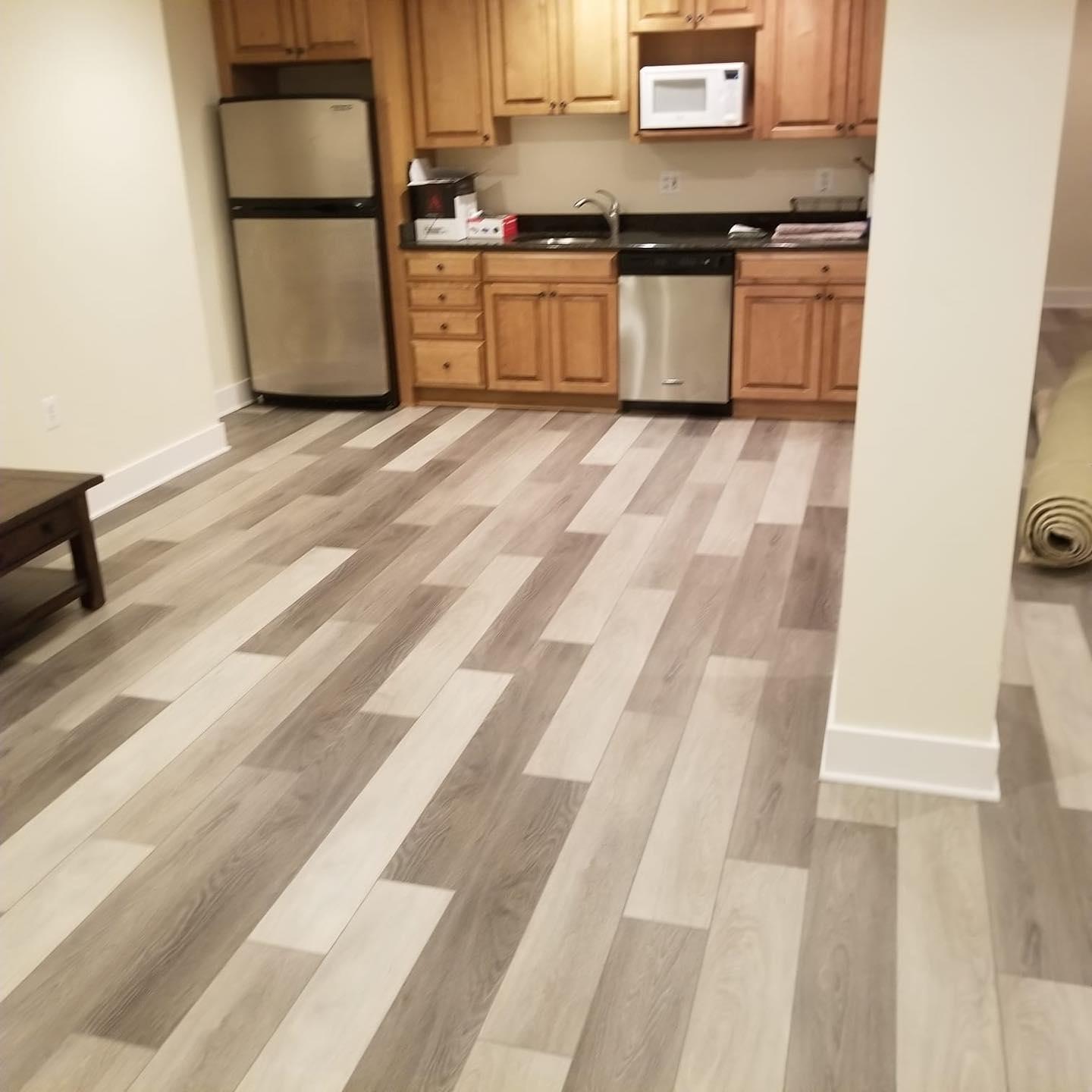
Let me walk you through the three best choices that combine beauty, durability, and real waterproof protection. Each option brings something special to your kitchen while standing up to whatever your family throws at it.
Option 1: Luxury Vinyl Plank (LVP)
Luxury vinyl plank has become the go-to choice for homeowners who want the warm look of hardwood without the worry. This flooring mimics wood grain so well that guests often can’t tell the difference until you tell them about its superpowers.
What Makes LVP Special
LVP consists of multiple layers pressed together. The bottom layer provides stability, the core layer adds strength and waterproofing, the design layer shows off that beautiful wood look, and the top wear layer protects against scratches and dents. This construction makes it completely waterproof, not just water-resistant.
You can leave a puddle on LVP all day, and it won’t swell, warp, or get damaged. Try that with real hardwood and you’ll be calling a contractor by evening. For the best kitchen flooring that truly performs, LVP delivers.
Installation and Maintenance
Most LVP products feature click-lock installation, which means the planks snap together without glue or nails. This floating floor system makes installation faster and often more affordable. Some homeowners even tackle it as a DIY project, though professional installation ensures the best results.
Cleaning LVP takes seconds. Sweep up crumbs, wipe up spills, and occasionally mop with a damp cloth. No special treatments, no sealing, no fuss. When you have kids tracking through the kitchen or pets with muddy paws, this easy maintenance becomes a real gift.
Style Options
LVP comes in dozens of wood looks, from light oak to dark walnut. You can choose wide planks for a modern farmhouse vibe or narrower strips for traditional style. The texture even feels like real wood under your feet, adding to the authentic appearance.
“We installed LVP in our kitchen three years ago, and it still looks brand new,” says Jennifer M. from Portland. “My kids spill everything, and I just wipe it up. No stress, no damage. Best decision we made during our remodel.”
Option 2: Luxury Vinyl Tile (LVT)
While LVP mimics wood, luxury vinyl tile replicates stone, ceramic, or concrete. If you love the sophisticated look of tile but want better performance, LVT gives you both worlds.
Understanding LVT vs LVP Kitchen Applications
The main difference between LVT and LVP comes down to appearance and shape. LVP comes in plank form and looks like wood. LVT comes in square or rectangular tiles and looks like stone, marble, or ceramic. Both offer the same waterproof protection and durability.
When thinking about LVT vs LVP kitchen choices, consider your design goals. Do you want a rustic, warm feeling? Go with LVP. Prefer a sleek, modern aesthetic? LVT might be your answer. Either way, you get waterproof kitchen floors that perform beautifully.
The Stone Look Without the Drawbacks
Natural stone and ceramic tile can crack when you drop heavy pots. They feel cold and hard underfoot. The grout lines stain and require regular cleaning and sealing. LVT solves all these problems.
This flooring feels slightly softer than real tile, making it more comfortable when you’re standing at the counter chopping vegetables for an hour. It won’t crack if you drop your cast iron skillet. And because it installs with tight seams, you avoid those grout lines that turn gray and grimy over time.
Design Flexibility
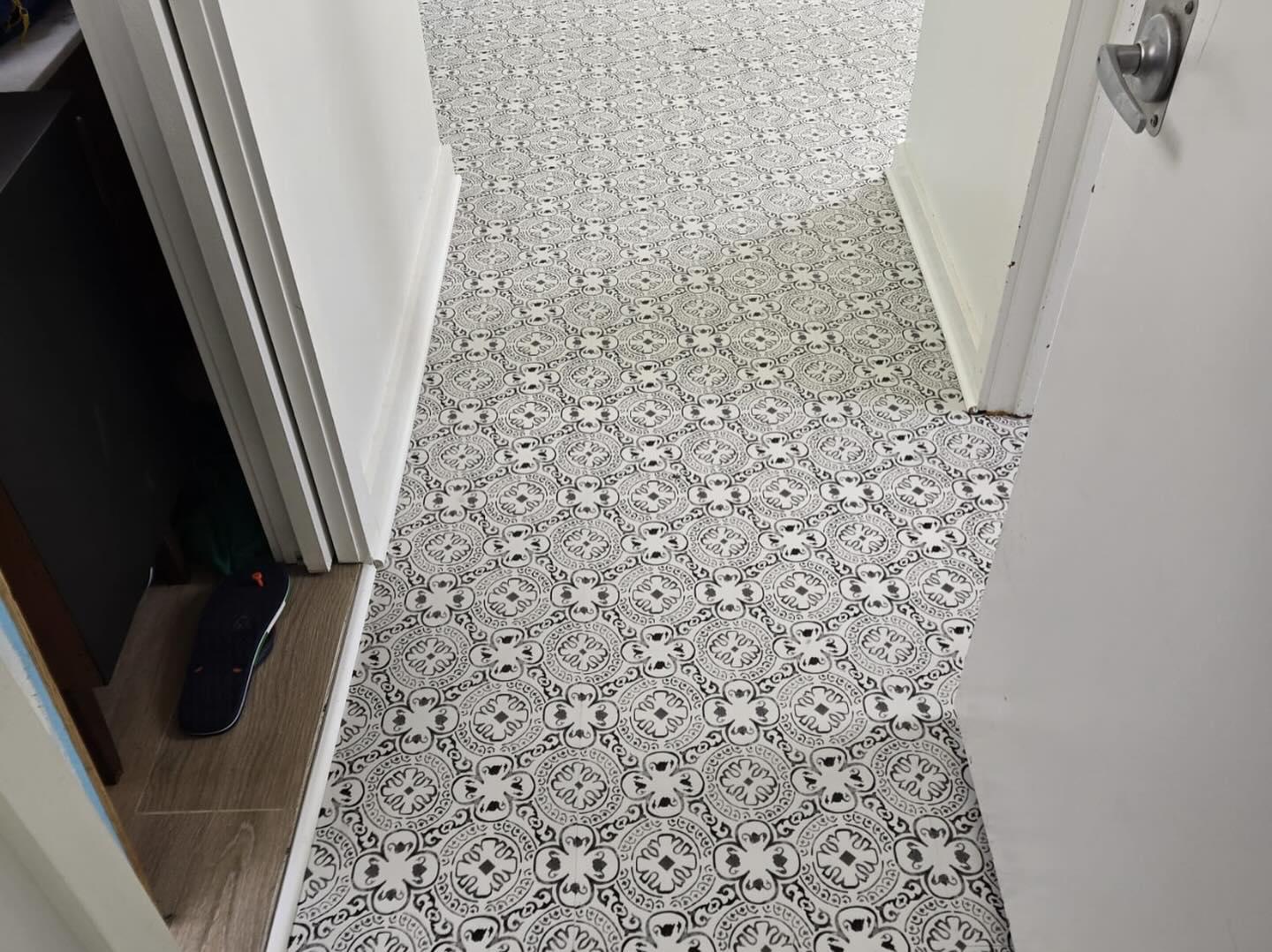
LVT lets you create patterns that would cost a fortune with real tile. Mix different colors for a checkerboard effect. Lay tiles diagonally for visual interest. Create borders or insets. The design possibilities open up when the material costs less and installs more easily.
Modern LVT products capture the subtle variations in natural stone so well that the effect looks completely authentic. You get the elegance of marble or the rustic charm of slate without the maintenance headaches.
Option 3: Porcelain Tile
While we’re talking about alternatives that protect better than traditional materials, porcelain tile deserves its spot on this list. True porcelain (not ceramic) offers genuine waterproof protection when installed correctly.
What Sets Porcelain Apart
Porcelain tile is fired at extremely high temperatures, making it denser and less porous than ceramic. It absorbs almost no water, which means spills sit on the surface instead of soaking in. This makes porcelain one of the best kitchen flooring materials for areas that see heavy use.
The durability of porcelain exceeds most other flooring types. It resists scratches, won’t fade in sunlight, and can last 50 years or more with proper care. For a truly durable kitchen remodel, porcelain provides longevity that few materials match.
Installation Considerations
Porcelain requires professional installation. The tiles need to be set in mortar over a properly prepared subfloor, and the grout lines must be sealed correctly to maintain waterproof integrity. This makes installation more expensive and time-consuming than vinyl options.
The weight of porcelain also matters. Make sure your subfloor can handle the load, especially in upper-story kitchens. A structural evaluation might be necessary before installation.
Comfort and Practicality
Porcelain feels hard and cold underfoot. Many homeowners add area rugs in standing zones or install radiant floor heating underneath to address this. The initial expense goes up, but the comfort improves significantly.
If you’re willing to invest more upfront and want flooring that lasts for decades, porcelain makes sense. If you want easier installation, lower costs, and built-in warmth, vinyl products might serve you better.
Comparing Your Options: Making the Right Choice
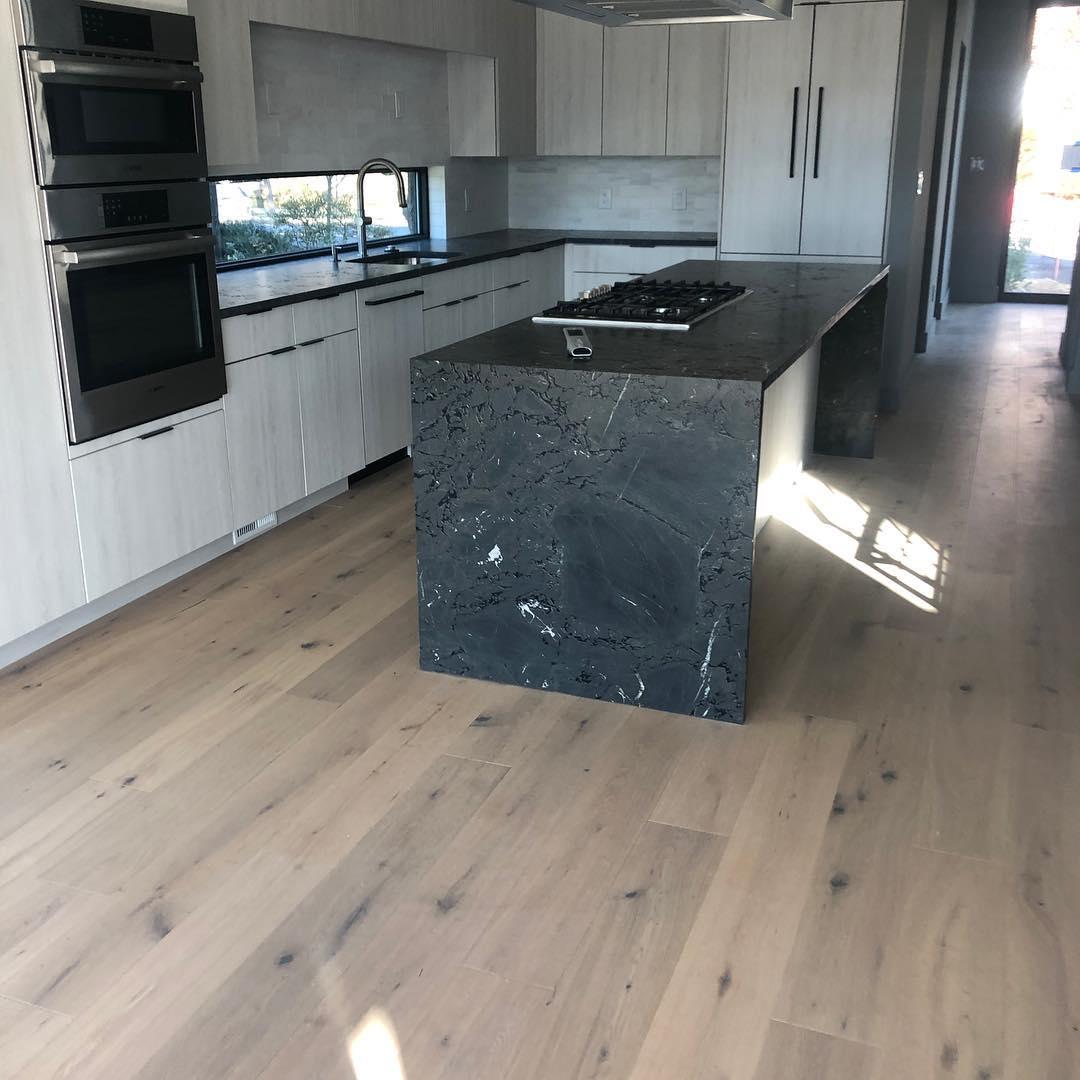
Let’s break down how these waterproof kitchen floors stack up against each other so you can make the best decision for your family.
Cost Comparison
LVP and LVT typically cost between $3 and $8 per square foot for materials, with installation adding another $2 to $5 per square foot. You can complete a 200-square-foot kitchen for $1,000 to $2,600.
Porcelain tile materials run $5 to $15 per square foot, with installation costs of $5 to $10 per square foot because of the specialized labor required. That same 200-square-foot kitchen might cost $2,000 to $5,000.
For families watching their budget during a durable kitchen remodel, vinyl products offer serious savings without compromising quality.
Durability and Lifespan
All three options resist water damage completely when installed properly. LVP and LVT typically last 15 to 25 years with normal use. Porcelain can last 50 years or more.
If you plan to stay in your home forever, porcelain’s longevity might appeal to you. If you’ll move within 10 to 20 years, vinyl products provide excellent value without over-investing.
Comfort and Feel
Vinyl flooring feels slightly softer and warmer than porcelain. This matters when you’re standing in the kitchen cooking dinner or helping kids with homework at the island. The subtle cushioning reduces fatigue and feels more welcoming.
Porcelain feels substantial and permanent but requires rugs or heating to match vinyl’s comfort level.
Style and Aesthetics
Both vinyl and porcelain offer stunning looks. Modern manufacturing makes it hard to tell vinyl from real wood or stone without close inspection. Porcelain provides the authentic weight and feel of real tile, which some people prefer.
Your personal taste matters most here. Visit a showroom to see samples in person. Look at how light reflects off the surface. Feel the texture. Picture it in your space.
Installation Tips for Best Results
No matter which waterproof kitchen floors you choose, proper installation determines long-term performance. Here’s what you need to know.
Subfloor Preparation
Your subfloor must be clean, dry, level, and structurally sound. Any dips, bumps, or damage will telegraph through your new flooring and cause problems later. Take time to fix subfloor issues before installation begins.
For vinyl products, the subfloor should be level within 3/16 of an inch over a 10-foot span. Porcelain requires even stricter tolerances. Professional installers will assess and prepare your subfloor as part of the job.
Acclimation
Let your flooring materials sit in the installation space for 48 hours before installation. This allows them to adjust to your home’s temperature and humidity, which prevents expansion or contraction issues after installation.
Professional vs. DIY
LVP and LVT lend themselves to DIY installation if you’re handy and patient. Porcelain really needs professional installation to ensure waterproof integrity and proper adhesion.
Even with vinyl products, hiring a pro often makes sense. They work faster, guarantee their work, and handle unexpected issues that stop DIY projects in their tracks. The cost difference might be smaller than you think when you factor in tool rental and your time.
Maintaining Your Waterproof Kitchen Floors
Once your new flooring is down, keeping it beautiful takes minimal effort.
Daily Care
Sweep or vacuum regularly to remove dirt and grit that can scratch the surface over time. Wipe up spills when they happen. That’s really all you need for day-to-day maintenance.
Deep Cleaning
Mop with warm water and a pH-neutral cleaner designed for your specific flooring type. Avoid harsh chemicals, abrasive scrubbers, and excessive water. Even waterproof floors don’t need to swim in cleaning solution.
For porcelain, clean and reseal grout lines annually to maintain waterproof protection and prevent staining.
Protection Strategies
Use furniture pads under chair and table legs to prevent scratches. Place mats at the sink and stove where you stand most often. These simple steps extend the life of your flooring and keep it looking fresh.
Real Stories from Real Families
Hearing from people who’ve already made these choices helps you feel confident in your decision.
The Martinez Family: LVP Success
“We have three kids under 10 and a big dog,” shares Carlos Martinez. “Our old hardwood floors were a disaster of scratches and water stains. We switched to LVP two years ago, and it’s been amazing. The kids spill, the dog tracks in mud, and everything just wipes clean. It looks like real wood, and our friends are always surprised when we tell them it’s vinyl. For the best kitchen flooring that handles family chaos, this is it.”
Sarah’s LVT Experience
Sarah K. from Denver chose LVT for her kitchen remodel. “I wanted that modern farmhouse look with white tile, but I didn’t want to deal with grout maintenance. The LVT we installed looks exactly like the ceramic tile I loved but without the hassle. When my son knocked over a full pitcher of lemonade, I panicked for a second, then remembered our floors are waterproof. Just grabbed a towel and cleaned it up. No damage, no stress.”
The Johnsons Choose Porcelain
“We went with porcelain tile because we plan to stay in this house forever,” explains Robert Johnson. “Yes, it cost more upfront, but the quality and durability made sense for us. We added heated floors underneath, which solved the cold issue. Now we have a kitchen floor that will outlast us and feels luxurious every day.”
Making Your Decision: Next Steps
You’ve learned about the top waterproof kitchen floors and how they perform in real family homes. Now it’s time to move forward with your durable kitchen remodel.
Assess Your Priorities
Think about what matters most to you. Is it budget? Comfort? Appearance? Longevity? Make a list of your top three priorities and use that to guide your choice.
Visit Showrooms
See samples in person. Bring paint chips or cabinet door samples to check how colors work together. Ask to see installed examples if possible. Photos online help, but nothing beats seeing and touching the real thing.
Get Multiple Quotes
Contact at least three flooring contractors for quotes. Make sure they’re comparing the same quality levels and installation methods. Ask about warranties, timeline, and what’s included in the price.
Ask Questions
A good contractor welcomes questions and explains things clearly. Ask about their experience with your chosen flooring type. Request references from recent kitchen projects. Check online reviews.
Plan Your Timeline
Kitchen flooring installation typically takes one to three days depending on room size and flooring type. Factor in time for subfloor prep if needed. Plan meals and adjust your routine during installation.
Why This Matters for Your Family
Choosing the best kitchen flooring impacts your daily life more than almost any other remodel decision. You walk on it every day. You clean it constantly. It sets the tone for your whole kitchen design.
Waterproof kitchen floors give you peace of mind. You stop worrying about spills and accidents. You enjoy your beautiful space instead of stressing about protecting it. That mental shift makes a bigger difference than you might expect.
When you’re comparing LVT vs LVP kitchen options or considering porcelain, remember that all three choices protect your investment while looking great. You really can have both beauty and durability.
Your durable kitchen remodel starts from the ground up. Get the foundation right, and everything else becomes easier. These waterproof options let you create a kitchen that works for your real life, not just for magazine photos.
Ready to Start Your Kitchen Transformation?
The information you need is here. The options are clear. Now it’s time to take action and create the kitchen your family deserves.
Reach out to local flooring specialists who can show you samples and provide accurate quotes for your space. Schedule consultations to discuss your specific needs and get professional recommendations based on your home’s structure and your family’s lifestyle.
Your dream kitchen with beautiful, worry-free floors is closer than you think. With the right waterproof flooring choice, you’ll create a space that looks stunning and handles everything family life throws at it. That’s the perfect combination for a kitchen that truly works.
Start planning your durable kitchen remodel today, and soon you’ll be cooking, gathering, and living in a space that makes you smile every time you walk through the door.
Frequently Asked Questions
What is the most waterproof flooring for a kitchen?
Luxury vinyl plank (LVP) and luxury vinyl tile (LVT) offer 100% waterproof protection because they’re made from synthetic materials that don’t absorb water. Porcelain tile is also highly water-resistant when properly installed with sealed grout lines. All three options can handle standing water without damage, making them ideal for busy kitchens where spills happen daily.
Is LVP or LVT better for kitchens?
The choice between LVP and LVT depends on your design preference, not performance. LVP comes in plank form and mimics hardwood, while LVT comes in tile shapes and looks like stone or ceramic. Both offer the same waterproof protection, durability, and easy maintenance. Choose LVP if you want a wood look or LVT if you prefer a stone or tile aesthetic.
How long does waterproof kitchen flooring last?
Luxury vinyl products typically last 15 to 25 years with proper care and normal use. Porcelain tile can last 50 years or more. The actual lifespan depends on the quality of materials, installation, foot traffic levels, and maintenance habits. All three waterproof options outlast traditional hardwood in high-moisture kitchen environments.
Can I install waterproof flooring myself?
LVP and LVT with click-lock systems are DIY-friendly if you’re comfortable with home projects and have basic tools. The installation process is straightforward for people with patience and attention to detail. Porcelain tile requires professional installation because it needs proper mortar application, precise cutting, and grout sealing to maintain waterproof integrity. Even with vinyl products, professional installation ensures the best long-term results.
How much does it cost to install waterproof flooring in a kitchen?
For a typical 200-square-foot kitchen, expect to pay $1,000 to $2,600 for LVP or LVT including materials and installation. Porcelain tile for the same space typically costs $2,000 to $5,000 due to higher material costs and specialized labor requirements. Prices vary based on your location, the specific products chosen, subfloor condition, and whether you need furniture moving or old flooring removal.
Ready to get this done in your home?
5.0-star Google rating · 500+ reviews · MHIC #104041 · Licensed & Insured
Get My Free Estimate Call 240-246-4561
Related services: Hardwood Floor RestorationHardwood Floor StainingLVP Installation
Contact Us
Fill out the form below and an AG Construction representative will contact you soon.


Maryland’s Premier Flooring Company
full-service flooring contractor
Whether you own a home or business, we’re your single source for complete flooring installation services! Our comprehensive services include:
- Hardwood staining, sanding, refinishing, restoration, and more!
- Carpet removal and installation
- Vinyl luxury plank replacement and installation
- Vinyl tile and COREtec installation
- And more!