

back to blog

What is the Difference Between Hardwood Refinishing and Hardwood Restoration?
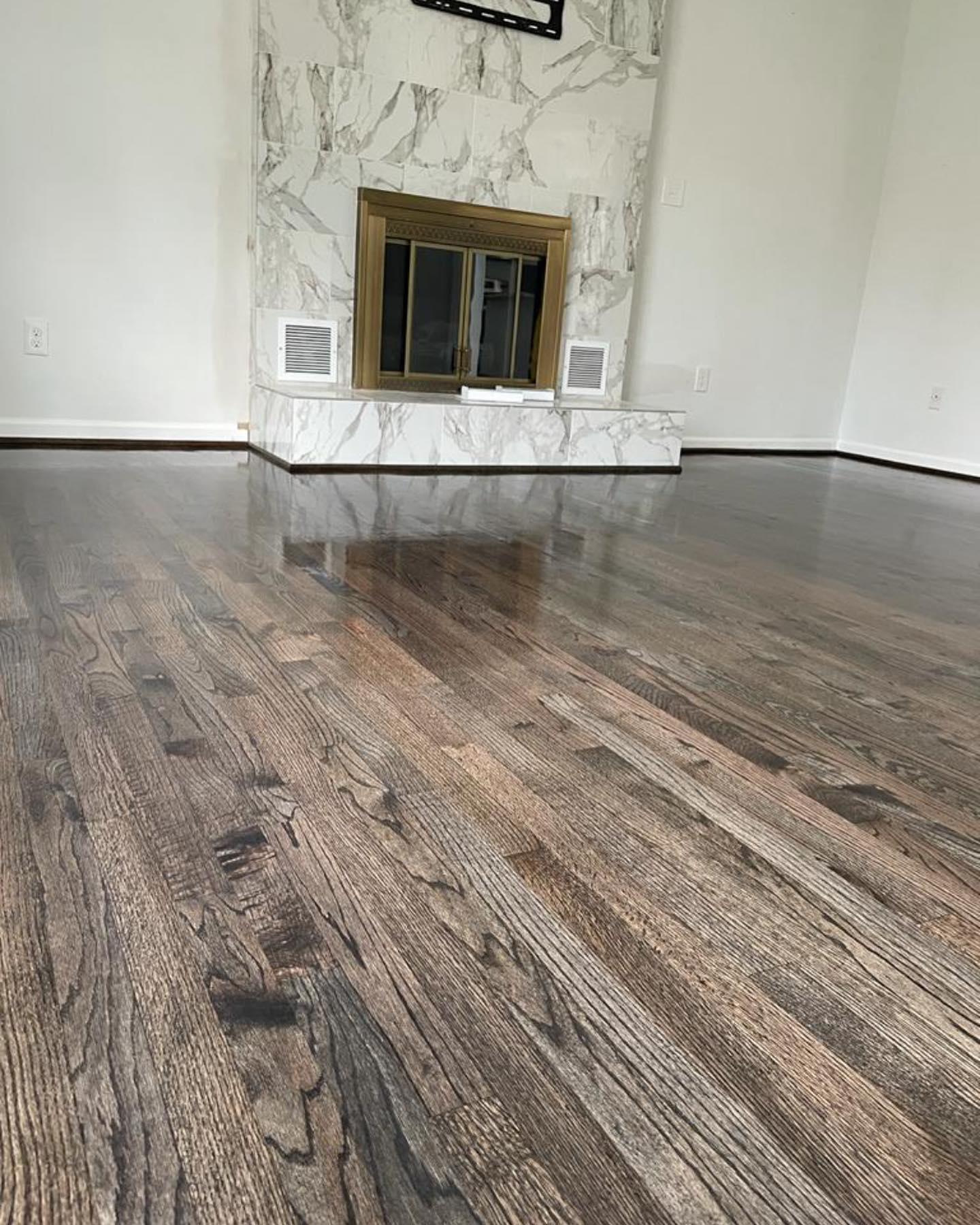
Deep gouges, water damage, or missing planks on your historic floors mean a simple sanding won’t fix the problem. Many homeowners in Bethesda, Potomac, and Baltimore face this challenge but don’t know when to choose hardwood restoration vs refinishing. Understanding the key differences can save you time and money while guiding you to the right solution for your historic home floor restoration.
Understanding the Basics: Refinishing vs Restoration
What is Hardwood Refinishing?
Refinishing is the simpler of the two processes. Think of it as giving your floors a fresh coat of paint, but for wood. The process involves sanding down the top layer of your existing hardwood to remove scratches, scuffs, and old finish. After sanding, we apply a new stain and protective coating.
This works great when your floors are structurally sound but just look tired and worn. If you can run your hand across the floor and only feel minor surface imperfections, refinishing might be all you need.
What is Hardwood Restoration?
Restoration goes much deeper. This is the heavy-duty option for floors that have serious problems. We’re talking about boards that are warped, cracked, or missing entirely. Water damage that’s penetrated below the surface. Deep gouges that go through multiple layers of wood.
When you repair damaged hardwood floors through restoration, you’re essentially rebuilding parts of your floor while preserving the original character. This is especially important in historic homes where maintaining authenticity matters.
Signs Your Historic Floors Need Restoration
Deep Damage You Can’t Sand Away
Run your fingers across your floor. Do you feel deep grooves or gouges? If a scratch or dent is deeper than the thickness of a credit card, sanding alone won’t fix it. You’ll need restoration work to fill, replace, or repair those damaged sections.
Water Damage and Staining
Water is wood’s worst enemy. If you’ve had leaks, flooding, or even just years of moisture exposure, the damage often goes beyond the surface. Look for:
Dark stains that won’t lighten
Boards that cup or buckle
Soft spots that feel spongy when you walk
White or gray discoloration
Mold or mildew growth
Floor sanding Maryland professionals see this type of damage frequently in older homes with aging plumbing or poor ventilation.
Missing or Severely Damaged Boards
Sometimes boards are beyond saving. They might be:
Completely rotted through
Cracked from end to end
Missing entirely
So warped they create tripping hazards
In these cases, restoration involves carefully removing damaged boards and weaving in replacements that match your existing floor.
Structural Issues
If your floors bounce, sag, or creak excessively, you might have problems with the subfloor or joists underneath. This requires restoration work that addresses the foundation of your flooring system, not just the pretty surface.
The Restoration Process Explained
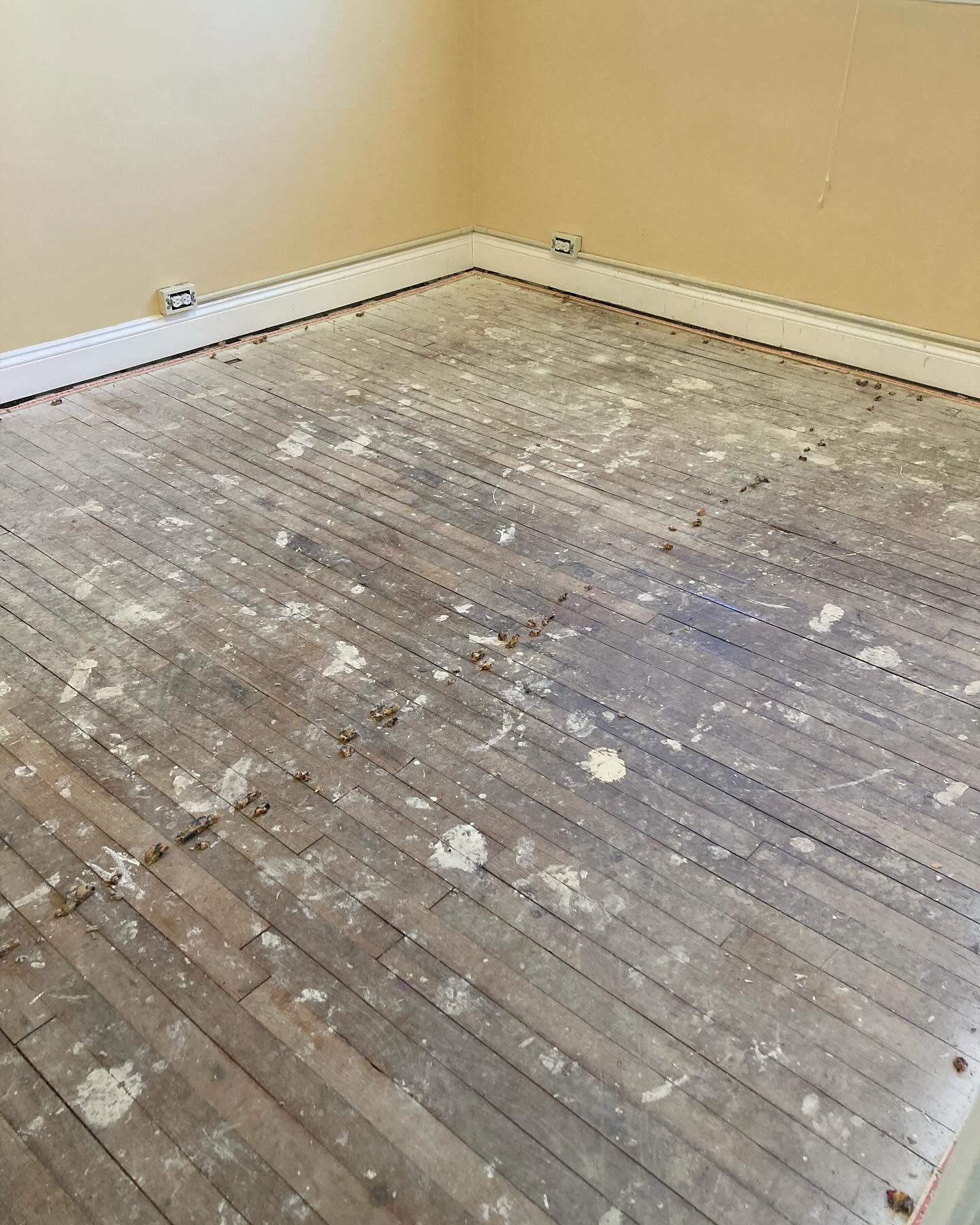
Step 1: Assessment and Planning
A proper assessment is critical for historic home floor restoration. We examine every inch of your floor to identify:
Which boards need replacement
Areas with water damage
Structural concerns
The type and age of your wood
Original finish techniques
This helps us create a plan that respects your home’s history while fixing current problems.
Step 2: Removing Damaged Materials
We carefully remove boards that can’t be saved. In historic homes, this step requires extra care. We want to preserve as much original material as possible and avoid damaging surrounding boards.
Step 3: Addressing Subfloor Issues
If moisture has damaged the subfloor, we repair or replace those sections. This might involve treating for mold, replacing rotted plywood, or even addressing joist problems. Skipping this step means your beautiful new surface won’t last.
Step 4: Installing Replacement Boards
Finding matching wood for historic floors can be challenging. We source period-appropriate materials that match your existing floor in:
Wood species
Width and thickness
Grain pattern
Age and patina
The goal is to make repairs invisible. When done right, you shouldn’t be able to tell which boards are original and which are replacements.
Step 5: Filling and Repairing
For gouges and gaps, we use wood fillers, dutchman patches, or other repair techniques. Each method depends on the size and location of the damage.
Step 6: Sanding and Finishing
Once all repairs are complete, we sand the entire floor to create a uniform surface. This is where restoration overlaps with refinishing. The final steps of staining and sealing are the same, but you’re working with a floor that’s been structurally renewed.
The Refinishing Process Explained
When Refinishing is Enough
If your assessment shows that your floors are structurally sound with only surface damage, refinishing saves time and money. The process is straightforward:
Clear the room completely
Sand the floor in stages with progressively finer grits
Fill small gaps and minor imperfections
Apply stain if desired
Apply protective finish coats
Allow proper curing time
Limitations of Refinishing
You can only refinish solid hardwood floors so many times. Each sanding removes about 1/16 to 1/8 inch of wood. Most floors can handle 4-6 refinishing cycles before the wood becomes too thin.
If your historic floors have been refinished multiple times already, you might be at the limit. A professional can measure the remaining thickness and let you know if another refinishing is safe.
Cost Considerations: Hardwood Restoration vs Refinishing
Refinishing Costs
Refinishing typically costs between $3 to $8 per square foot. The price varies based on:
Your location
Room size
Wood type
Number of finish coats
Stain complexity
For a 500 square foot room, expect to pay $1,500 to $4,000.
Restoration Costs
Restoration costs more because it involves more labor and materials. Prices range from $8 to $25 per square foot, depending on:
Extent of damage
Availability of matching wood
Subfloor repairs needed
Historic preservation requirements
Complexity of the work
That same 500 square foot room might cost $4,000 to $12,500 for full restoration.
The Long-Term Value
While restoration costs more upfront, it often provides better long-term value. You’re not just covering up problems. You’re fixing them. This means:
Your floors last longer
You avoid repeated repairs
Your home value increases
You preserve historic character
Many homeowners in Bethesda and Potomac find that proper restoration actually costs less over time than repeated refinishing attempts that don’t address underlying issues.
Special Considerations for Historic Homes
Preserving Character and Authenticity
Historic homes have unique features worth preserving. Your 100-year-old oak floors tell a story. When you repair damaged hardwood floors in a historic home, the goal is to maintain that story while ensuring the floors remain functional and beautiful.
This might mean:
Keeping some minor wear marks that add character
Using traditional finishing techniques
Matching original wood species
Respecting original installation patterns
Working with Historic Preservation Guidelines
If your home is in a historic district or has landmark status, you may need to follow specific guidelines. Some areas in Baltimore have strict requirements about:
Materials used for repairs
Finishing techniques
Maintaining original appearance
Documentation of work performed
A contractor experienced in historic home floor restoration can help you stay compliant while getting the results you want.
Finding Period-Appropriate Materials
Modern hardwood often looks different from wood cut 50, 75, or 100 years ago. Old-growth timber has tighter grain patterns and different coloring. Finding good matches requires:
Access to reclaimed wood suppliers
Knowledge of historic lumber dimensions
Understanding of period milling techniques
Skill in aging new wood to match old
Common Mistakes to Avoid
Choosing Refinishing When You Need Restoration
This is the most common mistake. Homeowners see the lower price tag for refinishing and hope it will solve their problems. But if you have structural damage, water issues, or missing boards, refinishing is like putting a band-aid on a broken bone. The problems will come back quickly, and you’ll have wasted money.
Hiring Inexperienced Contractors
Floor sanding Maryland requires skill, especially for historic homes. An inexperienced contractor might:
Sand too aggressively and remove too much wood
Damage original boards during repairs
Use inappropriate materials
Miss underlying problems
Create an uneven finish
Always check references and ask to see previous work on similar homes.
Ignoring Moisture Issues
If water damage caused your floor problems, you must fix the source before repairing the floors. Otherwise, the damage will return. Common moisture sources include:
Leaky pipes
Poor drainage around the foundation
High humidity without proper ventilation
Roof leaks
Condensation from HVAC systems
Rushing the Process
Both restoration and refinishing take time. Rushing leads to poor results. Proper restoration might take several weeks, especially if we need to source matching materials. Finishes need adequate drying time between coats. Plan accordingly and don’t schedule your work right before a major event.
Questions to Ask Your Contractor
Before hiring someone for your floor project, ask these questions:
Do you have experience with historic home floor restoration?
Can you show me examples of similar projects?
How will you match my existing wood?
What’s your process for assessing damage?
Do you handle moisture remediation if needed?
How long will the project take?
What warranty do you offer?
Are you licensed and insured?
Can you provide references from other historic homeowners?
How will you protect the rest of my home during work?
The answers will tell you a lot about whether the contractor is right for your project.
Real Stories from Local Homeowners
The Bethesda Victorian
Sarah owned a beautiful Victorian home in Bethesda with original heart pine floors. Years of water damage from a slow leak had warped boards in her dining room. She initially called for refinishing, but the assessment revealed extensive damage.
“I was worried about the cost, but the restoration was worth every penny,” Sarah says. “They found matching heart pine, repaired the subfloor, and now you can’t tell which boards are new. The floors look like they did when the house was built in 1895.”
The Potomac Colonial
Mark and Jennifer bought a 1920s Colonial in Potomac with gorgeous oak floors. Unfortunately, previous owners had covered them with carpet for decades. When they pulled up the carpet, they found deep gouges, pet stains, and several missing boards.
“We thought we’d just need refinishing, but the contractor explained why restoration was necessary,” Mark explains. “They replaced damaged boards, fixed the stains, and brought the floors back to life. Now they’re the centerpiece of our home.”
The Baltimore Rowhome
Carlos inherited his grandmother’s rowhome in Baltimore. The pine floors had been refinished so many times they were getting thin, and water damage from an old radiator leak had destroyed several boards near the windows.
“The restoration process took three weeks, but the results were amazing,” Carlos shares. “They saved as much original wood as possible and carefully matched the new pieces. My grandmother would be proud.”
Making Your Decision
Start with a Professional Assessment
Don’t guess whether you need hardwood restoration vs refinishing. Get a professional assessment. A qualified contractor will:
Inspect your floors thoroughly
Test moisture levels
Measure remaining wood thickness
Identify all problem areas
Provide honest recommendations
Give you detailed cost estimates for both options
This assessment usually costs $100 to $300, but many contractors apply this fee toward your project if you hire them.
Consider Your Timeline
Refinishing takes 3-5 days for most rooms. Restoration can take 1-4 weeks, depending on the extent of damage and material availability. If you’re on a tight timeline, that might influence your decision. Just remember that taking shortcuts now often means more problems later.
Think About Long-Term Goals
Are you planning to stay in your home long-term? Proper restoration makes more sense. Selling soon? You might get away with refinishing if the damage isn’t severe. But keep in mind that home inspectors and savvy buyers will spot problems that weren’t properly fixed.
Get Multiple Opinions
Talk to at least three contractors who specialize in floor sanding Maryland and historic home work. Compare their assessments, recommendations, and pricing. If two out of three say you need restoration, you probably do.
Maintaining Your Floors After Restoration or Refinishing
Daily Care
Protect your investment with simple daily habits:
Sweep or vacuum regularly
Clean spills immediately
Use doormats at entrances
Put felt pads under furniture
Keep pet nails trimmed
Remove shoes or use indoor slippers
Seasonal Maintenance
Monitor humidity levels (ideal is 35-55%)
Check for new damage or wear
Clean with appropriate wood floor cleaners
Inspect for water leaks
Reapply maintenance coats as recommended
When to Call a Professional
Contact a flooring professional if you notice:
New water damage
Finish wearing through in high-traffic areas
Boards starting to separate or cup
Unusual creaking or movement
Scratches penetrating the finish
Catching problems early means simpler, less expensive fixes.
Ready to Restore Your Historic Floors?
Understanding hardwood restoration vs refinishing helps you make the right choice for your historic home. If your floors in Bethesda, Potomac, or Baltimore have serious damage, don’t settle for a surface fix. Proper restoration preserves your home’s character while ensuring your floors last for generations.
The first step is getting an expert assessment. We’ll come to your home, evaluate your floors, and give you honest recommendations about whether you need restoration or if refinishing will do the job. We’ll explain exactly what work is needed and why, with no pressure and no obligation.
Your historic floors deserve care from professionals who understand their value and know how to repair damaged hardwood floors properly. We’ve helped hundreds of homeowners in the area bring their floors back to life, and we’d love to help you too.
Contact us today to schedule your floor assessment. Let’s talk about your floors and create a plan that works for your home, your budget, and your timeline. Your beautiful historic floors are waiting to shine again.
Frequently Asked Questions
How many times can hardwood floors be refinished before they need restoration?
Most solid hardwood floors can be refinished 4-6 times before the wood becomes too thin. Each refinishing removes about 1/16 to 1/8 inch of wood. If your floors have already been refinished multiple times, a professional should measure the remaining thickness before attempting another refinishing. When the wood gets too thin, restoration with board replacement becomes necessary.
Can water-damaged hardwood floors be saved, or do they need complete replacement?
Water-damaged floors can often be saved through restoration if caught early enough. Surface staining and minor cupping may only require sanding and refinishing. Moderate damage with warped boards typically needs those specific boards replaced. Severe damage with rot, mold, or subfloor problems requires more extensive restoration. The key is addressing both the damage and the moisture source to prevent recurrence.
How long does hardwood floor restoration take compared to refinishing?
Refinishing typically takes 3-5 days for most rooms, including drying time between coats. Restoration takes longer, usually 1-4 weeks, depending on damage extent and material availability. The timeline includes assessment, sourcing matching wood, removing damaged materials, subfloor repairs, installing replacements, and final finishing. Historic homes may take longer if period-appropriate materials are hard to find.
What’s the average cost difference between restoration and refinishing?
Refinishing costs $3-$8 per square foot, while restoration ranges from $8-$25 per square foot. For a typical 500 square foot room, refinishing runs $1,500-$4,000, and restoration costs $4,000-$12,500. The price difference reflects the additional labor, materials, and expertise required for structural repairs. While restoration costs more upfront, it often provides better long-term value by fixing underlying problems.
Will restored floors look patched, or can they match my existing historic floors?
Properly restored floors should be nearly invisible when complete. Skilled contractors source period-appropriate wood that matches your existing floors in species, grain pattern, and dimensions. They may age new wood to match the patina of old boards. In historic homes, the goal is seamless integration that preserves authenticity. Ask to see examples of previous restoration work to assess a contractor’s matching ability.
Ready to get this done in your home?
5.0-star Google rating · 500+ reviews · MHIC #104041 · Licensed & Insured
Get My Free Estimate Call 240-246-4561
Related services: Hardwood Floor RefinishingHardwood Floor RestorationHardwood Floor Staining

Contact Us
Fill out the form below and an AG Construction representative will contact you soon.


Maryland’s Premier Flooring Company
full-service flooring contractor
Whether you own a home or business, we’re your single source for complete flooring installation services! Our comprehensive services include:
- Hardwood staining, sanding, refinishing, restoration, and more!
- Carpet removal and installation
- Vinyl luxury plank replacement and installation
- Vinyl tile and COREtec installation
- And more!